What Is Small Batch Manufacturing?
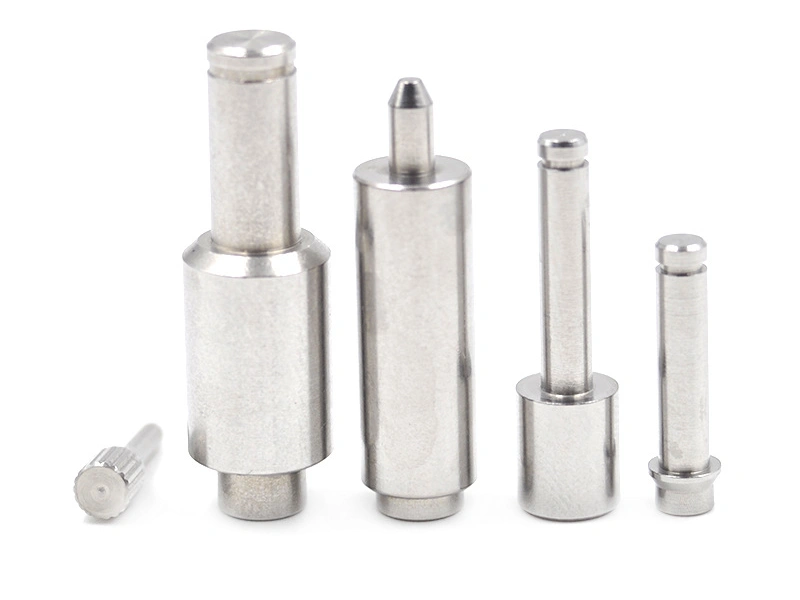
What Is Small Batch Manufacturing?
Small batch manufacturing is production of a limited, identified lot under one released revision, material requirement, process route, and acceptance basis. It usually follows prototyping when buyers need usable parts plus evidence about repeatability, assembly, field performance, demand, or bridge supply. No universal part count defines a small batch; the buyer should define the lot purpose, configuration, critical features, records, and next decision before release.
A small batch is therefore more than a low quantity. Its parts must be linked to the applicable drawing, material and finish state, manufacturing assumptions, inspection results, and disposition. The stage is useful only when the batch will answer a stated question or satisfy a controlled supply need. If fundamental geometry or function is still changing, the work remains development; if stable demand and a qualified scalable process justify the commitment, a mass-production route may be more economical.
1. Small Batch Manufacturing Is Defined by Control and Purpose
The position between stages depends on the decision being supported. Prototyping permits intentional design alternatives to answer a development question. Small batch manufacturing repeats a released configuration to generate lot-level quality, assembly, use, demand, or delivery evidence. Mass production adds validated rate, capacity, continuity, and scale economics.
The transition requires a documented release, not a quantity shortcut. The buyer should close design changes that would invalidate repetition, identify critical characteristics, define the final accepted state, and assign deviation authority. A ten-piece safety-critical lot may require stronger production control than hundreds of development coupons because function and consequence, not count alone, determine the evidence contract.
Stage | Controlled Input | Decision From the Evidence |
|---|---|---|
Named experiment, sample configuration, and allowed deviations | Change, retain, or reject the design direction | |
Released revision, lot identity, process assumptions, and acceptance plan | Release, correct, repeat, scale, or stop the controlled supply lot | |
Mass production | Validated process, rate, capacity, quality system, and supply plan | Sustain forecast output at the approved cost and risk |
2. It Produces Usable Parts Under a Release Contract
Small-batch parts may enter pilot assemblies, customer evaluation, field operation, bridge delivery, replacement service, or limited sales. Because the parts have an intended use, acceptance must cover the released material, functional interfaces, finish, cleanliness, identification, and documentation. Selective fitting or undocumented hand adjustment can make a sample work without proving that the lot is interchangeable.
The release contract should state what evidence travels with the lot and what happens after a failure. Material certificates where required, first-piece results, feature reports, outside-process records, nonconformance disposition, and accepted quantity should use the same revision and lot identity. Missing records should trigger the agreed hold rather than an assumption that appearance proves conformance.
3. One Batch Can Support Several Decisions, but They Must Stay Separate
A controlled batch can provide product-quality evidence, demand observations, and manufacturing information, but each result answers a different question. Inspection shows whether specified characteristics conform. Assembly or field testing evaluates intended performance under stated conditions. Orders and consumption provide demand evidence. Setup, tool-life, yield, and supplier records describe only the process and rate actually used.
Do not convert one type of evidence into another. A conforming batch does not prove market demand, a sold-out pilot lot does not prove machining capability, and an acceptable first piece does not prove the remaining lot. Define the measure, owner, review date, and release consequence for each decision before production begins.
4. Custom CNC Lots Need Feature-Level and Process-State Evidence
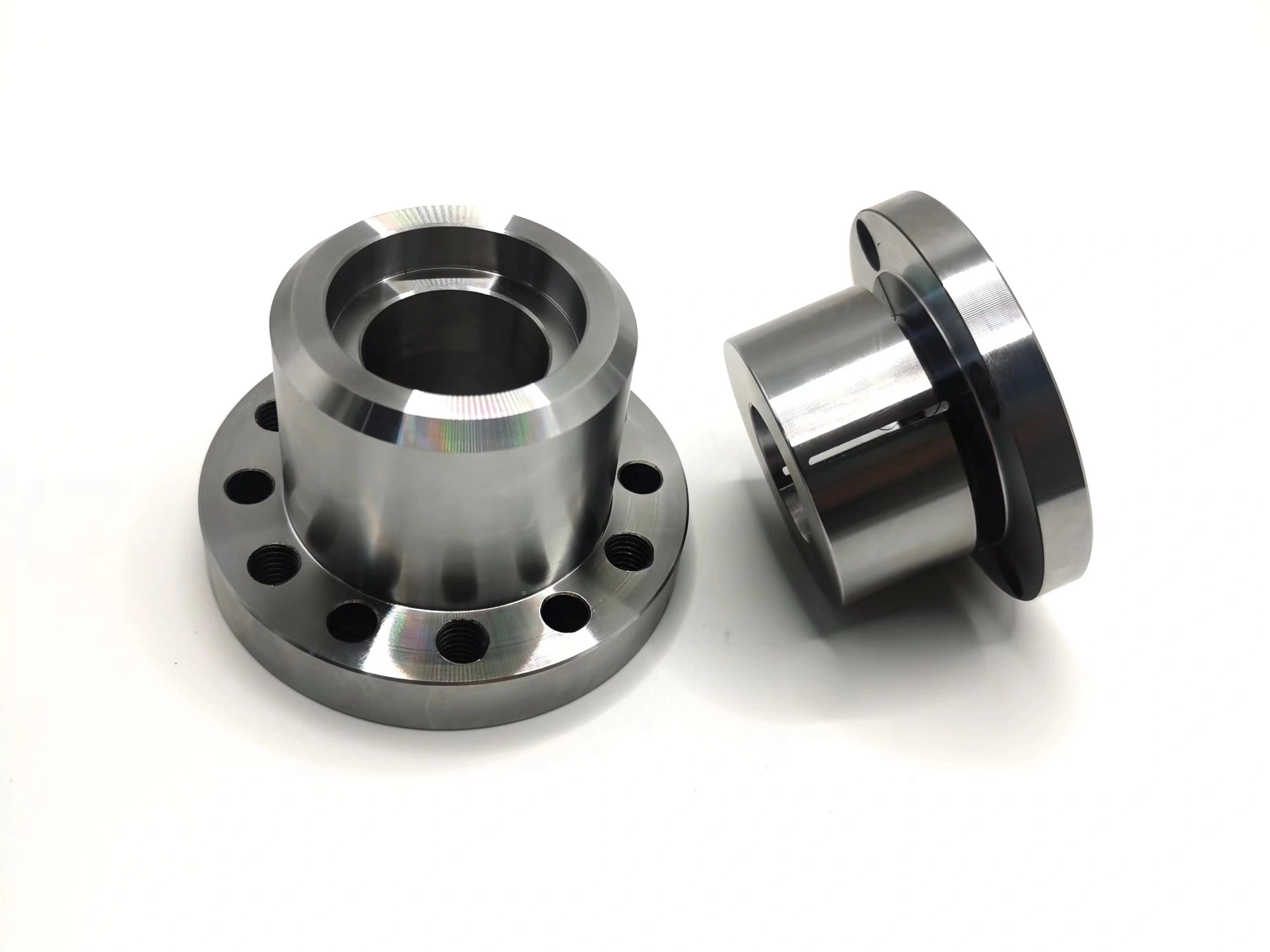
For custom parts made through CNC machining, batch risk can come from material condition, datum transfer, workholding, tool wear, chips, deburring, heat treatment, coating, and measurement timing. Overall size cannot establish whether a bore aligns with a datum, a thread accepts its gauge, a sealing face remains flat, or coating buildup preserves a functional fit.
Consider a hypothetical 72-piece 17-4 PH valve-block lot, not a Neway customer case. The drawing must state the required material condition, while intersecting passages create a burr and cleanliness risk. A useful plan links first-piece and in-process checks to the datum system, verifies passage condition, confirms final dimensions after passivation, and holds shipment if material identity or the inspection record cannot be reconciled.
Custom CNC Lot Control | Failure Risk and Confirmation |
|---|---|
Material identity and condition | Wrong grade, heat treatment, or stock form changes function and machining; verify the specified identity and traceability. |
Dimensions and datums | Setup or unclamping movement changes functional relationships; inspect from the released datum scheme in the required state. |
Hole position | Mislocation prevents mounting or flow alignment; verify the pattern and any intersection condition by the approved method. |
Threads | Wear, burrs, or coating affects engagement; define class, depth, final-state condition, and gauge acceptance. |
Surface treatment and finish | Outside processing changes size, texture, cleanliness, or appearance; assign final inspection and disposition ownership. |
Inspection evidence | Unlinked reports cannot release a lot; identify features, method, frequency, revision, quantity, result, and approver. |
5. Use It When a Limited Release Has More Value Than Scale
Small batch manufacturing fits when a released part must serve a real need but demand, revision life, process evidence, tooling economics, or the scaled supply route remains uncertain. It is unsuitable when unresolved design changes would obsolete the lot. It can also be the wrong choice when stable demand and a validated higher-rate route make repeated short setups, material buys, and inspection effort unnecessarily expensive.
The RFQ should include the drawing and model revision, exact material and condition, batch quantity and purpose, critical features, finish sequence, inspection and record requirements, packaging, delivery split, lot identification, change notification, deviation authority, and exit review. Ask suppliers to separate nonrecurring and recurring charges and state every assumption that could change acceptance or later batch cost.
6. Define the Lot Before Calling It a Small Batch
Small batch manufacturing is a controlled limited-lot method used after relevant prototyping questions are closed and before a scaled route is justified. Its value comes from usable parts and decision-grade evidence tied to one configuration, not from an arbitrary range such as dozens or hundreds.
Before release, define the batch purpose, revision, material state, process and finishing assumptions, critical features, inspection records, lot traceability, failure response, and next decision. For CNC machining, verify relevant characteristics after every operation that can change them. Those controls let the buyer decide whether to accept, correct, repeat, scale, or stop the next lot without confusing quantity with production readiness.