How Is a Low Volume Manufacturing Service Different from Prototyping?
How Is a Low Volume Manufacturing Service Different from Prototyping?
A low volume manufacturing service answers whether an approved design can be made, inspected, and delivered repeatedly in controlled batches; prototyping answers whether the design works. Prototyping fits open questions about fit, function, material, or manufacturability. Low volume fits after the drawing, material state, critical features, and acceptance method are stable enough for repeat supply, while demand or the next process remains uncertain. Buyers should define the released revision, quantity ladder, critical features, inspection records, and change authority in the RFQ. A prototype that required undocumented rework is not proof of a production baseline.
The difference is purpose and evidence, not a universal part count. A prototype can be technically successful and still be unsuitable for repeat delivery if the setup, fixture, material lot, inspection, or outside processing was temporary. Low volume manufacturing adds release ownership, batch reaction, and a defined decision about what happens before the next production stage.
1. Prototype Learning Must Close Before Repeat Supply
The main job of prototyping is to close technical questions. The team checks fit, function, assembly, material behavior, and manufacturability, then records which assumptions remain open. Speed and revision flexibility are useful because the output is evidence for a design decision, not yet a promise of repeat delivery.
A low volume manufacturing service starts when the accepted drawing revision, material condition, critical features, and inspection method can be released to a repeatable route. The buyer must still state what is being learned, such as demand or a later process, because a low-volume batch cannot prove readiness for every future route.
Stage | Evidence Required | Buyer Decision |
|---|---|---|
Fit, function, material, and open design assumptions | Revise or approve the design baseline | |
Released revision, repeatable setup, first-piece, and batch records | Release controlled supply while the next decision remains open |
2. Quantity Signals Supply Intent, Not the Definition
Prototype quantity is normally the minimum needed to answer an engineering question. Low-volume quantity is selected to support a real batch, pilot, service need, or bridge requirement. Neither label has a universal threshold; geometry, material, setup burden, inspection scope, and the buyer's delivery purpose change the decision.
A quantity ladder is more useful than a single number. The RFQ can separate prototype units, first-piece approval, the initial repeat batch, and a reorder trigger. That separation prevents a small order from being treated as mass-production evidence or a large prototype lot from being mistaken for a released supply program.
3. Quality Control Changes from Sample Proof to Batch Evidence
Prototype inspection usually asks whether a sample meets the key design intent. If one part exposes a fit problem or confirms a function, the prototype has delivered useful learning. The failure mode is carrying hidden hand finishing, a temporary datum, or an undocumented correction into the next order.
Low-volume inspection must show that the released route repeats across the batch. Record the first-piece result, critical-feature measurements, material or lot identity, outside-process condition, and reaction to a nonconforming part. A single good prototype is not validation of part-to-part consistency, and a certificate of material is not a dimensional acceptance record.
4. Delivery Ownership Becomes a Production Requirement
Prototype delivery is often organized around the next engineering review. A late sample delays learning, but the schedule is usually tied to a test event. Low-volume delivery supports a build, trial sale, spare-part commitment, or bridge supply, so the shipment event and release responsibility become part of the product requirement.
The RFQ should identify the start event, promised shipment event, dependencies, outside-process owner, inspection release, packaging, and exception notice. A supplier can have a short machining cycle and still miss delivery if material, coating, inspection capacity, or approval timing is not ready. The buyer needs the dependency and recovery path, not only a cycle-time statement.
Comparison Area | Prototyping | Low Volume Manufacturing |
|---|---|---|
Main purpose | Answer design and function questions | Supply controlled batches from an approved baseline |
Quality evidence | Sample fit, function, and design learning | First-piece, critical features, lot linkage, and batch reaction |
Release action | Close assumptions or revise the design | Approve shipment, hold variation, or re-verify the route |
Change boundary | Design changes are expected during learning | Revision, material, fixture, or processor changes require review |
5. CNC Machining Prototyping Is a Bridge, Not Automatic Qualification
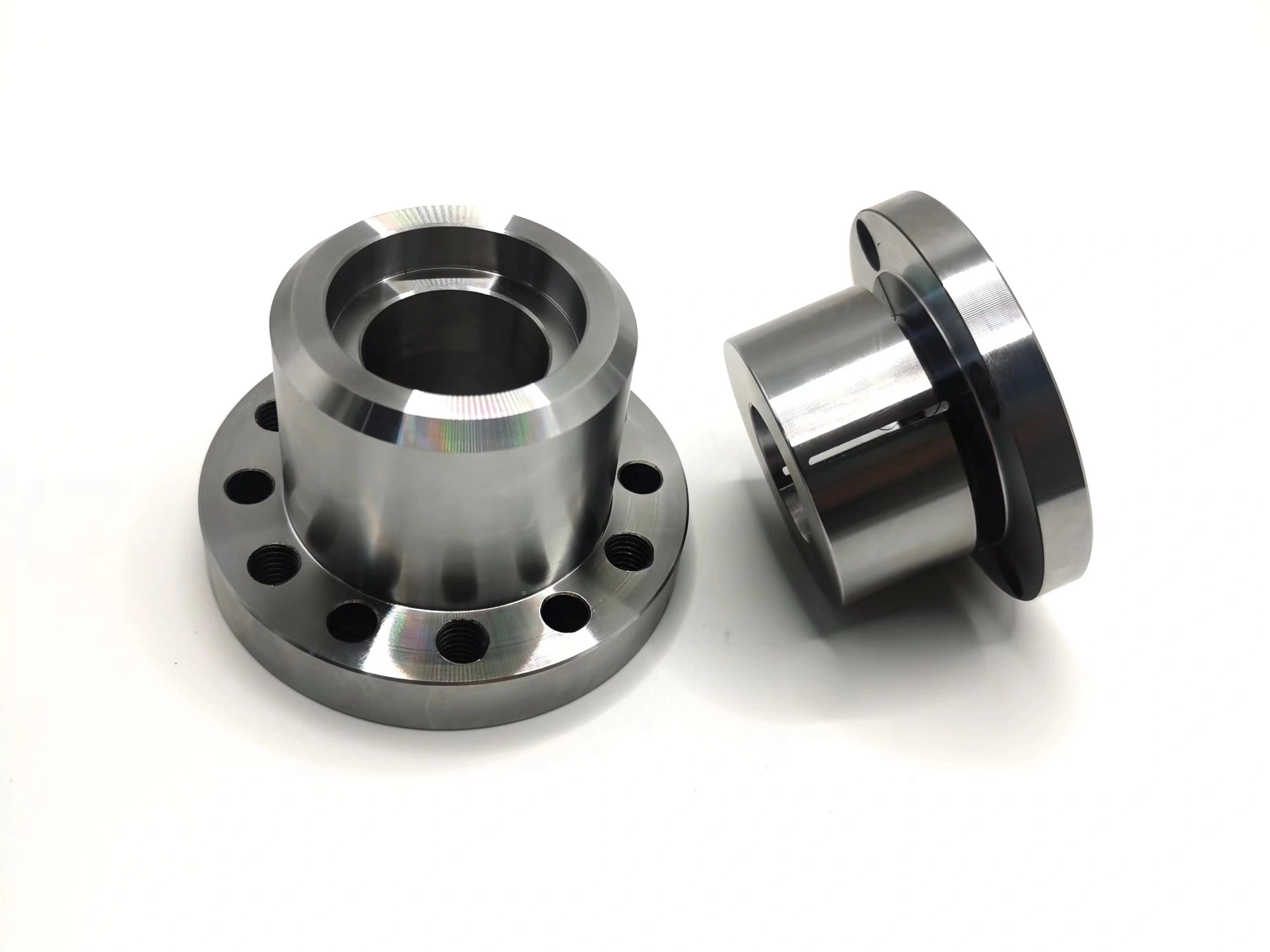
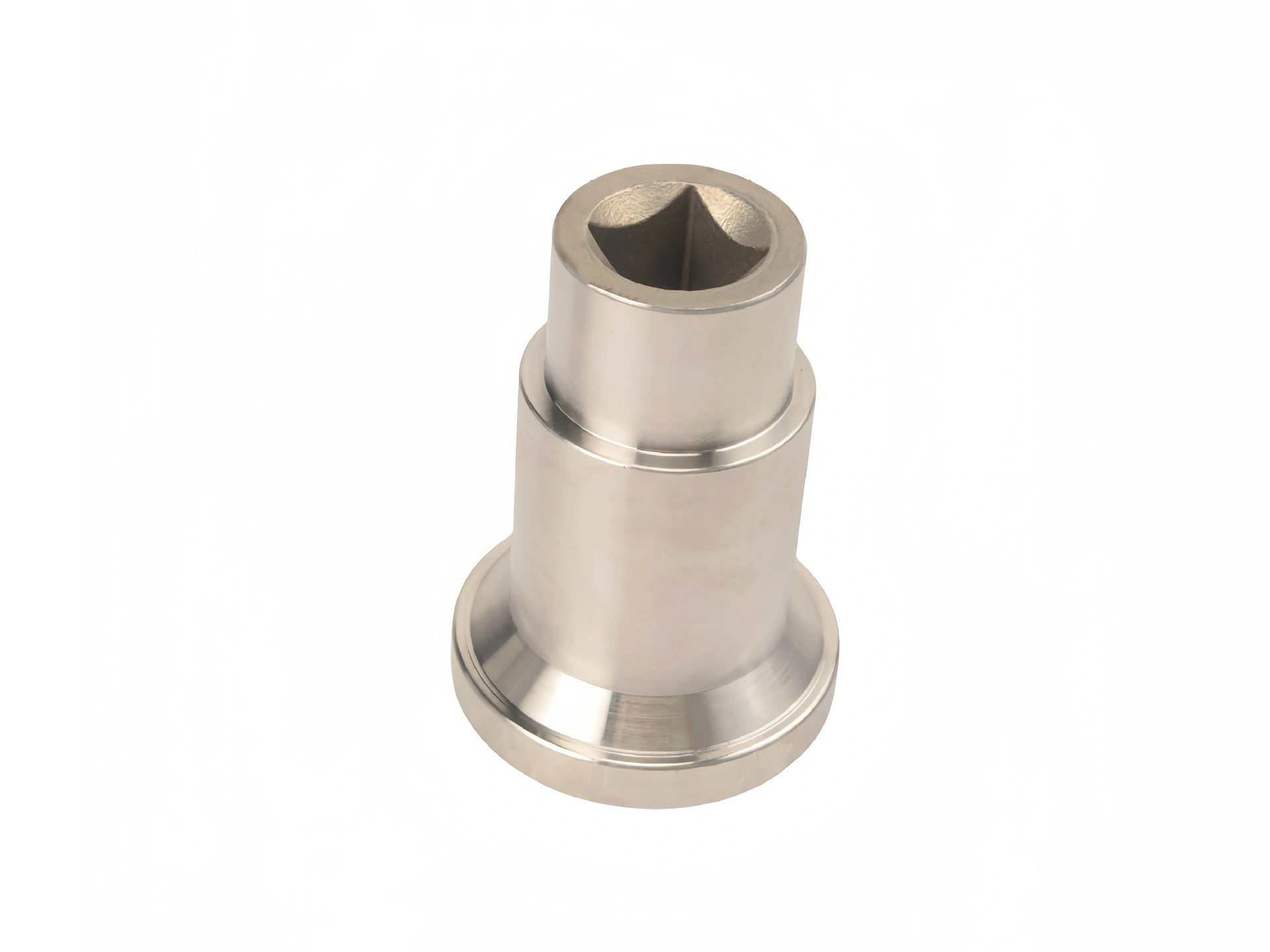
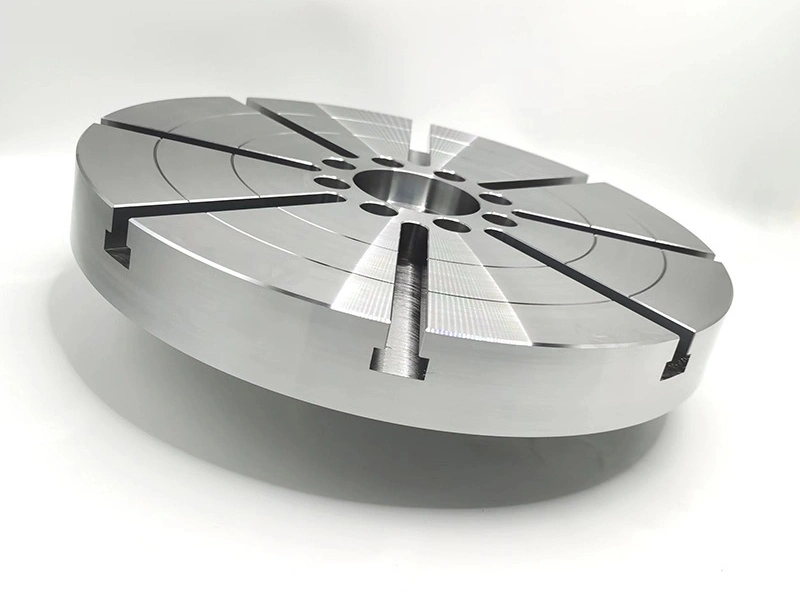
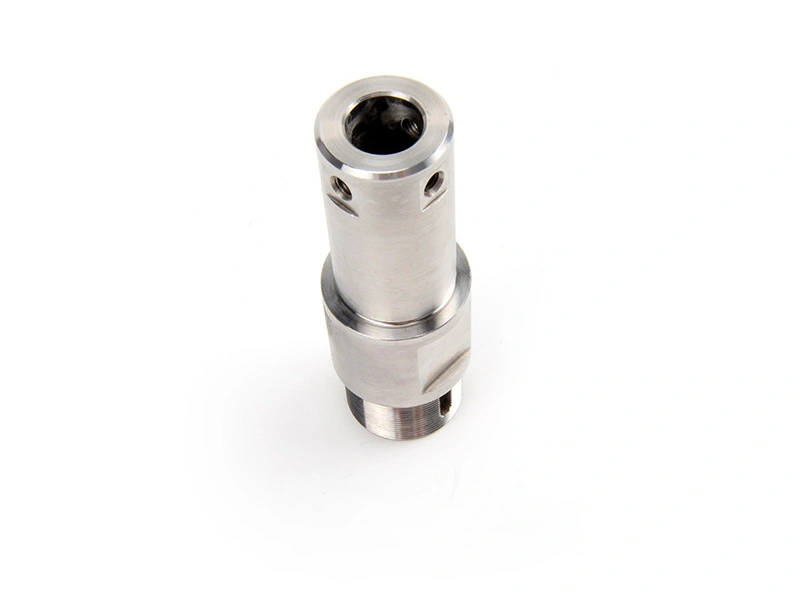
For machined parts, CNC machining prototyping can shorten the path from a CAD assumption to a measured part. It is useful for checking datums, wall behavior, tool access, material response, and assembly fit before a repeat route is released. The prototype result still needs a documented baseline before it becomes a supply instruction.
Before transfer, compare the prototype setup with the intended low-volume route. Confirm the drawing revision, material state, fixture or datum scheme, finishing sequence, inspection access, and outside-process final state. If any of these changes, the affected function or critical feature needs re-verification; adding more units alone does not close the transfer risk.
6. Choose Prototyping for Open Questions and Low Volume for Controlled Supply
Choose prototyping when fit, function, material behavior, or manufacturability is still changing. Choose low volume manufacturing when the primary design and acceptance method are stable enough to repeat, but demand, service usage, or the next process still needs evidence. The decision should follow the unresolved question, not a supplier's generic quantity label.
For procurement, release the next stage only when the owner of each open item is named. Ask for the revision, material grade and state, quantity ladder, critical-feature list, first-piece plan, inspection record, batch identity, outside-process responsibility, deviation authority, and change re-verification rule. These inputs make a prototype-to-supply decision auditable.
7. Move Stages Only After the Evidence Gate Passes
The main difference between prototyping and a low volume manufacturing service is the decision being supported. Prototyping proves or changes a design; low volume manufacturing proves controlled repeat supply from a released baseline. The transition is justified only when first-piece, critical-feature, material/lot, final-state, and change-control evidence match the buyer's acceptance plan.
For buyers, the next action is specific: keep prototyping while a design question remains open, or issue a low-volume RFQ when the baseline is released and repeat delivery is the goal. In either case, CNC machining prototyping should feed documented evidence into the next stage rather than serve as an unexamined qualification claim.