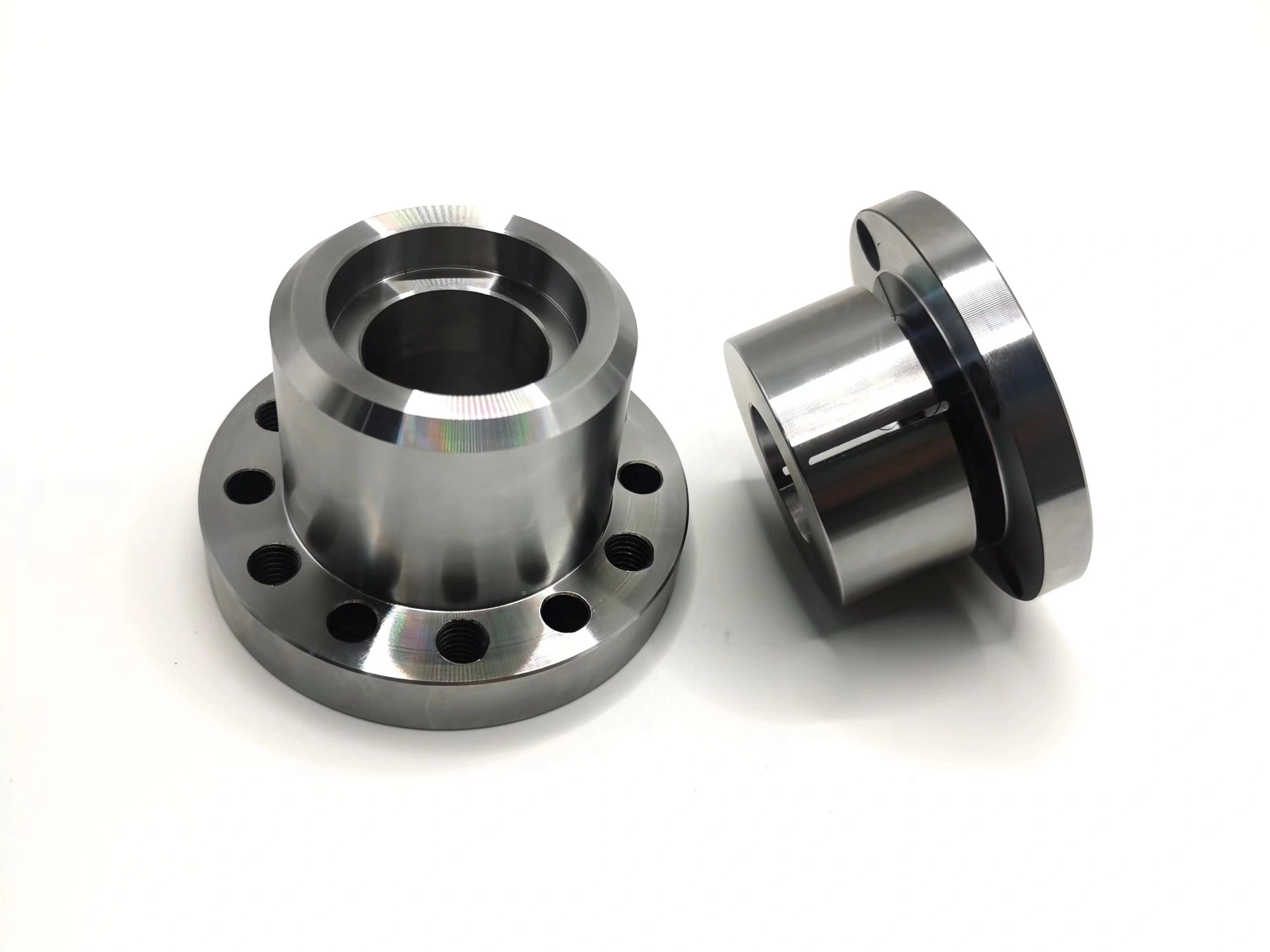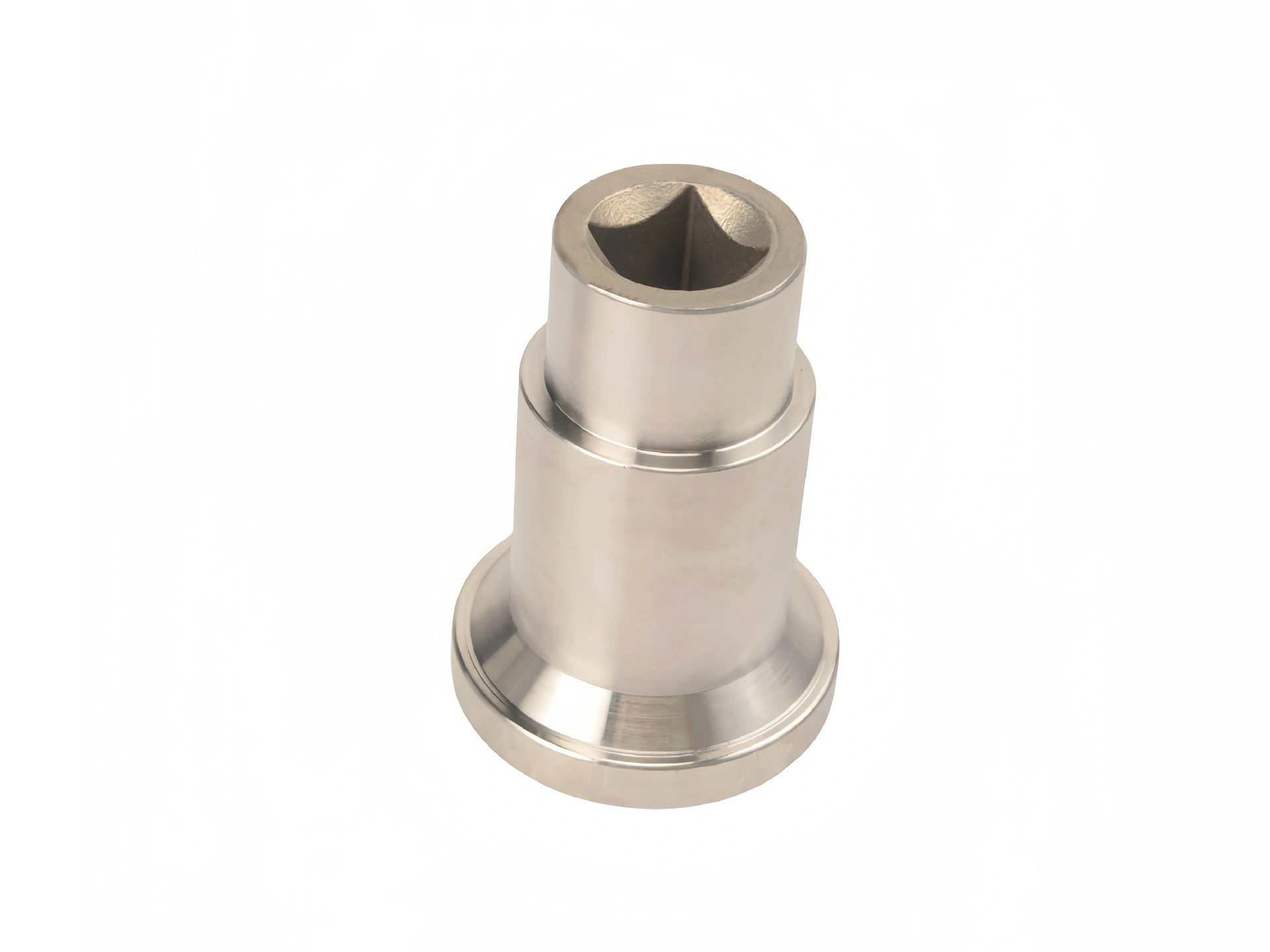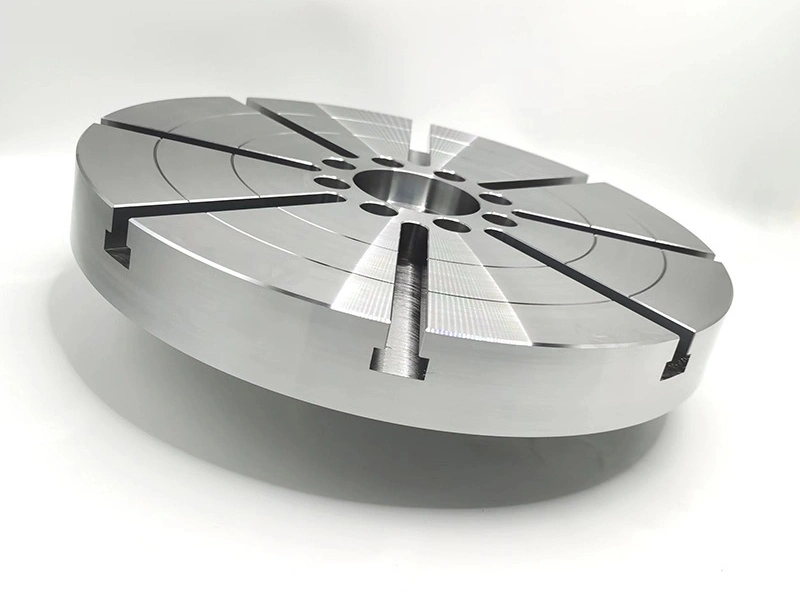
How Do Suppliers Control Cost and Quality in Low Volume Manufacturing?
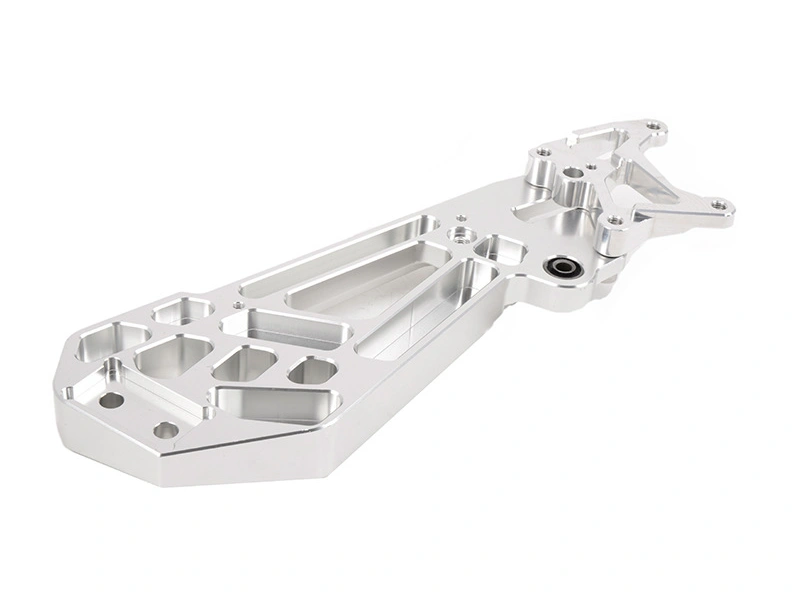
How Do Suppliers Control Cost and Quality in Low Volume Manufacturing?
In low volume manufacturing, suppliers control cost and quality by stabilizing setup, material, tool life, and inspection before a batch runs. This works when the drawing identifies critical features and the supplier approves a first piece, monitors drift, and records batch evidence. It fails when revisions, material condition, or deviation authority are unclear, so the RFQ must define those inputs.
Low volume does not mean relaxed acceptance. Setup and inspection labor are spread across fewer parts, while one scrap or rework event can erase a unit-price saving. A sound quote separates recurring piece cost from programming, fixtures, first-piece inspection, and batch verification, then shows which evidence closes each risk.
1. DFM Helps Control Cost Before Machining Begins
Design for manufacturability controls cost before cutting by removing features that add time without functional value. In a small batch, setup and engineering effort occupy more of total cost, so unnecessary tight tolerances, deep pockets, thin walls, or poor tool access change the economics quickly.
A useful DFM review links each tolerance to a fit, seal, load, or inspection need and checks datum access and workholding. Relaxing a noncritical tolerance may shorten the route, while a controlled bore or interface protects function. The buyer approves any design change against the released drawing before programming.
Control Area | How Suppliers Use It | Main Benefit |
|---|---|---|
DFM review | Link tolerances, datum access, and feature depth to function | Removes avoidable setup and machining cost |
Process review | Define route, workholding, tool sequence, and inspection points | Improves repeatability and exposes risk early |
Material utilization | Match stock size and machining strategy to finished geometry | Reduces material waste and cutting time |
First article inspection | Approve the setup using critical dimensions and fit evidence | Stops a setup error before the batch |
In-process control | Track tool wear and key dimensions during the run | Limits drift, scrap, and corrective rework |
2. Process Review Controls Both Risk and Repeatability
Process review turns an approved drawing into a repeatable route from raw stock to inspected part. The supplier defines datums, setup sequence, fixture contact, tool reach, coolant, deburring, and measurement points before machining. These decisions matter in a short run because a second setup or unstable clamp can consume the margin.
Tool life belongs in this review. A cutter acceptable for one first piece may produce burrs or size drift later. Recording tool condition, offsets, and inspection interval gives the operator a correction point before defects spread.
3. Material Utilization Matters Because Small Batches Can Still Carry High Material Waste
Material planning controls raw-material cost and machining behavior. The RFQ should state the grade, temper or heat-treatment condition, stock form, and heat-lot or certificate requirement. The right grade in the wrong condition can change cutting force, distortion, burr formation, and tool life.
Stock must allow cleanup and clamping, but excess stock increases removal time and waste. A near-net blank may suit an expensive alloy; a conservative blank may protect an unstable thin section. The supplier records material identity against the first piece and batch so substitution is visible before release.
4. First Article Inspection Is Critical Because Low Volume Does Not Leave Much Room for Repeated Errors
First-piece inspection is the gate between setup approval and batch production. It covers critical dimensions, datum relationships, surface condition, threads, bores, and fit features that control assembly. It proves that the released setup and measurement method can produce an acceptable starting condition, not that every later part is identical.
Batch evidence closes the remaining risk through in-process checks, tool-offset records, a final sample plan, and nonconformance records. A common failure mode is measuring the first part, continuing with a worn tool, and finding drift only at final inspection. An agreed check interval and named disposition authority prevent that failure.
Cost Source | Why It Matters in Low Volume | How Suppliers Reduce It |
|---|---|---|
Setup time | Fewer parts carry programming, fixturing, and approval labor | Freeze route and datum logic before the run |
Material and tool wear | Grade, stock yield, and cutter life change cycle cost | Verify material state and set a tool-check interval |
Inspection effort | Critical features may need more evidence than quantity suggests | Agree first-piece and batch records in the RFQ |
Rework and scrap | One missed drift can consume much of a small lot | Use in-process checks and clear deviation authority |
5. In-Process Control Proves That Low Volume Does Not Mean Low Quality
In-process control protects a low volume manufacturing batch after first-piece approval. The operator checks features likely to drift, such as a bore affected by tool wear, a thin wall affected by clamping, or a datum affected by chips. The result, tool offset, and part reference create traceable batch evidence.
This separates controlled production from sample making. If a reading approaches the limit, the supplier can stop, adjust, and recheck before several parts become scrap. The RFQ should state whether the buyer accepts a defined deviation, requires rework, or requires replacement.
6. Low Volume Cost Is Not Only About Unit Price. It Is About Total Waste
Unit price is only one part of low-volume cost. Total cost includes engineering review, programming, fixtures, material loss, tool consumption, inspection labor, rework, scrap, packaging, and delay from an unresolved deviation. A lower piece price is expensive when it hides a weak setup or excludes acceptance evidence.
Ask for one-time and recurring charges, assumed material condition, inspection scope, and the event that starts the delivery clock. Comparing those assumptions is fairer than comparing isolated piece prices.
7. Quality Control and Cost Control Work Together, Not Against Each Other
Quality controls reduce cost when placed where a failure can still be corrected. DFM reduces avoidable cutting, first-piece approval protects the setup, and in-process checks limit tool-wear drift. The supplier and buyer must also decide who approves a deviation, who owns an outside process, and when a changed condition requires re-verification.
Put those responsibilities in the RFQ or purchase specification. Include drawing revision, material lot, critical features, inspection records, allowable deviation, and change-notification rules. This release boundary prevents a verbal decision from becoming an undocumented batch change.
8. Summary
Suppliers control cost and quality in low volume manufacturing by connecting DFM, setup planning, material identity, tool-life checks, first-piece approval, and batch evidence. The method suits a released design with defined critical features, inspection records, and deviation authority. It cannot solve an unstable design or unknown material condition.
Send the released drawing, revision, material grade and condition, quantity, critical dimensions, surface requirements, inspection expectations, and outside-process responsibilities. A disciplined CNC machining route can then be compared with prototype, low-volume, or scaled production using total cost and evidence, not unit price alone.