Which Materials Are Most Common for CNC Machined Parts?
Which Materials Are Most Common for CNC Machined Parts?
Common materials for CNC machined parts include aluminum, stainless steel, brass, titanium, carbon steel, and engineering plastics such as POM, nylon, and PEEK. These names identify material families, not interchangeable specifications. Suitability depends on exact grade and condition, stock form, load, temperature, chemicals, electrical function, finish, and acceptance method. The RFQ should state those inputs before a supplier chooses stock or machining parameters.
Start with the service condition and the failure that must be prevented. Low mass may point to aluminum, wet or cleaning service to a suitable stainless grade, and electrical or threaded fittings to a specified brass. Titanium needs a performance reason that offsets machining difficulty, while carbon steel needs a corrosion and heat-treatment plan. Engineering plastics require temperature, moisture, creep, and chemical checks. A supplier's ability to cut a material does not prove that the material will perform in the product.
1. Aluminum Choices Start with Temper, Load, and Finish
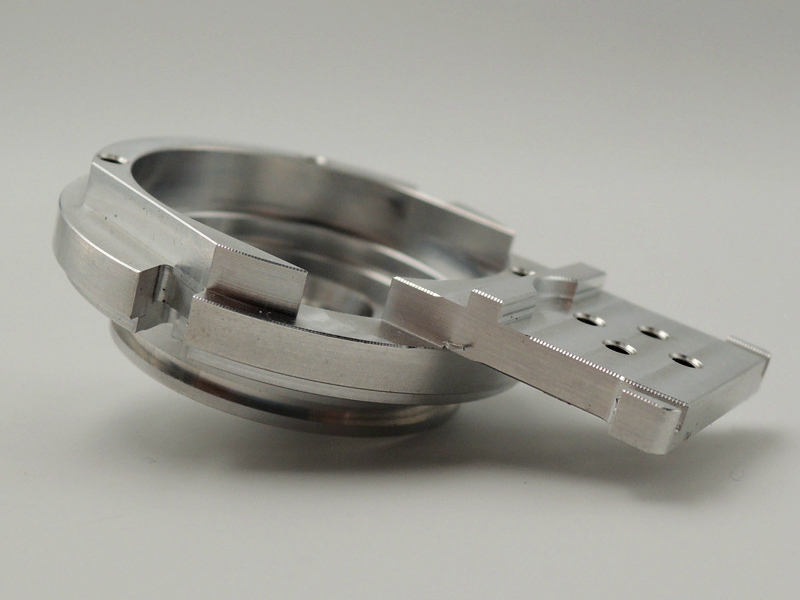
Aluminum is common for housings, brackets, frames, and thermal components because it combines low density, useful conductivity, corrosion resistance in many environments, and efficient machining. Grade and temper still control the decision. 6061-T6 is a frequent general-purpose starting point, while 7075-T6 may suit higher strength requirements. Neither designation proves suitability for a specific fatigue load, temperature, joining route, or corrosive exposure.
Thin aluminum walls can move after roughing or unclamping, and anodizing can change critical dimensions or cosmetic appearance. The drawing should identify the alloy, temper, product form, coated condition, and surfaces that remain electrically conductive or dimensionally critical. Release evidence can include the material certificate, finished-state dimensional inspection, coating records when required, and assembly or thermal testing tied to the part's function.
Material Family | Common Grade or Condition Examples | Stop and Review Before Selection |
|---|---|---|
6061-T6 or 7075-T6 in a specified stock form | High load, wear, temperature, coating, or severe corrosion | |
304, 316L, 303, or 17-4 PH in a stated condition | Chlorides, galling, hardness, passivation, or pressure service | |
C36000 or a specified lead-free alloy | Potable water, lead limits, dezincification, or fluid compatibility | |
Grade 2 or Grade 5 Ti-6Al-4V with condition defined | Surface integrity, galling, fatigue, or regulated use | |
1018 or 1045 with product form and condition stated | Corrosion, welding, final hardness, or heat-treatment sequence |
2. Stainless Steel Grade and Service Environment Must Match
Stainless steel is common when moisture, cleaning, chemicals, wear, or strength rules out a general aluminum choice. The family contains different tradeoffs. 304 is a common austenitic grade, 316L adds molybdenum for improved resistance in some chloride environments, 303 improves machinability by composition changes, and 17-4 PH obtains properties through a specified heat-treatment condition. One generic "stainless" callout cannot control corrosion behavior, hardness, or machining response.
Work hardening, heat concentration, burrs, and thread galling can affect stainless parts during machining and assembly. In oil and gas support work, the required grade may also depend on the fluid, pressure boundary, temperature, chloride level, or H2S exposure. The RFQ should identify the environment, grade, condition, passivation or coating requirement, mating materials, and evidence needed after finishing. A corrosion-resistant family name is not a service-life guarantee.
3. Brass Selection Must Include Composition and Regulatory Limits
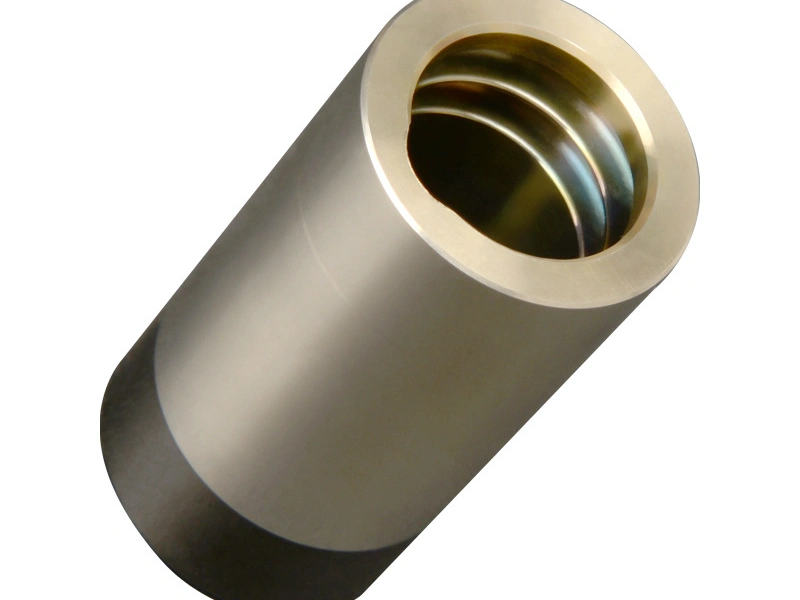
Brass is common for fittings, connectors, terminals, valve components, and decorative-functional hardware because selected grades machine efficiently and can provide useful conductivity, thread quality, and corrosion behavior. C36000 is a well-known free-cutting grade, but its lead content makes it unsuitable where a product specification or regulation requires a lead-free composition. Brass is a family of copper-zinc alloys, not one universal material.
The wrong brass can pass dimensional inspection and still fail a composition, potable-water, fluid-compatibility, pressure, or dezincification requirement. The purchase specification should define the alloy designation, product standard, lead restriction when applicable, plating, mating thread, pressure or leakage test, and certificate requirements. A material certificate supports heat or lot identity; the finished part still needs the dimensional and functional checks required by its interface.
4. Titanium Requires a Grade-Specific Performance Case
Titanium is common in selected aerospace, medical, chemical, and high-performance parts where corrosion resistance or specific strength justifies a more demanding machining route. Grade 2 commercially pure titanium and Grade 5 Ti-6Al-4V serve different property needs. The grade, condition, product form, surface requirement, and governing material specification must be explicit. A titanium family name does not establish biocompatibility, fatigue performance, or regulatory approval.
Titanium retains cutting heat near the tool and can gall at interfaces, so tool condition, cutting strategy, coolant control, burr removal, and surface handling matter. Validation may require traceable material documentation, finished dimensions, surface criteria, and application-specific testing. Select titanium only after confirming that aluminum, stainless steel, or another route cannot meet the required load, environment, mass, and lifecycle decision more efficiently.
Buyer Priority | Starting Material Direction | Evidence Required Before Release |
|---|---|---|
Low mass with general structural duty | 6061-T6 aluminum as an initial screen | Load, finish, thermal, and final-dimension verification |
Wet, cleaning, or corrosive exposure | Service-specific stainless grade | Media, temperature, grade, condition, and corrosion review |
Threads, conductivity, or efficient small features | Specified brass grade | Composition limits, certificate, thread, and fluid checks |
High specific strength or selected chemical service | Grade 2 or Grade 5 titanium after screening | Material condition, surface integrity, and functional test |
Strength and cost in controlled service | Specified carbon steel grade | Heat treatment, hardness, coating, and corrosion plan |
5. Carbon Steel Depends on Heat Treatment and Corrosion Control
Carbon steel is common for shafts, fixtures, brackets, machine components, and structural hardware where strength, wear planning, and material cost matter more than low mass or inherent corrosion resistance. 1018 and 1045 are familiar examples, but product form, cold-worked or hot-rolled condition, chemistry, and heat treatment alter machining behavior and final properties. The drawing must specify more than "mild steel" or "carbon steel."
Heat treatment after rough machining can move a part, and a coating can change threads, fits, or grounding surfaces. The process route should reserve finishing stock where needed, identify the final hardness and test method, and define coating masks or post-coating dimensions. Material certification, hardness results, finished-state inspection, and corrosion protection are separate controls. None can substitute for the others.
6. Select the Material from Service Conditions, Then Validate the State
Two identical geometries may need different materials because they face different loads, temperatures, chemicals, cleaning cycles, wear, electrical functions, or regulatory rules. Begin with the non-negotiable service requirements. Then compare mass, stock availability, machining risk, joining, finish, inspection, and lifecycle cost. This order prevents an easily machined grade from being chosen before the product environment is understood.
Evidence must match the question. A material certificate documents reported heat or lot information against the purchase specification. Positive material identification can help verify supported alloying elements when mix-up risk warrants it, but it does not prove temper, heat treatment, all mechanical properties, or finished-part function. Inspection and application testing must verify the remaining risks. The RFQ should state which records are required and how acceptance will be decided.
7. Severe Service and Engineering Plastics Need Separate Screening
Demanding oil and gas service shows why a family name is insufficient. If equipment will contact H2S-containing production fluids, ISO 15156 or NACE MR0175 may impose environment, material, hardness, and heat-treatment limits. Those requirements apply only within their stated scope and project specification. Pressure, temperature, chlorides, welding, sealing, and inspection can change the decision, so a generic stainless or carbon steel selection is not enough.
Engineering plastics are also common CNC materials. POM can suit stable low-friction components, nylon can serve wear applications, and PEEK can address selected high-temperature or chemical duties. Exact grade, fillers, moisture conditioning, creep, thermal expansion, and machining heat affect the result. Plastic stock can move under clamping or after material removal, so dimensions must be checked in the specified condition and environment.
8. Put the Exact Material Decision into the RFQ
Aluminum, stainless steel, brass, titanium, carbon steel, and engineering plastics are common because they cover different combinations of mass, strength, corrosion, conductivity, wear, temperature, and cost. No family is automatically best. Aluminum often starts a lightweight design; stainless grades address selected corrosion duties; brass serves many threaded or conductive interfaces; titanium needs a high-performance case; carbon steel needs heat-treatment and corrosion controls; plastics need temperature, moisture, and creep screening.
A production-ready material callout includes the exact grade or alloy, temper or heat-treatment condition, product form, applicable material standard, finish, service environment, certificate or identification evidence, and any regulatory limit. Add the drawing revision, quantity stages, critical interfaces, and functional tests to the RFQ. That information lets the supplier plan CNC machining around the material's real condition instead of quoting from an ambiguous family name.