What Types of Components Are Included in CNC Medical Parts Manufacturing?
What Types of Components Are Included in CNC Medical Parts Manufacturing?
CNC medical parts manufacturing includes surgical instrument components, device housings, motion and fluid-control parts, alignment hardware, test fixtures, production tooling, and selected implant-related or patient-contact components when the approved design and supplier scope permit them. CNC machining is appropriate when accessible geometry, controlled material, datum relationships, edge condition, surface requirements, cleanliness state, and inspection evidence can be achieved through a documented route. Buyers should identify the component's function and contact category before applying medical requirements.
A part name does not determine its regulatory or manufacturing controls. A sleeve can be a non-contact assembly spacer, a reusable surgical guide, a fluid-path component, or an implantable feature, and each use creates a different risk and evidence package. The device manufacturer should define patient or fluid contact, duration, sterile-barrier relevance, load or motion function, cleaning and sterilization boundary, and design responsibility in the RFQ. The machining supplier can then plan the specified material, processes, verification, traceability, and delivered condition without guessing the device classification.
1. Surgical Instrument Components Combine Interfaces and Handling Surfaces
Surgical instrument components can include handles, shafts, jaws, clamps, sleeves, holders, drive features, and internal linkages. Their critical requirements may involve alignment, controlled motion, gripping geometry, torque transfer, edge condition, or access for cleaning. Reusable instruments can also have material, passivation, surface, marking, and reprocessing requirements defined by the approved device design.
CNC suitability depends on the actual feature chain. A shaft diameter can control sliding fit, while a jaw pair depends on pivot location and matched contact. Burrs, sharp unintended edges, deep crevices, or tool marks in a cleaning-sensitive zone can matter even when overall dimensions conform. The RFQ should identify functional interfaces and the state in which surfaces and edges are accepted.
Component Family | Typical Function | Buyer Confirmation Before Quotation |
|---|---|---|
Instrument mechanisms | Grip, cut, hold, rotate, guide, or transmit motion | Define mating parts, loads, edge intent, reusable cleaning, finish, and inspection state |
Patient-contact or implant-related components | Contact tissue or support an approved implant or procedure | State contact type and duration, approved material, surface, traceability, and validated downstream responsibilities |
Device housings and frames | Protect and locate sensors, optics, electronics, drives, or fluid modules | Identify sealing, datum, cleanliness, grounding, appearance, and assembly-interface requirements |
Fixtures and manufacturing accessories | Locate, test, calibrate, assemble, or inspect device components | Separate tooling requirements from finished-device claims and define calibration or verification needs |
2. Implant-Related and Patient-Contact Parts Need Explicit Scope
Implant-related CNC work can include an implant, a component attached to an implant, a surgical guide, delivery tooling, trial hardware, or a non-implant support fixture. These categories are not interchangeable. Material biocompatibility, surface processing, contamination control, traceability, packaging, and validation obligations depend on the intended use and approved risk management file.
ISO 10993 biological evaluation concepts apply only under the relevant patient-contact conditions and device plan; a material name or machining process does not make a part biocompatible by itself. Buyers should provide the released material and surface specifications, contact classification, prohibited residues, special-process sources, and acceptance evidence. The supplier should not infer implant status from words such as guide, fixation, or sleeve.
3. Housings and Frames Control More Than External Shape
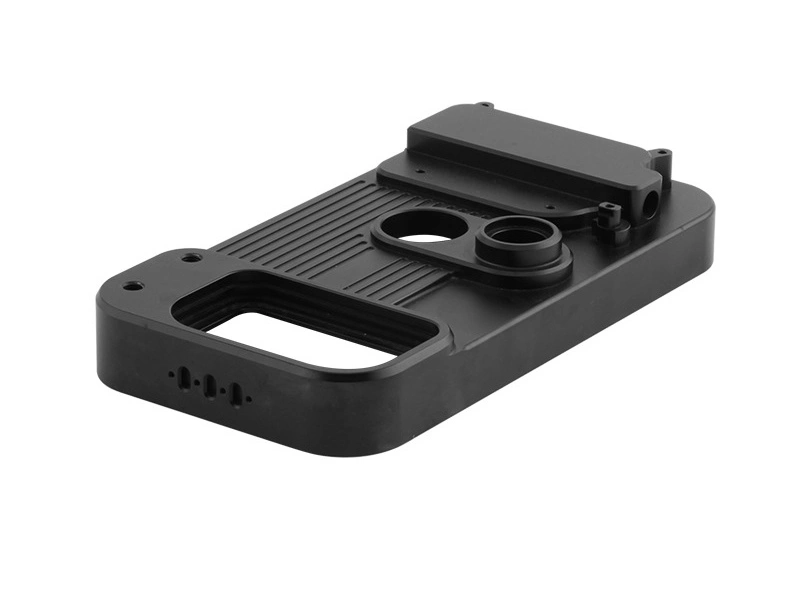
Medical device housings, frames, covers, and sensor bodies locate internal electronics, optics, motors, seals, connectors, or fluid modules. Functional risks often sit in bore alignment, mounting datums, sealing faces, cable openings, thermal interfaces, and wall stability rather than the external profile. A housing can meet size dimensions yet fail assembly if related features are measured from the wrong datum.
Cleanability and appearance require separate definitions. A smooth visible surface does not prove that an internal crevice, blind hole, or threaded area can be cleaned to the required state. Specify surface texture where functional, cosmetic criteria where visual, and cleaning or residue acceptance where required. Final inspection should follow dimension-changing coating, passivation, or other finishing when the drawing requires delivered-state conformity.
4. Motion, Fluid, and Alignment Parts Carry System-Level Risk
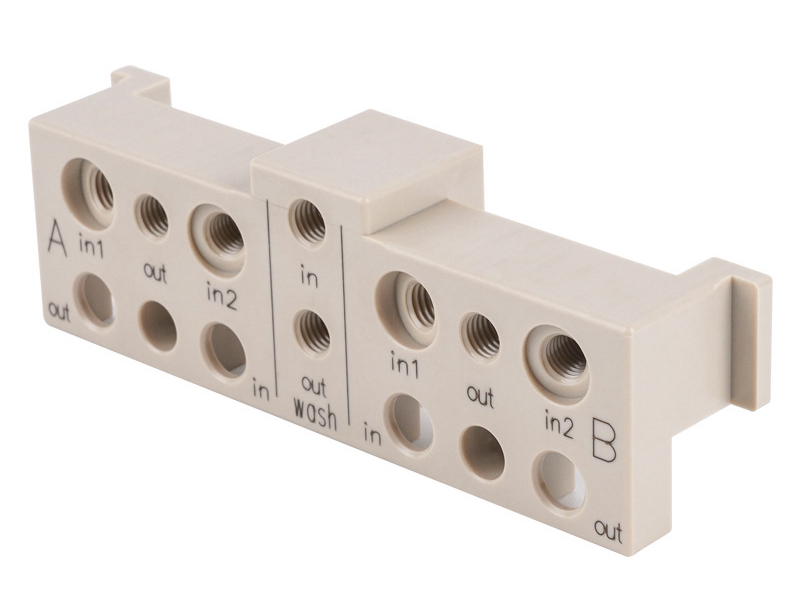
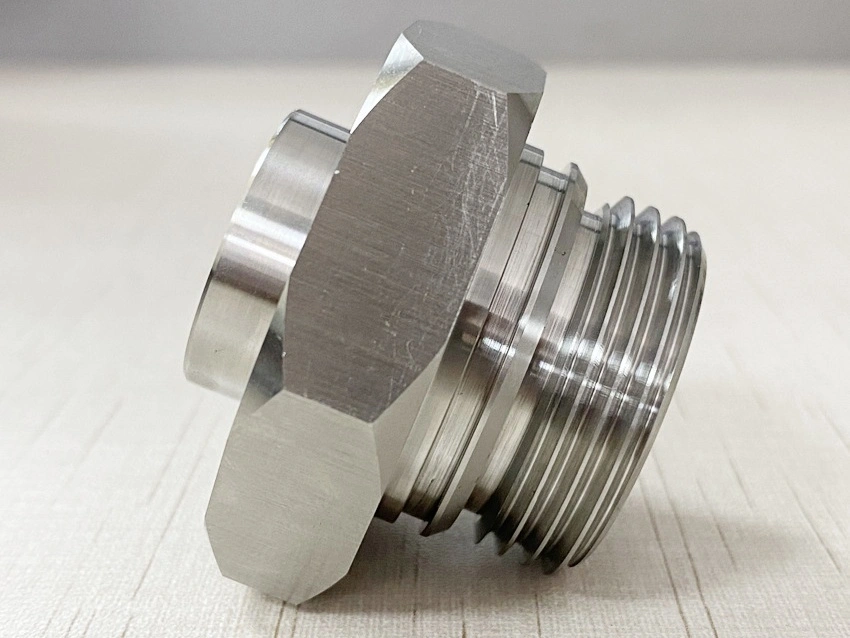
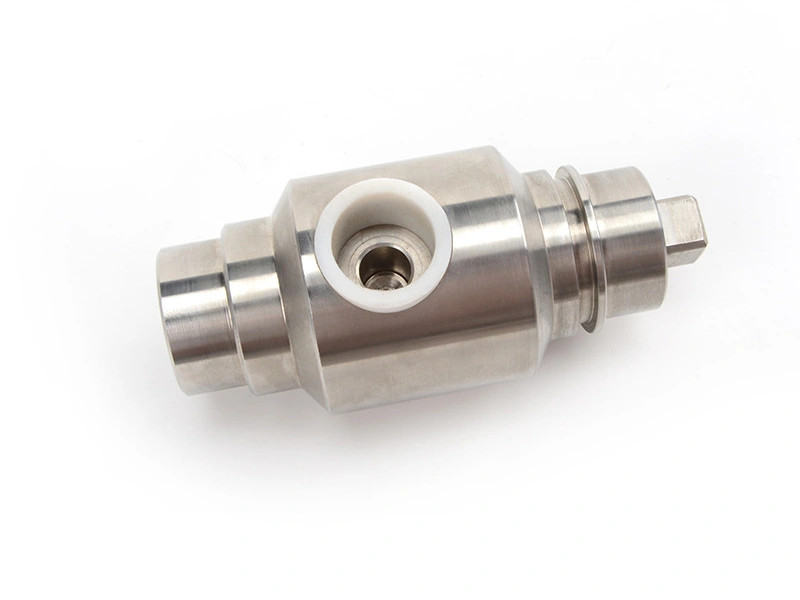
Pins, shafts, bushings, manifolds, valves, nozzles, connectors, spacers, brackets, and alignment blocks can be small but functionally critical. They may control motion, fluid containment, sensor position, calibration, or assembly stack-up. Feature relationships, thread condition, burr control, leakage paths, and material compatibility can matter more than overall size.
These parts should be grouped by shared risk and process, not only by similar appearance. A fluid-path fitting may need different cleaning, dead-volume, and leak-test controls from a dry alignment pin. A matched shaft and bore can benefit from coordinated tolerance review and inspection. The buyer should identify mating components and acceptance tests so the supplier can quote the complete functional requirement.
Classification Question | Manufacturing or Quality Risk | Required RFQ Action |
|---|---|---|
Does the part contact a patient, fluid path, or sterile barrier? | Wrong material, residue, surface, packaging, or traceability scope | State contact category, duration, approved specifications, and delivered cleanliness condition |
Does the part transfer load, motion, torque, or alignment? | Datum, fit, wear surface, or tolerance stack does not protect function | Identify critical interfaces, mating parts, loads, inspection method, and acceptance test |
Will finishing or cleaning change the accepted state? | Bore, thread, edge, surface, or residue result changes after machining inspection | Define process sequence, allowances, masking, final inspection, and who validates cleaning |
Is the item device hardware or production tooling? | Device claims or documentation are incorrectly applied to a fixture | Define tooling purpose, calibration, verification, identification, and change-control requirements |
5. Shared Controls Depend on the Intended Use
Many medical CNC parts require controlled datums, repeatable interfaces, deliberate edge condition, suitable surfaces, material identity, and documented inspection. Compact geometry can increase tool-access, deburring, and measurement difficulty. Those needs do not create one universal “medical tolerance” or finish. The drawing and device risk analysis must identify what is critical and why.
Secondary processing should solve a defined requirement. CNC grinding can refine selected diameters, roundness, geometry, or surfaces when the design and process plan require it, but it is not automatically superior to a machined result. The supplier should verify that grinding access, thermal effect, allowance, cleaning, and final measurement suit the feature.
6. Repeatability Must Include Process and Evidence
Repeatability means more than producing similar dimensions. The accepted material source, program and setup revision, special processes, cleaning state, inspection method, and traceability must remain controlled across the lot. A one-piece result cannot establish repeat production when the later route changes a fixture, processor, stock condition, or datum alignment that affects a critical characteristic.
A representative first piece or first article can confirm the planned route, depending on contract requirements. In-process checks should then detect tool wear, burr change, thermal drift, or fixture movement before an entire lot is affected. The reaction plan should identify containment, correction, reinspection, and approval responsibilities rather than rely on final inspection to discover every problem.
7. Scope the RFQ Around Function and Delivered State
A useful medical CNC RFQ includes the device stage, part number and revision, model and drawing precedence, intended function, contact category, material and condition, quantity by release, critical interfaces, datums, edge and surface requirements, special processes, cleaning state, inspection outputs, traceability, packaging, and change-notification rules. It should state which responsibilities remain with the legal manufacturer or downstream validated processor.
ISO 13485 quality management certification can be relevant to supplier selection within its certified scope, while ISO 14971 risk management belongs to the device risk process. Neither standard certifies an individual machined part. Buyers should request the specific evidence needed for the ordered component and verify how the supplier's controls connect to the approved device requirements.
8. Classify the Component Before Selecting the Process
CNC medical parts include instrument mechanisms, patient-contact or implant-related components, device housings, motion and fluid parts, alignment hardware, fixtures, and production accessories. The same geometry can require different controls depending on contact, function, cleaning, sterilization, packaging, and design responsibility. Component classification therefore comes before material, finishing, inspection, and supplier decisions.
Use CNC machining within the approved medical device design and quality plan, and apply grinding only where a specified feature benefits from that route. Give the supplier the function, configuration, contact boundary, delivered condition, and acceptance evidence so the quotation addresses the real medical component rather than a generic part name.