What Is the Difference Between Bronze and Brass in CNC Machining Performance and Use?
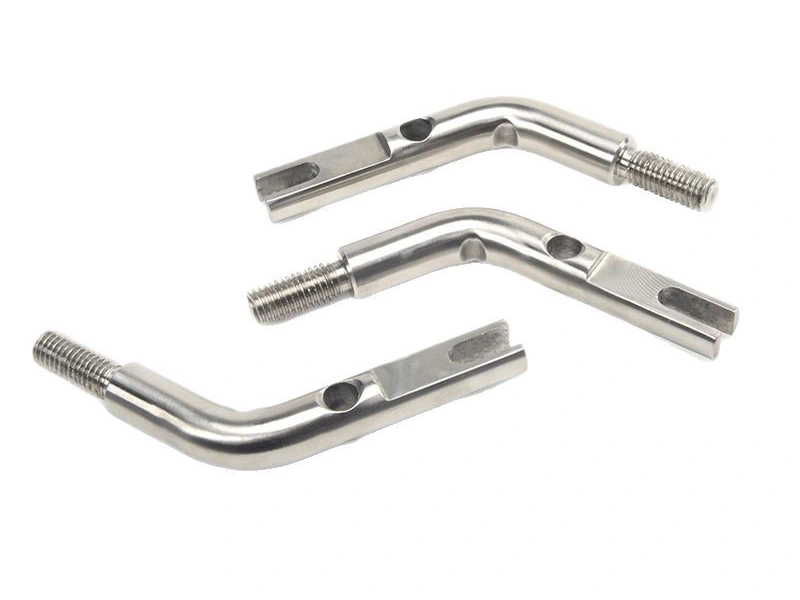
What Is the Difference Between Bronze and Brass in CNC Machining Performance and Use?
Bronze and brass differ in CNC machining according to the exact Unified Numbering System (UNS) grade and product form. The Copper Development Association (CDA) rates C36000 and C26000 brass at 100 and 30, while C93200, C95400, and C63000 bronze rate 70, 60, and 30. These values screen grades; they do not predict universal speeds, cycle times, or cost. Buyers should specify grade, form, function, environment, and validation before comparing them.
C36000 free-cutting rod can suit threaded connectors, while C26000 supports a different route when cold forming matters. A lubricated bearing may favor cast C93200; loaded salt-water equipment may direct review to wrought C63000. Components used in power generation also require duty-specific review. Comparing bronze CNC machining with brass machining services therefore requires certification, drawing requirements, a machining trial, and functional evidence.
1. Compare the UNS Grade and Product Form Before the Alloy Family
Brass covers copper-zinc alloys; bronze includes tin and aluminum bronze systems. Chemistry matters, but the UNS designation and product form set the useful purchasing boundary. C36000 rod, C26000 sheet or strip, C93200 cast bronze, and C63000 wrought bronze are different production inputs.
The purchase specification should name alloy and form because casting and wrought routes change section availability, allowance, traceability, and inspection. The material certificate documents the declared identity; it does not prove the machined part meets wear, corrosion, thread, or dimensional requirements.
Alloy family | Representative grade and product form | Decision impact |
|---|---|---|
Brass | C36000 free-cutting rod or bar; C26000 wrought sheet or strip | Review machining, forming, lead limits, conductivity, and certification by grade |
Bronze | C93200 and C95400 cast products; C63000 wrought product | Match bearing duty, load, environment, form, and inspection to the grade |
2. Grade-Specific Machinability Changes Chip Control, Tool Load, and Finish
CDA's rating system assigns C36000 a value of 100 and C26000 a value of 30. C93200, C95400, and C63000 rate 70, 60, and 30. This spread makes a family-level machining-speed claim unreliable.
Machinability ratings screen grades; they are not speeds, feeds, or quotations. Geometry, stock condition, tooling, workholding, coolant, and finish still control process planning. A trial or first article should verify chips, burrs, tool wear, threads, surface condition, and critical dimensions before release.
3. Bearing Performance Depends on the Complete Sliding Interface
C93200 is associated with bearings, bushings, and thrust washers, but grade alone does not establish service life. Clearance, counterface, lubrication, alignment, load, speed, contamination, and temperature form the bearing system. Incorrect clearance or a damaged counterface can defeat a suitable grade.
For a sleeve, define shaft condition, lubricant, load direction, duty cycle, temperature, and allowable wear. Inspect the finished bore and related datums after unclamping and secondary operations. Functional testing should represent the intended interface, not an isolated coupon.
4. Corrosion Selection Must Match the Fluid, Couple, and Regulatory Boundary
Bronze and brass do not have one corrosion result. Fluid chemistry, temperature, flow, galvanic contact, crevices, cleaners, and exposure change suitability. Lead restrictions may exclude C36000 or high-leaded C93200. Specify the actual medium and governing material limits.
Qualification should reproduce service and evaluate defined failure modes, such as section loss, dealloying, leakage, or dimensional change. The certificate records specified composition and form. Environmental testing, final inspection, and assembly evidence determine acceptability.
Decision condition | Brass route | Bronze route |
|---|---|---|
High-rate threaded connector | C36000 rod requires thread, seal, and lead-compliance evidence | Use bronze only for a documented service duty |
Cold-formed electrical connector | Base C26000 selection on formability and machining sequence | Consider bronze only when the duty supports it |
Lubricated replaceable bushing | Interface-test any brass candidate | Evaluate C93200 with clearance, shaft, lubricant, and wear evidence |
Loaded wear component | Easy machining does not establish functional suitability | Assess C95400 against load, counterface, and lubrication |
Loaded salt-water component | Qualify brass for fluid and galvanic exposure | Require environmental and mechanical evidence for wrought C63000 |
Lead-restricted application | Confirm C36000 composition against the governing requirement | Review high-leaded C93200 compliance before function |
5. C36000 and C26000 Support Different Brass Manufacturing Routes
C36000 has CDA's 100 rating; listed uses include fittings, fluid connectors, sensor bodies, and threaded inserts. ASTM International B16/B16M covers free-cutting brass rod, bar, and shapes for screw-machine use. The standard does not certify a finished thread, seal, surface, or dimension.
C26000 rates 30 and has Excellent cold-work capacity in CDA data; electrical connectors are a listed use. Formed C26000 and turned C36000 solve different production problems. Quote by grade, incoming form, forming sequence, machined features, and final criteria.
6. C93200, C95400, and C63000 Define Different Bronze Routes
C93200 is cast high-leaded tin bronze for bearing-related components. C95400 is cast aluminum bronze for higher-strength wear duties; C63000 is wrought nickel aluminum bronze for loaded, wear, and salt-water applications. They are separate candidates, not a universal ranking.
The request for quotation (RFQ) should name casting, bar, plate, or another approved form, plus stock allowance and certification needs. Machining and inspection should address the selected form's geometry and final surfaces without borrowing assumptions from another bronze grade.
7. Compare Total Installed Cost, Not Material or Cycle Time Alone
Total-cost comparison includes stock, yield, machining, tools, setups, deburring, secondary work, inspection, scrap, assembly risk, maintenance, and replacement. C36000 may cut efficiently for a threaded connector; that advantage does not decide the lowest-cost material for a sliding interface.
For a replaceable-sleeve engineering scenario, quote the same controlled geometry in qualified brass and bronze. Compare first-article machining evidence with interface testing. Release a route only after bore condition, shaft risk, wear result, replacement assumptions, and material compliance are documented.
8. Build the RFQ Around Comparable Grades and Release Evidence
The RFQ should name UNS grade, condition, form, certification, volume, geometry, datums, tolerances, surface requirements, and secondary operations. It should also identify fluid, temperature, load, motion, counterface, lubrication, electrical duty, and regulatory limits.
First-article inspection should check released-state dimensions, threads, burrs, surface condition, and material identity. Add clearance, wear, leakage, corrosion, conductivity, or assembly tests only when function requires them. One documented acceptance plan makes both candidates comparable.
9. Select the Grade That Passes the Part-Specific Acceptance Plan
Bronze and brass have no universal machining or application winner. These five grades show that machinability and production route vary within both families. Select the exact grade and form that meet the drawing, service duty, regulatory boundary, validation plan, and total-cost target.
When comparing bronze CNC machining with brass machining services, procurement should request matched evidence. The supplier certificate documents material identity, first-article inspection verifies the machined state, and function-specific testing verifies service suitability. These records support a clear release decision.