What Is Custom Medical CNC Machining and When Is It Needed for Specialized Devices?
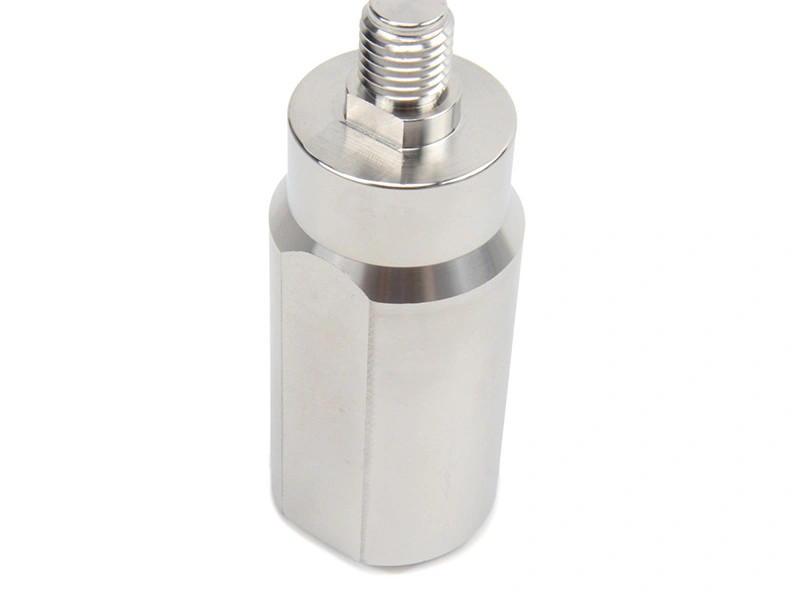
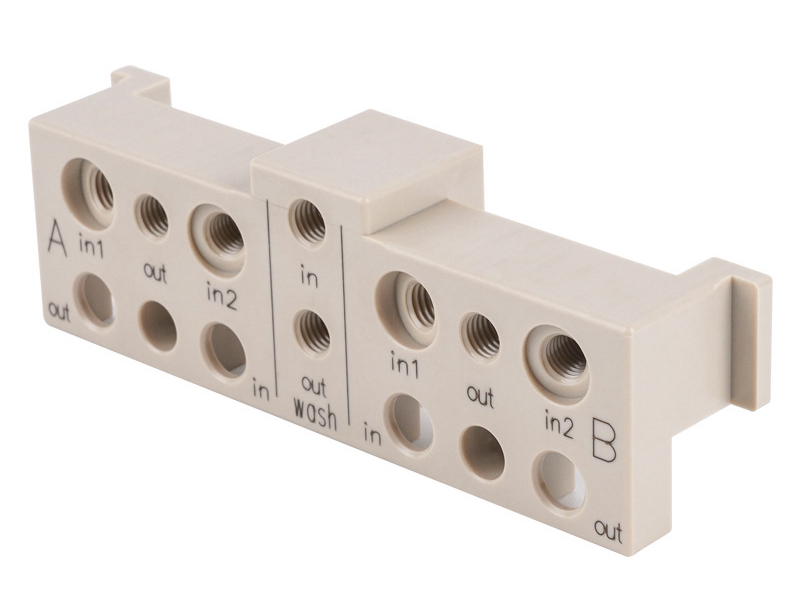
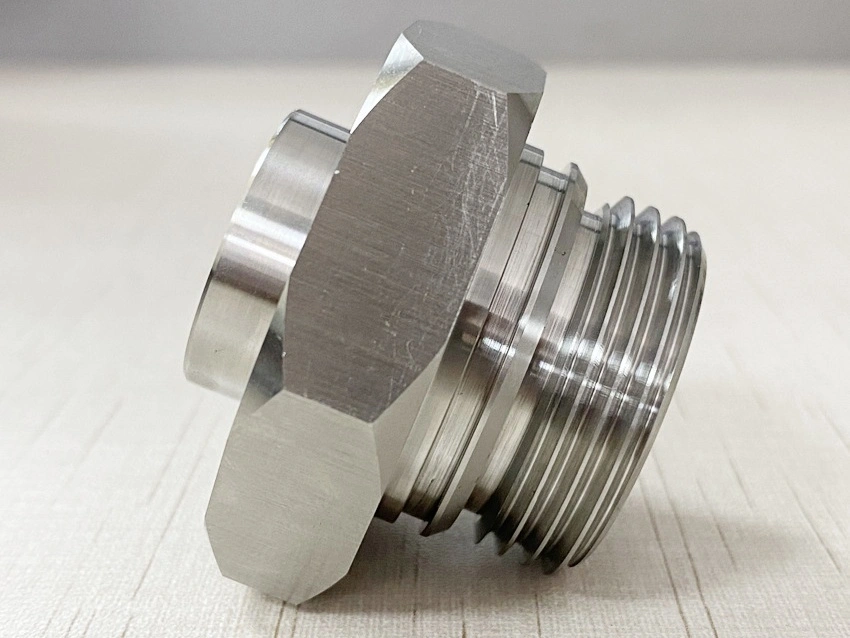
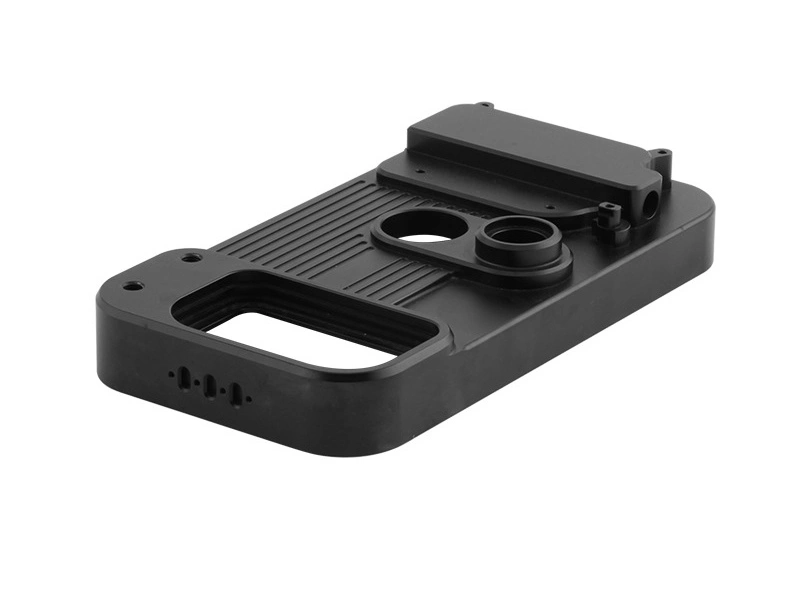
Custom medical CNC machining produces a device-specific component from a controlled drawing and material specification when catalog parts cannot satisfy the required geometry, interface, final surface, or verification plan. In the medical device industry, the process is appropriate only when the part is machinable, its critical features are accessible, and the buyer can define an acceptance state. A proven standard component remains preferable when its published specification, evidence, availability, and change control satisfy the device requirement.
Custom machining is often needed during development, a controlled device upgrade, or low-volume production when a unique interface must be tested in representative material. prototyping can confirm fit, motion, assembly, and cleaning access before production release. It should not imply that one prototype proves process capability or finished-device suitability. The RFQ must state the design stage, drawing revision, exact material, critical features, final processing state, inspection method, quantity, records, and unresolved assumptions.
1. Define Custom Medical CNC Machining by Controlled Requirements
A custom medical machined part is controlled by the device owner's drawing and acceptance requirements rather than by a catalog description. Unique datum relationships, mating geometry, edges, internal passages, mounting patterns, or packaging constraints can justify the custom route.
The material callout also needs an exact specification, grade, condition, product form, final treatment, and certificate scope. Stainless steel, 316L, titanium, or engineering plastic are families or labels, not complete evidence of corrosion performance, cleanability, biological acceptability, or dimensional conformance.
Decision Dimension | When a Standard Part Can Work | When Custom CNC Is Justified |
|---|---|---|
Geometry and interface | Published dimensions and interfaces satisfy the released functional requirement | A unique datum, envelope, mating feature, or access path is required |
Material and final state | Exact grade, condition, treatment, and evidence are available and approved | The device requires a specific material route or controlled post-process state |
Verification and change | Supplier evidence and change notification meet the device control plan | Drawing-level inspection, traceability, or revision control is necessary |
Supply route | Catalog availability and total risk are acceptable for the required life cycle | Quantity, design maturity, and likely revisions do not justify dedicated tooling |
2. Use CNC in R&D When the Test Requires Representative Parts
Development work needs custom CNC when the next decision depends on production-intent material, a machined interface, a functional datum relationship, or a surface and edge state that a conceptual model cannot represent. The test objective should determine the required fidelity.
Appearance, envelope, or ergonomic questions may be answered by a lower-cost model before machining. A CNC prototype becomes useful when the plan names the feature being learned, its acceptance method, and the design decision that follows. Failed tests must remain linked to the tested revision.
3. Treat Device Upgrades as Controlled Interface Changes
A device upgrade needs custom machining when a revised housing, guide, shaft, bracket, or connector changes a controlled interface that no approved standard part can satisfy. The new part must be evaluated against both the changed feature and unchanged mating components.
Consider an engineering scenario in which a catalog guide bushing fits the nominal bore but its flange shifts a sensor stack and creates a recess that cannot be inspected after assembly. A custom guide may resolve both interfaces, but release still requires revision control, assembly verification, cleaning-access review, and approved change responsibility.
4. Let Functional Interfaces, Not Generic Numbers, Trigger Custom Machining
Specialized devices justify custom CNC when function depends on a defined fit, motion path, sealing surface, alignment, edge, or cleanable passage that standard components cannot provide. A smaller tolerance or lower roughness value is not evidence by itself; the feature, function, datum, and verification method must agree.
Acceptance should occur after the last operation that can alter the characteristic. Deburring, passivation, electropolishing, coating, cleaning, and unclamping can change an edge, surface, bore, or free-state geometry. The buyer must identify protected features and the final condition in which each requirement is measured.
Use Condition | Decision Boundary and Buyer Confirmation |
|---|---|
Fit, motion, or sealing test | Use custom CNC when representative interfaces are required; define mating parts, datums, state, and test method |
Controlled device upgrade | Machine the revised interface only after confirming unchanged components, revision authority, and validation impact |
Specialized low-volume device | Compare CNC with tooling, stock components, and inventory risk using the expected quantity and design maturity |
Internal or inaccessible geometry | Confirm cutter, deburring, cleaning, and inspection access; select another process when access remains inadequate |
5. Require an Engineering Review Before the Supplier Quotes
Custom medical machining requires a feature-level review because the supplier must connect drawing requirements to stock, workholding, tool access, datum transfer, deburring, finishing, cleaning, inspection, and delivery. A price without these decisions may exclude the controls that determine acceptance.
The review should classify each critical requirement as accepted for the proposed route, conditional on qualification or clarification, or unresolved. It should also identify outside processes, final inspection state, required records, and who may approve substitutions or deviations. Unresolved acceptance criteria belong on hold before production.
6. Choose Low-Volume CNC Only When the Process Fits the Part
Low-volume CNC is appropriate when a machinable part needs controlled geometry without production tooling and expected revisions make flexibility valuable. Quantity alone does not select the process. Material removal, setup count, tool reach, inspection effort, and finishing can make a small batch expensive or unstable.
Additive manufacturing may suit enclosed channels or geometry that cutting tools cannot reach. Forming, molding, casting, or dedicated tooling can suit stable higher-volume designs. A catalog component can remain lower risk when it meets every requirement. Compare total verification and change cost, not only piece price.
7. Do Not Default to Custom CNC When a Lower-Risk Route Works
Custom CNC is unnecessary when an approved standard part meets function, material, surface, evidence, supply, and change-control requirements. It is also a poor default when critical geometry cannot be machined, deburred, cleaned, or inspected in the required final state.
The decision should record why the selected route reduces device risk. If the reason is only that a part looks specialized, the requirement is incomplete. Define the failed standard option, the function that needs a custom feature, the alternative processes reviewed, and the evidence required to release the chosen route.
8. Put the Custom-Machining Decision Into the RFQ
Order custom medical CNC machining when a device-specific, machinable component cannot be replaced by an approved standard part and its released requirements can be verified in the delivered state. Hold the order when material, interface, final treatment, cleaning, inspection, quantity, or change authority remains undefined.
Use the medical device page as application context, use prototyping to answer named development questions, and request CNC machining only after the part's drawing revision, exact material, critical features, datums, final process state, cleanliness boundary, inspection method, quantity stage, records, and unresolved assumptions are documented. That evidence lets purchasing compare a custom route with standard components and alternative manufacturing processes on the same acceptance basis.