What Are Custom Aerospace Parts and Why Are They Often Made in Low Volumes?
What Are Custom Aerospace Parts and Why Are They Often Made in Low Volumes?
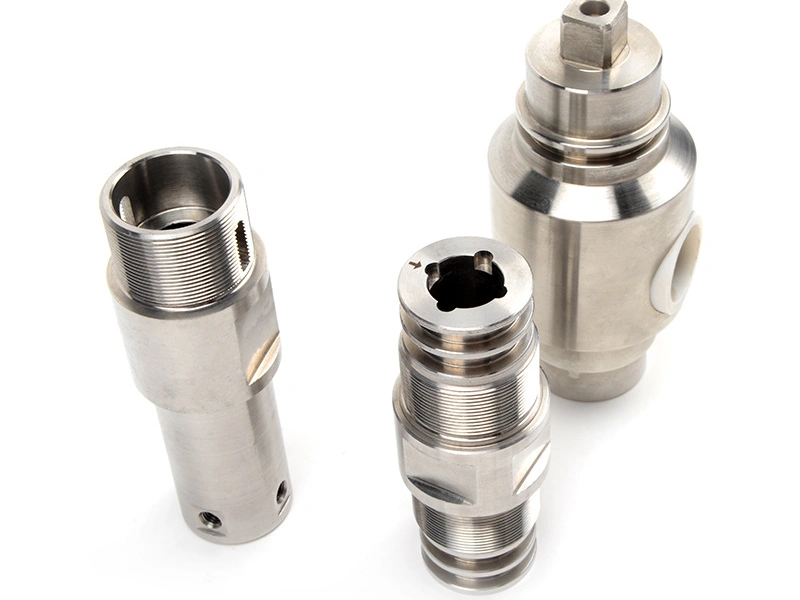
Custom aerospace parts are build-to-print components made for a defined aircraft, subsystem, test article, ground-support assembly, or service requirement, and they are often produced in low volumes because demand is tied to qualification stages, configuration-specific builds, limited fleet needs, or spares. A low quantity does not reduce the need for drawing control, material identity, inspection, or approved process records. Buyers should define the exact part number, revision, material condition, quantity by release, critical characteristics, and required acceptance evidence before requesting a quote.
Unlike catalog hardware, a custom component is controlled by its drawing and procurement specification rather than by a generic product description. Many aerospace and aviation programs use prototyping to resolve fit or function before authorizing low-volume manufacturing. The release quantity should follow revision maturity, validation results, scheduled consumption, and replacement demand. Material price alone is not a sound batch-size rule.
1. Drawing Control Separates a Custom Part from Catalog Hardware
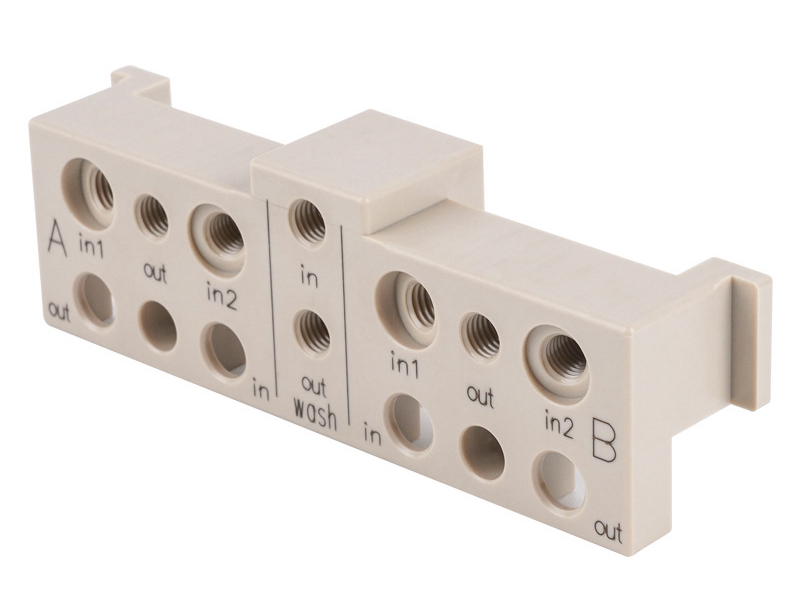
A custom aerospace part is required when a catalog item cannot satisfy the controlled interfaces, load path, envelope, material state, or verification requirement. Examples include a bracket whose hole pattern locates a sensor, a housing whose bore aligns a rotating assembly, or a sleeve whose diameter and finish control a fit. The drawing establishes the datum system and acceptance limits; the part name by itself does not.
The practical sourcing test is whether another component with the same general description could be substituted without engineering approval. If the answer is no, the buyer is purchasing a configuration-controlled item. The RFQ should identify the governing drawing revision and every referenced specification so that the supplier prices the intended configuration rather than a visually similar part.
Part Decision | Controlling Requirement | Buyer Confirmation |
|---|---|---|
Structural bracket | Datum-based hole location, material condition, and approved finish | Provide load-critical features and the released drawing revision |
Machined housing | Bore alignment, sealing faces, wall stability, and inspection method | Define datum precedence and which dimensions require reported results |
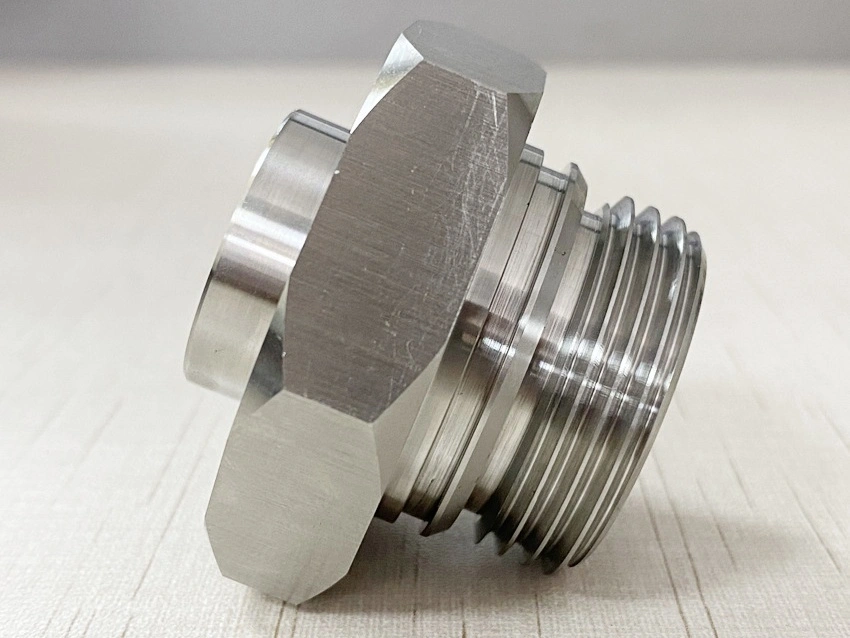
Connector or sleeve | Thread or fit specification, surface condition, and material identity | State mating-part requirements and the applicable acceptance standard |
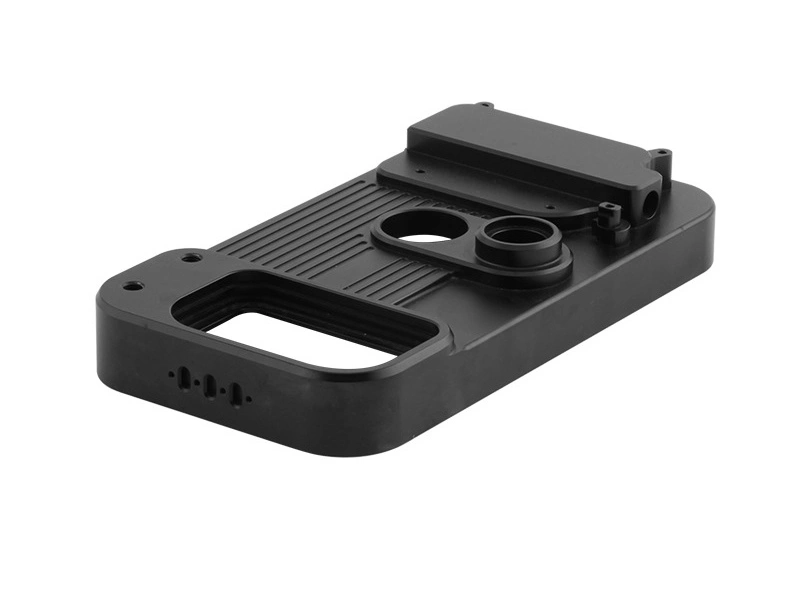
Equipment mount | Assembly interface, envelope, mass limits, and configuration status | Confirm interface dimensions before releasing the production quantity |
2. Program Demand, Not Part Importance, Sets the Quantity
Custom aerospace quantities are often small because a program may need only enough components for a prototype vehicle, qualification assembly, limited production schedule, maintenance event, or test fixture. The same part can remain commercially important even when annual demand is measured in tens rather than thousands. Quantity therefore reflects the number of controlled assemblies and their release schedule, not the technical importance of the component.
A buyer should separate total forecast demand from the first authorized release. That distinction lets suppliers plan material and fixtures without treating a forecast as a firm order. It also prevents an early test quantity from being priced or produced as though the geometry and documentation package were already stable for repeat production.
3. Validation Gates Should Control Batch Release
Prototype and qualification stages deliberately limit exposure while fit, function, inspection access, and documentation are being confirmed. A sensible release gate can require an approved drawing, a representative first article or first batch, disposition of nonconformances, and authorization to use the validated process. AS9102 first article inspection may support this gate when the contract requires it, but the standard is not an automatic requirement for every aerospace component.
The main failure mode is releasing a larger lot while critical interfaces or the revision are still changing. A new datum, hole position, material condition, or surface-treatment callout can make unfinished stock or completed parts unusable. The buyer should define who approves deviations and whether a design change requires a new first article, a partial revalidation, or only an updated inspection record.
4. Material and Process Risk Favor Staged Commitments
Titanium alloys, aerospace aluminum tempers, and nickel alloys can increase material exposure and machining risk, but none of these material families automatically dictates a low volume. Geometry, stock form, qualification status, special processes, and the cost of obsolete inventory matter as much as raw-material price. Thin walls can move after unclamping, while heat treatment or coating can alter dimensions that appeared acceptable before processing.
A staged order is useful when those risks have not been closed. The first release should contain enough representative parts to exercise the actual material route, setups, deburring, surface treatment, and inspection plan. A simple coupon or easy feature may confirm a material property but cannot prove that the production geometry will remain stable through the complete route.
Reason for a Small Release | Release Gate and Evidence |
|---|---|
Prototype interface not yet frozen | Assembly fit is accepted against the current drawing before repeat quantity is authorized |
Qualification configuration under review | Required test results and approved deviations are linked to the tested revision |
Material or special-process risk | Material certificates and required process records match the ordered specification and lot |
Intermittent platform demand | Release quantity follows the installation or maintenance schedule, not an unsupported forecast |
Long-life spare requirement | Revision status, approved substitutions, and record-retention terms are confirmed before manufacture |
5. Compare Total Release Risk, Not Unit Price Alone
For a low-volume custom part, the quotation should show what is included in setup, inspection, documentation, material traceability, special processing, and nonrecurring work. A lower unit price can be misleading if first article reporting, dimensional results, process certificates, or packaging requirements are excluded. The relevant comparison is the cost of an accepted, usable release under the same technical assumptions.
Procurement should also test the supplier's change-control path. Confirm how drawing revisions are acknowledged, how material substitutions are prevented, and how nonconforming features are reported before shipment. These controls protect the buyer from receiving parts that look correct but cannot be accepted against the purchase order or linked to the required configuration.
6. Separate Prototype, Qualification, and Repeat Orders
A staged purchase normally starts with parts for fit or functional learning, then moves to a qualification configuration, and finally to repeat releases after the product and manufacturing route are stable. The stages should not be distinguished only by quantity. Each purchase order should state the configuration, intended validation, acceptance evidence, and decision that allows the next stage to begin.
This approach makes commercial commitments match engineering maturity. It also creates clear evidence for supplier review: dimensional results for the defined critical features, material and process records required by the contract, documented disposition of deviations, and delivery performance for the authorized quantity. A repeat order should not silently inherit assumptions from a prototype order.
7. Low Volume Still Requires Complete Acceptance Criteria
A five-piece aerospace order can require the same configuration discipline as a larger release because one wrong revision or unapproved material substitution can affect every delivered part. Low volume does not justify informal tolerances, undocumented rework, or incomplete traceability. The required controls depend on the drawing, purchase order, program obligations, and part risk rather than on a universal aerospace checklist.
Before award, align engineering, quality, and procurement on the records needed for acceptance. Depending on the contract, those records can include material certification, reported dimensional results, special-process certificates, first article documentation, and approved deviation references. Request only evidence that serves a defined acceptance or traceability purpose; unnecessary paperwork adds cost without reducing technical risk.
8. Release Quantity Should Follow Configuration Maturity
Custom aerospace parts are drawing-controlled components built for a specific interface or program need, and low-volume production is common when demand is limited or the configuration is moving through prototype, qualification, repeat-build, or service stages. The sound release quantity is the amount justified by the current revision, validation gate, consumption schedule, and inventory risk.
For an actionable RFQ, provide the part number, approved revision, material specification and condition, order quantity by release, critical characteristics, datum and inspection requirements, special processes, acceptance records, deviation authority, and change-notification rules. Use prototyping for unresolved fit or function questions and low-volume manufacturing for controlled repeat releases. That distinction gives an aerospace and aviation supplier a defined configuration to quote, manufacture, inspect, and document.