What Are Brass Machining Services and Which Precision Parts Commonly Use Brass?
What Are Brass Machining Services and Which Precision Parts Commonly Use Brass?
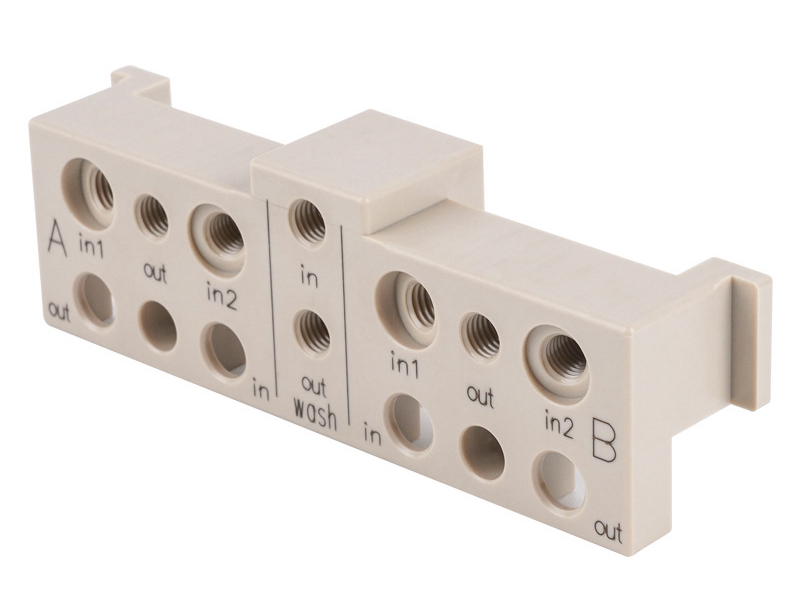
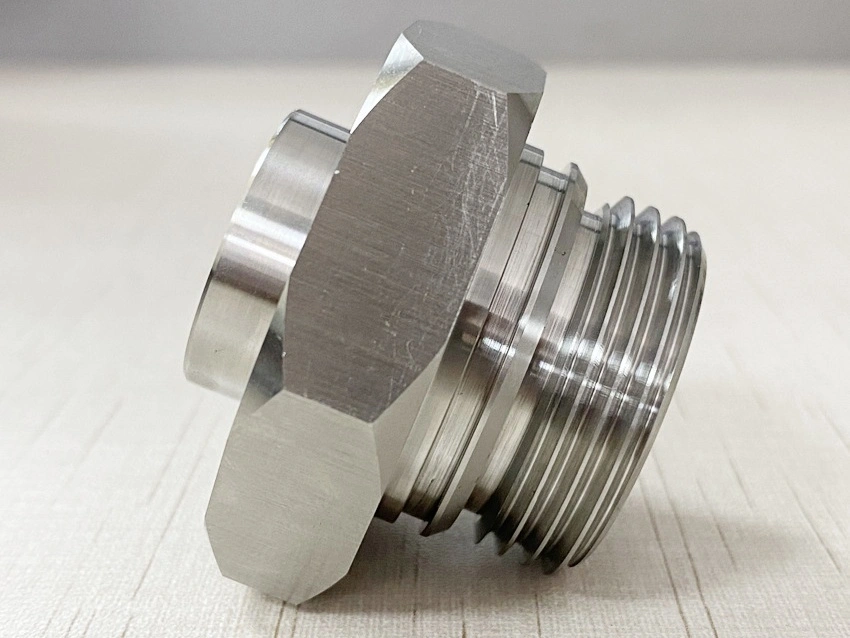
Brass machining services manufacture custom brass parts by computer numerical control (CNC) turning, milling, drilling, boring, threading, deburring, inspection, and specified finishing. Fittings, valve bodies and inserts, electrical terminals and connectors, threaded inserts, bushings, and decorative hardware are common candidates when the exact alloy, service environment, and acceptance plan fit the part. A request for quotation (RFQ) should identify the Unified Numbering System (UNS) or Copper Development Association (CDA) grade, product form and temper, final finish, critical features, service conditions, and required functional tests.
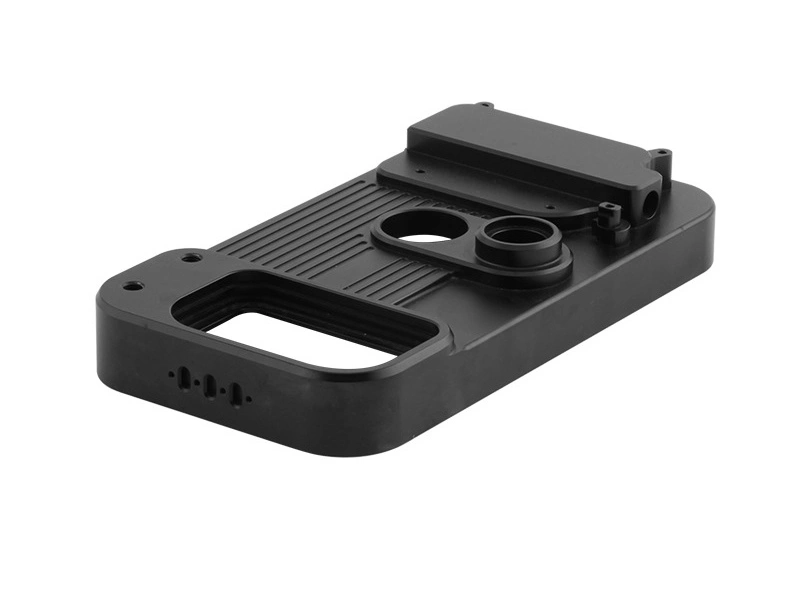
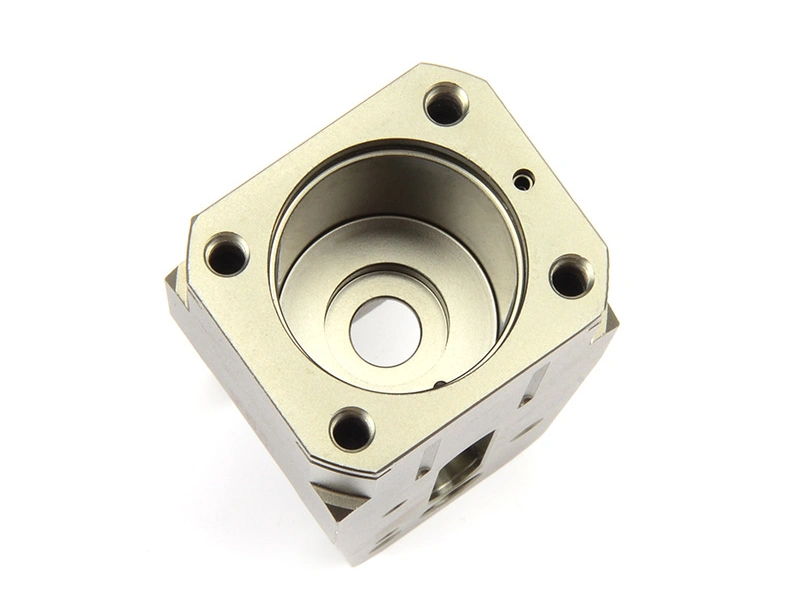
Use CNC machining for flats, slots, cross holes, pockets, and mounting faces, and use CNC turning for primarily coaxial diameters, bores, grooves, and threads. A hybrid route can make fittings or valve inserts with both feature sets. Machining route alone does not qualify the alloy for potable water, corrosive media, electrical contact, pressure service, or a specified plated finish.
1. What Brass Machining Services Actually Deliver
A brass machining service converts controlled stock into a part that meets drawing and purchase requirements at the specified delivery state. The route can include material identification, setup planning, cutting, edge control, cleaning, finishing, dimensional inspection, and functional testing. Each quoted step needs an owner and an acceptance result.
Material selection comes before machining efficiency. Free-cutting C36000 is a leaded brass; the CDA composition page lists 2.5%-3.0% lead. For products regulated for U.S. drinking-water contact, the Safe Drinking Water Act uses a 0.25% weighted average across wetted surfaces and requires applicable product compliance. A grade name or material certificate alone cannot establish that result.
Part Requirement | Brass Is a Candidate When | RFQ Confirmation |
|---|---|---|
Threads and sealing features | Alloy and environment suit the fluid duty | Thread standard, seal datum, and leak or pressure test |
Conductive interfaces | Grade meets conductivity and strength needs | Conductivity basis, contact finish, and final resistance test |
Visible hardware | Delivered color and texture are defined | Reference sample, visible faces, finish, and packaging |
Regulated fluid contact | An approved alloy and product route are available | Potable status, certification, chemistry, and dezincification requirement |
2. Fittings Need Fluid, Compliance, and Seal Screening
Hose fittings, compression bodies, adapters, and pneumatic connectors commonly use brass because turning can form threads, seats, bores, wrench flats, and cross passages efficiently. Brass is suitable only when the selected grade matches the medium, pressure, temperature, corrosion exposure, and potable or nonpotable classification.
A smooth thread does not prove a leak-tight joint. The drawing should define thread form and class, sealing geometry, datums, edge limits, and inspection state. The purchase specification should define the assembled leak or pressure test. When dezincification resistance matters, ISO 6509-1 provides a method for measuring dezincification depth; the product specification must set the applicable acceptance requirement.
3. Valve Parts Separate Machined Geometry from Sealing Qualification
Valve bodies, stems, plugs, seats, bushings, and threaded inserts are practical brass parts when their load, fluid, temperature, and corrosion conditions suit the chosen alloy. Machining can control bore-to-seat relationships, thread geometry, flow passages, and contact surfaces. It cannot create a pressure rating by itself.
Valve sealing also depends on the mating component, seal material, surface condition, assembly load, and test medium. Buyers should specify which dimensions are checked before and after finishing, then define the assembly-level leakage or pressure test. This prevents a good dimensional report from being mistaken for evidence of functional sealing.
4. Electrical Parts Require Grade-Specific Conductivity and Finish
Terminals, connector shells, pins, contact carriers, and threaded electrical inserts use brass when the selected grade balances conductivity, strength, form stability, and machinability. Conductivity is not a generic brass value. The CDA lists C36000 at 26% International Annealed Copper Standard (IACS) conductivity at 68°F; another grade or temper needs its own verified basis.
Electrical acceptance may include conductivity, contact resistance, plating thickness, adhesion, and final dimensions. Nickel, tin, silver, or other specified coatings can change pin size, bore clearance, thread fit, and contact behavior. The drawing should identify masked surfaces and coating allowance, while inspection and electrical tests should use the delivered plated state.
Common Brass Part | Suitability Boundary | Validation or Buyer Action |
|---|---|---|
Fitting | Fluid, pressure, temperature, and regulation fit the alloy | Verify threads, sealing geometry, compliance, and leak test |
Valve component | Strength and corrosion margin suit the service | Inspect functional geometry and test the assembled seal |
Electrical part | Grade and finish meet conductive and mechanical needs | Test final dimensions, coating, and electrical performance |
Decorative hardware | Color, aging, and finish match the product environment | Approve a visual standard and protective packaging |
5. Decorative Hardware Is Accepted in Its Delivered Finish
Knobs, handles, trim, caps, and visible fasteners use brass when a warm metal color, machinable detail, and a polished, brushed, or plated finish suit the design. Alloy color, tool marks, grain direction, polishing, coating, handling, and exposure can all change the final appearance.
A cosmetic RFQ should identify visible faces, permitted marks, edge condition, texture or approved reference sample, coating system, and protected surfaces. Plating allowance must be included wherever coating changes fit. Packaging should prevent part-to-part contact, fingerprints, and abrasion after final visual acceptance rather than relying on machining appearance alone.
6. Machining Efficiency Depends on the Exact Brass Grade
The CDA assigns C36000 a machinability rating of 100 as a comparative reference for copper alloys. That rating does not mean 100% production efficiency, a universal cutting speed, or a guaranteed cost reduction. Other brass grades, product forms, tempers, feature ratios, finishes, and acceptance requirements can change cycle time and tool behavior.
A useful quote therefore names the exact grade, stock form, temper, stock envelope, drawing revision, quantity tiers, critical tolerances, and secondary operations. Buyers can then compare total process routes instead of assuming that every brass part is cheaper than steel, stainless steel, copper, or aluminum.
7. Turned Parts Are the Strongest Geometry Fit
For coaxial brass geometry, CNC turning is a strong route for fittings, bushings, inserts, pins, spacers, and valve components dominated by diameters, bores, grooves, shoulders, and threads. Cross holes, flats, or off-axis slots may require live tooling or another setup, so datum transfer and inspection planning still affect risk.
Thin walls and slender sections can move after unclamping even when the in-machine measurement is acceptable. The drawing should distinguish functional diameters, sealing surfaces, thread requirements, and cosmetic edges. Final inspection should occur after the relevant deburring and coating steps, using gauges or measurement methods matched to each characteristic.
8. Use a Functional RFQ Screen Before Selecting Brass
Select brass for a precision part when the exact grade and product form satisfy mechanical, corrosion, conductivity, regulatory, and appearance needs, and when the geometry benefits from turning or milling. Consider another copper alloy, stainless steel, aluminum, or engineered material when higher conductivity, strength, temperature resistance, or environmental durability controls the decision.
A release-ready brass machining RFQ identifies the application, service medium and limits, governing drawing, alloy and temper, final finish, critical characteristics, functional tests, records, and packaging. Ask the supplier to return assumptions and exclusions with the quote. Close any material, compliance, sealing, plating, or acceptance gap before authorizing production.