Which Materials Are Most Commonly Used for CNC Machined Parts and Why?
Which Materials Are Most Commonly Used for CNC Machined Parts and Why?
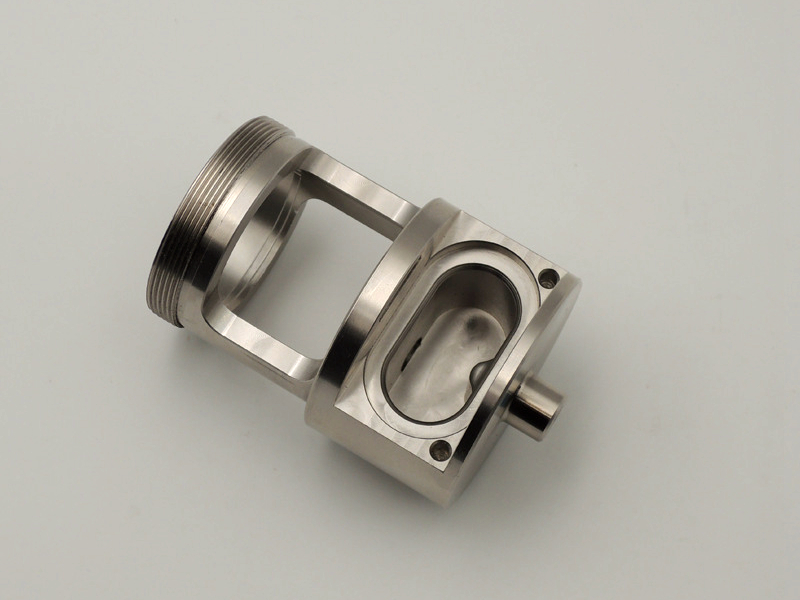
Common material families for CNC machined parts are aluminum alloys, stainless steel, carbon and low-alloy steels, brass, titanium alloys, and engineering plastics such as POM and PEEK. They differ in mass, strength, corrosion, wear, electrical behavior, machinability, and price. Selection requires grade, condition, stock form, geometry, environment, finish, and inspection.
An RFQ should state material details, critical dimensions, quantity, media, temperature, and inspection scope. The supplier can then check availability, machining risk, post-processing, and alternatives.
1. Why Material Selection Changes the CNC Machining Plan
Material selection changes cutting data, tool wear, burr formation, surface integrity, distortion risk, corrosion life, part mass, and cost. A high-strength grade can still distort in a thin wall or damage a mating thread if its hardness, heat treatment, or coating is not coordinated with geometry.
Choosing one property creates failure risk. Aluminum may need a wear finish, steel may need corrosion protection, and titanium can reduce mass while increasing cutting risk. Review function, manufacturability, validation, and repeat-order economics together.
Material | Main Advantage | Main Trade-Off | Typical CNC Part Types |
|---|---|---|---|
Aluminum | Low mass and efficient cutting in common wrought grades | Wear, strength, and finish depend on alloy and temper | Housings, brackets, plates, covers |
Stainless Steel | Corrosion resistance selected for the service media | Austenitic grades can work harden and increase tool wear | Medical parts, connectors, shafts, valves |
Brass | Efficient fine-feature machining in suitable grades | Machinability and strength vary by alloy and lead rule | Fittings, connectors, electrical and fluid parts |
Titanium | High strength-to-weight and grade-specific corrosion resistance | High stock cost and heat-sensitive tool life | Aerospace parts, medical components, brackets |
Carbon / Low-Alloy Steel | Strength and heat-treatment options at controlled cost | Corrosion protection may affect final dimensions | Shafts, supports, bases, mechanical parts |
2. Aluminum: Common for Lightweight Parts and Efficient Cutting
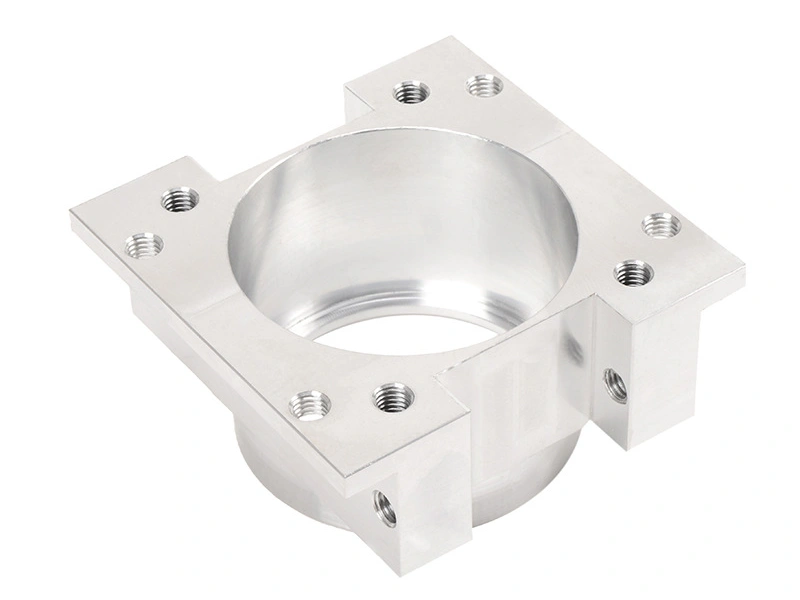
Aluminum is selected for housings, brackets, covers, plates, and electronics enclosures when low mass and efficient cutting matter. 6061-T6 or T651 often supports general structural parts. 7075-T6 or T651 offers higher strength, with different corrosion and finishing considerations.
Many wrought aluminum grades permit higher material-removal rates than stainless steel or titanium. They support anodizing, blasting, brushing, polishing, and coating, but finish buildup can change bores and threads. The RFQ should identify masked surfaces, cosmetic zones, sealing features, and thread requirements.
Compare aluminum quotations by alloy and temper.
3. Stainless Steel: Selected for Service-Specific Corrosion Resistance
Stainless steel is chosen when moisture, chemicals, cleaning, or service life outweigh low-mass goals. 304 or 304L covers many general environments. Molybdenum gives 316 or 316L better chloride resistance than 304 in many services, but neither grade is immune to pitting or chloride stress-corrosion cracking.
Austenitic stainless steels can work harden, retain cutting heat, and increase tool wear. Those effects matter around deep features, interrupted cuts, and small tools. The added effort is justified only when the selected grade matches the actual media, temperature, cleaning, and strength requirements.
State grade, finish, sealing areas, cleaning chemicals, and fluid contact.
4. Brass: Often Chosen for Fine Features and Connector Parts
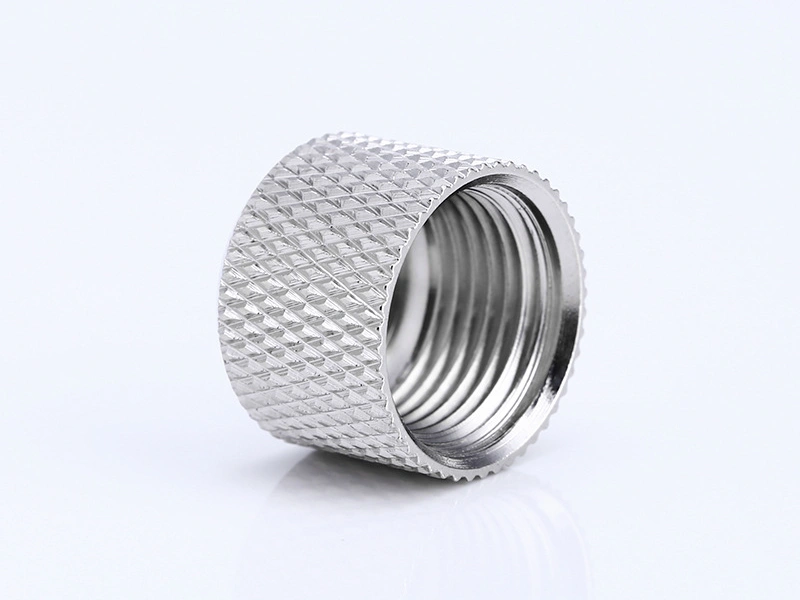
Brass is selected for clean threads, small holes, fine details, stable dimensions, and efficient production. It is common in fluid fittings, electrical connectors, instrument parts, bushings, inserts, valves, and small precision hardware.
Free-machining brass grades can form short chips and control burrs around threads, hex features, and grooves. Lead-free compositions can cut differently, and brass strength or corrosion behavior varies by alloy. The drawing must specify the required alloy rather than accept generic brass.
State alloy designation, lead rule, and service requirement.
5. Titanium: Chosen for Strength-to-Weight and Corrosion Requirements
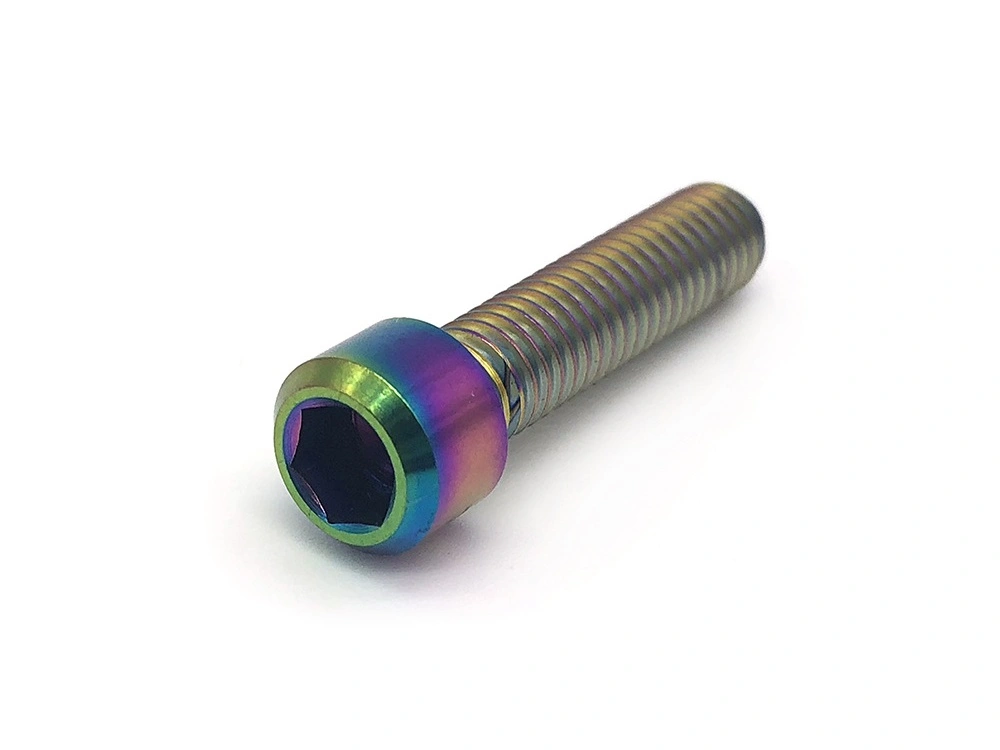
Titanium is chosen when high strength-to-weight or grade-specific corrosion performance justifies higher stock and machining cost. Ti-6Al-4V is common in aerospace and high-performance parts; medical use requires the specified material standard, condition, surface state, and regulatory evidence.
Titanium's low thermal conductivity keeps heat near the cutting zone, accelerating tool wear if engagement and cooling are poorly controlled. Long tool overhangs also raise chatter and burr risk. Titanium is justified only when its specific performance advantage is required.
State surface condition, evidence needs, and why titanium is required.
6. Carbon and Low-Alloy Steel for Strength and Heat Treatment
Carbon and low-alloy steels suit parts where stiffness, strength, availability, and heat-treatment response matter more than corrosion resistance or low mass. 1018 and 1045 are carbon steels. 4140 is a chromium-molybdenum low-alloy steel, not a carbon-steel grade.
Steel parts may need black oxide, plating, painting, phosphating, oil, or another protection system in wet service. Coating buildup can reduce bore clearance or change thread fit, while heat treatment can move slender features. Define hardness, stock allowance, finish, and final inspection stage before grade approval.
Select grade and condition from load, wear, distortion, and corrosion.
Property | Aluminum | Stainless Steel | Brass | Titanium | Carbon Steel |
|---|---|---|---|---|---|
Relative weight | Low | High | High | Medium | High |
Corrosion resistance | Alloy, finish, media dependent | Grade and media dependent | Alloy and fluid dependent | Grade and environment dependent | Protect for wet service |
Machinability | Often good by alloy | Grade dependent | High in free-cutting grades | Needs heat and tool control | Varies by grade and hardness |
Relative cost | Low-medium by stock form | Medium-high by grade | Market dependent | High stock and cutting cost | Low-medium by condition |
Typical buyer reason | Reduce mass | Match corrosion exposure | Machine fine features | Meet strength-to-weight needs | Combine strength and heat treatment |
7. How Should Buyers Compare Strength, Corrosion Resistance, Weight, Machinability, and Cost?
Buyers should compare materials by application risk, not by a single property. The strongest material may add weight and cost. The cheapest material may need coating or fail in corrosion. The easiest material to machine may lack strength or wear resistance for the final assembly.
A useful sequence is load, environment, mass, geometry, finish, and repeat-order cost. Check humidity, chlorides, chemicals, cleaning, temperature, electrical needs, friction, and wear. Then review thin walls, threads, pockets, tolerances, stock form, and post-processing. Engineering plastics belong in the shortlist when insulation, low friction, or chemical compatibility matters.
Request a conditional comparison instead of a generic best material.
8. How Should Buyers Select Material Based on Application Environment?
The service environment narrows the material family before machining details are compared. Indoor lightweight housings often start with aluminum. Wet or washdown service may shortlist stainless steel after media review. Fine threaded connectors often use brass. Mass-critical parts may justify titanium. High-load parts with coating or oil protection often start with steel.
Final selection needs grade, condition, finish, tolerance, and inspection confirmation. Medical, food-contact, potable-water, or aerospace use also needs applicable material and regulatory evidence.
Application Environment | Recommended Material Direction | Main Reason |
|---|---|---|
Lightweight structures and housings | Low mass, efficient cutting, and finish options | |
Wet or washdown use after media review | Grade-specific corrosion and cleaning resistance | |
Precision fittings and connector components | Fine threads and details in a specified alloy | |
Mass-critical high-performance parts | Strength-to-weight or environment requirement | |
Loaded parts with a protection plan | Carbon steel | Strength, availability, and heat-treatment range |
9. Summary
Compare aluminum, stainless steel, brass, titanium, steel, and engineering plastics against function, environment, geometry, finish, and manufacturing risk.
Aluminum reduces mass, stainless steel addresses verified corrosion conditions, brass supports fine connector features, and titanium serves justified strength-to-weight needs. State specification, condition, finish, critical features, quantity, environment, and inspection scope.