Which Industries Need Custom Machined Components for High-Performance Applications?
Which Industries Need Custom Machined Components for High-Performance Applications?
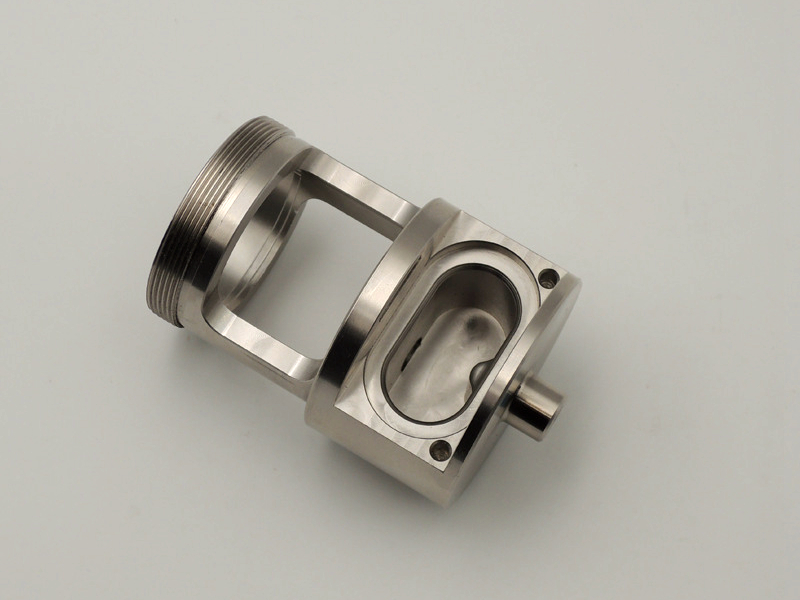
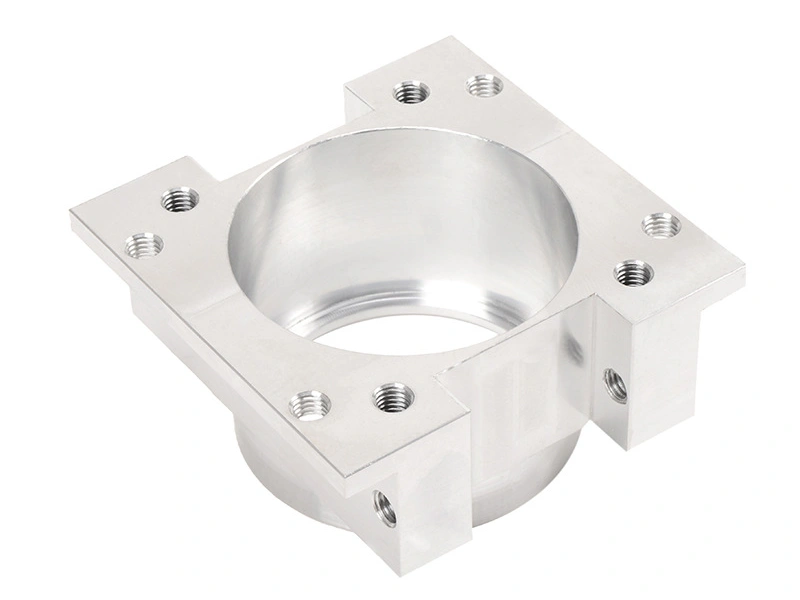
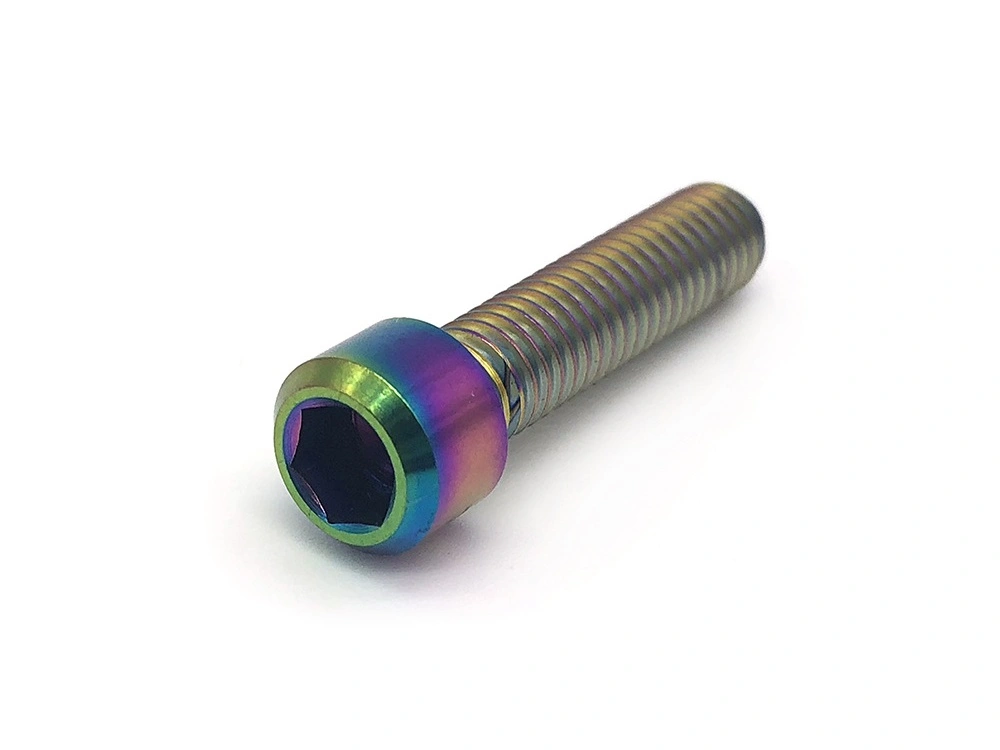
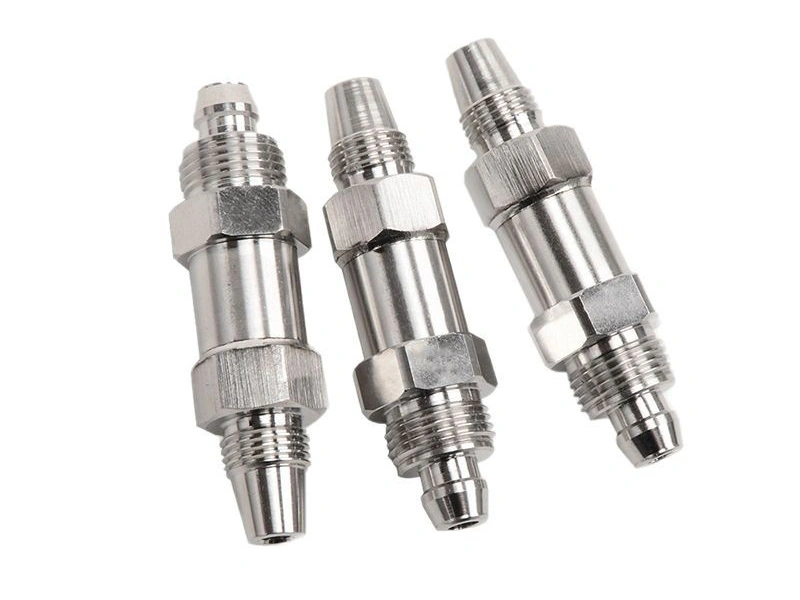
automotive, medical device, aerospace and aviation, and energy sectors such as oil and gas commonly need custom machined components when catalog parts cannot control an application-specific load path, fluid boundary, cleanable surface, weight target, alignment relationship, or traceability requirement. The industry name alone does not justify customization. A buyer should first identify the function that a standard part cannot satisfy, the consequence of failure, and the evidence required for release.
The same housing, shaft, bracket, valve body, or manifold can carry different critical-to-quality characteristics in different applications. An automotive housing may prioritize bore alignment under thermal cycling. A medical-device housing may prioritize burr control, cleanability, and material compatibility. An aerospace bracket may be controlled by load-path geometry, mass, and traceability. A pressure-system body may be controlled by material condition, sealing surfaces, and service medium. Buyers should put those conditions in the RFQ instead of asking a supplier to infer them from an industry label.
1. Why High-Performance Industries Rely on Custom Machined Components
High-performance industries rely on custom machined components when one part controls several coupled functions and a catalog interface leaves an unacceptable gap. Customization can locate a sensor while transferring heat, align a rotating assembly while carrying torque, or join pressure ports while preserving sealing geometry. These benefits require a controlled drawing, material and finish state, manufacturing route, inspection plan, and change process. A custom shape without those controls does not create reliable performance.
The decision should start with failure consequence and verification, not with a list of demanding adjectives. Define the environment, load spectrum, temperature, fluid or cleaning exposure, mating parts, duty cycle, replacement plan, and critical interfaces. Then decide whether a standard, hybrid, or custom architecture closes the risk. The buyer should also state who approves material substitution, drawing deviations, outside processing changes, and revalidation. This connects the industry's actual risk to a measurable procurement decision.
Industry | Customization Trigger | Evidence and Buyer Action |
|---|---|---|
Vehicle-specific packaging, load, vibration, thermal, fluid, or sensor interface | Define CTQs, production stage, material state, validation duty, and contract-required production records | |
Device-specific geometry, cleanability, surface, material, or controlled assembly interface | Define intended use boundary, final surface state, cleanliness acceptance, traceability, and device-owner approval | |
Load-path geometry, mass constraint, fatigue-sensitive detail, alignment, or traceability | Identify critical features, material/process records, first-article scope, and controlled-change authority | |
Pressure boundary, sealing layout, corrosive medium, wear contact, or nonstandard connection | State service data, material condition, required examination or test, and final pressure-boundary acceptance |
2. Automotive: Custom Components for Precision Fit, Durability, and Batch Consistency
Automotive systems need custom machined components when vehicle packaging, powertrain, chassis, thermal-management, braking, fluid, or sensing interfaces cannot use a catalog geometry. Examples include valve bodies, motor shafts, sensor housings, fixture locators, brackets, and pre-production structural parts. The primary decision is not whether machining can hold a tight dimension once. It is whether the defined process can repeat the critical relationships through the intended quantity, material lot, tool-wear cycle, and assembly condition.
Common failure modes include datum shift after rough machining, bore or thread variation, burrs entering fluid paths, distortion from heat treatment or coating, and an engineering change reaching production before inspection is updated. The RFQ should identify program stage, annual or batch demand, load and temperature conditions, critical mating features, material and treatment state, appearance zones, inspection evidence, and change-notification rules. If production approval records are required, the buyer must name their scope and acceptance authority instead of using an undefined request for automotive quality.
3. Medical Device: Custom Components for Cleanliness, Surface Quality, and Reliable Assembly
Medical device applications need custom machining when a diagnostic, surgical, laboratory, or device assembly has unique geometry, controlled surfaces, small interfaces, or material restrictions. The exact requirements depend on intended use. A non-patient-contact equipment bracket does not need the same evidence as a reusable instrument or an implant-related component. Buyers should define contact category, cleaning or sterilization exposure, material specification, surface state, burr limits, traceability, and assembly function before selecting a process.
Dimensional conformance alone may miss the dominant risk. Embedded burrs, polishing that rounds a sealing edge, residue in an internal feature, mixed material records, or coating that changes a mating dimension can make a dimensionally acceptable part unusable. Inspection should occur in the state relevant to acceptance, including after passivation, electropolishing, coating, marking, or cleaning when those operations affect the requirement. The device owner remains responsible for product-level risk and regulatory acceptance; a machining supplier's inspection report cannot replace that validation.
4. Aerospace and Aviation: Custom Machining for Lightweight, High-Strength, and Close-Tolerance Parts
Aerospace and aviation applications need custom components when structural load paths, installation envelope, mass, thermal exposure, fatigue-sensitive transitions, or system alignment are specific to the platform. Typical parts include brackets, mounts, housings, connectors, actuator features, and sensor interfaces. Not every dimension needs a close tolerance. The drawing should concentrate control on datum relationships, bores, interfaces, wall transitions, threads, and surfaces that affect assembly or structural function.
Material identity and process history can be as important as final dimensions. Mixing alloy temper, removing too much stock near a thin section, leaving edge damage, changing a special process, or measuring before final stress-changing operations can invalidate the intended evidence. The RFQ should state material specification and condition, traceability level, approved process sources when contractually required, critical-feature inspection, first-article scope, nonconformance authority, and change notification. Sample conformance does not prove fatigue life or recurring capability without the product-level evidence defined by the design authority.
5. Energy and Oil and Gas: Custom Parts for Pressure, Corrosion, and Service Reliability
Energy and oil and gas systems need custom machined components when valves, manifolds, pump parts, connectors, shafts, and sealing bodies must match a specific pressure boundary, port layout, wear pair, or service medium. Material selection cannot be based on corrosion resistance in the abstract. The buyer should define pressure and temperature envelope, fluid composition, solids or abrasion, cyclic duty, sealing method, external environment, and any applicable sour-service or product requirements.
Potential failures include incorrect material condition, thread or seal geometry measured with the wrong datum, galling at a contact pair, crevice or galvanic corrosion, coating damage, internal burrs, and proof testing that does not represent the final configuration. A release plan may require material certificates, positive material identification, hardness, nondestructive examination, dimensional inspection, surface verification, or pressure testing when the design and purchase specification call for them. The RFQ must name each required record and acceptance criterion; a general harsh-environment statement is not actionable.
Industry | Typical Custom Component Boundary | Primary Release Evidence |
|---|---|---|
Vehicle-specific bore, port, mounting, thermal, or sensor relationship | Critical-feature report, production-stage evidence, and approved change record | |
Device-specific surface, cleanable feature, small interface, or material boundary | Final-state inspection, material traceability, cleanliness evidence, and device-owner release | |
Platform-specific load path, mass-controlled wall, alignment, or fatigue-sensitive detail | Material/process traceability, critical-feature inspection, and required first-article record | |
Service-specific pressure, seal, port, corrosion, thread, or wear interface | Material/condition evidence and specified final examination or functional test |
6. What Makes the Industry Requirements Different from Each Other?
Industry requirements differ because the dominant failure mechanism, operating environment, product authority, and release evidence differ. Automotive work may emphasize repeat production and change coordination. Medical-device work may emphasize intended-use surfaces, cleanliness, and traceability. Aerospace work may emphasize load-path geometry, mass, material/process history, and controlled first-article evidence. Oil and gas work may emphasize pressure containment, sealing, medium compatibility, wear, and specified examination. These are screening patterns, not universal rules for every part.
A useful comparison asks how the same component would fail in each application. For a housing, the automotive concern may be bore alignment after thermal cycling. The medical concern may be cleanability and edge condition. The aerospace concern may be mass and fatigue-sensitive transitions. The pressure-service concern may be sealing geometry and material compatibility. That analysis determines the drawing notes, process controls, inspection method, records, and buyer approvals. Copying one industry's checklist into another can add cost while leaving the actual risk uncontrolled.
7. Why Custom Components Are More Important in High-Performance Than in General Equipment
Custom components become more important as system margins narrow, interfaces couple more functions, and the consequence of failure increases. A small datum error may misalign a bearing, sensor, or seal. A finish change may alter a bore or damage a controlled surface. A material substitution may change corrosion, wear, thermal, or fatigue behavior. The correct response is not to tighten every tolerance. It is to identify the characteristics that control the failure and verify them in the applicable final state.
Standard parts remain preferable whenever their published limits meet the requirement and improve replacement or supply resilience. Hybrid designs can keep bearings, seals, fasteners, and fittings standard while customizing a housing, shaft, manifold, or adapter around them. Buyers should compare function, evidence, lifecycle change, repair strategy, minimum order, and second-source feasibility before freezing the design. Customization is justified when it closes a measurable application gap that standardization cannot close without compromising the system.
8. Summary
automotive, medical device, aerospace and aviation, and oil and gas frequently use custom machined components because their assemblies can contain application-specific geometry, environment, load, surface, material, and evidence requirements. No industry needs every part customized. The decision begins where a standard or hybrid solution can no longer control a critical interface or failure consequence within its published limits.
For an RFQ, provide the application boundary, operating environment, loads or pressure, mating interfaces, material and condition, final finish, critical features, inspection or functional tests, required records, production stage, quantity, and change authority. Ask the supplier to identify assumptions and outside-process dependencies before release. This gives engineering, quality, and purchasing one evidence-based decision path. It also prevents broad industry claims from replacing the exact controls that make a custom machined component suitable for a high-performance application.