Which Industries Benefit Most from Low Volume CNC Machining for Functional Parts?
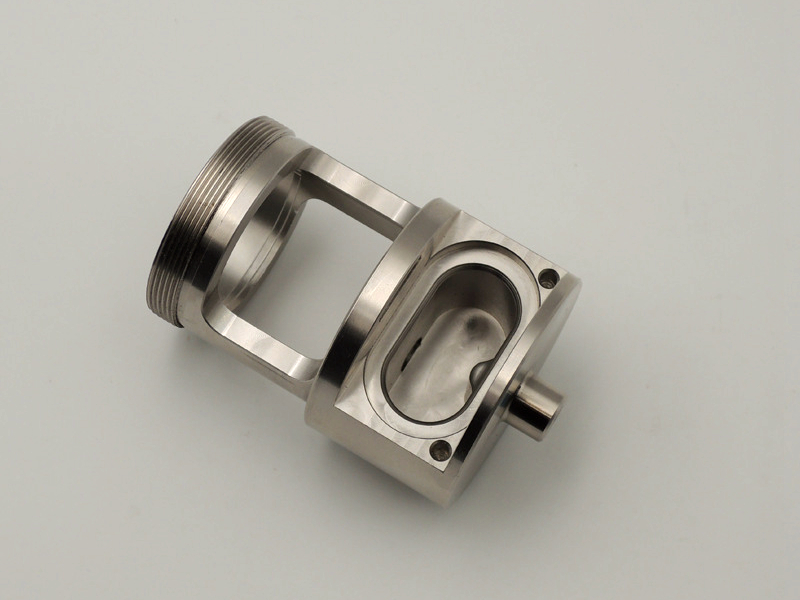
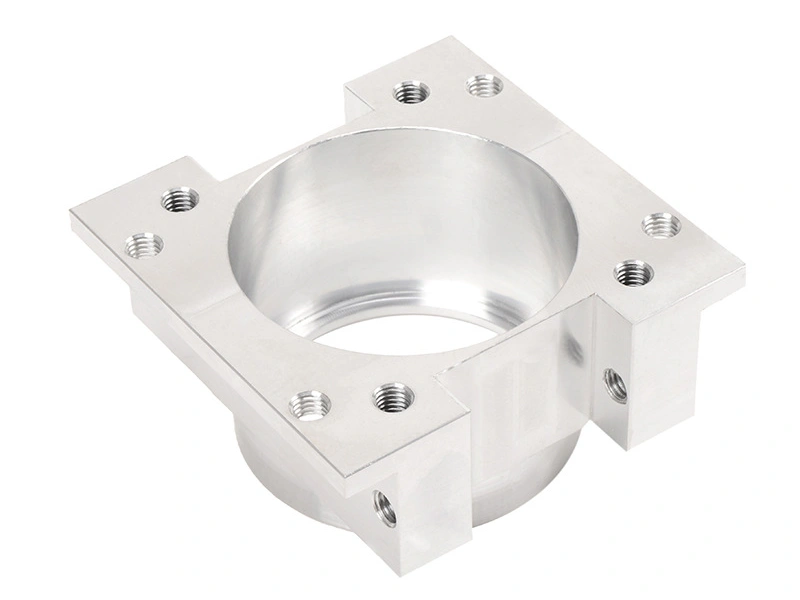
<p><a target="_blank" href="https://www.newaymachining.com/services/cnc-machining/faq-which-industries-benefit-most-from-low-volume-cnc-machining-for-functional-parts"><img src="https://www.newaymachining.com/storage/attachments/2026/04/24/Which Industries Benefit Most from Low Volume CNC Machining for Functional Parts.webp" alt="Industries using low-volume CNC machining for functional parts" width="800" height="600" loading="lazy"></a></p><h2 id="which-industries-benefit-most-from-low-volume-cnc-machining-for-functional-parts?">Which Industries Benefit Most from Low Volume CNC Machining for Functional Parts?</h2><p><a target="_blank" href="https://www.newaymachining.com/services/low-volume-manufacturing">Low volume CNC machining</a> benefits medical devices, aerospace and aviation, industrial equipment, R&D, and legacy service programs when they need functional parts in real engineering materials, controlled revisions, and repeatable small batches. The industry name alone does not make CNC suitable. The part must also have geometry, interfaces, demand, validation, or traceability needs that justify machining instead of tooling, additive manufacturing, fabrication, or a formed process.</p><p>Projects in <a target="_blank" href="https://www.newaymachining.com/solutions/medical-device">medical device</a> and <a target="_blank" href="https://www.newaymachining.com/solutions/aerospace-and-aviation">aerospace and aviation</a> are common examples because many components combine specialized interfaces with limited or staged demand. Industrial machinery, test systems, and spare-parts programs often have the same supply pattern. Buyers should define the functional surfaces, material and finish state, approval evidence, lot trace, quantity cadence, and change authority before selecting the route.</p><h3 id="1.-why-low-volume-cnc-machining-is-so-important-for-functional-parts">1. Why Low Volume CNC Machining Is So Important for Functional Parts</h3><p>Functional parts must satisfy an assembly, load, fluid, motion, thermal, electrical, or service requirement rather than only resemble the intended shape. CNC can produce specified bores, threads, datum surfaces, sealing faces, and mounting patterns directly in the required stock material. That makes it useful when a buyer needs representative function across more than one sample.</p><p>The route still needs boundaries. Machining from solid can waste material, require several setups, or create inaccessible internal geometry. Thin walls may move after unclamping, coatings may change interface sizes, and burrs in intersecting passages may affect service. Buyers should compare CNC with formed, additive, fabricated, or hybrid routes using the same final-state acceptance criteria.</p><div class="i-typography-table-responsive"><table><tbody><tr><th colspan="1" rowspan="1"><p>Industry Type</p></th><th colspan="1" rowspan="1"><p>Why Low-Volume CNC Machining Fits</p></th><th colspan="1" rowspan="1"><p>Typical Functional Parts</p></th></tr><tr><td colspan="1" rowspan="1"><p><a target="_blank" href="https://www.newaymachining.com/solutions/medical-device">Medical Device</a></p></td><td colspan="1" rowspan="1"><p>Controlled materials and interfaces for staged validation or supply</p></td><td colspan="1" rowspan="1"><p>Instrument bodies, guides, clamps, and equipment interfaces</p></td></tr><tr><td colspan="1" rowspan="1"><p><a target="_blank" href="https://www.newaymachining.com/solutions/aerospace-and-aviation">Aerospace and Aviation</a></p></td><td colspan="1" rowspan="1"><p>Low or mixed demand with material and geometry requirements</p></td><td colspan="1" rowspan="1"><p>Brackets, mounts, housings, and controlled interface parts</p></td></tr><tr><td colspan="1" rowspan="1"><p>Industrial Equipment</p></td><td colspan="1" rowspan="1"><p>Custom assemblies need repeat supply without early hard tooling</p></td><td colspan="1" rowspan="1"><p>Manifolds, shafts, sleeves, plates, and machine interfaces</p></td></tr><tr><td colspan="1" rowspan="1"><p>R&D Programs</p></td><td colspan="1" rowspan="1"><p>Repeated experiments require revision-controlled real materials</p></td><td colspan="1" rowspan="1"><p>Test fixtures, sensor bodies, and development hardware</p></td></tr><tr><td colspan="1" rowspan="1"><p>Spare Parts Projects</p></td><td colspan="1" rowspan="1"><p>Limited service demand cannot justify dedicated replacement tooling</p></td><td colspan="1" rowspan="1"><p>Bushings, couplings, covers, shafts, and repair sleeves</p></td></tr></tbody></table></div><h3 id="2.-medical-device:-low-volume-batches-for-precision,-cleanliness,-and-validation-control">2. Medical Device: Low-Volume Batches for Precision, Cleanliness, and Validation Control</h3><p><a target="_blank" href="https://www.newaymachining.com/solutions/medical-device">Medical device</a> programs benefit when low-volume CNC provides the specified material, geometry, surface state, and revision control needed for design verification, equipment qualification, pilot assembly, or limited supply. Examples can include instrument housings, guide components, clamps, fixtures, and diagnostic-equipment interfaces. The exact controls depend on the device, intended use, drawing, and applicable quality agreement.</p><p>Industry labels must not be converted into unsupported cleanliness, biocompatibility, sterilization, or regulatory claims. The buyer should specify material certification, passivation or coating requirements, edge and residue limits, inspection deliverables, traceability, packaging, and approval responsibility. A machined dimension is not final evidence if cleaning, heat treatment, or surface finishing can change the accepted condition.</p><h3 id="3.-aerospace-and-aviation:-high-value-small-batch-parts-with-tight-geometry-control">3. Aerospace and Aviation: High-Value Small-Batch Parts with Tight Geometry Control</h3><p><a target="_blank" href="https://www.newaymachining.com/solutions/aerospace-and-aviation">Aerospace and aviation</a> parts often suit low-volume CNC when annual demand is limited, product mix is high, and the component still needs controlled material, mass, envelope, or datum-related interfaces. Brackets, sensor mounts, housings, and actuator interfaces can fit this pattern, provided the supplier route matches the drawing and contract requirements.</p><p>The buyer should identify material specification and condition, lot trace, special-process approvals, key characteristics, inspection evidence, source restrictions, and change notification. Low annual volume does not relax these requirements. It can increase the importance of configuration control because replacement lots may be separated by long intervals and produced from different material or process lots.</p><h3 id="4.-industrial-equipment:-custom-functional-parts-for-pilot-builds,-service,-and-bridge-supply">4. Industrial Equipment: Custom Functional Parts for Pilot Builds, Service, and Bridge Supply</h3><p>Industrial equipment benefits when specialized parts are required for pilot machines, mixed-model production, bridge supply, maintenance, or long service lives. Valve blocks, manifolds, shafts, mounting plates, sensor bodies, and interface brackets often combine modest demand with functional bores, threads, flatness, sealing, or alignment requirements that remain suitable for machining.</p><p>A buyer should distinguish product variation from uncontrolled process variation. Different machine models may require similar-looking parts with different ports, datums, materials, or finishes. Use separate part numbers and revisions, confirm interchangeability, and define the inspection stage. A correct machined part can still fail assembly if coating buildup, mating-part wear, or an undocumented field modification changes the interface.</p><h3 id="5.-r-and-d-projects:-real-material-parts-for-true-engineering-learning">5. R&D Projects: Real Material Parts for True Engineering Learning</h3><p>R&D programs use low-volume CNC when experiments need real material behavior and more than one controlled specimen. Test fixtures, sensor housings, fluid components, thermal structures, and mounting frames can be produced in revision-separated lots so teams can compare results without confusing design changes with manufacturing variation.</p><p>The test plan should define which material condition, dimensions, surface state, and assembly interfaces must represent the intended product. If each iteration changes several variables, label and trace the parts accordingly. A repeat machining route supports learning only when the test result can be connected to a known configuration.</p><div class="i-typography-table-responsive"><table><tbody><tr><th colspan="1" rowspan="1"><p>Why R&D Teams Use Low-Volume CNC</p></th><th colspan="1" rowspan="1"><p>Engineering Benefit</p></th></tr><tr><td colspan="1" rowspan="1"><p>Real material testing</p></td><td colspan="1" rowspan="1"><p>Separates material and interface behavior from model assumptions</p></td></tr><tr><td colspan="1" rowspan="1"><p>Repeat validation builds</p></td><td colspan="1" rowspan="1"><p>Compares known revisions across controlled test conditions</p></td></tr><tr><td colspan="1" rowspan="1"><p>Short-run supply without tooling</p></td><td colspan="1" rowspan="1"><p>Preserves change flexibility while experiments remain open</p></td></tr></tbody></table></div><h3 id="6.-spare-parts-projects:-one-of-the-most-practical-uses-of-low-volume-machining">6. Spare Parts Projects: One of the Most Practical Uses of Low-Volume Machining</h3><p>Spare-parts programs benefit when service demand is too small or intermittent for replacement tooling. CNC can produce shafts, bushings, sleeves, covers, couplings, and interfaces from approved design data. When original drawings are unavailable, a worn sample should not automatically become the design authority because wear, repair, coating loss, or field modification may have changed it.</p><p>Consider a replacement sleeve that must fit an existing pump housing. The buyer should establish the functional fit, material, hardness or treatment, surface condition, mating-part state, and acceptance method before machining. Measuring the worn sleeve alone may reproduce the failure condition. Validation should include the actual service interface or an approved reference, not only a dimensional copy.</p><h3 id="7.-why-these-industries-prefer-low-volume-over-tooling-based-routes">7. Why These Industries Prefer Low-Volume Over Tooling-Based Routes</h3><p>These industries prefer low-volume CNC when real material, specialized geometry, staged approval, mixed demand, or revision flexibility has more value than the unit-cost advantage of dedicated tooling. The decision is part-specific. A simple stable housing may favor casting or molding, while a formed blank plus finish machining may outperform machining from solid for repeated complex parts.</p><p>Compare fixed tooling and qualification cost, material use, secondary operations, machining allowance, yield, inspection, lead-time path, inventory, and change exposure. The RFQ should include quantity cadence and product life as well as the immediate batch. Choose CNC when its controllable flexibility reduces total risk; choose another route when stable demand and qualified geometry justify scale.</p><h3 id="8.-summary">8. Summary</h3><p>In summary, <a target="_blank" href="https://www.newaymachining.com/services/low-volume-manufacturing">low volume CNC machining</a> most often benefits <a target="_blank" href="https://www.newaymachining.com/solutions/medical-device">medical device</a>, <a target="_blank" href="https://www.newaymachining.com/solutions/aerospace-and-aviation">aerospace and aviation</a>, industrial equipment, R&D, and spare-parts programs because these applications frequently combine functional interfaces with limited or staged demand. The industry name is only a screening signal; the drawing, material, final state, evidence, and demand pattern decide suitability.</p><p>For sourcing, identify what the part must do, which features and material conditions control that function, how revisions and lots will be traced, and what evidence releases the batch. Then compare CNC with tooling, forming, additive, fabrication, or a hybrid route. Low-volume CNC is the right choice when it supplies representative functional parts and preserves useful flexibility without hiding avoidable material, process, or validation cost.</p>