What’s the cost difference between CNC aluminum and titanium parts?
Key cost drivers between aluminum and titanium
CNC titanium parts normally cost more than comparable CNC aluminum parts, but no universal multiplier is defensible without the exact alloy, stock form, geometry, tolerance, finish, inspection scope, and quantity. Aluminum often has lower stock and machining costs for matched features because permissible cutting conditions and tool life are generally more favorable. A supplier using the same CNC machining service and CNC milling service assumptions should price both material routes separately. Compare price per accepted finished part rather than price per kilogram because density, stock envelope, and yield differ. The quote should identify stock size, source, validity date, certification basis, setup, cycle time, tooling, finishing, inspection, scrap allowance, and nonrecurring work.
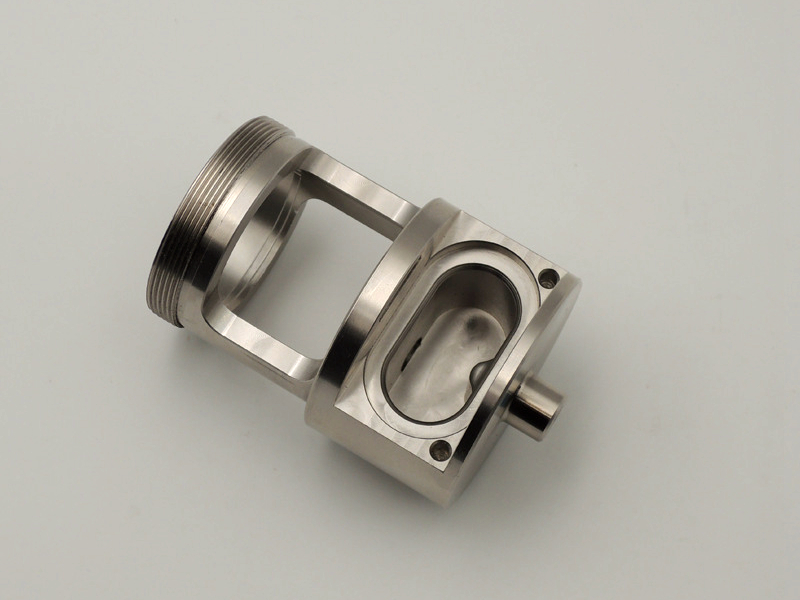
The cost gap grows when titanium's low thermal conductivity and tendency to react with cutting tools concentrate heat and accelerate wear at the cutting edge. Deep pockets, thin walls, internal threads, long tool reach, and high material removal make those controls more demanding. Features made through CNC turning services or multi-axis machining services are not expensive merely because of the process name; cost follows access, rigidity, setup count, cycle time, and inspection. A high buy-to-fly ratio penalizes a titanium billet route because valuable stock becomes chips while removal remains slow. Near-net stock can reduce that penalty after availability, minimum order, certification, allowance, and datum access are confirmed. For thin walls, compare dimensions after unclamping because in-fixture readings can hide movement. Ask how many parts each tool-life allowance covers; conservative replacement can shift unit cost in small batches.
Surface finishing and lifecycle economics
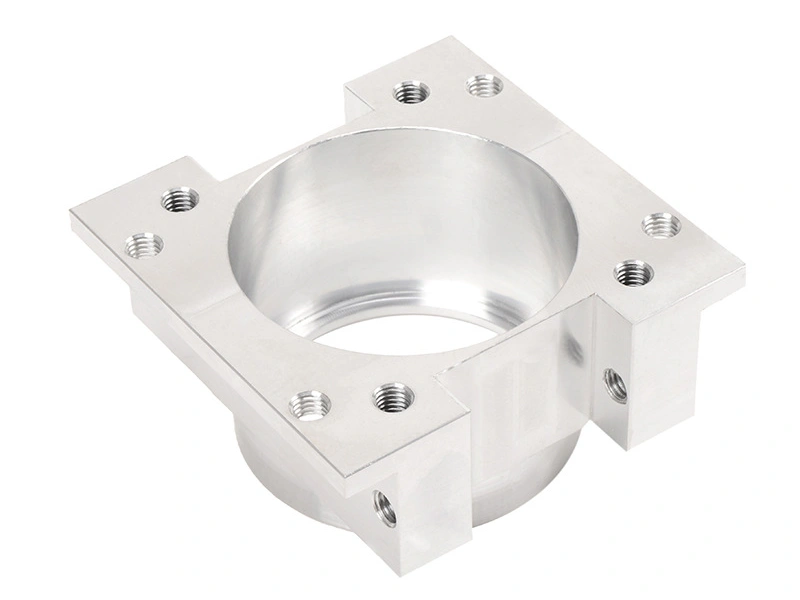
Finishing can widen, narrow, or obscure the machining-only price difference. An aluminum part may retain an as-machined surface finish when its service and appearance requirements allow, or it may require anodizing with controlled alloy, temper, pretreatment, masking, contact points, and dimensional allowance. A CNC powder coating finish adds its own film-build, masking, cure, appearance, and inspection requirements. Holes, threads, sealing lands, and fits may need protection or post-finish verification. Compare complete finished-part quotations, because blank machining prices omit rejection and rework risks. The RFQ should define permitted rack marks, color acceptance, plugged features, and whether dimensions are accepted before or after coating.
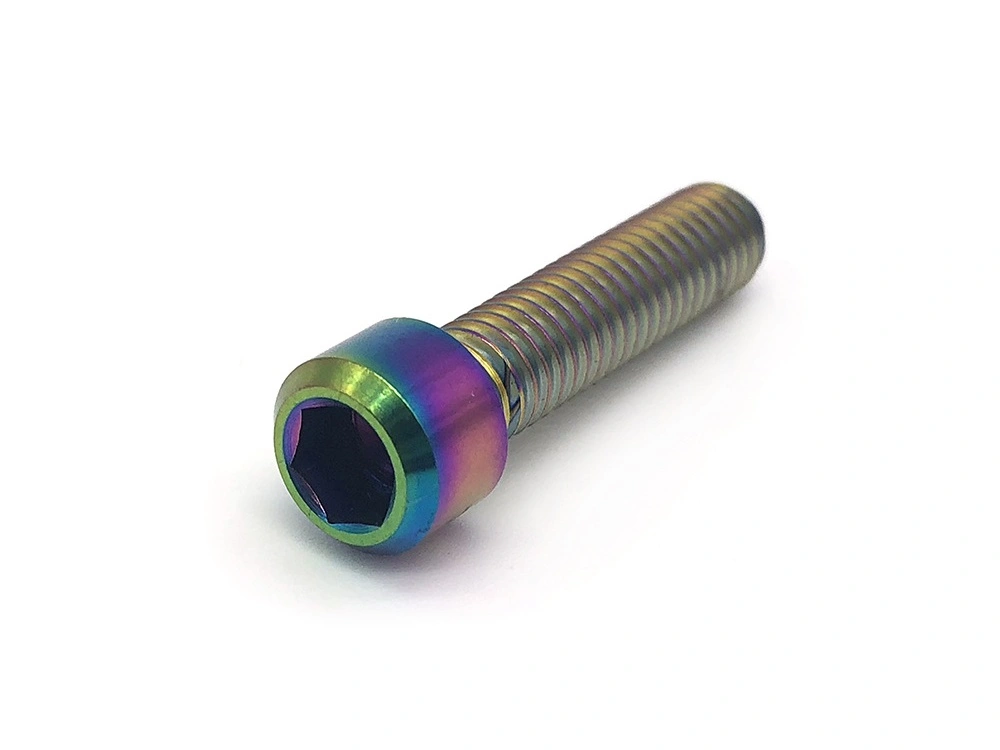
Titanium can remain uncoated in some compatible environments, but that choice depends on wear, galling, appearance, cleaning, electrical contact, and biological requirements. Alloys such as Ti-6Al-4V (TC4) and Ti-6Al-4V ELI (Grade 23) are not interchangeable purchasing labels; material specification, product form, condition, traceability, and application approval determine suitability. A grade such as Ti-5Al-5V-5Mo-3Cr (Ti5553) should be quoted only when its property and processing route serve a defined design requirement. Titanium's corrosion performance does not automatically make it the lower-lifecycle-cost option. Sliding contacts may still require lubrication, coating, or a compatible counterface to control galling, and those measures belong in the comparison.
Side-by-side CNC machining prototyping can test whether the titanium premium buys a measurable functional benefit. Use representative stock, setup logic, tool access, finishing, and inspection rules for both versions. Record mass, material utilization, cycle time, burr condition, dimensional movement after unclamping, surface condition, assembly fit, and finishing effects. Titanium can reduce system mass only if its higher strength enables a validated section reduction or part consolidation; the same titanium geometry is denser than aluminum. Service-life or failure-risk savings also require application testing, not a material-name assumption. Where geometry changes, validate stiffness, joints, load paths, and vibration behavior rather than comparing material data sheets alone. Use the same inspection temperature and stabilization rule when tight dimensions are compared.
Application-based selection: where each material makes sense
Application requirements determine whether titanium's added cost has a business case. In Aerospace and Aviation, titanium can suit defined strength, fatigue, corrosion, or temperature demands, while aluminum 6061 or Aluminum 7075 can serve different duties when temper, design allowables, environment, and approval basis permit. In the Automotive Industry, either family may be justified by mass, load, corrosion, volume, and joining strategy rather than prestige. In Medical Device applications, titanium selection must follow material traceability, biological evaluation, cleaning, sterilization, and the regulatory pathway. A cheaper route has no purchasing value if an approved source or qualified process is mandatory.
Choose Aluminum 6061 or another aluminum alloy when its documented condition satisfies load, stiffness, temperature, corrosion, fatigue, joining, and finish requirements at lower evaluated cost. Choose titanium when a specified grade provides a required property that the aluminum route cannot meet with acceptable risk. Send suppliers the same model, revision, quantity breaks, stock form, critical features, finish, inspection method, documentation, and delivery basis. Request separate material, machining, finishing, inspection, and nonrecurring charges. Normalize freight, certification, scrap replacement, outside processing, exclusions, and quote validity before comparing totals. Require each quote to state whether material is customer-supplied or supplier-purchased and who owns replacement risk after nonconformance. The defensible cost difference is the delta between matched quotes, followed by functional validation of any geometry or material change.