What Types of CNC Machined Parts Are Commonly Used in Oil and Gas Equipment?
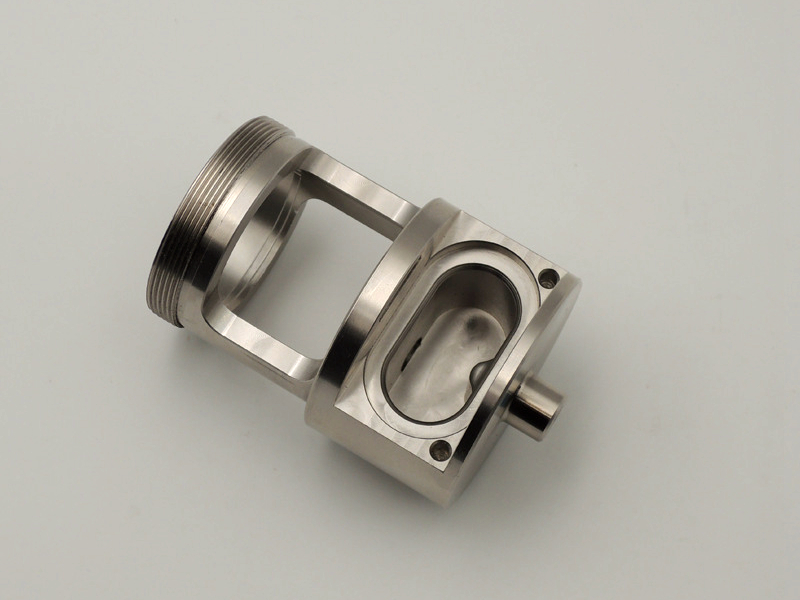
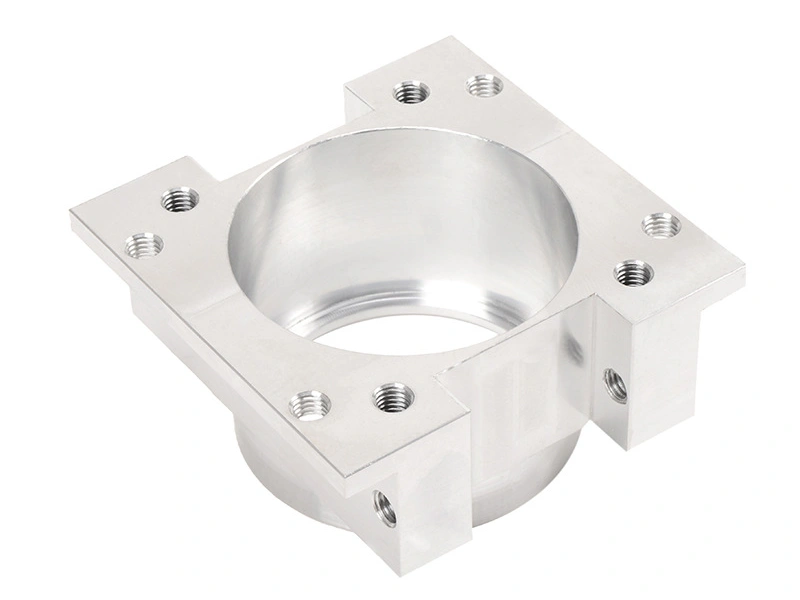
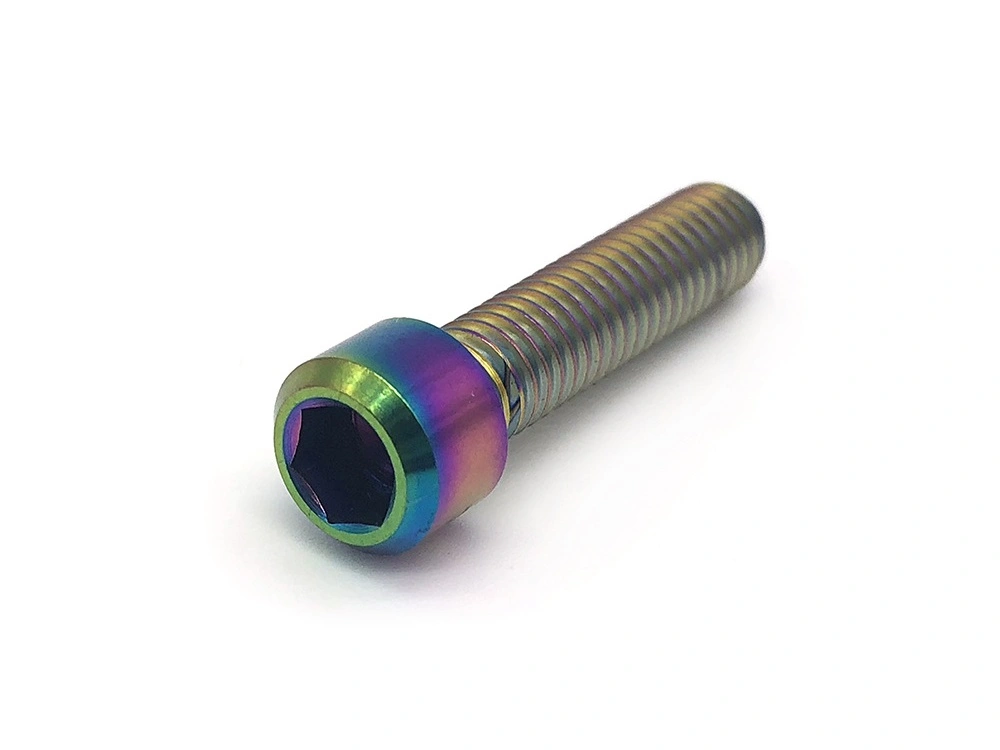
<p><a target="_blank" href="https://www.newaymachining.com/services/cnc-machining/faq-what-types-of-cnc-machined-parts-are-commonly-used-in-oil-and-gas-equipment"><img src="https://www.newaymachining.com/storage/attachments/2026/04/24/What Types of CNC Machined Parts Are Commonly Used in Oil and Gas Equipment.webp" alt="CNC-machined parts used in oil and gas equipment" width="800" height="600" loading="lazy"></a></p><h2 id="what-types-of-cnc-machined-parts-are-commonly-used-in-oil-and-gas-equipment?">What Types of CNC Machined Parts Are Commonly Used in Oil and Gas Equipment?</h2><p>Valve bodies and seats, pressure connectors and fittings, bushings and wear sleeves, seal carriers, and machined housings are the CNC-machined parts most often found in <a target="_blank" href="https://www.newaymachining.com/solutions/oil-and-gas">oil and gas equipment</a>. Their suitability depends on the pressure boundary, fluid chemistry, temperature, load, wear mechanism, and governing equipment specification. A part name alone does not define the required material, tolerance, inspection, or test. Before ordering <a target="_blank" href="https://www.newaymachining.com/services/cnc-machining">CNC machining</a>, buyers should identify the equipment function, service environment, critical interfaces, material condition, applicable standard, and final acceptance state.</p><p>Most failures begin at a functional interface rather than at the outside profile. A damaged thread crest can obstruct assembly, a displaced valve-seat bore can prevent uniform contact, and a sleeve with unsuitable clearance can seize after temperature changes. Corrosion allowance cannot correct an incompatible alloy, and a pressure test cannot prove every dimensional relationship. The drawing and inspection plan therefore need to connect each feature with its actual failure mode and verification method.</p><h3 id="1.-why-oil-and-gas-equipment-depends-so-heavily-on-cnc-machined-parts">1. Why Oil and Gas Equipment Depends So Heavily on CNC Machined Parts</h3><p>Oil and gas systems use machined parts where pressure containment, controlled motion, sealing, alignment, or replaceable wear must be maintained in a defined service. Machining establishes the thread form, datum relationship, bore geometry, groove profile, and contact surface needed by those functions. It does not determine whether the selected design or material is suitable for the service.</p><p>The governing specification changes with the equipment. API 6A or ISO 10423 addresses specified wellhead and tree equipment, while API 6D or ISO 14313 applies to qualifying pipeline valves. NACE MR0175/ISO 15156 supports metallic-material selection for H2S-containing production environments. These standards are not interchangeable approval labels. The purchaser must state which edition, product scope, material restrictions, inspection level, and records apply.</p><div class="i-typography-table-responsive"><table><tbody><tr><th colspan="1" rowspan="1"><p>Common Oil and Gas Part Type</p></th><th colspan="1" rowspan="1"><p>Main Function</p></th><th colspan="1" rowspan="1"><p>Why CNC Machining Is Important</p></th></tr><tr><td colspan="1" rowspan="1"><p>Valve bodies, seats, stems, and retainers</p></td><td colspan="1" rowspan="1"><p>Control, isolate, or direct pressurized flow</p></td><td colspan="1" rowspan="1"><p>Relates seat geometry, stem alignment, threads, and sealing datums</p></td></tr><tr><td colspan="1" rowspan="1"><p>Connectors, couplings, and fittings</p></td><td colspan="1" rowspan="1"><p>Join pressure lines or equipment interfaces</p></td><td colspan="1" rowspan="1"><p>Controls thread form, shoulders, passages, and seal contact</p></td></tr><tr><td colspan="1" rowspan="1"><p>Bushings and wear sleeves</p></td><td colspan="1" rowspan="1"><p>Guide motion and provide a replaceable wear surface</p></td><td colspan="1" rowspan="1"><p>Controls clearance, roundness, finish, and datum runout</p></td></tr><tr><td colspan="1" rowspan="1"><p>Seal carriers and sealing interfaces</p></td><td colspan="1" rowspan="1"><p>Locate seals and limit fluid escape</p></td><td colspan="1" rowspan="1"><p>Controls groove profile, edge condition, face form, and fit</p></td></tr><tr><td colspan="1" rowspan="1"><p>Pressure housings and instrument bodies</p></td><td colspan="1" rowspan="1"><p>Contain pressure and locate internal components</p></td><td colspan="1" rowspan="1"><p>Relates wall geometry, ports, bores, faces, and mounting datums</p></td></tr></tbody></table></div><h3 id="2.-valves-and-valve-components-are-among-the-most-common-machined-parts-in-oil-and-gas">2. Valves and Valve Components Are Among the Most Common Machined Parts in Oil and Gas</h3><p>Common machined valve parts include bodies, bonnets, seats, stems, cages, sleeves, retainers, and end connections. The critical features depend on the valve design. A seat may require controlled circularity and position to its guide bore, while a stem needs a defined relationship among its sealing diameter, thread, and operating surfaces.</p><p>Valve acceptance cannot be inferred from nominal dimensions alone. Inspection should use the drawing datums and verify the features that create contact, travel, and pressure isolation. Leakage or pressure testing must follow the governing valve or equipment specification and the approved procedure. A successful dimensional report does not replace that functional test, and one pressure test does not establish long-term wear resistance.</p><h3 id="3.-connectors-and-threaded-fittings-are-critical-because-small-errors-can-cause-leakage">3. Connectors and Threaded Fittings Are Critical Because Small Errors Can Cause Leakage</h3><p>Connectors and fittings fail when the manufactured connection does not match its intended sealing mechanism. Some connections seal on tapered threads, while others use a shoulder, cone, gasket, metal seal, or separate elastomer. Thread designation, gauge practice, engagement, seal surface, clocking requirement, and allowable repair must therefore be stated rather than inferred from a generic connector name.</p><p>NPT geometry may be specified by ASME B1.20.1 when the drawing calls for that thread; API 5B applies only to covered casing, tubing, and line-pipe threads. Proprietary premium connections require their approved specifications and gauges. Cylindrical parts are often efficient candidates for <a target="_blank" href="https://www.newaymachining.com/services/cnc-turning">CNC turning</a>, but the process plan must protect the connection datum, sealing shoulder, bore, and handling-sensitive thread surfaces.</p><h3 id="4.-bushings-and-wear-sleeves-are-used-where-friction,-load,-and-motion-must-be-controlled">4. Bushings and Wear Sleeves Are Used Where Friction, Load, and Motion Must Be Controlled</h3><p>Bushings and sleeves support shafts, guide sliding members, protect expensive housings, or provide a replaceable erosion surface. Their working clearance changes with mating-part size, material pair, hardness, coating, lubrication, contamination, load, and operating temperature. A room-temperature diameter check is useful only when those conditions and the intended fit are defined.</p><p>A practical release plan verifies material and heat-treatment condition before interpreting dimensions. It then checks bore size and form, outside-diameter relationship, runout to the specified datum, surface condition, and damage after deburring or coating. Thin sleeves may change shape after unclamping, so free-state inspection and the installed-state requirement must not be confused.</p><div class="i-typography-table-responsive"><table><tbody><tr><th colspan="1" rowspan="1"><p>Part Category</p></th><th colspan="1" rowspan="1"><p>Typical Critical Machined Features</p></th><th colspan="1" rowspan="1"><p>Main Performance Risk If Poorly Machined</p></th></tr><tr><td colspan="1" rowspan="1"><p>Valve body or seat component</p></td><td colspan="1" rowspan="1"><p>Seat form, guide bore, travel stop, and sealing datums</p></td><td colspan="1" rowspan="1"><p>Uneven contact, leakage, sticking, or incomplete shutoff</p></td></tr><tr><td colspan="1" rowspan="1"><p>Connector or fitting</p></td><td colspan="1" rowspan="1"><p>Thread form, gauge plane, shoulder, bore, and seal face</p></td><td colspan="1" rowspan="1"><p>Assembly damage, leakage path, or localized overload</p></td></tr><tr><td colspan="1" rowspan="1"><p>Bushing or sleeve</p></td><td colspan="1" rowspan="1"><p>Clearance diameter, form, finish, hardness, and runout</p></td><td colspan="1" rowspan="1"><p>Seizure, accelerated wear, vibration, or loss of alignment</p></td></tr><tr><td colspan="1" rowspan="1"><p>Seal carrier or interface</p></td><td colspan="1" rowspan="1"><p>Groove profile, edge radius, face form, and surface condition</p></td><td colspan="1" rowspan="1"><p>Seal cutting, extrusion, poor compression, or fluid escape</p></td></tr><tr><td colspan="1" rowspan="1"><p>Housing or enclosure</p></td><td colspan="1" rowspan="1"><p>Pressure wall, ports, intersecting bores, faces, and datums</p></td><td colspan="1" rowspan="1"><p>Misalignment, leakage, trapped burrs, or invalid test results</p></td></tr></tbody></table></div><h3 id="5.-sealing-components-and-machined-sealing-interfaces-are-essential-in-pressure-systems">5. Sealing Components and Machined Sealing Interfaces Are Essential in Pressure Systems</h3><p>Machined sealing features include O-ring and backup-ring grooves, metal-to-metal seats, gasket faces, seal bores, shoulders, and flange contact surfaces. Each feature needs the seal design, material, pressure direction, temperature range, media, mating finish, and assembly method. A generic surface-finish callout cannot define every sealing interface.</p><p>Inspection should check the complete sealing path, not only groove width or face flatness. Burrs, torn edges, tool marks across the seal path, coating buildup, and datum error can defeat an otherwise acceptable dimension. Buyers should state whether dimensions apply before or after plating, overlay, coating, lapping, or other finishing, then require final-state verification where the finish changes function.</p><h3 id="6.-housings-and-pressure-containing-parts-need-machined-datums-and-stable-functional-faces">6. Housings and Pressure-Containing Parts Need Machined Datums and Stable Functional Faces</h3><p>Pressure housings, instrument bodies, pump components, manifolds, and sensor enclosures combine containment geometry with ports, bores, threaded interfaces, and mounting features. Their machining plan should retain enough stock for cleanup, maintain minimum wall requirements from the approved design, and control the datum chain that locates internal components and external connections.</p><p>Pressure capability comes from the qualified design, material route, manufacturing controls, required nondestructive examination, and specified proof or leak testing. CNC dimensions alone cannot establish a pressure rating. The RFQ should identify pressure-boundary features, material specification and condition, traceability, prohibited repairs, NDE scope, test procedure, acceptance criteria, and required documentation.</p><h3 id="7.-why-functional-surfaces-matter-more-in-oil-and-gas-than-in-less-demanding-industries">7. Why Functional Surfaces Matter More in Oil and Gas Than in Less Demanding Industries</h3><p>Functional surfaces receive greater scrutiny when their failure can release pressure, contaminate a system, interrupt production, or prevent safe maintenance. The consequence comes from the service and equipment design, not from the industry label alone. A cosmetic outer surface and a pressure-seal land on the same part should not receive the same inspection priority.</p><p>A useful control plan maps each critical feature to its function, manufacturing stage, measurement method, acceptance rule, and reaction to a nonconformance. Thread gauges, dimensional equipment, surface instruments, material records, NDE, and functional tests answer different questions. The buyer should request the evidence needed for the identified risk instead of asking for every available report.</p><h3 id="8.-summary">8. Summary</h3><p>The recurring CNC-machined components in <a target="_blank" href="https://www.newaymachining.com/solutions/oil-and-gas">oil and gas equipment</a> are valve parts, connectors, fittings, bushings, sleeves, seal interfaces, manifolds, and pressure housings. Their value from <a target="_blank" href="https://www.newaymachining.com/services/cnc-machining">CNC machining</a> lies in controlling the functional relationships among threads, bores, seats, grooves, faces, and datums. Material suitability, pressure qualification, corrosion resistance, and service life still require separate engineering evidence.</p><p>For a cylindrical fitting or sleeve, <a target="_blank" href="https://www.newaymachining.com/services/cnc-turning">CNC turning</a> may provide an efficient primary route, while cross-holes, ports, flats, or complex housings need additional operations. A complete RFQ names the component function, governing specification and edition, material and final condition, service environment, critical characteristics, inspection and test requirements, traceability, finish state, lot quantity, and required records. Those inputs let a supplier propose a route that can be verified against the actual equipment risk.</p>