What Surface Finishes Are Best for CNC Machined Metal Parts in Different Industries?
What Surface Finishes Are Best for CNC Machined Metal Parts in Different Industries?
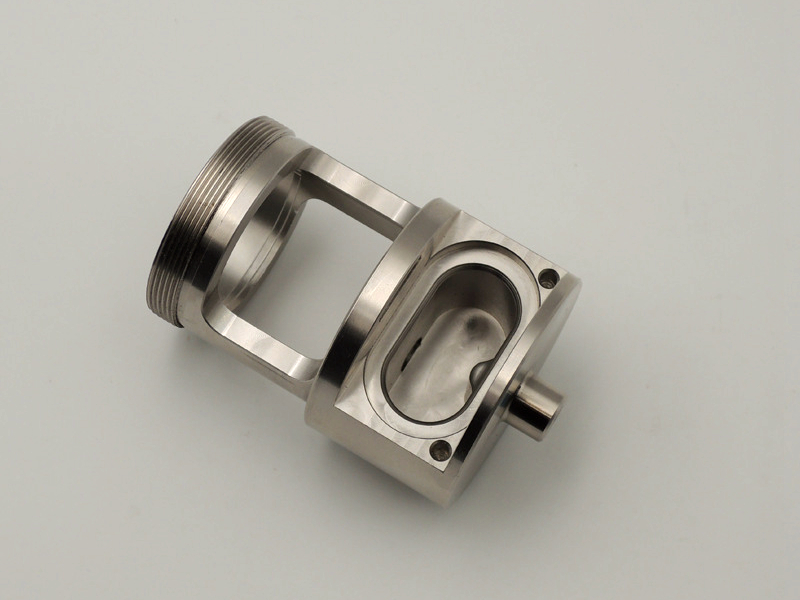
The best finish depends on the base metal, exposure, functional surface, and acceptance method. anodizing suits many aluminum automotive and consumer parts. passivation or electropolishing may suit corrosion-sensitive stainless medical hardware. plating can protect or change the function of steel, brass, or copper surfaces, while powder coating suits covered exterior surfaces. No finish is best without defining corrosion, wear, cleanliness, fit, appearance, and regulatory requirements.
A finish must be selected for the finished part, not for the industry name alone. An automotive bracket may need cyclic-corrosion resistance, electrical grounding, and protected threads. A medical device component may instead need validated cleanability, controlled roughness, and material-contact review. The RFQ should identify the exact alloy, finish specification, exposure, masked areas, final dimensions, cosmetic zones, and required tests. A coating can change bore size or thread fit, while electropolishing can remove material and round an edge.
1. Why Surface Finish Selection Matters for Machined Metal Parts
Surface finish selection matters because finishing changes corrosion behavior, dimensions, friction, cleanability, electrical contact, appearance, and sometimes fatigue risk. The required outcome must be tied to a named alloy, feature, service environment, and final inspection state. A finish that protects a housing may be unacceptable on a bearing seat, sealing face, grounding pad, threaded hole, or sterile-fluid surface.
The most common sourcing failure is choosing a finish name before defining the failure mode. Oils, heat tint, sharp edges, mixed alloys, trapped solution, poor rinsing, or inadequate masking can cause staining, blistering, peeling, underfilm corrosion, or assembly interference. The first table connects each existing finish to its mechanism, dimensional effect, and buyer confirmation.
Finish Type | Best-Fit Mechanism and Main Risk | Buyer Confirmation |
|---|---|---|
Converts an aluminum surface to an oxide layer for corrosion, wear, or appearance control. Growth and penetration can change precision fits, and alloy variation can change color. | Name the alloy, anodizing specification and type, sealed or unsealed condition, color, masked features, final dimensions, and corrosion or appearance test. | |
Removes surface contamination and supports the passive condition of stainless steel. It does not cover pits, remove heavy scale, or make an unsuitable stainless grade corrosion-proof. | Specify the stainless grade, cleaning and passivation standard, heat-tint condition, prohibited chemistry, verification test, rinsing, and final cleanliness requirement. | |
Removes surface metal and preferentially smooths peaks on a suitable alloy. It can enlarge holes, soften sharp edges, expose inclusions, or leave inaccessible areas less uniform. | Define the pre-finish allowance, protected geometry, target roughness where functional, material-removal limit, final cleaning, visual criteria, and inspection locations. | |
Adds a metallic layer for corrosion, wear, conductivity, solderability, or appearance. Current distribution can create thin recesses and heavy edges, while high-strength steel may require hydrogen-embrittlement controls. | Name the deposit system, substrate, thickness class, undercoat, masked zones, post-treatment, hydrogen-relief requirement, final fit, and thickness test method. | |
Adds a comparatively thick organic film for color and broad-surface protection. Threads, bores, seals, ground points, sharp edges, and porous castings need specific control. | Define pretreatment, powder system, color and gloss, dry-film requirement, masking, cure limits, adhesion test, corrosion test, and final assembly gauge. |
2. Anodizing: Best for Aluminum Parts in Automotive and Consumer Applications
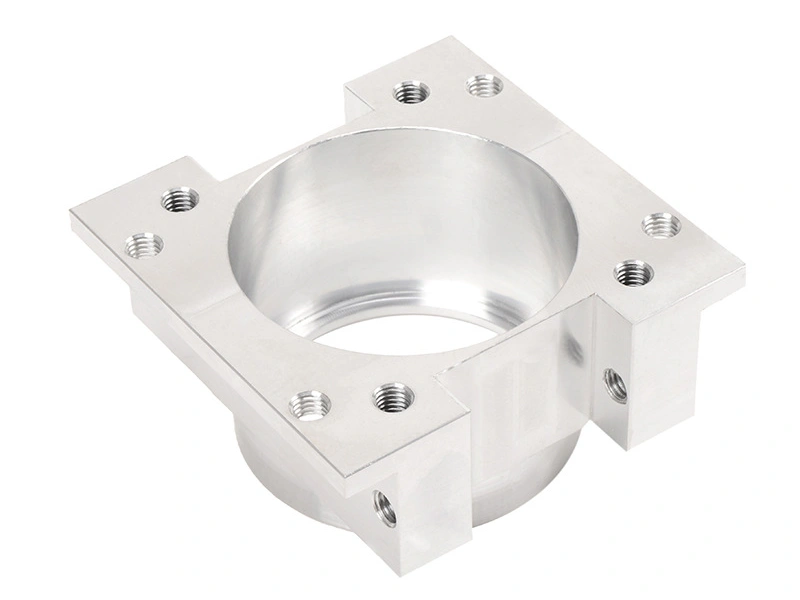
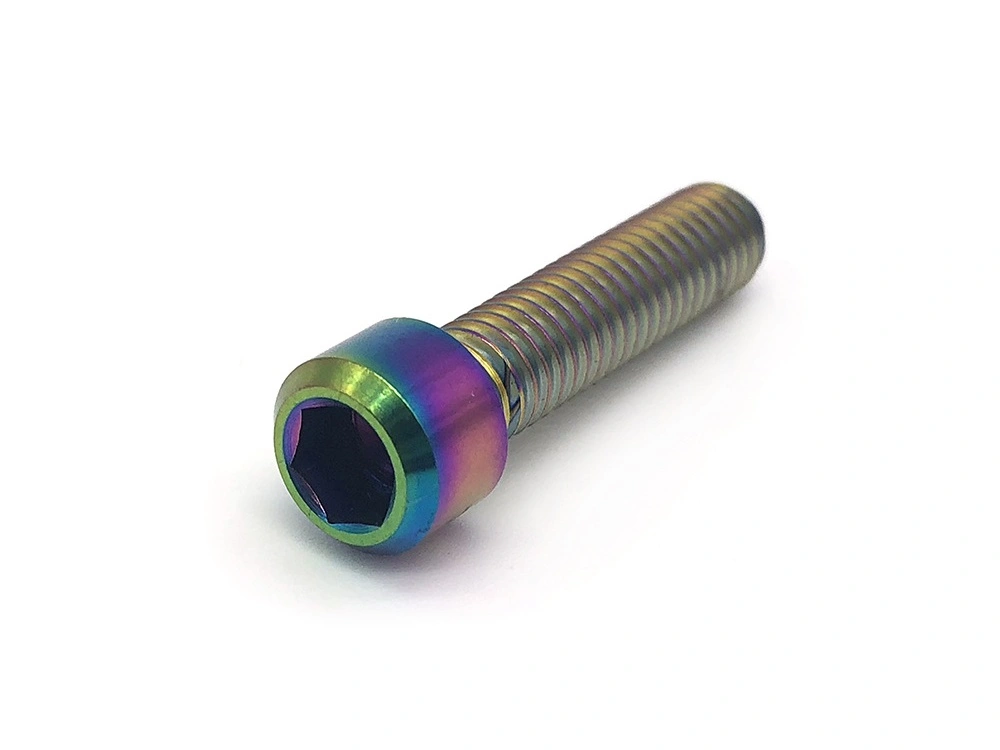
Anodizing is a strong choice for aluminum housings, brackets, panels, and controls when corrosion resistance, wear behavior, or appearance must improve without applying an organic paint film. In automotive programs, the selected anodic system still has to match exposure, alloy, fatigue-sensitive features, electrical contact, and cosmetic-zone requirements.
Sulfuric-acid protective anodizing and hard anodizing are not interchangeable specifications. ISO 7599 can define decorative and protective sulfuric-acid anodizing requirements, while a drawing may instead invoke another applicable standard. Buyers should state the required type, sealing, color, contact points, and final-dimensional rule. Threads, bearing bores, sealing diameters, and matched halves need masking or post-finish allowance because the oxide forms partly above and partly below the original surface.
3. Passivation: A Practical Choice for Stainless Parts in Medical and Corrosion-Sensitive Use
Passivation is appropriate for properly cleaned stainless parts when the goal is to remove free-iron contamination and restore a corrosion-resistant surface condition without adding a thick coating. A medical device drawing must still connect passivation to the exact stainless grade, manufacturing residues, contact classification, cleaning route, and final acceptance plan.
ASTM A967/A967M provides passivation treatments and verification tests for stainless parts; ASTM A380/A380M addresses cleaning, descaling, and passivation practices. Neither standard makes passivation a repair for pits, embedded abrasive, weld heat tint, or an unsuitable alloy. The supplier should complete machining and deburring, remove contaminants, apply the specified treatment, rinse and dry, then perform the selected verification on the final surface.
4. Electropolishing: Preferred When Smoothness and Cleanliness Matter Most
Electropolishing is preferred when a suitable stainless part needs controlled metal removal, reduced surface peaks, improved cleanability, or a bright uniform appearance. In a medical device application, that benefit must be validated on the finished geometry because electropolishing alone does not establish sterility, biocompatibility, or a guaranteed roughness value.
ASTM B912 covers passivation of stainless steels using electropolishing, but the purchasing specification must still define the material, protected surfaces, material-removal allowance, and verification method. Small holes, sharp edges, laser marks, press fits, and thin sections can change differently from broad surfaces. Measure functional dimensions and roughness after processing, at named locations, using the same final cleaning and inspection state required for acceptance.
5. Plating: Useful When Metal Parts Need Added Protection or Functional Surface Change
Plating is useful when a machined steel, brass, or copper part needs a metallic surface with specified corrosion, conductivity, solderability, wear, or appearance behavior. The word plating is not a complete finish callout. Zinc, nickel, tin, chromium, and multilayer systems have different substrates, thickness distributions, post-treatments, and service limits.
ASTM B633, for example, applies to electrodeposited zinc coatings on iron and steel; it is not a universal plating standard. A buyer should name the deposit, class or thickness, service condition, undercoat, conversion layer, and restricted substances. Critical threads and bores need an after-plate size rule. High-strength steel requires specification-led hydrogen-embrittlement prevention and relief, with timing and verification controlled by the applicable drawing or standard.
6. Powder Coating: Best for Durable Covered Finishes on Structural or Visible Parts
Powder coating is best for visible housings, covers, frames, brackets, and mounts that can accept an organic film and cure cycle. It is usually a poor default on bearing seats, gasket lands, threaded interfaces, electrical grounds, or precision bores unless those areas are masked and inspected after coating.
Durability depends on pretreatment, edge coverage, film build, cure, substrate cleanliness, and exposure, not color alone. Porous castings can outgas and form bubbles; sharp edges can retain less film; oil or oxide can cause adhesion loss. The RFQ should define appearance zones, allowed texture, color and gloss reference, masking drawing, cure-temperature limit, dry-film method, adhesion acceptance, and assembly gauge after coating.
Industry | Finish Direction and Condition | Failure Mode and Acceptance Action |
|---|---|---|
Anodizing for suitable aluminum; specified plating or powder coating for suitable steel. The choice follows the OEM exposure, appearance, grounding, and assembly requirements. | Check edge coverage, galvanic interfaces, stone-chip or cyclic-corrosion risk, masked fits, coating thickness, color, adhesion, and the approved production control plan. | |
Passivation or electropolishing for suitable stainless parts after machining and deburring. The device contact, cleaning, sterilization, and material requirements control the route. | Check residues, pits, embedded iron, burrs, roughness at functional locations, final dimensions, cleanliness records, and device-level biological evaluation where applicable. | |
Consumer Products | Anodizing, decorative plating, or powder coating selected by alloy, touch surface, color target, wear pattern, and visible cosmetic zone. | Approve a physical color and texture limit, then inspect rack marks, lot variation, scratches, coating buildup, print adhesion, and assembly after finish. |
Oil and Gas | A specification-led passivation, plating, or protective system selected for the base alloy, fluid, pressure boundary, temperature, chloride, and sour-service conditions. | Do not use finish to compensate for an unsuitable base material. Confirm material compatibility, coating damage risk, crevices, holiday detection where specified, and traceable final inspection. |
7. Which Finishes Work Best in Automotive Applications?
For automotive parts, anodizing commonly fits aluminum surfaces, while specified plating or powder coating commonly fits steel hardware and housings. The best route depends on location, galvanic couples, temperature, stone impact, moisture, road chemicals, grounding, appearance zone, and whether the feature is checked after finish.
Salt-spray exposure such as ISO 9227 is a controlled comparative test, not a direct prediction of service life. The buyer should name the OEM or drawing test, including any cyclic-corrosion sequence, scribe condition, evaluation method, and sample preparation. A first-article check should confirm masked fits, threads, electrical contact, color, adhesion, coating thickness, and assembly before the production control plan is frozen.
8. Which Finishes Work Best in Medical Applications?
For a medical device stainless component, passivation is often selected to control free-iron contamination, while electropolishing is selected when controlled material removal and surface refinement add functional value. The correct choice depends on alloy, device contact, cleanability, sterilization exposure, crevices, edge condition, and the final device risk assessment.
Neither finish alone proves that a device is biocompatible or sterile. ISO 10993 provides a risk-based framework for biological evaluation of the finished device according to contact type and duration. The RFQ should identify the stainless grade, passivation or electropolishing standard, residue restrictions, roughness locations, protected dimensions, cleaning and packaging state, inspection record, and any device-level validation supplied by the legal manufacturer.
9. How Do Surface Finishes Change Corrosion Resistance and Appearance?
Surface finishes change corrosion and appearance through different mechanisms. Anodizing converts aluminum, passivation changes stainless surface chemistry, electropolishing removes metal, plating adds metal, and powder coating adds an organic barrier. These routes cannot be compared by color or salt-spray hours alone because substrate, pretreatment, thickness, defects, geometry, damage, and service exposure change the result.
Appearance also begins before finishing. Tool marks, alloy chemistry, heat tint, welds, blasting media, polishing direction, rack contact, film build, and cure can remain visible or create lot variation. A defensible acceptance plan uses named cosmetic zones, viewing conditions, approved reference samples, thickness or material-removal measurements, adhesion or corrosion tests where relevant, and final checks on fits, threads, seals, grounds, and marked surfaces.
10. Summary
Choose the finish by mechanism and final-part risk. Anodizing fits many aluminum surfaces; Passivation controls stainless contamination; electropolishing removes metal and refines suitable stainless surfaces. Plating adds a functional metallic layer, while powder coating adds a durable organic film. Each route has different dimensional, adhesion, masking, and verification requirements.
The purchasing package should convert the industry need into measurable finish requirements. An Automotive RFQ should state exposure tests, appearance zones, grounding, masked fits, and production controls. A medical device RFQ should state alloy, contact and cleaning conditions, surface standard, residue limits, protected dimensions, and device-level validation responsibilities. For every industry, release the finish only after the final part meets coating or removal limits, functional dimensions, corrosion or cleanliness criteria, and assembly requirements.