What Metals Are Most Commonly Used in CNC Machining and What Are Their Advantages?
What Metals Are Most Commonly Used in CNC Machining and What Are Their Advantages?
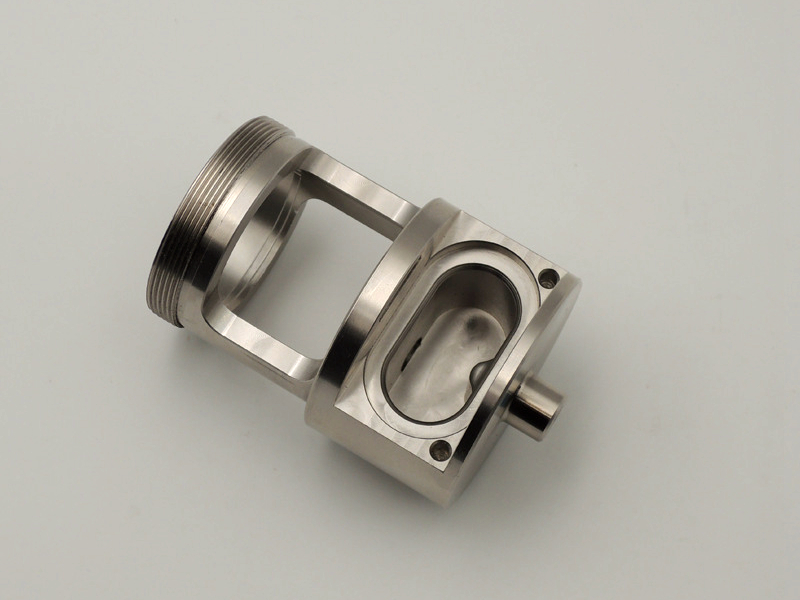
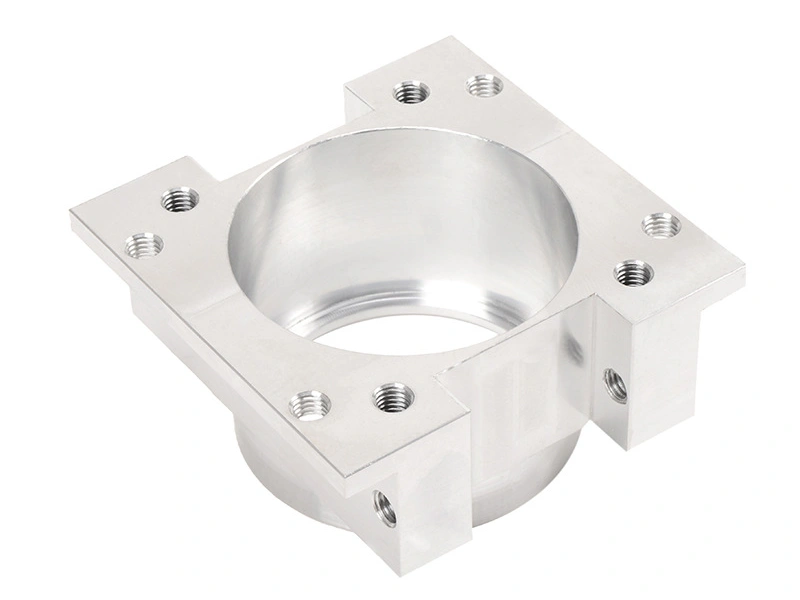
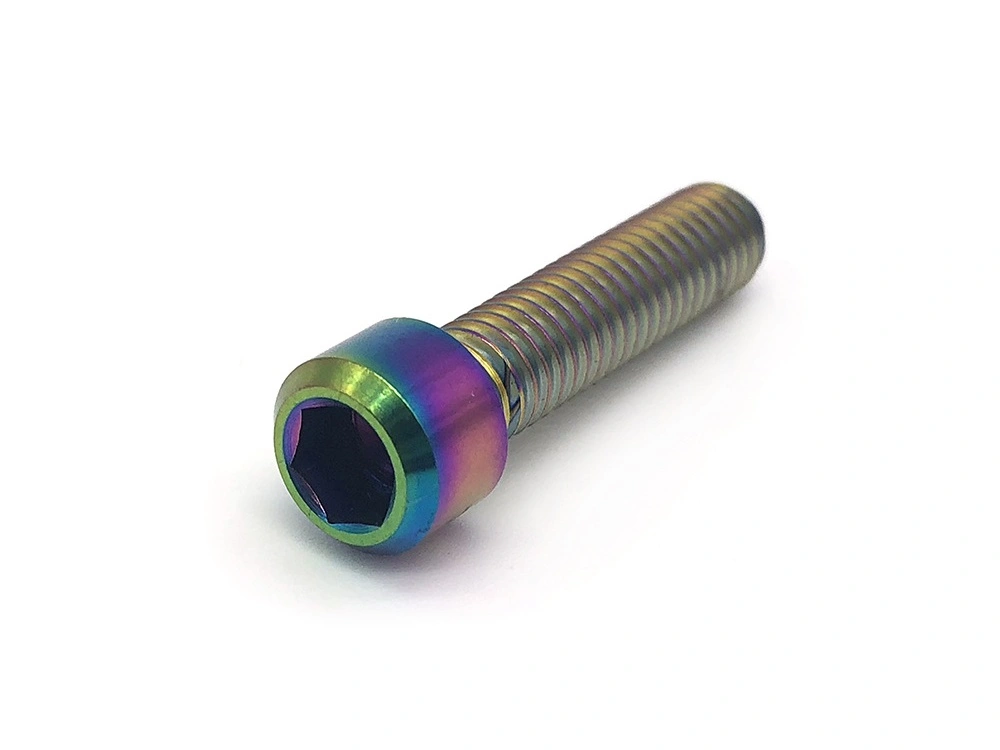
The most common metals used in CNC machining are aluminum, stainless steel, brass, copper, titanium, and carbon steel. Aluminum favors low mass and efficient cutting; stainless steel favors corrosion-resistant service; brass favors clean chips and threads; copper carries heat or current; titanium combines low mass with demanding mechanical performance; carbon steel provides practical strength. These advantages apply only when the exact grade, condition, stock form, geometry, and final surface state match the design.
A material family is a starting point, not an RFQ specification. For example, 6061-T6 and 7075-T6 aluminum, 303 and 316 stainless steel, free-cutting and lead-free brass, or Grade 2 and Grade 5 titanium can require different machining and acceptance plans. Buyers should state the material designation and condition, functional environment, certificates, post-processing, and critical features. The supplier can then confirm stock availability, cutting risks, finish allowance, and the inspection stage that represents the delivered part.
1. Why These Metals Dominate CNC Machining Projects
These six metal families dominate CNC work because they cover distinct combinations of structural load, mass, corrosion, conductivity, wear, appearance, and total manufacturing cost. No family is best across all criteria. The useful comparison is whether a grade delivers the required function without creating avoidable tool wear, distortion, finishing risk, or inspection burden.
Start with the service requirement, then narrow the choice by grade and product form. A sealing body needs environmental compatibility and controlled sealing features. An electrical terminal needs a conductivity requirement plus a contact-surface specification. A thin housing needs adequate stiffness after unclamping and after finishing. The table below turns those differences into questions that purchasing can close before release.
Metal Family | Advantage When Conditions Match | Failure Mode to Screen | Buyer Confirmation |
|---|---|---|---|
Aluminum | Low mass, efficient cutting, and broad finish options | Thin-wall movement or coating-related fit change | Lock grade, temper, stock form, finish, and final-state dimensions |
Stainless steel | Corrosion resistance with useful strength and cleanliness | Work hardening, heat, burrs, or unsuitable grade selection | Define grade, exposure, passivation or finish, and acceptance state |
Brass | Stable chips and precise threads in free-cutting grades | Assuming lead-free and free-cutting alloys machine alike | Specify alloy designation, compliance limits, thread, and surface needs |
Copper | Electrical or thermal performance matched to the alloy | Smearing, built-up edge, burrs, or damaged contact surfaces | State conductivity, temper, contact finish, and burr limits |
Titanium | Strength-to-weight and corrosion performance for demanding service | Cutting heat, rapid tool wear, or surface-integrity damage | Lock grade, condition, service boundary, and validation method |
Carbon steel | Load capacity, heat-treatment options, and practical material cost | Corrosion, hardness variation, scale, or heat-treatment distortion | Define grade, condition, heat treatment, coating, and final hardness |
2. Aluminum: The Most Common Choice for Lightweight Precision Parts
Aluminum is usually the first metal to screen when a part needs low mass, efficient milling, and anodized or cosmetic finishes. The alloy and temper still control the result. 6061-T6 is a common general-purpose choice, while 7075-T6 serves a different strength and service envelope; they are not automatic substitutes. The RFQ should identify the governing material specification, temper, and stock form because plate, extrusion, and bar can carry different property and distortion considerations.
Aluminum's main machining risk is often geometry rather than cutting difficulty. Thin walls can move as residual stress is released or after clamps are removed. Anodizing can also change a bore, thread, or mating surface if allowance and masking are undefined. Validate critical geometry in the free state and in the drawing's required finish state. For a coated housing, purchasing should settle whether dimensions apply before or after treatment and which surfaces require masking.
3. Stainless Steel: The Standard Choice for Corrosion Resistance and Durable Service
Stainless steel is appropriate when the chosen grade can resist the actual moisture, chemical, cleaning, or temperature exposure while meeting mechanical and surface requirements. Grade names cannot be exchanged casually. Type 303 is selected in some machined-part programs for improved chip formation, whereas 304 and 316 serve different corrosion, fabrication, and compliance needs. The drawing should state the exact designation rather than allow a supplier to choose only by the word stainless.
Austenitic stainless grades can work harden when a tool rubs instead of cutting, increasing heat, burrs, tool wear, and dimensional drift. Rigid support, suitable tooling, chip control, and planned tool-change criteria are therefore part of the quality route. Validation must address the function: size and position for an assembly, roughness for a seal, thread gauging for a fitting, or the specified final surface condition after passivation or another treatment.
4. Brass: The Easiest Precision Metal for Connectors and Threaded Parts
Brass offers its strongest machining advantage in alloys designed for free cutting, making it useful for threaded fittings, connectors, inserts, valve details, and small turned parts. C360 is a familiar free-cutting reference, but the label brass also covers lead-free and other compositions with different chip, burr, strength, corrosion, and compliance behavior. A generic material callout therefore cannot support a reliable quotation.
Clean chips can shorten cycles and help protect fine threads, but good machinability does not remove the need for functional checks. Thread form, sealing face, plating allowance, and burr condition may determine acceptance more than an external diameter. Buyers should identify the exact alloy, restricted-substance requirements, fluid or environmental exposure, plating, and gauge criteria. A first article should confirm both the feature geometry and the post-finish fit.
5. Copper: Selected for Conductivity and Heat Transfer Performance
Copper is selected when a part must carry electrical current or transfer heat, so conductivity belongs in the material decision rather than being assumed from color or a generic copper callout. High-conductivity C110 and more machinable tellurium-bearing C145 illustrate the trade-off: the alloy that cuts more cleanly is not automatically equivalent in conductivity, forming behavior, joining, or compliance. Engineering must define which property protects the application.
Soft, ductile copper grades can smear, form built-up edge, pull burrs, or mark easily during handling. Those effects matter at contact faces, narrow slots, threaded terminals, and heat-transfer surfaces. The supplier should control tool sharpness, support, chip evacuation, and deburring without rounding a functional edge. The RFQ should state alloy and temper, minimum conductivity when relevant, contact or plating requirements, cleanliness, and the inspection method for burr-sensitive features.
6. Titanium: The High-Performance Choice for Demanding Environments
Titanium is justified when its strength-to-weight, corrosion, or biocompatibility envelope is necessary enough to offset higher stock and machining costs. Commercially pure Grade 2 and Ti-6Al-4V Grade 5 solve different mechanical problems and cannot be treated as substitutes. The specification should identify grade, condition, product form, applicable material standard, and any service or traceability requirement before a quote is compared.
Titanium retains cutting heat near the tool, so rubbing, unstable engagement, or poor chip evacuation can accelerate wear and damage the machined surface. A rigid setup and controlled tool-life plan are more useful than a generic claim of titanium capability. Validation should examine the features affected by the route, including burrs, dimensional drift, surface condition, and evidence required by the drawing. Buyers should also separate material certification from finished-part inspection; one does not replace the other.
7. Carbon Steel: The Practical Choice for Strong Mechanical Parts at Controlled Cost
Carbon steel is a practical choice for shafts, supports, couplings, bases, and machine elements when load capacity and total cost matter more than low mass or inherent corrosion resistance. Grade and condition remain decisive. Low-carbon 1018 and medium-carbon 1045 do not share the same strength, hardness, heat-treatment response, or cutting behavior. Alloy steels such as 4140 are a separate selection branch and should not be quoted as plain carbon-steel equivalents.
Heat treatment can improve a required property but may also change hardness, straightness, scale, and machining sequence. Protective coating can alter fits or leave masked areas exposed. The route must state whether critical features are finished before or after heat treatment and coating, then verify the delivered condition. Buyers should provide grade, stock condition, heat treatment, hardness range, coating, corrosion environment, and final dimensional state instead of requesting only steel.
Selection Checkpoint | Aluminum | Stainless Steel | Brass | Copper | Titanium | Carbon Steel |
|---|---|---|---|---|---|---|
Functional advantage | Low mass and finish flexibility | Corrosion-resistant service | Free-cutting precision features | Electrical or thermal transfer | Demanding strength-to-weight | Practical mechanical strength |
State to lock | Alloy, temper, and stock form | Grade and final surface state | Alloy and compliance limits | Alloy, temper, and conductivity | Grade, condition, and traceability | Grade, condition, and hardness |
Machining watchpoint | Thin-wall movement and burrs | Work hardening and tool wear | Grade-dependent chip behavior | Smearing and edge burrs | Cutting heat and surface damage | Hardness and scale variation |
Final-state check | Free state and after anodizing | After passivation or finish | Thread or seal after plating | Contact face and cleanliness | Surface integrity and burrs | After heat treatment and coating |
RFQ evidence | Material record and finish-state report | Grade record and functional inspection | Alloy record and gauge result | Conductivity and feature inspection | Traceability and route-specific report | Material, hardness, and coating records |
8. How Do Machining Difficulty and Cost Differ Between These Metals?
Machining cost differs by grade, condition, geometry, quantity, and acceptance plan, so no fixed ranking is valid for every part. Stock price is only one input. Cycle time, tool consumption, setup rigidity, distortion control, deburring, heat treatment, coating, scrap exposure, and inspection can outweigh the price difference between two candidate metals. A free-cutting brass fitting may be economical despite higher stock cost, while a thin aluminum housing may need additional stabilization and final-state inspection.
A useful quotation explains the route behind the number. Purchasing should compare stock form and availability, setup count, planned tool-life controls, external processes, measurement stage, and assumptions about material substitution. For a meaningful validation, request a first article or representative sample made from the released grade and condition. Check the critical feature after all operations that can change it, rather than comparing only quoted cycle time.
9. How Should Buyers Choose Between These Common CNC Metals?
Buyers should choose the metal by screening function first, service environment second, and manufacturing route third. Eliminate materials that cannot meet the load, mass, corrosion, temperature, conductivity, wear, or compliance requirement. Then compare viable grades by stock form, feature geometry, machinability, post-processing, inspection, and total delivered cost. This sequence prevents an easy-to-machine material from reaching production when it cannot protect the part's function.
The RFQ should include matched 2D and 3D files, revision, exact material designation and condition, approved substitutions, quantity and forecast, critical-to-function features, surface treatment, cosmetic zones, certificates, and inspection records. Ask the supplier to identify grade-specific risks, finish allowances, deburring method, external handoffs, and validation stage. If two grades remain viable, test the decision on a representative geometry and final finish rather than relying on a generic property table.
10. Summary
The most common metals in CNC machining remain aluminum, stainless steel, brass, copper, titanium, and carbon steel, but each advantage is conditional. Material family alone does not define strength, corrosion behavior, conductivity, machinability, finish response, or finished-part cost. Grade, temper or heat treatment, product form, geometry, and service exposure complete the decision.
For release, specify the exact material and state, functional environment, final surface condition, critical features, quantity, certificates, and acceptance evidence. Require the supplier to explain machining risks and verify the part after heat treatment, coating, anodizing, passivation, or another operation that can change function. That information lets engineering and purchasing select a metal for demonstrated part performance instead of choosing from an unqualified best-material list.