What Materials Are Best for Custom Machined Components in Corrosive or High-Stress Environments?
What Materials Are Best for Custom Machined Components in Corrosive or High-Stress Environments?
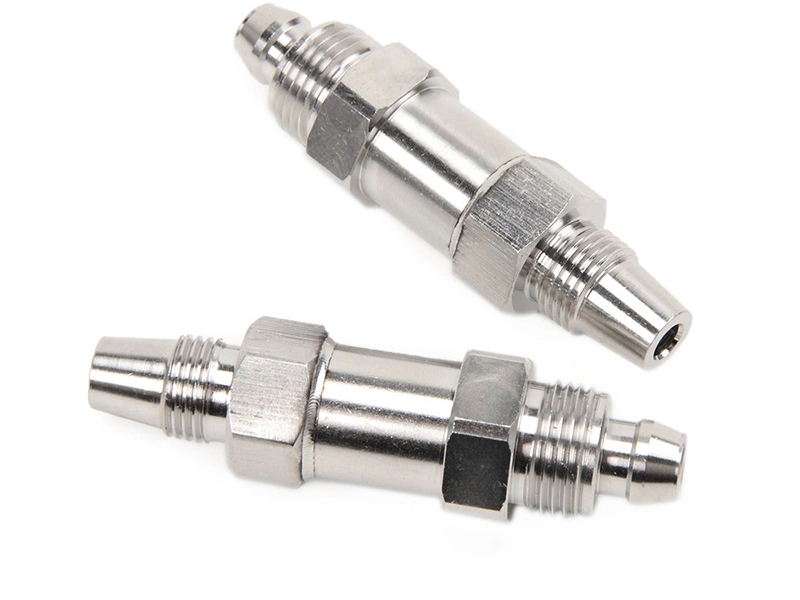
The best material for a custom machined component is the grade and condition that resists the identified failure mechanisms at the actual medium, temperature, stress, contact, and service duration. stainless steel, titanium, superalloy, and bronze are useful candidate families, not universal answers. Stainless steel often balances corrosion and structural duty. Titanium can combine low mass with corrosion resistance. Nickel-based alloys address selected chemical or high-temperature demands. Bronze can control galling and sliding wear. Buyers should define the environment and load case before approving a grade.
In oil and gas equipment, a material decision may need to address the process fluid, contaminants, chloride exposure, temperature, pressure cycling, crevices, erosion, sour-service requirements, and galvanic contact. Other industries require the same discipline even when the media differ. A valve body, shaft, fastener, seal support, and bearing cannot be selected from one corrosion-resistance ranking because each has a different stress state and exposed surface. Start with the credible failure mode, then compare candidate data and required validation in the specified final condition.
1. Start Material Selection with the Real Service Risk
Material selection should start by separating general corrosion, localized pitting or crevice attack, stress-corrosion cracking, fatigue, overload, high-temperature deformation, erosion, and adhesive wear. The controlling mechanism determines which material properties and tests matter. A high tensile-strength value does not establish resistance to a specific chemical. A corrosion table does not establish fatigue life for a notched, cyclically loaded component. The RFQ should state the medium, concentration or contaminants, temperature range, load type, duty cycle, mating material, lubrication, and expected final surface.
The material condition is part of the decision. Heat treatment, cold work, welding, residual stress, grain direction, section size, surface finish, and coating can change the relevant behavior. Crevices and stagnant zones may create a different local environment from the bulk fluid. Dissimilar metals may also form a galvanic couple. Buyers should compare the delivered grade and condition, not a family name, and define whether qualification needs supplier data, a corrosion coupon, hardness evidence, nondestructive examination, a proof test, or product-level validation.
Material | Useful Selection Strength | Boundary and Confirmation |
|---|---|---|
Broad grade range for corrosion, strength, fabrication, and cost trade-offs | Confirm exact grade, condition, chloride or chemical exposure, crevices, temperature, and stress | |
High specific strength with useful resistance in many passive-film environments | Check medium and temperature compatibility, galling, fretting, finish, and mating material | |
Grade-specific strength or corrosion resistance in demanding thermal and chemical service | Select the alloy family and heat treatment from the actual chemical, temperature, and load case | |
Contact compatibility, anti-galling behavior, conformability, and selected wet-service resistance | Verify alloy, load, speed, lubrication, counterface, galvanic exposure, and wear allowance |
2. Stainless Steel: The Most Balanced Choice for Corrosion and General Structural Demand
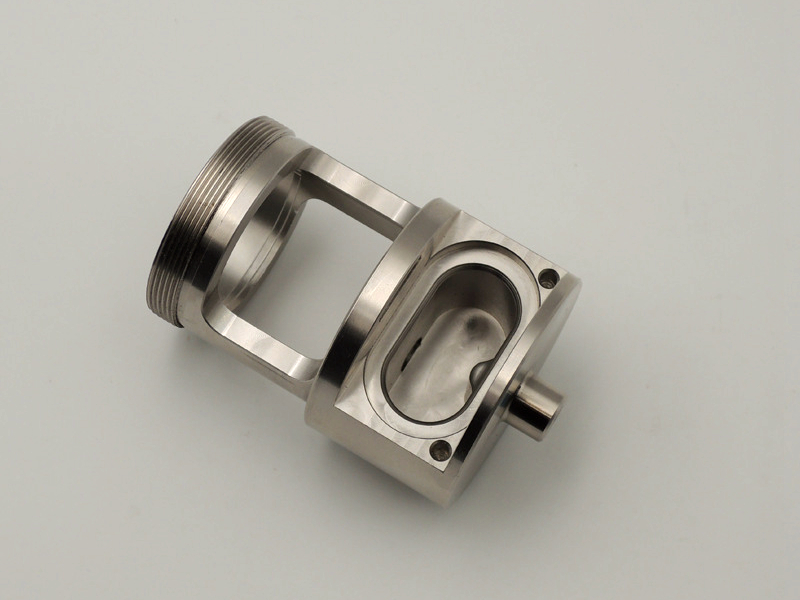
Stainless steel is a balanced starting family when a component needs structural capacity, machinable features, and resistance to a defined wet or atmospheric environment. The family includes austenitic, martensitic, precipitation-hardening, duplex, and other grades with different strength and corrosion behavior. Grade, heat treatment, cold work, weld exposure, surface condition, and free-iron contamination can change the result. A request for corrosion-resistant stainless steel is therefore incomplete without the service medium and required mechanical condition.
SUS304 can be screened for many mild atmospheric, food-contact, or cleaning environments when the governing specification permits it. SUS316 adds molybdenum and can improve relative resistance to localized attack in some chloride exposures, but it is not immune to hot, concentrated, stagnant, or crevice conditions. SUS316L uses lower carbon to control sensitization risk in applicable welded or heated fabrication routes; the L designation is not a universal strength or corrosion upgrade. Buyers should approve the governing grade standard, product form, condition, finish, and any post-machining cleaning or passivation requirement.
3. Titanium: Best When Corrosion Resistance and High Strength Must Come with Lower Weight
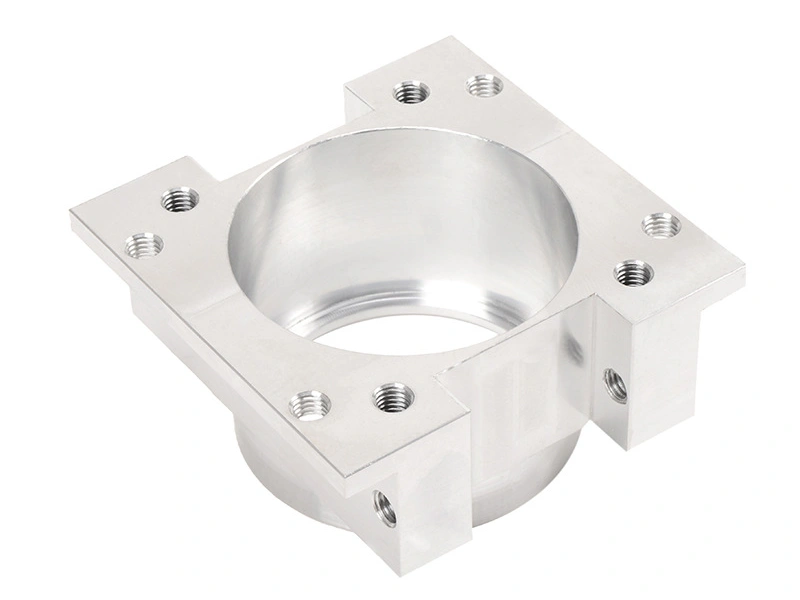
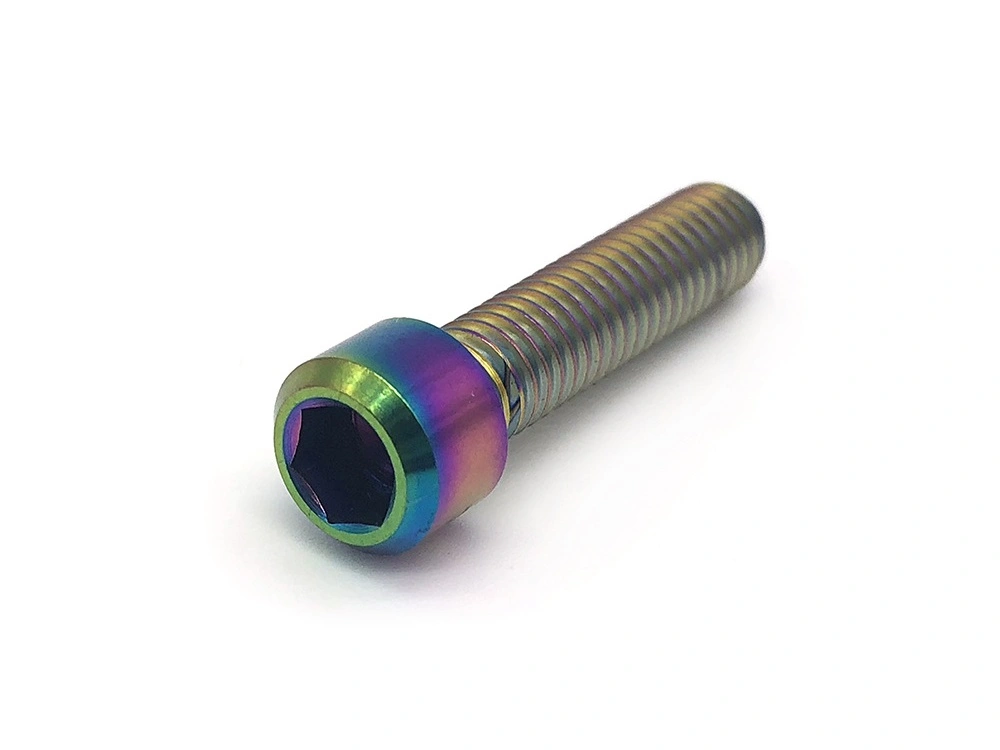
Titanium is a strong candidate when mass reduction, specific strength, and compatibility with a verified environment must be combined. Ti-6Al-4V (TC4) is widely specified for structural duties, but its grade name alone does not establish corrosion, fatigue, or wear performance. Product form, heat treatment, surface damage, notch geometry, residual stress, temperature, and loading spectrum remain part of the approval. Machining and finishing must also protect the final surface from embedded contamination and unintended damage.
Titanium relies on a stable passive surface in many useful environments, so exact chemical and temperature compatibility still needs review. Titanium-to-titanium or titanium-to-stainless contact can create galling or fretting risks under unsuitable pressure, motion, surface finish, or lubrication. A lightweight shaft that passes static stress analysis can still fail at a thread root or transition under cyclic loading. Buyers should provide the contact pair, motion, lubricant, notch-sensitive features, finish, and inspection state, then decide whether a coating, alternate counterface, fatigue validation, or another alloy route is required.
4. Superalloy: The Right Choice for Extreme Heat, Load, or Severe Chemical Service
Superalloy is a category, not one material answer. Nickel-based grades may be selected for high-temperature strength, oxidation resistance, or resistance to a specific corrosive medium, but these capabilities do not automatically occur together. The useful property depends on composition, heat treatment, product form, section, fabrication history, stress, temperature, and exposure time. Buyers should identify whether creep, fatigue, oxidation, general corrosion, localized attack, or stress-corrosion cracking controls the design before accepting the higher material and machining cost.
Inconel 718 is a precipitation-hardenable nickel alloy often screened where elevated-temperature strength and structural duty matter; the specified heat treatment is essential to the delivered properties. Hastelloy C-276 can be considered for selected aggressive chemical environments, but the exact medium, concentration, temperature, contaminants, crevices, and fabrication route must be checked. Monel 400 is a nickel-copper alloy used in selected marine and chemical services; aeration, velocity, galvanic contact, and stress can change suitability. Supplier data for the precise condition and independent application validation should control final approval.
Environment Need | Candidate Material Direction | Confirm Before Approval |
|---|---|---|
Defined wet service with structural duty | Grade, condition, medium, chloride level, temperature, crevices, finish, and applied stress | |
Corrosion resistance with strict mass control | Exact chemical compatibility, temperature, contact pair, galling control, fatigue, and surface state | |
High temperature or severe grade-specific chemistry | Alloy family, heat treatment, time at temperature, stress, contaminants, and validation evidence | |
Sliding contact in a compatible wet environment | Bronze grade, counterface, load, speed, lubrication, debris, wear limit, and galvanic couple |
5. Bronze: Often Best for Wear, Galling Resistance, and Wet Contact Service
Bronze is often selected for a bearing, bushing, sleeve, thrust surface, or replaceable wear element because the contact pair matters more than maximum tensile strength. An appropriate bronze can reduce seizure risk, accommodate limited misalignment or debris, and provide sacrificial wear against a harder shaft. That decision still depends on alloy, hardness, pressure, sliding speed, lubrication, temperature, shaft finish, contamination, and corrosion compatibility. A bronze grade that works in one lubricated bearing is not automatically suitable for an oscillating, dry, or chemically exposed joint.
C63000 aluminum bronze is a nickel-aluminum bronze candidate for strength, wear, and selected corrosive duties when its condition and mating system are specified. C95400 aluminum bronze can suit heavy-duty bearing or wear components, but load, lubrication, counterface hardness, and casting or product condition require confirmation. C51000 phosphor bronze serves different spring, fatigue, electrical, or bearing-contact needs and should not be treated as interchangeable with aluminum bronze. Buyers should specify the governing composition and condition, allowable wear, shaft material, clearance, lubricant, and inspection evidence.
6. How Should Buyers Choose by Corrosion Resistance?
Buyers should choose for corrosion resistance by defining the corrosion mechanism and exposure rather than ranking alloy families as good, better, or best. Record the fluid or atmosphere, concentration, impurities, pH when relevant, oxygen condition, temperature range, flow or stagnation, wet-dry cycling, crevices, deposits, cleaning chemicals, and dissimilar-metal contacts. Also identify applied and residual stress because a material that resists general corrosion can remain vulnerable to localized or stress-assisted attack.
Screen candidate data from the governing material specification and the producer for the exact grade and condition. Where the consequence or uncertainty justifies it, use representative coupon testing, electrochemical or immersion testing, weld or heat-affected samples, or a product-level service test under approved conditions. The validation plan should define exposure time, acceptance criteria, surface preparation, and how coupon results relate to the machined geometry. Material certification or positive material identification confirms identity; neither proves corrosion performance in an undefined environment.
7. How Should Buyers Choose by Strength and Stress Level?
For high-stress service, buyers should compare the governing load case with properties for the delivered material condition and operating temperature. Static yield or tensile strength may control one component, while fatigue, fracture toughness, creep, stress relaxation, notch sensitivity, or contact stress controls another. Geometry, section size, grain direction, heat treatment, residual stress, surface finish, threads, sharp transitions, corrosion exposure, and duty cycle must be included. A high catalog strength cannot compensate for an unverified notch or corrosive fatigue environment.
Bronze is not automatically excluded from high load, but its role must be defined. A bronze bushing may carry substantial bearing pressure while remaining a deliberately replaceable wear component; that does not make it the right material for the surrounding structural load path. Stainless steel, titanium, and nickel alloys also occupy different condition-dependent strength ranges. The buyer should provide the load spectrum, temperature, life target, critical geometry, safety or regulatory basis, and required material/heat-treatment evidence for engineering approval.
8. How Should Buyers Choose by Wear and Contact Behavior?
Wear selection should be based on the complete tribological system: both materials, hardness relationship, contact pressure, speed, motion type, alignment, lubricant, temperature, debris, surface finish, and corrosion. Bronze may be attractive for a replaceable sliding element, while a coated or hardened steel pair may suit another duty. Titanium and austenitic stainless contacts can require special galling control. Material strength alone does not predict adhesive wear, fretting, abrasion, erosion, or seizure.
Define the allowable clearance change, friction or torque limit, surface damage criterion, and inspection interval before comparing materials. A representative bench test should reproduce load, speed, stroke, lubricant, temperature, contamination, and counterface finish when published data do not match the assembly. After machining or coating, verify dimensions and surface condition in the state used for testing. This connects the grade decision to the actual interface instead of treating wear resistance as a material label.
Selection Priority | Starting Material Direction | Required Buyer Confirmation |
|---|---|---|
Localized or general corrosion | Condition-specific stainless steel, titanium, or nickel alloy | Medium, concentration, temperature, crevices, stress, galvanic contact, and validation route |
Static, cyclic, or thermal stress | Grade and heat treatment selected from the governing load case | Load spectrum, temperature, notch geometry, life target, condition evidence, and acceptance test |
Sliding wear, galling, or fretting | Compatible bronze or another engineered material pair | Counterface, pressure, speed, motion, lubrication, finish, debris, and allowable wear |
9. Application Examples in Corrosive and High-Stress Industrial Service
Consider a valve-and-actuator assembly for oil and gas service as an engineering screening scenario, not a Neway project. The pressure housing, stem, trim, fasteners, and guide bushing can face different media, stresses, temperatures, motion, and replacement strategies. A corrosion-resistant housing grade does not automatically suit the sliding stem, and the strongest stem alloy may gall against an unsuitable guide. The review must also address sour-service rules when specified, pressure boundary acceptance, galvanic couples, coating damage, crevice geometry, and final-state dimensions.
A defensible selection assigns a failure mechanism and evidence path to each component. The housing may require material and heat traceability plus pressure and final-dimensional evidence. The stem may require strength, surface, straightness, corrosion, and contact validation. A bronze guide may require clearance, counterface, lubricant, wear, and replacement criteria. The buyer can then approve one material per function, document prohibited substitutions, and define which changes trigger requalification. This approach is more reliable than forcing every component into one premium alloy family.
10. Summary
The best corrosive or high-stress material is the verified grade and condition that controls the component's actual failure mechanisms. stainless steel can balance structure and defined corrosion duty. titanium can add low mass and specific strength where its environment and contact behavior are suitable. A superalloy can address selected chemical or high-temperature demands. bronze can solve bearing, wear, and galling problems. None of these family names replaces grade, condition, geometry, environment, and validation data.
For an RFQ in oil and gas or another demanding sector, provide the service medium, contaminants, applicable concentration, temperature, and pressure range. Add the load spectrum, life target, mating materials, motion and lubrication, product form, heat treatment, final finish, governing material standard, traceability, prohibited substitutions, and acceptance tests. Ask the supplier to identify assumptions and evidence gaps before material release. Final approval should connect each failure mode to a material property, a specified condition, and a validation method rather than to price or alloy reputation alone.