What is the typical lead time for stainless steel CNC hydraulic parts?
Standard lead time ranges
A defensible lead time for stainless steel CNC hydraulic parts is the supplier's current, project-specific quoted window; no fixed number of days is reliable without released files, quantity, material availability, outside-process scope, inspection requirements, and capacity at order release. The quotation should define when the clock starts, whether it ends at shipment or receipt, and which buyer approvals can pause it. For early planning, separate the schedule into prototype, batch-production, and recurring-release cases rather than applying one unsupported range to every hydraulic part.
Prototype and pre-series samples: quote the window after the drawing, model, stainless grade and condition, sample quantity, fixture concept, critical features, and inspection deliverables are reviewed. Material procurement or a new gauge can control the date even when machining time is short.
Small and medium batches: confirm setup count, batch split, tool-life risk, deburring, cleaning, outside finishing, report scope, and the machine capacity reserved for the requested release. Quantity alone does not define a standard-complexity schedule.
Larger, recurring, or multi-part programs: separate first-lot validation from the later delivery cadence. The schedule must include any PPAP/FAI approval, functional test, customer hold point, packaging release, and recovery plan for a rejected first article.
A credible CNC machining service quotation maps those dependencies to dates and names the assumptions that can move them. Engineering review, stock purchase, fixture and gauge release, machining, deburring, outside processing, final inspection, documentation, packing, and approval are separate schedule steps. A repeat order may become more predictable when the drawing, source material, process route, and inspection plan remain frozen. A revision change, lapsed material availability, added test, or different delivery split can reopen the critical path, so the previous purchase order is not proof of the next lead time.
How process and complexity impact delivery
Geometry, tolerance relationships, cleanliness, and validation work often drive the schedule more than the words stainless steel. Early feasibility work through CNC machining prototyping can expose access, datum, burr, seal, and gauge risks before production resources are committed. Prototype timing cannot be copied directly into a batch quote when the sample used temporary fixtures, manual deburring, substitute stock, a different inspection method, or expedited outside processing. The buyer should ask which prototype steps must be industrialized and revalidated before the first production lot.
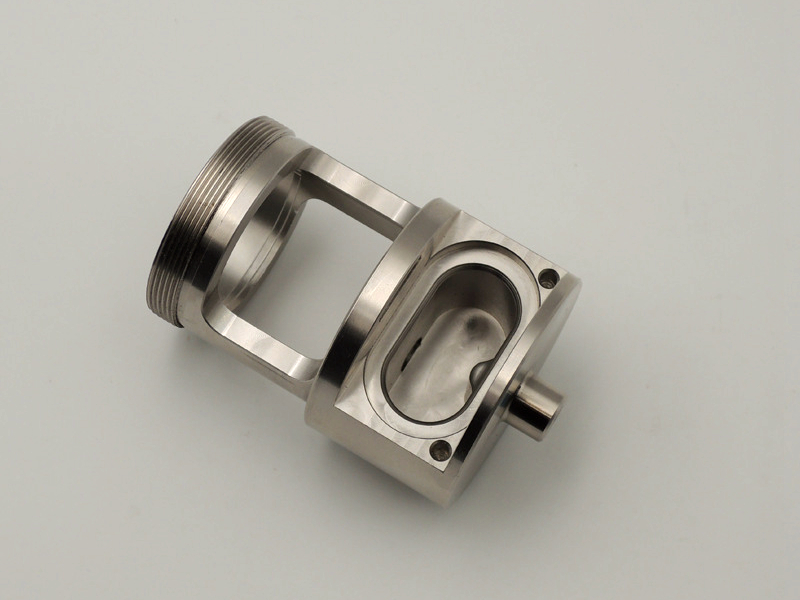
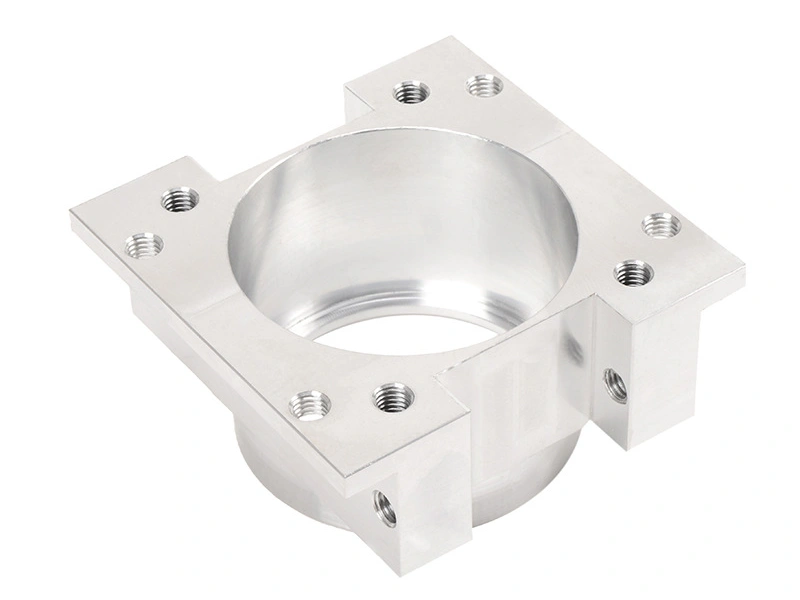
Complex valve blocks, servo housings, and intersecting ports may benefit from multi-axis machining services because fewer setups can reduce datum transfers. Fewer setups do not automatically mean a shorter lead time; machine availability, programming, probing, tool access, and inspection workload still matter. A program may move through a low-volume manufacturing service while fixtures and controls mature, then use a mass production service only after demand and the route are stable. The quoted plan should show fixture release, first-article review, tool-life confirmation, cleaning validation, and the correction loop for a bore, thread, or sealing face that misses acceptance.
Material selection, finishing, and industry requirements
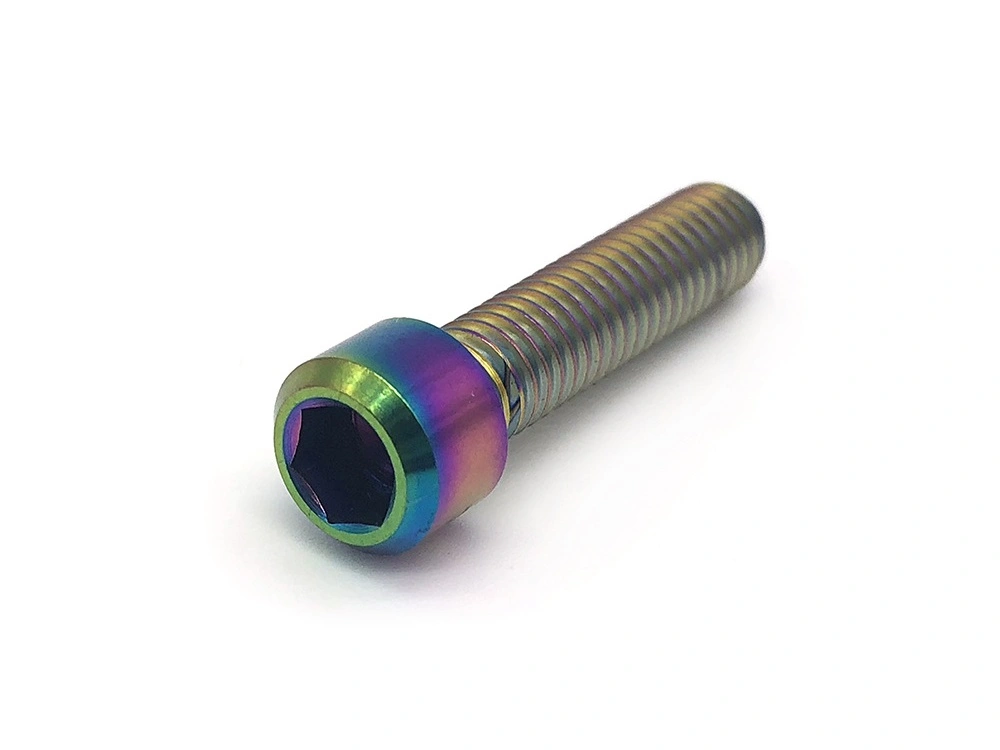
Stainless grade and supply condition affect both procurement and machining, but the grade name alone does not predict delivery. Hydraulic bodies in stainless steel SUS304 or other stainless steel materials still require confirmation of product form, size, condition, certification, and available mill or distributor stock. Stainless Steel SUS316L may add fluid-compatibility or traceability review. Stainless Steel SUS630 (17-4PH) requires the specified heat-treatment condition to be aligned with machining and final inspection. Duplex Stainless Steel SUS2205 may change cutting, tool monitoring, and material-control plans. None of those statements establishes a delivery date without a live stock and capacity check.
Finishing and cleanliness can sit on the critical path even when cutting is complete. A specified stainless steel passivation service adds cleaning, chemical processing, rinsing, drying, and any required corrosion or cleanliness verification. electropolishing for precision parts requires stock allowance and post-process dimensional review where material removal affects a sealing or metering feature. The quote should identify whether either process is in-house or external, its batch constraint, transport allowance, masking requirement, inspection stage, and rejection route. Adding a finish after order release requires a new schedule review rather than an informal promise that the original ship date will hold.
Typical timelines by application
Application requirements change the approval path, not just the machine hours. Automotive hydraulic programs may include sample submission, PPAP/FAI review, customer sign-off, and call-off dates. Industrial Equipment manifolds may depend on port inspection, cleaning, pressure testing, or assembly interfaces when the drawing requires them. For the Oil and Gas Industry, material traceability, nondestructive testing, pressure testing, third-party witnessing, or documentation adds time only when the contract specifies those controls. The RFQ should distinguish manufacturing lead time from customer approval time and transit time so responsibility for each date is visible.
A lead-time RFQ should include the drawing and model revision, stainless grade and condition, order quantity, lot split, annual forecast, requested shipment date, destination, critical dimensions, finish, cleanliness, inspection reports, functional tests, packaging, and documentation. It should state whether partial shipment is acceptable and identify hard launch, shutdown, or field-service dates. Ask the supplier to return a critical-path schedule covering material, fixture, special gauges, machining, outside finishing, inspection, documentation, approval, and dispatch. Each milestone needs an owner and a start condition.
The practical answer is therefore a verified quotation window, not a generic day range. A sound quote states its assumptions, exclusions, capacity date, approval holds, and recovery options. Before issuing the purchase order, the buyer should confirm the schedule's start event and whether a drawing change, late PPAP requirement, rejected first article, or unavailable material resets that date. After release, compare actual milestone completion with the baseline rather than waiting for the final ship date to reveal a delay. This approach makes lead time auditable without inventing a Neway delivery promise.