How Quickly Can Machined Car Parts Be Delivered for Testing, Pilot Runs, or Production Support?
How Quickly Can Machined Car Parts Be Delivered for Testing, Pilot Runs, or Production Support?
Machined car parts can be delivered quickly for testing, pilot runs, or production support when the released revision, material, quantity, manufacturing route, and acceptance evidence are ready before scheduling. No single day count is reliable for every order. A test sample may need focused dimensional and functional checks, while a pilot or support lot needs stronger process and release control. Ask the supplier for a milestone schedule tied to the exact RFQ package.
A prototyping schedule should identify the design question that each sample must answer. Low-volume manufacturing requires a repeatable route, defined lot acceptance, and any production-intent evidence requested by the customer. The quoted clock should state when it starts and whether material sourcing, outside processing, inspection reports, approval holds, and transport are included. That definition makes competing delivery promises comparable.
1. Testing Parts Can Move Fastest When the Test Question Is Narrow
Engineering test parts usually have the shortest controlled route when the buyer defines exactly what must be learned. A bracket built for assembly access may need critical hole positions and a fit check. A coolant housing may require sealing dimensions, cleanliness, and a specified pressure or leak test. Features outside the declared test boundary still need clear drawing disposition, but they may not require production-level evidence.
Speed is lost when a sample is released before its revision or test purpose is stable. Programming or material cutting against an evolving model can create scrap, rework, and conflicting inspection results. Freeze the files used for manufacture, identify the decision enabled by the sample, and define the minimum evidence needed before shipment. A fast sample is useful only when its result is traceable to that released configuration.
Order Stage | Minimum Release Evidence | Main Schedule Risk |
|---|---|---|
Testing sample | Released files, critical dimensions, and the planned fit or functional check | Open design decisions or an undefined test boundary trigger rework |
Pilot run | First-off approval, in-process controls, and lot results from the intended route | Changes to the blank, fixture, tool, finish, or inspection plan invalidate evidence |
Production support | Approved revision, material traceability, controlled deviations, and defined lot acceptance | Unapproved substitutions or incomplete release records delay use of the parts |
2. Pilot Runs Need Time to Prove the Route, Not Just the First Part
A pilot run normally takes longer than a test sample because the lot must show that the planned process can repeat. The schedule may include programming, fixture preparation, first-off inspection, controlled machining, tool monitoring, deburring, finishing, cleaning, and final lot release. One conforming first piece does not demonstrate that later parts will maintain datum relationships, bore size, threads, surface texture, or sealing features.
Production-intent choices determine whether pilot evidence can support the next stage. A billet housing may answer fit questions but cannot prove stock variation, porosity exposure, or locating behavior for a future casting. Record every difference in material condition, blank, fixture, tool, outside process, and measurement method. Then decide which differences require another pilot before recurring supply is released.
3. Production Support Can Be Urgent Without Bypassing Release Control
Production-support machining can bridge a tooling delay, replace unavailable parts, cover service demand, or protect an interrupted assembly schedule. Urgency does not remove configuration or quality obligations. The supplier still needs the approved drawing revision, authorized material, quantity, concession status, traceability scope, and lot acceptance criteria. An earlier prototype approval is insufficient if the support route or required evidence has changed.
A practical support plan separates immediate demand from the remaining forecast. The supplier can evaluate a controlled first release while material and capacity are planned for later lots. This staged decision can shorten time to usable parts without hiding the risk in an unsupported rush promise. Confirm whether partial shipment is acceptable and which inspection record must accompany each release.
4. Material Is Ready Only When Its Full Specification Is Confirmed
Material readiness means more than finding a familiar alloy name. The exact specification, grade, condition or temper, stock form, section size, certification, traceability, and approved source can control the start date. A bar listed by a distributor may still need purchase, receiving, certificate review, cutting, or heat treatment. A proposed substitute requires customer approval before it can support a committed schedule.
For critical parts, the supplier should link the received heat or lot to the manufacturing traveler and required certificate. That check prevents a nominally correct alloy in the wrong condition from reaching machining. The RFQ should also identify whether excess stock, forged or cast allowances, or grain-flow requirements matter. Material uncertainty belongs in the schedule assumptions, not in a hidden contingency.
Lead-Time Driver | Confirmation Needed Before Commitment |
|---|---|
Material release | Confirm specification, grade, condition, stock form, section, certificate, source, and substitute approval |
Geometry and route | Review setups, tool access, thin-wall movement, deburring, cleaning, and any process after machining |
Quantity and lot plan | Separate immediate release, pilot quantity, partial shipments, remaining forecast, and reorder assumptions |
Outside processing | Identify heat treatment, coating, grinding, testing, approved sources, queues, transport, and final-state verification |
Inspection and submission | Define critical characteristics, sampling or full checks, functional tests, reports, approval hold, and shipment release authority |
5. Feature Relationships Drive Turnaround More Than Overall Part Size
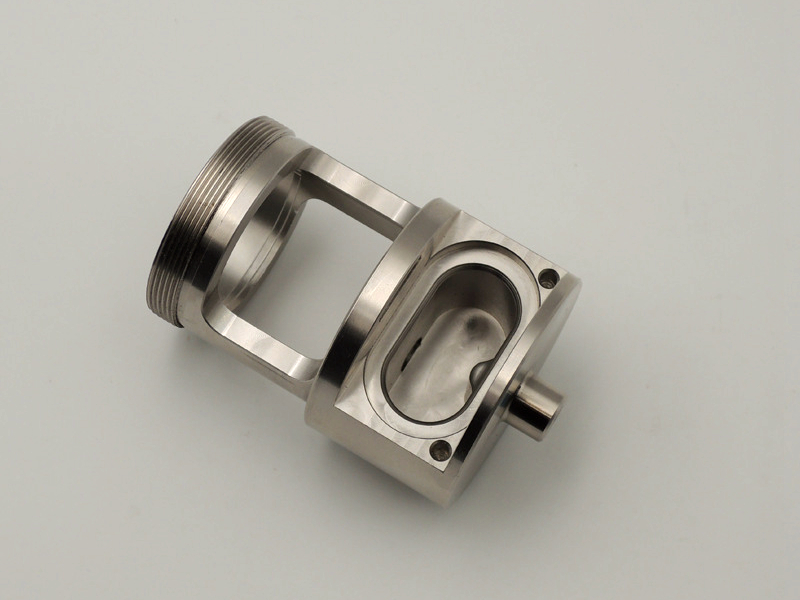
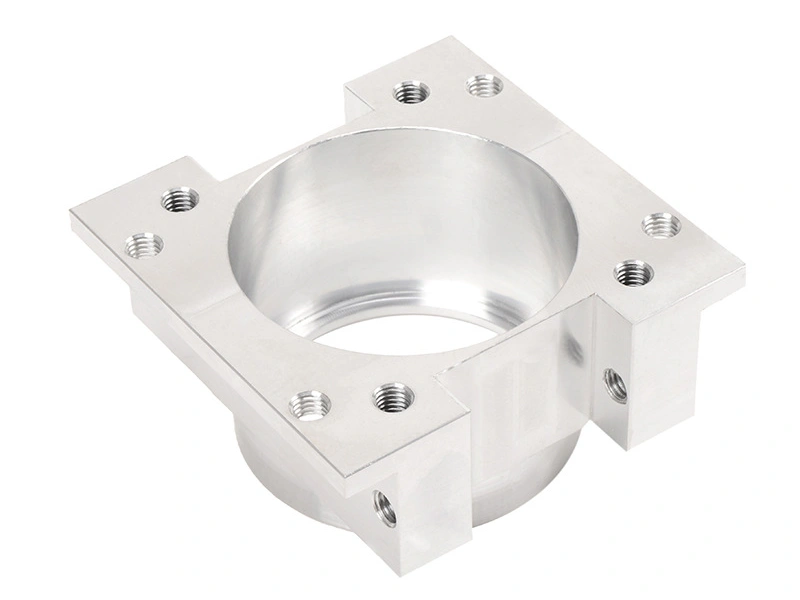
A small automotive component can have a long route when bores, sealing faces, ports, threads, and mounting patterns must be controlled from several setups. Long-reach tools, thin walls, interrupted cuts, deep passages, difficult burr access, or distortion after unclamping add process and verification work. A larger turned spacer may move faster because its geometry, workholding, and inspection are simpler.
The schedule should follow the complete route rather than machine cycle time alone. Roughing may need stress-relief time before finish machining. Heat treatment or coating can change size, flatness, texture, and masking boundaries. Cleaning can be critical for hydraulic or cooling passages. Ask which state is inspected, which features are rechecked after outside processing, and where an approval hold could stop the lot.
6. Inspection Scope Must Match the Stage and Functional Risk
Inspection affects release time because different stages require different evidence. A test sample may use focused checks on the dimensions and functions under evaluation. A pilot can require first-off results, in-process checks, capability evidence under an agreed plan, and final lot records. A support lot may also need material certificates, traceability, functional testing, or customer-specific documentation before shipment.
AIAG Production Part Approval Process requirements apply only when the customer calls for PPAP; they are not an automatic requirement for every machined sample. The RFQ should state the requested submission level and required elements, including any dimensional, material, performance, process-flow, control-plan, or measurement-system records. Clarifying that scope before quotation prevents a documentation package from becoming an unplanned final delay.
7. A Schedulable RFQ Removes the Most Avoidable Delay
A supplier can commit responsibly when the RFQ provides one controlled technical baseline. Include the 2D drawing and 3D model with matching revision, material and condition, quantity by stage, required delivery point, finish, critical characteristics, functional tests, cleanliness needs, inspection records, and approval contacts. State which document governs if the model and drawing conflict. Open requirements should be listed as questions rather than left for interpretation.
Request a response that separates assumptions from committed milestones. Useful milestones include technical release, material readiness, first-off review, machining completion, outside-process return, final inspection, customer approval hold, and shipment. This exposes the real critical path. It also lets the buyer shorten a specific gate, approve a staged shipment, or resolve missing input instead of applying general pressure after the order starts.
RFQ Release Input | Supplier Confirmation to Return |
|---|---|
Matching 2D, 3D, and revision status | File conflicts closed, manufacturability reviewed, and the manufacturing baseline identified |
Material, condition, stock form, and certificate scope | Availability, source, receipt date, traceability route, and any proposed substitution stated |
Test, pilot, support, and forecast quantities | Lot split, partial-shipment option, fixture assumption, and repeat-order basis explained |
Critical features, finish, tests, and reports | Inspection stage, outside processes, acceptance evidence, and approval holds included |
Required-use date and delivery destination | Gate dates, shipment date, transit assumption, exclusions, and schedule risks returned |
8. Choose the Service Stage by Evidence Required at Release
A part with an open design and a narrow learning objective belongs in a prototype route. Bridge demand or repeat batches with a stable definition fit low-volume manufacturing. The distinction is not based only on quantity. A small lot can require production-style traceability and PPAP, while several test pieces may remain prototypes if design or process intent is still open.
State the release decision before selecting the route. If the parts only support fit testing, focus evidence on that boundary. If the lot must feed an assembly line, define configuration, acceptance, packaging, and release records accordingly. Matching the route to the evidence avoids paying for irrelevant paperwork and prevents a sample process from being mistaken for controlled production support.
9. Ask for a Milestone Schedule, Not an Unsupported Day Count
Fast delivery is credible when the supplier can show how technical release, material, programming, fixtures, machining, outside processing, inspection, approval, and transport fit together. Testing samples can use a shorter evidence path. Pilot runs need repeatability from the intended route. Production-support lots need controlled configuration and release. Any fixed date remains conditional on the assumptions stated in the quote.
Send the released package to the appropriate prototyping or low-volume manufacturing route and request gate dates, exclusions, and the evidence delivered with each lot. Compare suppliers on the same material, quantity, finish, inspection, approval, and transport scope. The best schedule is the earliest one that still produces parts the program is authorized to use.