How Long Does a Custom CNC Service Usually Take from Quotation to Delivery?
How Long Does a Custom CNC Service Usually Take from Quotation to Delivery?
A custom CNC machining service has no reliable universal quotation-to-delivery duration; the usable answer is a dated critical-path schedule covering RFQ review, buyer clarification, material release, programming and workholding, machining, outside processing, final-state inspection, packaging, and transit. Simple geometry in available stock can clear this path much sooner than a part requiring special material, multiple setups, controlled finishing, or detailed reports. Before accepting a date, the buyer should ask for each dependency, its owner, its release criterion, and the response time assumed in the quotation.
Total lead time is calendar time, not spindle time. It includes supplier work, queue and transfer time, buyer approvals, and any hold created by conflicting files or revision changes. A short prototyping route may omit production tooling or extensive recurring-control evidence, but it still needs a released design, available stock, adequate workholding, and an agreed inspection result. The most credible commitment separates quotation response, production after order release, external processing, dispatch, and freight instead of hiding all five clocks inside one date.
1. Lead Time Starts with Quotation and Engineering Review
Quotation and engineering review determine when a defensible schedule can start. The supplier needs an authoritative 3D model and 2D drawing hierarchy, matching revision and units, exact material grade and condition, quantity and release pattern, final finish, critical features, inspection records, packaging, and delivery point. Open manufacturability questions should be listed as dated assumptions, not silently carried into the quote. A price returned quickly against unresolved inputs is not yet a reliable delivery commitment.
The buyer can shorten this stage by assigning one decision owner and approving or rejecting each clarification against the released revision. The quotation should state whether its clock starts at RFQ receipt, purchase-order acceptance, drawing approval, deposit, material allocation, or closure of all technical questions. It should also identify which buyer response times are included. Without that baseline, a later dispute can confuse supplier processing time with days spent waiting for approval.
Lead Time Stage | Required Release Evidence | Schedule Risk and Control |
|---|---|---|
Quotation review | Aligned model, drawing, revision, material, quantity, finish, inspection, and delivery scope | Log every assumption with an owner and due date before accepting the quoted clock |
Material preparation | Confirmed grade, condition, stock form, size, quantity, certification, and allocation status | Separate stock on hand from distributor estimates and approve alternatives before release |
Machining | Released process route, program, workholding, tools, setup sequence, and first-piece criteria | Distinguish queue, setup, cycle, intermediate verification, and possible recovery time |
Inspection | Final-state acceptance plan, suitable gauges, report scope, and approval authority | Reserve measurement capacity and define what happens when a result is disputed |
Shipment | Accepted parts, complete records, protective packaging, dispatch point, and freight method | State whether the commitment means ready to ship, dispatched, customs cleared, or delivered |
2. Material Preparation Is Often Shorter for Common Stock and Longer for Special Grades
Material preparation stays off the critical path only when the required grade, condition, stock form, section size, quantity, and documentation are genuinely available. A matching alloy name is insufficient if the drawing also controls temper, heat-treatment condition, grain direction, specification, melt or lot traceability, or certificate content. The schedule should distinguish material already allocated to the order from stock that is merely shown by a distributor or expected from a mill.
A material failure can surface after programming has begun. Stock may arrive in the wrong condition, lack the required certificate, provide too little machining allowance, or contain a section size that changes the fixture and tool-access plan. The quotation should name approved alternates and the person authorized to accept them. If no alternate is approved, the dated plan should show procurement as a dependency and move the downstream machining release when that dependency changes.
3. Machining Time Varies Most Between Simple and Complex Parts
Machining time varies because programmed cycle time is only one part of the manufacturing schedule. Programming, fixture preparation, tool availability, machine queue, setup qualification, cutting, deburring, intermediate measurement, and transfer between operations all consume time. The controlling operation may be a fixture, a long-reach tool, a qualified operator, or an inspection resource rather than the machine with the longest cycle. A credible quote identifies that constraint and the route affected by it.
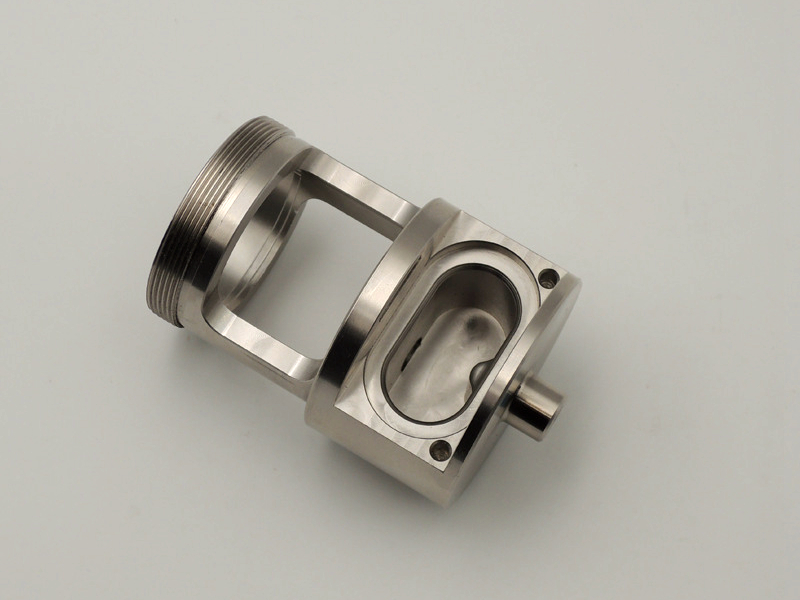
Consider a thin-wall housing with datumed bores on opposing faces and a finished coating. The route may require roughing, unclamping, stabilization, a second setup, bore finishing, deburring, outside finishing, and measurement in the final state. Combining cuts can appear faster but may let released stress or fixture distortion shift the bore relationship. A staged first piece, measured after unclamping and again after finishing, verifies the schedule assumption before the remaining quantity is released.
4. Simple Parts Usually Move Faster Because the Process Chain Is Shorter
Simple parts move faster when they use available stock, standard tools, few setups, accessible features, stable datums, and an inspection method that is ready when machining ends. The shorter path comes from fewer dependencies and handoffs, not from part size alone. A large plate with open features may have a simpler schedule than a small component containing cross holes, deep pockets, multiple threads, thin walls, and final-state geometric controls.
A buyer should verify that “simple” describes the released drawing, not only the visual shape. A tight flatness requirement after material removal, a cosmetic face that needs protection, a special thread gauge, or a coating allowance on a fit can add a separate control step. Asking the supplier to mark the setup count, critical features, special tooling, and final inspection route exposes these schedule drivers before the order enters the queue.
Part Type | Lead Time Pattern | Buyer Check Before Release |
|---|---|---|
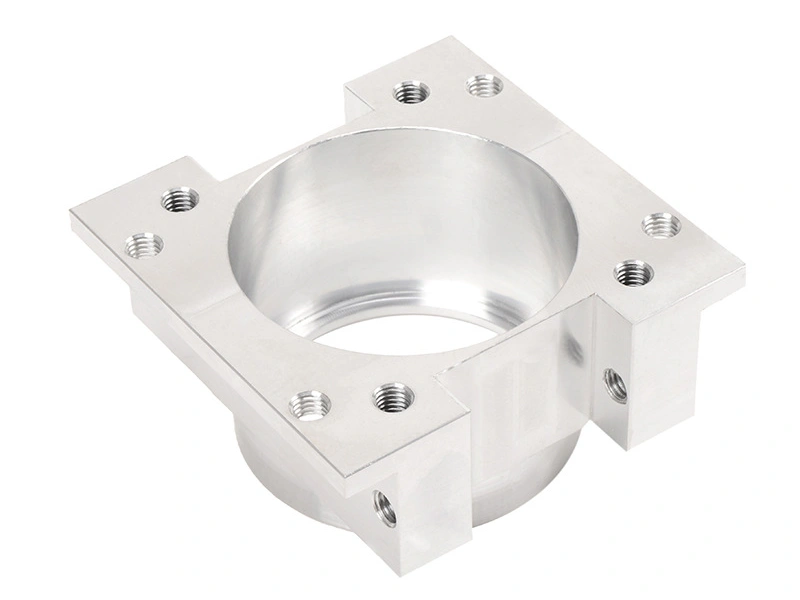
Simple bracket or plate | Short path when stock, tools, datums, and edge requirements are standard | Confirm flatness state, cosmetic protection, deburring, and final inspection scope |
Basic shaft or turned spacer | Short path when bar size, workholding, threads, and gauges are available | Confirm runout datums, thread standard, surface finish, and any treatment allowance |
Multi-feature housing | Longer path through programming, multiple setups, datum transfer, and verification | Review access, setup sequence, cross-feature relationships, and final-state measurement |
Thin-wall precision component | Variable path because clamping, residual stress, heat, and finishing can move features | Require staged release and measurements after unclamping and applicable finishing |
5. Complex Parts Take Longer Because Engineering Control Is Higher
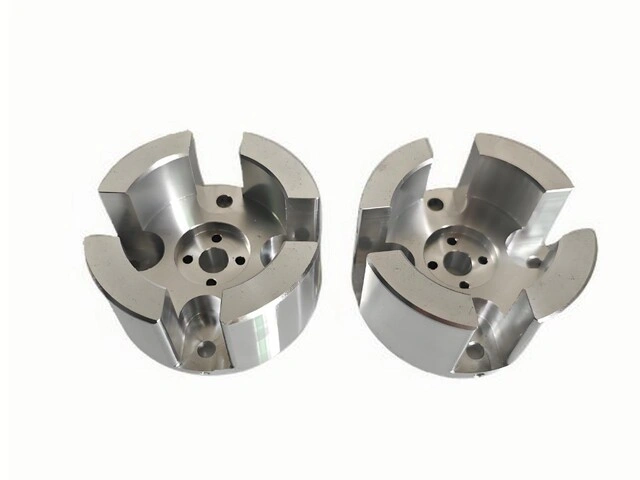
Complex parts take longer when risk-control operations, rather than metal removal, define the critical path. Deep cavities may need long tools and conservative engagement; thin walls may require balanced roughing and controlled clamping; tight feature relationships may require datum transfer and intermediate measurement. Angled features, intersecting holes, special threads, custom jaws, electrodes, outside treatment, or dedicated gauges add dependencies that must be ready in the correct sequence.
Schedule compression should target a verified dependency, not remove an unnamed control. The buyer and supplier can review whether a nonfunctional tolerance, cosmetic requirement, report, or treatment can be revised without changing fit, safety, or contractual acceptance. They can also evaluate parallel material reservation, fixture design, programming, and inspection planning. Each accelerated activity needs an approved input and a stated rework risk, because parallel work performed before design release can save time only when the baseline remains stable.
6. Inspection and Final Verification Are Also Part of the Delivery Timeline
The delivery clock ends after final-state acceptance, not after the last CNC cycle. Inspection scope can include dimensional results, geometric relationships, threads, surface finish, burr and edge condition, cleanliness, coating or heat-treatment records, material documentation, and visual acceptance. Features affected by unclamping, temperature, coating, or outside processing need measurement in the state defined by the drawing and purchase order. A pre-finish result cannot automatically release a post-finish fit.
Final verification can become the critical path when gauges, coordinate measurement capacity, customer report formats, source inspection, or approval authority were not reserved. A nonconforming result also introduces containment, disposition, possible rework, and reinspection before packaging. The dated plan should define report completion and buyer approval separately from physical processing. It should then identify protective packaging, dispatch cutoffs, freight service, customs responsibility, and the exact event that counts as delivery.
7. How Clear Drawings and Complete Data Shorten Lead Time
Clear, released technical data shortens lead time by allowing quotation, manufacturing, and inspection to use the same product definition. The RFQ should identify part number and revision, units, the authority of the model versus drawing, material and condition, final finish and coating allowances, datums and critical characteristics, threads, surface requirements, quantities and release pattern, inspection records, packaging, and destination. The supplier should return unresolved conflicts as a controlled clarification list.
Revision control protects that time after work begins. Every change should identify the affected parts and open material, programs, fixtures, work in process, inspection plans, finished inventory, reports, and shipment. The change owner then decides whether to continue, stop, rework, or scrap, and accepts the schedule consequence. Informal replacement files without a supersession record can leave different teams working to different revisions and make the original delivery date meaningless.
Drawing Package Status | Schedule Meaning | Required Buyer Action |
|---|---|---|
Released model and drawing agree | Quotation and process planning can proceed against a controlled baseline | Approve listed assumptions and identify the authority for later changes |
Partial model or missing notes | The date remains conditional on material, tolerance, finish, or acceptance clarification | Resolve each open item, issue the governing revision, and reset the start point |
Revision changes after release | Material, programs, fixtures, work in process, and reports need impact review | Choose disposition, approve cost and timing, and record the new commitment |
8. Prototype Projects Can Be Fast, but Only If the Data Is Ready
A prototyping project can use a shorter route when the design question, released revision, material condition, quantity, critical features, and acceptance evidence are clear. The supplier may use adaptable workholding, flexible programming, or targeted inspection when those choices still support the intended test. Prototype status does not remove the need for safe fixturing, tool access, deburring, material control, or measurement of the features used for the buyer's decision.
Acceleration can begin before a purchase order only when the buyer explicitly authorizes the commercial and revision risk. Reserving stock, planning fixtures, preparing programs, or booking an outside process in parallel may reduce elapsed time, but a subsequent design change can make that work unusable. The schedule should show the freeze point, every activity started at risk, and who pays for a reset. Faster freight cannot recover time lost to an unresolved engineering release.
9. Practical Buyer Guide to Understanding Custom CNC Lead Time
If your current situation is... | How to Read the Quoted Date | Evidence to Request Before Acceptance |
|---|---|---|
Simple geometry and complete drawing package | Credible only after stock, capacity, setup, inspection, and delivery point are confirmed | Dated milestones, start condition, final release criterion, and stated freight basis |
Complex part with many critical features | Controlled by the longest setup, tooling, outside-process, or verification dependency | Critical-path owner, first-piece gate, recovery allowance, and final-state inspection plan |
Special material or unstable revision | Provisional until material allocation and the governing design are both released | Certificate scope, approved alternates, revision freeze, and change-impact procedure |
Prototype with stable data | A short path is possible when the test purpose and acceptance boundary remain fixed | Released files, risk-start approvals, measured test features, and limits of prototyping evidence |
10. Summary
A quotation-to-delivery date is credible only when it covers the complete custom CNC critical path and names the event that starts and finishes each clock. Simple parts can move sooner because they have fewer dependencies; complex parts require more setup, control, final-state verification, or external processing. Neither statement is a fixed duration. The committed date must come from the released scope, available resources, buyer response assumptions, and delivery definition for that order.
For prototyping and custom CNC machining, include the governing files, revision, units, material condition, quantity, finish, critical features, inspection records, packaging, destination, and required date in the RFQ. Ask the supplier to return a milestone plan that separates technical release, material, manufacturing, outside processing, final acceptance, dispatch, and transit. Accept the commitment only after every open dependency has an owner, a due date, and an approved response when it slips.