How does the DFM review improve cost efficiency?
Eliminating Unnecessary Complexity at the Design Stage
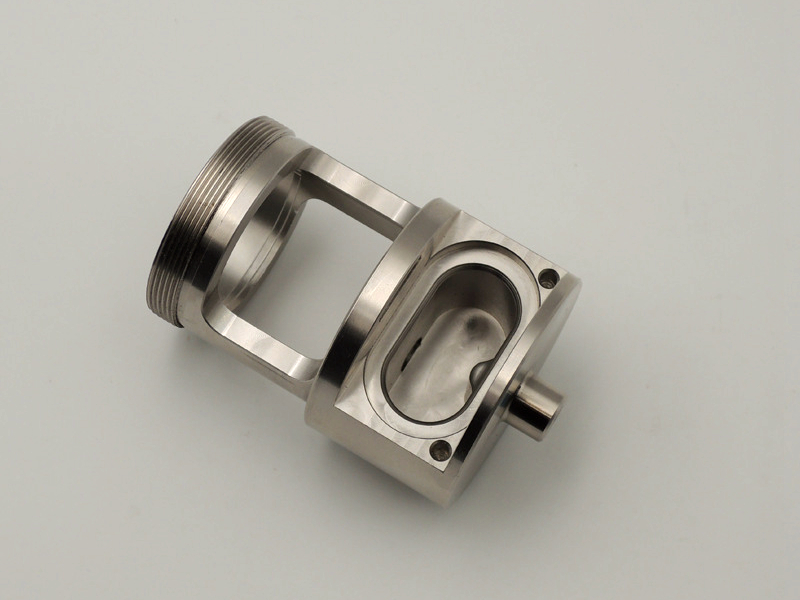
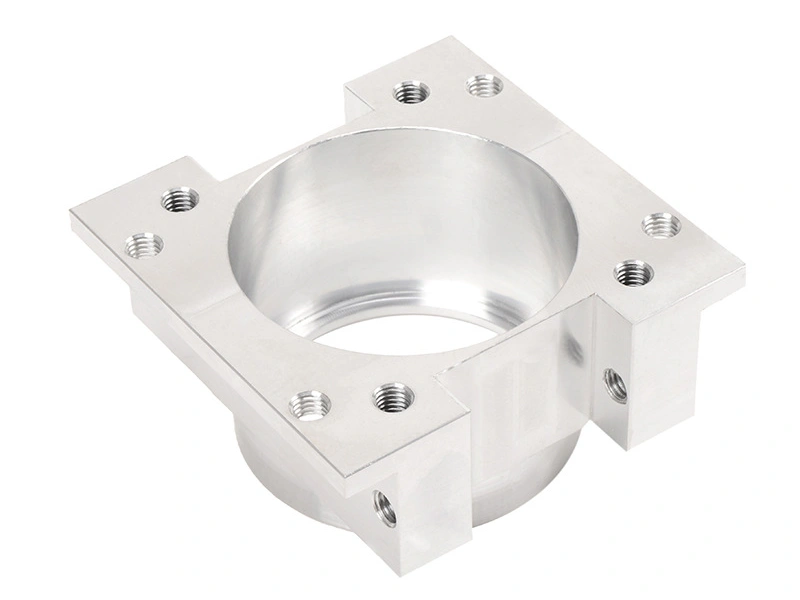
A DFM review improves cost efficiency by finding design choices that add machining time, fixture work, inspection risk, or scrap without adding functional value. Many avoidable machining costs become difficult to remove after the drawing is released, so the review should precede a production quote whenever the design can still change. A structured review checks whether the part can be produced through stable CNC machining services, and whether its features fit efficient operations such as CNC milling and CNC turning. Cost often improves when hole sizes are standardized, pockets are opened for tool access, unsupported ribs are thickened, and tolerances are reserved for functional interfaces. For complex geometries, the review can compare extra fixtures against multi-axis machining. In early stages, CNC prototyping services can validate fit, burr control, datum stability, and inspection method before production fixtures are purchased. A useful DFM output should classify each suggestion as function-critical, manufacturability improvement, inspection clarification, or optional appearance. Compare each proposed change under the same acceptance plan: one-time engineering, recurring unit cost, lead time, inspection scope, and failure risk. A lower quote is not efficient if the change creates leakage, assembly rework, missed inspection, or field failure. Buyers should ask for each DFM suggestion to state the cost driver, the functional risk, and the drawing change needed.
Selecting Cost-Effective Materials Without Sacrificing Performance
Material DFM improves cost efficiency when the selected grade meets the application requirement without forcing unnecessary tool wear, slow cutting, difficult stock sourcing, or excessive scrap risk. The review should not replace engineering requirements with the cheapest material. It should compare strength, corrosion exposure, temperature, weight, wear, finishing, and inspection needs against machinability. For lightweight structural parts, Aluminum 6061-T6 can be a cost-efficient choice when its strength, stiffness, and corrosion plan meet the design requirement. For general industrial or fluid system components, stainless steel SUS304 may balance corrosion resistance, availability, and machining cost. High-temperature or hot-zone components may justify Inconel 718, but DFM should then open tool access, reduce unnecessary stock removal, and protect only the critical features. Load-bearing parts using Ti-6Al-4V need attention to wall thickness, heat control, and chatter risk. For wear-resistant or chemical-resistant plastic components, PEEK may avoid over-designed metal parts when temperature, load, and regulatory conditions allow it. Any material substitution should state the drawing requirement it satisfies, the property that changes, and whether customer approval is required. The buyer should confirm material condition, substitute approval, certificates, and finish compatibility in the RFQ.
Integrating Surface Treatments Strategically
DFM reduces finishing cost by separating surfaces that need protection, appearance, friction control, or cleanliness from surfaces that only need normal deburring and machining marks. Unplanned or over-specified finishing can create hidden cost because coating thickness, masking, polishing, and post-finish inspection may change dimensions. For aluminum housings and structural parts, aluminum anodizing may provide corrosion resistance and appearance when the drawing defines thickness, color, sealing, and inspection state. Precision components with friction or cleanliness requirements may use electropolishing when the process is compatible with the material, edge condition, and final dimensions. DFM should identify bores, threads, datums, and sealing faces that need masking or allowance before finishing. A foreseeable failure mode is that a part passes machining inspection, then coating build-up reduces clearance or changes thread fit. Validation can include coating thickness checks, color limits, roughness targets, corrosion exposure requirements, and post-finish dimensional inspection. Buyers should specify final surface condition, controlled cosmetic zones, post-finish measurement, and any certificate or corrosion test requirement before quotes are compared.
Aligning Design with End-Use Industry Requirements
A cost-efficient DFM review links geometry, material, finishing, and inspection to the target application instead of applying one generic machining rule to every part. For aerospace and aviation components, design choices may need to protect fatigue, temperature exposure, traceability, and documentation, so cost reduction should focus on route stability and unnecessary stock removal. In automotive programs, DFM can support repeatability by standardizing datum schemes, tool access, deburring rules, and production-friendly features. For medical devices, the review should consider cleanable geometry, edge condition, material compatibility, inspection evidence, and finish validation under the device specification. Across industries, the buyer should separate three categories: functional requirements that must stay, manufacturability changes that reduce cost, and optional appearance choices that may be simplified. A DFM decision log should record each proposed drawing edit, its cost driver, validation action, disposition, approver, and applicable revision. It should distinguish one-time supplier-route decisions from controls that remain valid for repeat orders. For RFQ review, ask whether each proposed change affects drawing revision, first article inspection, material certificate, finish certificate, or customer approval. That prevents cost-saving edits from becoming uncontrolled production changes. Before release, assign the approver, acceptance evidence, and effective revision for every accepted change. Record whether fixtures, gauges, programs, and inspection plans can be reused on repeat orders or require requalification.