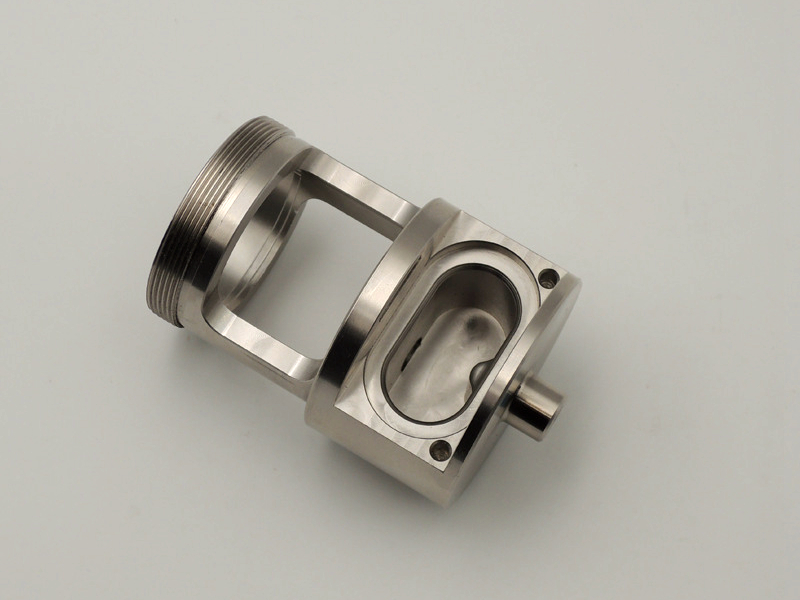
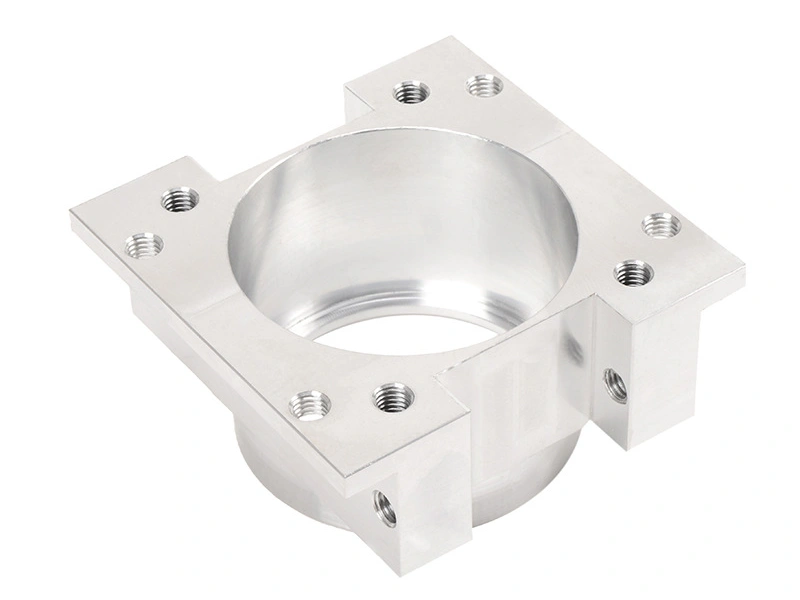
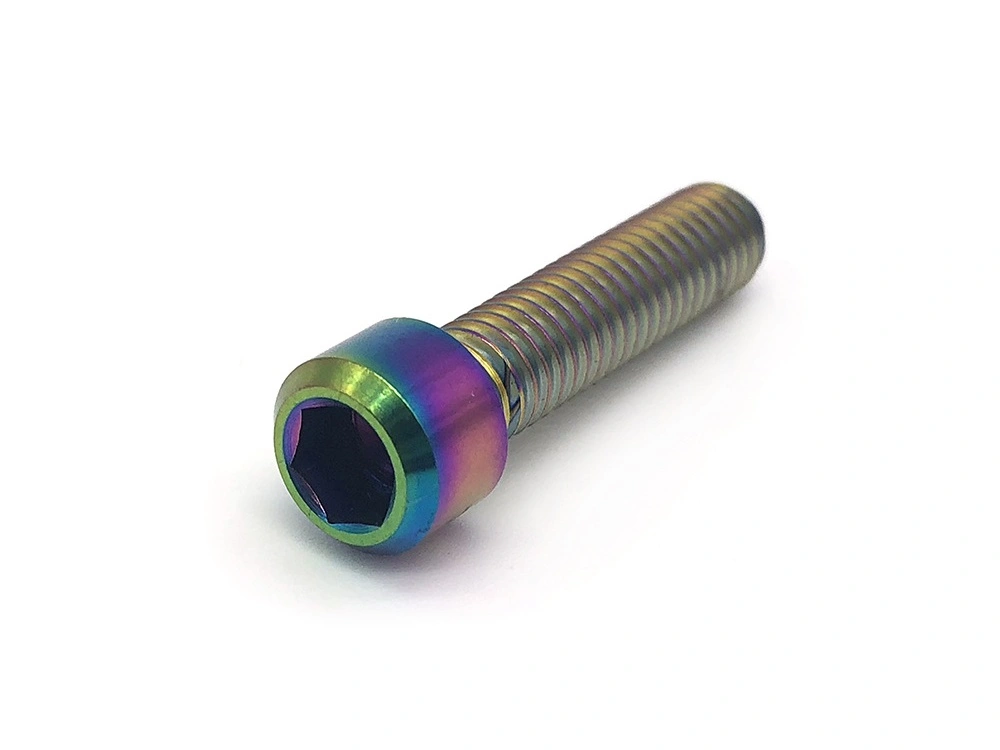
How does custom CNC service handle prototyping, low-volume manufacturing, and mass production?
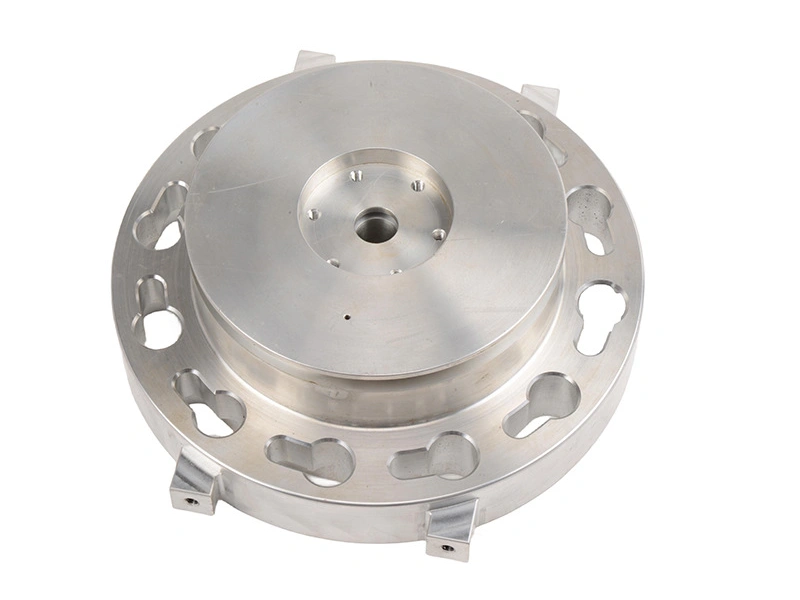
Can a Custom CNC Service Support Both Prototype Parts and Full Production Orders?
A custom computer numerical control (CNC) service handles prototyping, low-volume manufacturing, and mass production by changing the release gate, tooling, inspection, and process control at each stage. The intended result changes by stage: prototyping should maximize valid design learning; low-volume manufacturing should prove a production-intent route; and mass production should run a controlled, repeatable baseline. The limitation is that a successful sample does not prove batch capability. Before each volume change, the buyer and supplier need to approve the governing revision, material condition, fixture and program status, final finish route, inspection evidence, open deviations, quantity, and change authority.
The safest lifecycle plan treats each volume stage as a separate manufacturing decision rather than a larger purchase order for the same process. A prototype may use soft jaws, manual inspection, and an intentionally flexible program. A pilot or low-volume build should expose tool-life, unclamping, outside-process, and measurement risks with production-intent inputs. Recurring production then needs documented setup recovery, reaction limits, lot traceability, maintenance, and change control. The request for quotation should identify the current stage and the evidence required to enter the next one, so suppliers quote the same responsibility instead of assuming that every earlier method will remain acceptable.
1. Prototype, Low-Volume, and Full Production Do Not Have the Same Priorities
Prototype, low-volume, and full-production orders require different evidence because the cost of an unresolved risk changes as quantity increases. A prototype answers whether the design can work. A low-volume or pilot build tests whether a defined manufacturing route can repeat. Full production controls that approved route over time. Quantity alone does not set the stage; design maturity, production-intent equipment, final processing, inspection coverage, and approval status do.
The stage plan should name what may still change and what has been frozen. Prototype flexibility can include alternative setups or temporary workholding, but every departure from the intended production route must be visible. A pilot build should close or formally disposition those departures. Production release should occur only after the buyer accepts the process baseline, validation evidence, supply assumptions, and reaction plan for a nonconforming or drifting result.
Project Stage | Required Release Evidence | Buyer Control Point |
|---|---|---|
Controlled geometry, material state, test purpose, measured critical features, and recorded design findings. | Separate design learning from any claim that the temporary process is production capable. | |
Production-intent material, setup, program, finish route, inspection method, pilot results, and closed deviations. | Approve which prototype methods remain, which change, and what evidence releases the next batch. | |
Frozen revision, validated fixture and program, tool-life controls, sampling and reaction plan, traceability, and change approval. | Release recurring orders only against the approved process baseline and agreed capacity assumptions. |
2. What Do Buyers Usually Need Most in the Prototype Stage?
In the prototype stage, buyers need the fastest reliable answer to a defined design question, not simply the fastest part or lowest unit price. The order should identify what the sample must validate: assembly fit, sealing, thread engagement, stiffness, thermal behavior, material response, surface condition, or another functional interface. Real material grade and condition matter when machining movement or end-use behavior is part of the test. A substitute material or simplified finish is acceptable only when the buyer records which conclusions the sample cannot support.
Prototype inspection should follow the intended datum logic for every feature used in the decision. For example, a thin-wall housing can meet dimensions while clamped and move after release, so final measurements must occur after unclamping and any relevant stress-relief or finishing step. A bore measured before anodizing cannot validate its post-coating fit. Record the setup, part state, measurement method, result, and design disposition together. That record lets the next stage distinguish a design correction from a manufacturing correction instead of treating every prototype change as informal feedback.
3. What Changes When the Project Moves into Low-Volume Manufacturing?
When the project moves into low-volume manufacturing, the process should change from design-learning flexibility to a production-intent pilot with defined controls. The released build should use the intended material condition, datum scheme, fixture concept, CNC program revision, cutting-tool family, deburring and finish route, and acceptance method wherever practical. Any temporary substitute needs an approved limitation and a plan for closing the gap before recurring production.
The pilot should reveal variation across setups, operators, tool condition, material lots, and outside processing rather than proving only that one first article passed. Review dimensional trends after unclamping and final finish, confirm gauge suitability, and document the response to wear, burr growth, deformation, coating buildup, or supplier variation. Process capability indices such as Cpk or Ppk are meaningful only with a stable process, a capable measurement system, representative data, and an agreed calculation method. The buyer should define required evidence instead of imposing an unsupported threshold on a small, nonrepresentative batch.
4. What Does Full Production Require from a Custom CNC Service?
In full production, a custom CNC service requires a released process baseline, repeatable setup recovery, controlled tool life, lot and revision traceability, planned inspection, and a documented reaction to drift. The baseline should identify approved machines or equipment class, fixture and program revision, cutting tools, in-process checks, deburring, cleaning, outside processes, final inspection, packaging, and records. Alternate material, equipment, software, tooling, or processing sources need the buyer's agreed change route before use.
First-article evidence and production capability serve different purposes. When an aerospace contract invokes SAE International AS9102, first article inspection documents whether the initial production process produced a conforming article against the design record; it does not guarantee every future part. Automotive customers may require the Automotive Industry Action Group (AIAG) Production Part Approval Process (PPAP) to approve production parts and supporting process evidence. Other industries use different contract requirements. In every case, the supplier and buyer must connect the applicable approval record to ongoing sampling, reaction limits, maintenance, nonconformance control, and revalidation after a significant change.
5. Why Is It Beneficial to Have One Supplier Support the Entire Process?
One supplier can reduce lifecycle risk when process knowledge is documented, revision controlled, and reusable across stages. Continuity can preserve why a datum was selected, which feature moved after unclamping, how coating affected a fit, which tool condition changed burr formation, and what inspection method supported acceptance. The benefit comes from retained evidence and controlled decisions, not from the supplier relationship by itself. Undocumented knowledge can still disappear when personnel, machines, fixtures, or outside processors change.
A single-source path also creates concentration and transfer risk, so the buyer should retain a usable manufacturing record. Define ownership and access for released models and drawings, approved clarifications, process assumptions, fixture and gauge information, inspection reports, deviation history, packaging requirements, and change approvals. If a second source may be needed, agree what can be transferred and what must be revalidated. This makes continuity an auditable supply decision rather than a claim that changing suppliers is always unsafe.
Continuity Asset | Evidence and Buyer Check |
|---|---|
Process knowledge continuity | Controlled setup, fixture, program, tool, final-state, and inspection revisions explain how the accepted result was produced. |
Faster problem solving | Linked nonconformance, measurement, corrective-action, and approval records identify previous causes without assuming they still apply. |
Lower transfer risk | A defined transfer package states available data, supplier-owned assets, open risks, and the validation a new source must repeat. |
More stable communication | A revision and authority matrix shows who releases drawings, approves deviations, accepts evidence, and changes the schedule. |
6. How Does One Supplier Improve Dimensional Continuity?
One supplier improves dimensional continuity only by carrying forward the same product definition, datum strategy, part state, process controls, and measurement method. Matching nominal dimensions across reports is not enough if a prototype was measured before coating and a production part after coating, or if different fixtures constrain a thin wall differently. The acceptance record must identify when the part was measured, how it was supported, which instrument and datum simulation were used, and which revision and condition applied.
Before each stage transition, compare critical features with the same functional relationships and final-state rules. Review measurement-system suitability, fixture contact, thermal condition, burr and edge state, and any coating or heat-treatment allowance. Investigate a shifted trend before increasing quantity, even when every sampled value remains inside tolerance. This separates true process continuity from coincidental conformance and gives the buyer evidence for approving the next release.
7. How Does One Supplier Improve Communication Efficiency?
Communication becomes more efficient when one controlled record connects the latest design, manufacturing assumptions, test findings, deviations, approvals, and delivery dependencies. A continuing supplier can answer a new question from that record without reconstructing the full history. The buyer still needs an authoritative release hierarchy because email comments, screenshots, and meeting notes can conflict with the model, drawing, purchase order, or later revision.
Use a dated action log for every clarification that can change price, schedule, process, inspection, or acceptance. Each entry should identify the affected part and revision, the temporary assumption, the decision owner, the due date, and whether released files must be updated. At a stage gate, close or transfer every open item. Faster response matters, but an unrecorded answer can create a later revision mismatch that costs more time than the original clarification.
8. Can the Same Supplier Really Balance Flexibility and Production Consistency?
Yes, the same supplier can balance flexibility and consistency when experimental changes are allowed before a defined gate and controlled after that gate. Prototype setups, toolpaths, or inspection coverage may change to accelerate learning. A pilot build converts the selected route into a documented production-intent process. Recurring production then limits changes to the approved authority and requires impact review or revalidation when material, equipment, fixture, program, tool, outside process, inspection, or packaging changes.
Supplier evaluation should therefore test both change responsiveness and control discipline. Ask how prototype deviations are identified, how pilot evidence is reviewed, how production revisions are frozen, and what event triggers customer notification or renewed validation. Also confirm capacity assumptions, backup equipment rules, fixture duplication, tool availability, inspection resources, and outside-process constraints. Flexibility without configuration control creates variation; consistency without a change route can leave the buyer trapped in an obsolete process.
9. Practical Buyer Guide
If your current need is... | Best Supplier Capability to Check | Evidence to Request Before Release |
|---|---|---|
Fast design validation | Controlled revision, test question, real material condition where needed, measured critical features, and documented findings. | |
Bridge production after sample approval | Production-intent pilot route, final-state inspection, variation review, closed deviations, and next-stage gate. | |
Stable recurring order demand | Released process baseline, tool-life and sampling controls, reaction plan, traceability, maintenance, and approved capacity assumptions. | |
Long-term supplier partnership | Full lifecycle support | Document ownership, change authority, transfer package, backup route, communication log, and revalidation triggers. |
10. Summary
A custom CNC service should handle each volume stage with a different release decision. Prototype work should answer defined design questions and record limitations. Low-volume manufacturing should prove a production-intent process and close deviations. Full production should run an approved baseline with tool-life, sampling, traceability, maintenance, reaction, and change controls. A passing prototype remains evidence for the tested sample and conditions; it is not automatic approval for a larger recurring order.
For the request for quotation, state the current stage, quantities and release pattern, governing revision, material and condition, final finish, critical features and datums, required inspection records, approved deviations, production-intent assumptions, target stage gate, and change authority. Ask the supplier to identify which prototype methods will change for the pilot, what evidence will release recurring production, and what conditions require revalidation. That information lets purchasing compare lifecycle risk, validation work, capacity assumptions, and transfer readiness alongside unit price and lead time.