How Does Automotive Part Machining Support Both Prototype Builds and Mass Production Programs?
How Does Automotive Part Machining Support Both Prototype Builds and Mass Production Programs?
Automotive part machining supports prototype builds and mass production by changing its job at each stage: prototypes test geometry and function, pilot builds test the manufacturing route, and production uses CNC where controlled finishing or complete-part machining meets the approved requirements. This path works only when each build states what its parts represent and which risks remain untested. In an automotive program, buyers should release the next stage against defined design, process, measurement, capacity, and functional evidence rather than the success of one sample.
Early prototyping can provide fast, testable parts before dedicated tooling is justified. Later, CNC may serve as bridge production, the complete route for suitable volumes, or the precision-finishing operation on cast, forged, extruded, or fabricated blanks approaching mass production. A billet prototype does not automatically represent a production-intent blank, fixture, cycle, or inspection system. The RFQ therefore needs the build stage, intended use, revision, material condition, blank route, quantity, critical characteristics, validation plan, and expected production demand.
1. Automotive Programs Usually Follow a Stage-Based Introduction Path
Automotive programs usually move through design-learning, process-learning, and controlled-production stages because each stage answers a different release question. Prototype parts show whether the design can assemble and perform. Pilot parts show whether the proposed blank, fixture, sequence, tools, measurement, and outside processes can work together repeatedly. Production evidence shows whether the approved route can maintain output under controlled revisions. Machining links these stages, but the equipment or process plan may change as the evidence becomes more representative.
AIAG Advanced Product Quality Planning and Control Plan methods provide a useful framework for connecting product requirements with process controls and launch evidence. They do not prescribe one universal machining route, sample quantity, or capability threshold for every automotive part. Customer-specific requirements and the drawing govern those decisions. Buyers should define a written exit question for each stage, record deviations from production intent, and prevent a prototype approval from being treated as automatic approval of tooling, rate, packaging, or recurring supply.
Program Stage | Release Question | Machining Evidence Needed |
|---|---|---|
Prototype build | Does the current design fit, function, and justify further development? | Parts tied to a CAD revision, declared material and route, inspection, functional results, and representation limits |
Trial or pilot introduction | Can the proposed production route repeat the critical characteristics? | Production-intent blank, fixture, program, tooling, measurement, special-process, and batch evidence |
Mass production program | Can the approved route sustain controlled quality, output, traceability, and change management? | Control plan, validated measurement, tool controls, release records, capacity evidence, and customer submissions as required |
2. Prototype Builds Use Machining Because Engineers Need Fast Real Parts, Not Just Concept Models
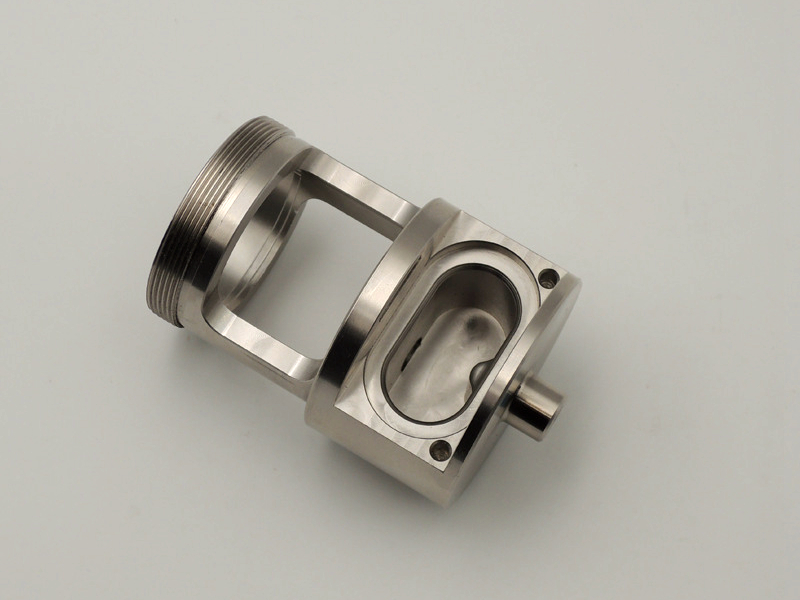
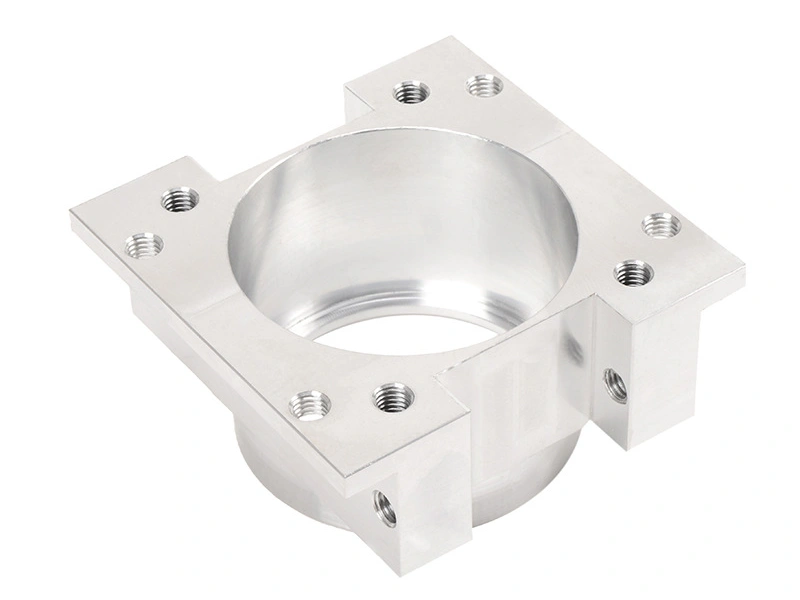
Prototype machining gives engineers functional metal or plastic parts quickly enough to test fit, motion, fastening, sealing, thermal behavior, and service loads before production tooling is frozen. CNC is especially useful when bores, threads, datums, mounting faces, and channels must match a released model closely. The part should carry its CAD or drawing revision, material condition, inspection status, and test purpose. Without that link, a successful test cannot reliably guide the next design or manufacturing decision.
A prototype must also state what it does not represent. Machining a part from billet may reproduce external geometry and critical features, yet omit casting porosity, forging grain flow, draft, production stock variation, or residual stress from the intended blank. Temporary fixtures and generous cycle time may hide access or rate problems. Engineers can use the prototype for its declared tests, but they should not extend those results to fatigue, corrosion, process capability, or production cost unless the sample and test route represent those conditions.
3. Pilot and Trial Builds Use Machining to Turn Design Learning into Process Learning
Pilot and trial builds convert an approved design into a tested manufacturing system. The parts should exercise the proposed datum scheme, fixtures, setups, program, tools, blank condition, deburring, surface treatment, inspection, and handling route. This stage reveals problems that one prototype cannot show, including tool-wear drift, thermal growth, clamp variation, burr accumulation, measurement disagreement, special-process distortion, and mixed revision control. The buyer needs batch evidence tied to the proposed route, not another carefully adjusted one-off sample.
Inspection frequency and acceptance rules should follow risk, customer requirements, and observed process behavior rather than a generic sample count. First-off approval establishes the starting condition, while in-process and end-of-run checks can expose drift. Measurement system analysis may be required for critical characteristics before capability data is trusted. If a feature changes after heat treatment, coating, or unclamping, the pilot plan should inspect it at that final state. Unresolved deviations remain open risks and should block an unsupported production release.
4. Mass Production Programs Still Need Machining Even When the Base Shape Comes from Other Methods
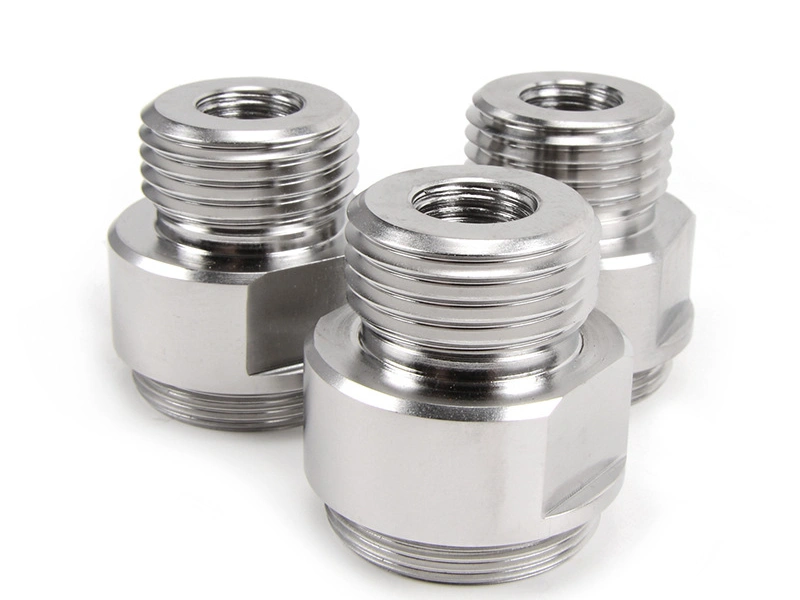
Mass-production programs still use machining when a complete CNC route is economical for the actual volume or when near-net blanks need precision-critical features. Bearing bores, shaft seats, sealing lands, bolt patterns, threads, and sensor interfaces often require controlled finishing after casting, forging, extrusion, molding, or fabrication. The production question is not whether CNC remains present. It is whether CNC is the primary route, a temporary bridge, or a stable downstream operation within the approved process chain.
Each role has a different cost and control model. A bridge route prioritizes availability while production tooling is being completed, but it needs an exit date and clear representation limits. A complete CNC route needs demonstrated cycle, tool-life, fixture, inspection, and capacity assumptions. A precision-finishing route depends on consistent blank datums and stock allowance. Buyers should compare total processed cost, yield risk, tool consumption, special processes, inspection, packaging, and change exposure instead of comparing only raw machining time.
Machining Role | Prototype Phase | Mass Production Phase |
|---|---|---|
Change response | Flexible programs and simple fixtures support controlled design revisions | Released programs, fixtures, documents, and revalidation rules control changes |
Production representation | Supports declared design tests while recording blank, setup, and rate differences | Uses the approved blank, equipment, fixture, sequence, special processes, and measurement route |
Release evidence | Revision-linked dimensional and functional results answer the prototype test purpose | Process controls, measurement records, capacity evidence, traceability, and required customer approval support recurring supply |
5. The Transition from Prototype to Production Depends on Three Main Decisions
The prototype-to-production transition depends on three decisions: whether the design is mature, whether the evidence represents the intended production route, and whether that route is ready for recurring demand. Design maturity includes released interfaces, functional validation, material state, and critical characteristics. Route representation includes the intended blank, fixture, setups, program, equipment class, special processes, and inspection method. Production readiness includes capacity, tool-life strategy, control plan, traceability, packaging, approved suppliers, and change control.
Moving too early can freeze avoidable cost, unstable datums, or a route that cannot meet rate. Moving too late can extend bridge costs and disrupt launch timing. The buyer should use a stage-gate checklist with named owners, open deviations, required evidence, and approval authority. A Production Part Approval Process submission, when required by the customer, documents defined production evidence and approvals. PPAP acceptance does not replace ongoing process monitoring, containment of drift, or approval of later changes.
6. Dimensional Continuity Is One of the Biggest Advantages of Using Machining Across Multiple Stages
Machining can preserve dimensional intent across stages only when datum logic, feature definitions, and measurement correlation are transferred deliberately. Reusing CNC does not guarantee continuity if the blank, setup sequence, fixture contact, tool access, heat treatment, or inspection alignment changes. The team should map each critical feature from prototype datum to production datum, identify where stock and distortion enter, and compare measurement methods before interpreting differences as actual part change.
Consider an engineering scenario for a suspension upright machined from billet during early testing and later produced from a forged blank. The bearing bore, mounting faces, and ball-joint interface may keep the same drawing requirements, but forging datums and stock allowance change fixture behavior. A pilot should use production-intent forgings, verify final feature relationships, and test the required structural duty on representative parts. The billet sample remains useful design evidence, yet it cannot prove forging consistency, production machining stability, or fatigue performance of the released route.
7. Automotive Machining Supports Both EV and Traditional Platforms for Different Reasons
EV and conventional platforms use the same staged machining logic, but they often validate different risks. E-drive housings, cooling plates, battery interfaces, and sensor mounts may emphasize sealing, thermal contact, electrical clearances, and lightweight datums. Shafts, gear housings, sleeves, and chassis interfaces may emphasize torque transfer, bearing fits, runout, wear, and fatigue. The prototype should target the actual functional risk, while the pilot should reproduce the intended route that can affect that risk.
The part mix does not determine whether a program is ready for production. Evidence does. An EV cooling component may need pressure, leak, thermal, cleanliness, and post-finish dimensional checks. A conventional shaft may need material-condition records, heat-treatment verification, runout, surface, and functional assembly evidence. Buyers should define these outputs by component and stage instead of applying one “automotive prototype” or “automotive production” checklist to every part.
8. Good Front-End Confirmation Makes the Stage Transition Smoother
Good front-end confirmation starts with an RFQ package that identifies the build stage and the decision the parts must support. Include released CAD and drawing revision, material and condition, intended production blank, quantities by stage, forecast demand, critical characteristics, datums, surface treatment, special processes, inspection method, functional tests, submission documents, packaging, and required delivery sequence. Mark any temporary deviation from production intent and state whether the supplier may propose an alternate route or material.
The supplier workflow should connect DFM questions, process planning, fixture and datum design, tooling, outside processes, measurement, trial release, and change records to the same revision. Quotes should separate one-time engineering, prototype pieces, bridge supply, production tooling, recurring machining, inspection, and special-process costs where relevant. This structure lets buyers compare offers on representation and risk, not only piece price. It also makes later changes traceable and shows which validations must be repeated before release.
9. Summary
Automotive part machining supports prototypes and mass production programs by producing stage-appropriate evidence, not by applying one unchanged process from sample to volume. Prototype machining accelerates design and functional learning. Pilot machining tests the proposed blank, fixtures, tools, measurement, special processes, and batch behavior. Production machining then serves as the complete route, a controlled bridge, or the precision-finishing step wherever the approved component and volume require it.
For automotive sourcing, define the question, representation, and exit evidence for every build. Release production only when the design is mature, the parts reflect the intended route, and manufacturing controls support recurring demand. The RFQ should state revisions, quantities, critical features, blank route, validation, documentation, capacity expectations, and change rules. That decision structure preserves useful prototype speed without treating a successful one-off part as proof of production readiness.