How can DFM reduce CNC machining lead times?
Streamlining Design for Manufacturing Efficiency
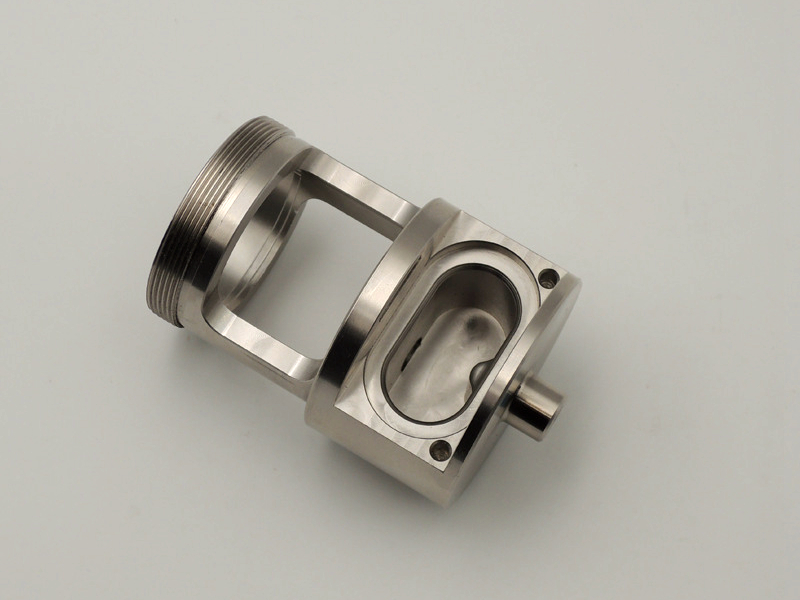
DFM reduces CNC machining lead time by removing design choices that create extra setups, programming revisions, tool changes, slow material removal, finishing rework, or inspection holds before production starts. The lead-time benefit comes from earlier decisions, not from simply asking a supplier to machine faster. During DFM, the part geometry, tolerance scheme, material, finish, and inspection plan are checked against practical CNC machining routes such as CNC milling and CNC turning. Features that slow the route can include deep narrow pockets, sharp internal corners, thin walls, inaccessible holes, unsupported bosses, and tolerances that are tighter than the function requires. A useful DFM response should classify each change as required for manufacturability, helpful for lead time, or optional for cost reduction. The record should identify the affected drawing feature, route consequence, approval owner, and revision destination. This connects a lead-time claim to an actual removed hold instead of a general promise. Buyers should approve or reject those changes before programming begins. If a drawing revision arrives after fixtures, stock, or toolpaths are prepared, the saved machining time can disappear quickly.
Reducing Setup and Programming Time
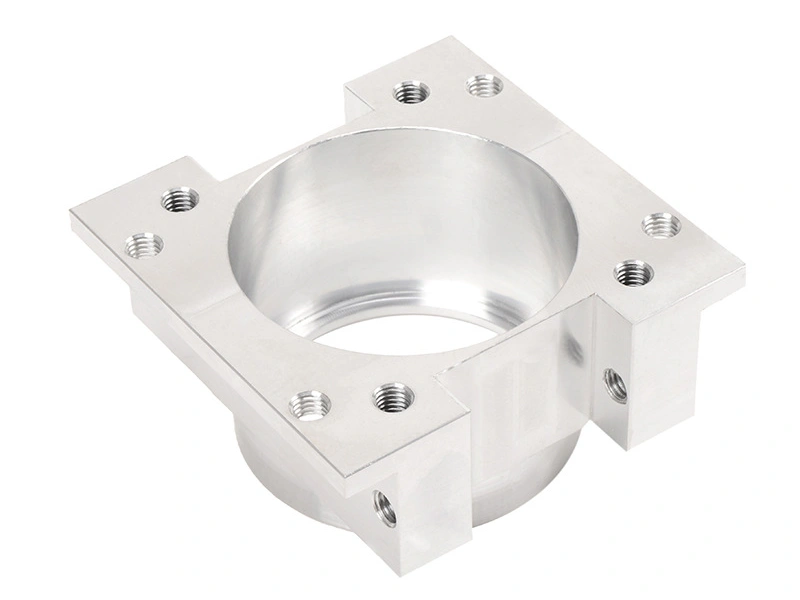
DFM can shorten setup and programming time when the design supports stable datums, reachable features, standard tools, and a logical machining sequence. Extra setups result when features face several directions, require long tool overhang, or cannot be clamped without covering critical surfaces. In some cases, a multi-axis machining process can replace multiple re-clamping steps, but the decision should compare fixture complexity, inspection access, and programming effort. A nominally single-setup route is not shorter when the fixture blocks a probe or a finishing datum. The resulting inspection transfer can replace the setup time that was saved. DFM should also decide whether EDM machining or CNC grinding is truly required for the feature. Those processes can solve access, hardness, or finish problems, but they add routing steps when used unnecessarily. The RFQ review should identify which features drive setups, which datums control alignment, and which dimensions are checked before the part leaves the fixture. Clear ownership prevents late toolpath changes and repeated first-piece checks.
Optimizing Material Selection and Machinability
Material DFM reduces lead time by matching the grade, stock condition, and design details to realistic cutting behavior. Materials such as Aluminum 6061-T6 and Brass C360 may support shorter routes when strength, corrosion, wear, temperature, and finish requirements allow them. That does not make the fastest-cutting material the correct choice. High-strength or heat-resistant materials such as Inconel 718 or Ti-6Al-4V need controlled cutting conditions, heat management, and feature access that limit chatter, tool wear, and difficult deburring. For corrosion-resistant parts, stainless steel SUS304 remains an option when availability, forming history, finish, and machining behavior fit the application. The RFQ should state exact grade, condition, acceptable substitutes, certificate needs, critical features, and finish compatibility. Missing material authority can hold the order before machining begins.
Integrating Surface Treatments Efficiently
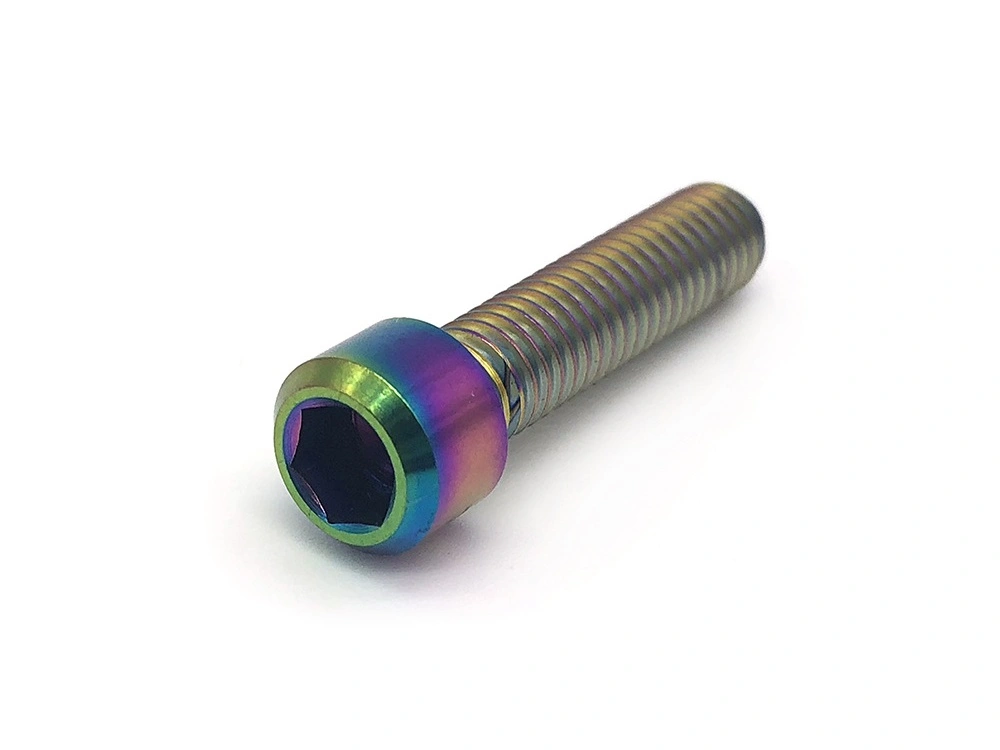
DFM reduces lead-time risk when surface treatment is planned with machining instead of after machining. Finishing can affect coating thickness, bore clearance, thread fit, color approval, roughness, cleanliness, and documentation. If anodizing or electropolishing is required, DFM should decide which surfaces need allowance, masking, pre-finish measurement, and final-state inspection. A release hold occurs when a part passes machining inspection and coating build-up then changes a thread or reduces a bore. Coatings such as PVD coatings or powder coating also need cleaning, masking, handling, visual acceptance, and post-process verification. The buyer must state final surface condition, controlled cosmetic zones, no-coat areas, certificate requirements, and any sample approval gate. The supplier can then plan finishing as a controlled route step rather than an unresolved operation after machining.
Shortening Delivery Through Industry-Specific DFM Standards
No single industry DFM standard creates a universal lead-time shortcut; the applicable drawing, contract, and quality requirements define which validation can be combined and which must remain separate. In automotive manufacturing, DFM may focus on standard fasteners, repeatable datums, tool access, burr control, and batch consistency because repeat production rewards stable processes. Aerospace parts may need material traceability, first-article evidence, and special-process control under the applicable drawing, purchase order, and quality plan. DFM should remove unnecessary machining loops without deleting required verification. For medical device components, lead time can depend on edge condition, cleanliness, material compatibility, and documented inspection under the buyer’s specification. A shortcut that removes a required validation step transfers schedule risk to final release. The useful question is which design choices create avoidable waiting while preserving documentation, traceability, and function. DFM shortens the route by eliminating avoidable work, not by hiding necessary checks.
Use a lead-time DFM checklist before order release: features driving extra setups, nonstandard tools, material availability, substitute approval, post-finish dimensions, inspection method, certificate needs, and buyer response time. If one item is unresolved, the order may still receive a quote, but the schedule carries a preventable hold risk. Set a response window for DFM questions and name the technical approver. An approval wait can exceed the machining time saved by a small geometry change. The release decision should also define allowed changes and whether partial release is acceptable when only cosmetic or documentation items remain open. This makes lead-time reduction a controlled decision rather than a vague rush request. Record the final decision in the drawing revision or order notes.