How are surface treatments integrated into the workflow?
Sequential Integration within CNC Machining Processes
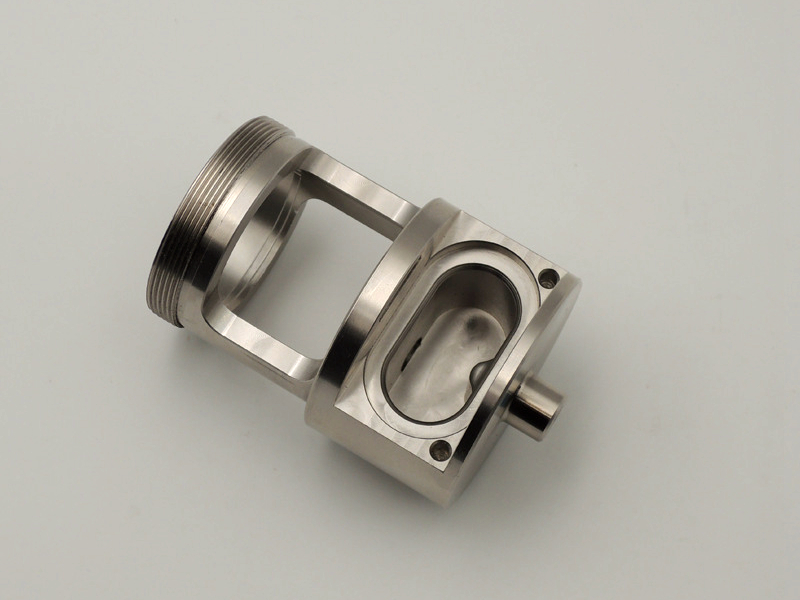
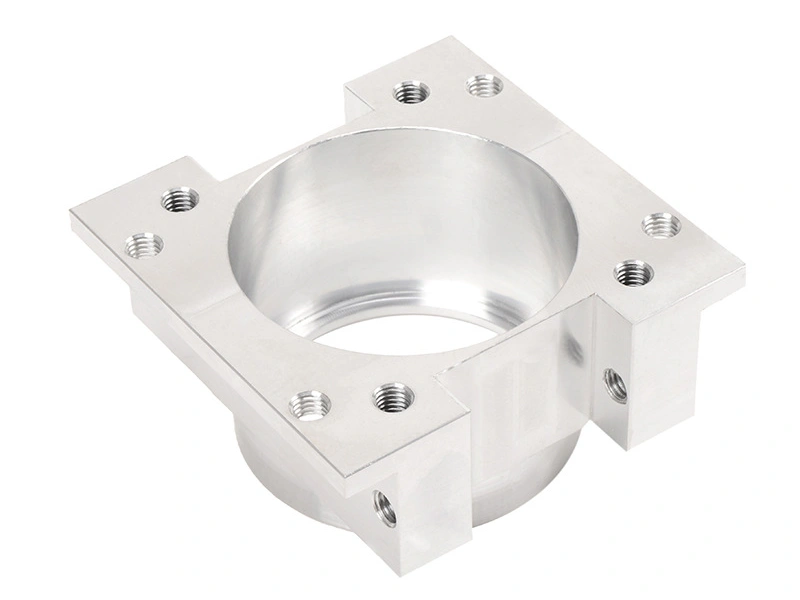
Surface treatments are integrated into the CNC workflow by planning finish requirements before machining, protecting controlled surfaces during cutting, inspecting parts before finishing, and checking critical dimensions again after the finish. Finishing should not be treated as a decorative step added after the CNC machining process is complete. The finish can change friction, corrosion behavior, cleanliness, coating thickness, edge condition, thread fit, and cosmetic acceptance. During CNC milling, CNC turning, or multi-axis machining, the machining plan should define which datums and sealing faces must remain protected. The process route should also state whether bores, threads, slots, and mating faces are measured before finishing, after finishing, or both. For CNC machining prototyping, a small finish trial can reveal color shift, coating build-up, burr exposure, masking difficulty, or assembly interference before production parts are released. Buyers should put final surface condition, masked areas, post-finish dimensions, inspection evidence, and certificate needs into the RFQ. That gives the supplier a workflow, not just a finish name.
Optimizing Surface Treatments for Material Characteristics
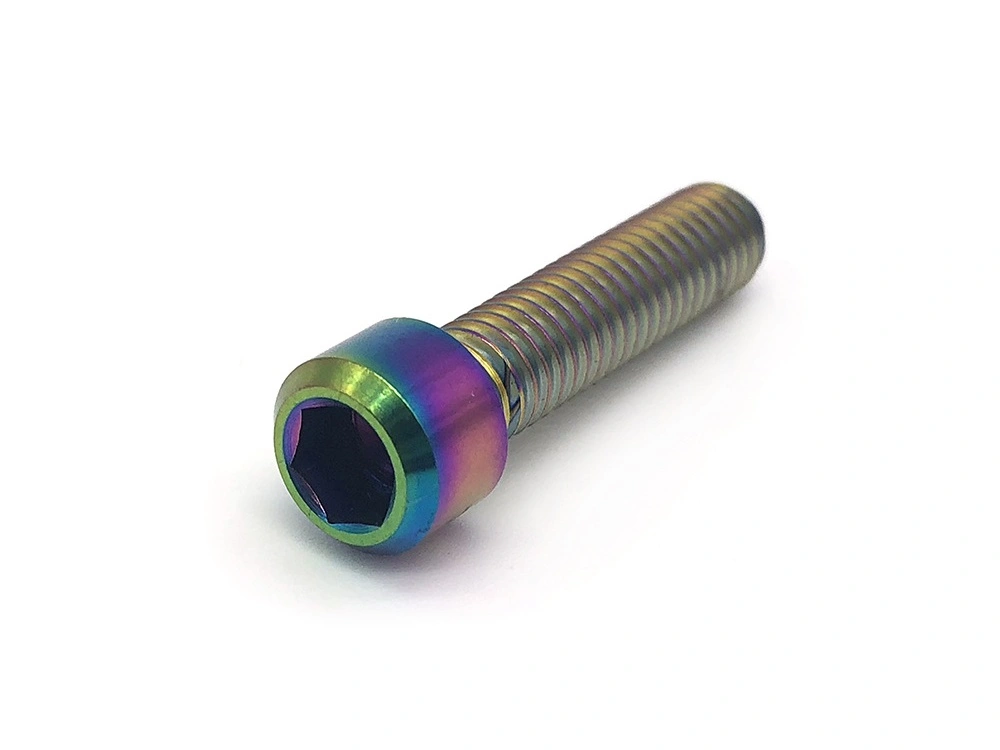
Surface treatment integration starts with material behavior because each grade reacts differently to cleaning, heat, chemistry, coating build-up, and post-process inspection. For aluminum 6061-T6, anodizing treatment can improve corrosion resistance and appearance when the drawing defines thickness range, color expectation, sealing condition, and surfaces that cannot tolerate build-up. Stainless steels such as SUS304 or SUS316L may use passivation when the goal is to remove free iron from the surface and support corrosion resistance under the specified environment. Passivation does not correct poor machining marks, embedded contamination, or an unsuitable stainless grade. For Inconel 718 or titanium alloys such as Ti-6Al-4V, heat exposure, cleaning, and coating compatibility must be reviewed against the exact finish specification; a reference to thermal barrier coatings does not establish that the same coating system suits both substrates. The buyer should confirm the exact material condition, finish standard, service environment, and acceptance method before approving a finishing route.
Workflow Coordination Between Machining and Finishing
Machining and finishing should be coordinated through a route sheet that separates preparation, masking, finish application, post-process inspection, and release. Cleaning, degreasing, masking, plug selection, and handling rules can decide whether PVD coatings or powder coating reach the right surfaces without damaging functional features. Thickness checks, adhesion checks, visual acceptance, and post-finish dimensional inspection should be planned before the order is released. A critical failure mode occurs when a part passes machining inspection, then coating thickness reduces bore size, blocks a thread, changes a press fit, or covers a datum that was needed for final measurement. Functional finishing such as electropolishing or tumbling and deburring must also be controlled because edge rounding, material removal, and burr movement can change performance. Buyers should ask whether inspection is based on pre-finish dimensions, final dimensions, or both. The RFQ should also name controlled cosmetic faces, no-coat zones, cleaning requirements, and whether sample approval is needed before the full batch is finished.
Cross-Industry Application of Integrated Finishing
Different industries integrate surface treatments differently because the finish may control durability, cleanliness, appearance, assembly fit, or documentation release. In aerospace and aviation, finishing plans may need traceability, heat exposure limits, coating thickness evidence, and controlled changes because the surface can affect fatigue, corrosion, and high-temperature behavior. The automotive sector often needs repeatable appearance, corrosion protection, thread protection, and batch-to-batch consistency for assembled parts. For medical devices, electropolishing, passivation, cleaning, and edge control may be evaluated against the buyer’s material, surface, and cleanliness specification. Integrated finishing does not automatically shorten turnaround or improve quality by itself. The workflow helps only when each step has clear inputs, controls, inspection evidence, and release criteria. Buyers should compare suppliers by asking how finishing risks are reviewed before machining, how controlled surfaces are protected, and what evidence proves the finished part still meets the drawing.
Use a finish workflow decision path before purchase order release. Define the finish purpose: corrosion protection, wear resistance, appearance, cleanliness, friction control, or heat exposure. Identify surfaces that cannot change after machining, such as datum pads, sealing faces, bearing bores, threads, and press-fit diameters. Decide whether machining dimensions are specified before finish, after finish, or with an allowance for coating build-up. Define verification through visual limits, thickness checks, roughness measurement, adhesion evidence, cleanliness records, corrosion exposure, or final dimensional inspection. If the drawing only names a finish, the selected route may satisfy the label while leaving a functional surface without a measurable acceptance criterion. If the RFQ includes finish purpose, material condition, no-coat zones, controlled dimensions, sample approval, and certificate needs, the workflow becomes easier to schedule and audit. During supplier review, ask who owns each hold point and what happens if the finish changes a critical dimension. A separate finish approval on one sample can expose color, masking, thread-fit, or edge-condition risks before the full batch enters finishing, reducing the chance of batch rework. Clear release criteria also reduce late cosmetic disputes and uncontrolled rework.