How Are Prototype Car Parts Different from Production Car Parts in Design and Cost?
How Are Prototype Car Parts Different from Production Car Parts in Design and Cost?
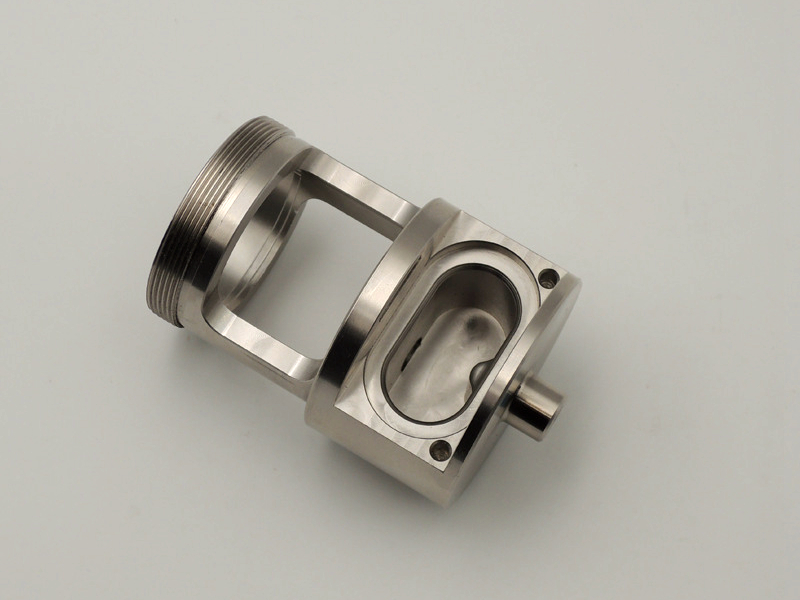
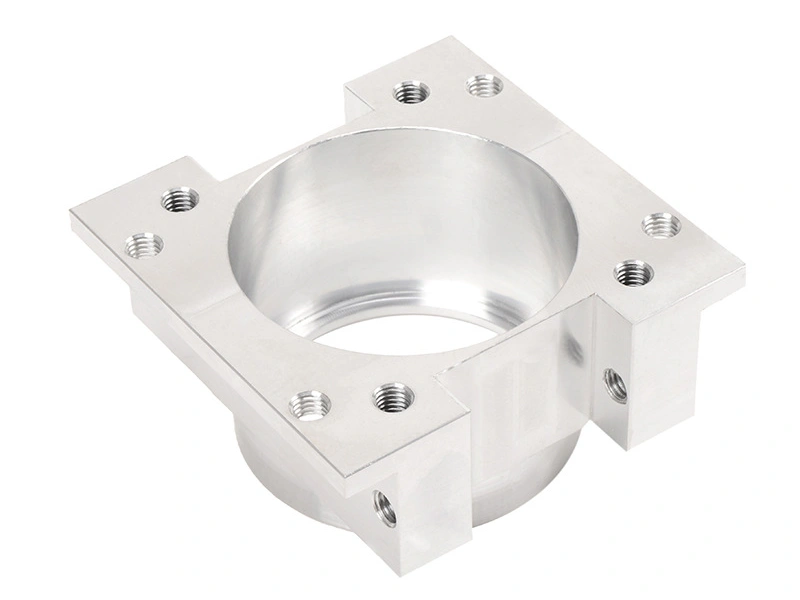
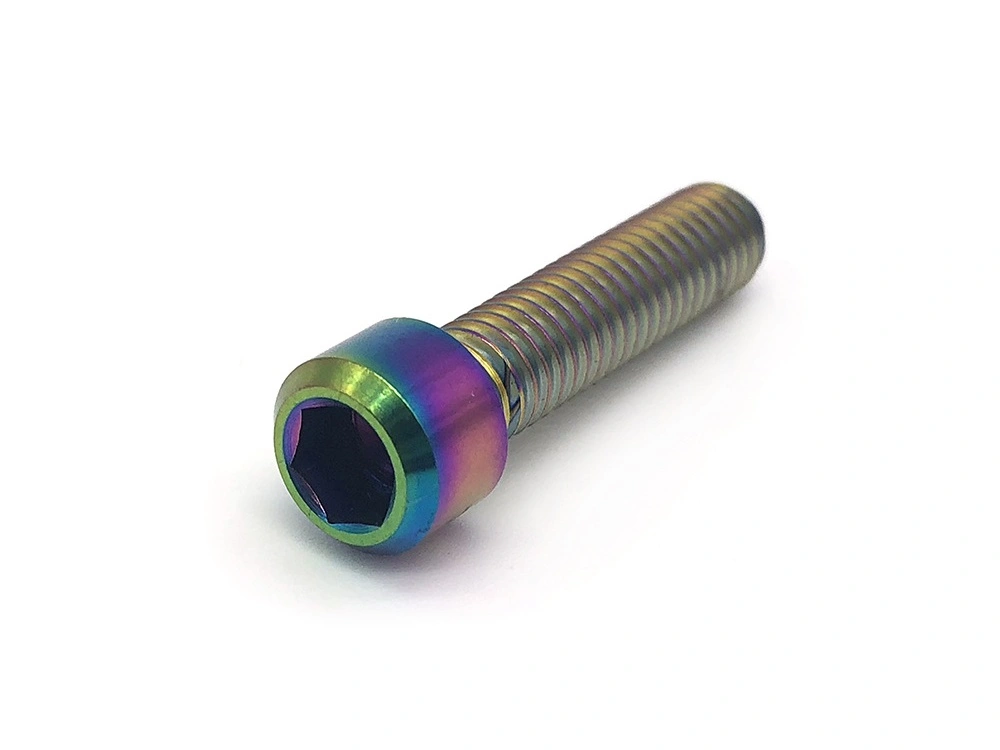
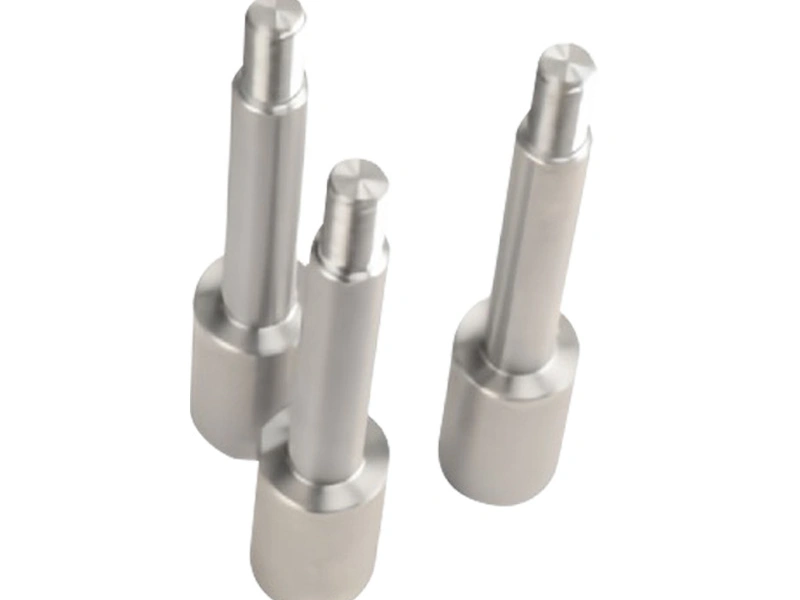
Prototype car parts are designed to answer defined engineering questions, while production car parts are released to repeat a controlled specification at the planned volume. The difference changes drawing maturity, acceptable process substitutions, inspection evidence, change control, and cost allocation. In an automotive RFQ, buyers should state the project stage, test objective, quantities, production-intent route, allowed deviations, and evidence required before the next stage can begin.
prototyping can use billet stock, flexible fixtures, and short-run methods to accelerate learning before dedicated tooling is justified. A fast sample represents only the material, blank, process, finish, and assembly conditions it actually includes. mass production requires a stable design and a repeatable route built around production-intent blanks, fixtures, tools, special processes, inspection, packaging, and change control. Cost comparisons should therefore separate one-time engineering and tooling from recurring unit cost and program risk.
1. Prototype Design Preserves Learning Options; Production Design Controls Repeatable Interfaces
Prototype design remains open enough to test alternatives, whereas production design must define the interfaces and requirements that every released part will repeat. A prototype drawing may prioritize mounting, motion, sealing, flow, thermal contact, or durability features while other details remain provisional. The RFQ should identify which revision is being built, what the sample must prove, and which deviations are acceptable for that test.
Production release needs a controlled drawing, CAD revision, material and condition, functional datums, special characteristics, finish state, and approved change path. A dimension is not production-ready merely because one sample met it. The supplier must be able to manufacture and inspect the requirement through the intended route. Unresolved geometry, conflicting tolerances, or unverified treatment effects should remain open actions rather than being hidden inside the production quote.
Project Stage | Design Release Question | Buyer Gate |
|---|---|---|
Prototype car part | Does this revision and build route represent the engineering test that must be run? | Approve the sample only for the named tests and record every difference from production intent |
Production car part | Are the design, material, route, inspection, finish, and change controls ready to repeat? | Release recurring supply only after production-intent evidence closes the defined risks |
2. Process Selection Changes When the Goal Moves from Learning to Repetition
Prototype processes are selected for time-to-learning when they can produce a valid test article without creating misleading evidence. Machining a housing from billet may avoid casting tooling and support rapid revision, but it does not reproduce casting porosity, stock distribution, locating surfaces, or heat history. Flexible fixtures and conservative tool paths can be appropriate for a few parts even when they are inefficient for recurring supply.
Production process design must control the intended blank, locating strategy, operation sequence, tool life, deburring, cleaning, special processes, inspection, and handling at the forecast volume. A pilot run should use production-intent conditions wherever those conditions can alter the result. Process optimization is valuable only when it preserves function and release evidence; a shorter cycle that increases distortion, burrs, scrap, or inspection burden is not automatically the lower-cost route.
3. Inspection Must Separate Test Validity from Process Stability
Prototype inspection should prove that the sample is suitable for its assigned test and help separate a design failure from a manufacturing error. The inspection plan therefore focuses on features that influence the test, plus material, finish, assembly, or functional evidence needed to interpret the result. Inspecting every drawing dimension may still miss the purpose if the production-intent differences and test-critical interfaces are not identified.
Production inspection protects released requirements across time, lots, tools, fixtures, shifts, and approved changes. Depending on the contract, evidence may include a first article, control plan, measurement-system review, capability study, PPAP submission, material traceability, or functional testing. Sampling and reaction rules should follow feature risk and process knowledge. A trend, tool-change event, or nonconformance must trigger the agreed containment, correction, and release decision.
Inspection Decision | Prototype Stage | Production Stage |
|---|---|---|
Acceptance question | Does the sample accurately support the named engineering test? | Does the released process repeatedly meet the controlled specification? |
Evidence set | Test-critical dimensions, material and finish state, assembly fit, and relevant functional results | Contract-required approval package, traceability, process evidence, lot results, and final functional acceptance |
Failure response | Separate design, sample-build, and test-setup causes before revising the design | Contain affected material, identify process cause and scope, correct it, and document re-release |
4. Prototype Cost Buys Learning; Production Cost Pays for Controlled Repetition
Prototype unit cost is often higher because programming, setup, engineering review, purchasing, and inspection are divided across few parts, while revision risk limits dedicated investment. The buyer is paying for a valid answer and the option to change direction before committing more capital. A cheaper sample can be the expensive choice if an unrecorded material or process substitution makes the test result unusable.
Production cost combines one-time engineering, fixtures, gauges, qualification, and tooling with recurring material, cycle time, tool consumption, labor, special processes, inspection, yield, packaging, and logistics. Forecast, batch size, release cadence, and design stability determine how those costs are allocated. Quotes should show what is included and which assumptions drive price. Prototype piece price and production piece price are not comparable until scope, volume, evidence, and risk are aligned.
5. Prototype Risk Is Dominated by Representation; Production Risk Is Dominated by Drift and Exposure
Prototype projects carry design uncertainty and representation risk. The sample may fit, flow, or survive a test but still differ from production in blank type, grain flow, porosity, heat treatment, joining, coating, fixture restraint, or cleaning. If those differences are not recorded, a successful result can create false confidence. The prototype plan should state what the part represents, what it does not represent, and which later builds must close the remaining gaps.
Production projects carry repeated exposure to material variation, tool wear, fixture change, process drift, supplier disruption, quality escape, and engineering change. A frozen drawing reduces design uncertainty but does not eliminate supply risk. Buyers need approved sources, traceability, reaction plans, change notification, capacity assumptions, and evidence from representative runs. The supplier must show how a detected deviation is contained before further parts are released.
6. The Same Part Changes Stage Only When Its Evidence Changes
The same housing, shaft, bracket, cooling part, or sensor mount can move from prototype to production, but quantity alone does not make that transition. The design revision, material and blank, fixture logic, process sequence, finish, inspection, packaging, and acceptance evidence must mature together. A batch of many billet samples is still not production evidence for a future casting route unless the remaining casting and process risks are separately validated.
A useful transition uses staged gates: prototype for defined learning, production-intent samples for route validation, a representative pilot for process and supply evidence, and recurring release under controlled conditions. Each gate should close named risks rather than repeat the same test at a larger quantity. The buyer should maintain a difference list between the approved prototype and proposed production route and assign an owner and validation method to every open item.
Comparison Area | Prototype Release Logic | Production Release Logic |
|---|---|---|
Design status | Controlled revision with named open questions and permitted deviations | Released revision with resolved interfaces, requirements, and change authority |
Process priority | Valid, flexible route that answers the test without masking key risks | Production-intent route that controls variation, yield, special processes, and output |
Inspection priority | Confirm test-critical features and document representation limits | Confirm initial approval, ongoing control, traceability, and reaction evidence |
Cost logic | Pay for engineering access, small quantity, quick learning, and revision flexibility | Allocate one-time investment and recurring cost across the forecast and release plan |
Main project risk | Invalid learning caused by design uncertainty or an unrepresentative sample | Repeated loss caused by drift, escapes, unstable yield, change, or supply interruption |
7. Stage-Specific RFQs Produce Comparable Supplier Decisions
A prototype RFQ should define the test objective, CAD and drawing revision, quantities, material and condition, production-intent differences, critical features, permitted substitutions, finish, inspection report, functional tests, and required date. The supplier can then quote the fastest route that preserves test validity. Buyers should compare whether each proposal answers the same engineering question, not only the sample price or promised speed.
A production RFQ should add forecast and batch sizes, release cadence, approved blank route, traceability, special-process requirements, inspection submission, capability expectations where applicable, change notification, packaging, and delivery assumptions. Supplier review should separate one-time and recurring charges and identify cost sensitivities. A lower unit quote without aligned yield, inspection, tooling life, quality response, or volume assumptions is not an equivalent commercial offer.
8. Release Each Stage Against Its Own Purpose
Prototype car parts support defined learning under a controlled revision and may justify flexible processes, low quantities, and higher unit cost. Production car parts support repeat supply under a released design, production-intent route, ongoing controls, and forecast-based economics. The prototype proves only its stated test conditions; production release requires evidence that the intended process and supply system control the remaining risks.
For automotive buyers, the practical decision is to approve each stage with different evidence. Release a prototype when it is valid for the named test. Release production only when design, route, inspection, cost assumptions, change control, and supply evidence are aligned. This prevents a fast sample from being mistaken for process capability and prevents a low unit price from hiding incomplete production scope.