Can CNC shops help adjust my design for better manufacturability?
Collaborative Engineering Between Designers and Machinists
Yes, CNC shops can help adjust a design for better manufacturability by reviewing CAD geometry, tolerances, material condition, and finish requirements before machining starts. A practical review through CNC machining services or early CNC prototyping should identify features that are hard to reach, hard to hold, hard to measure, or expensive to finish. The useful output is not a vague request to simplify the part. It is a marked drawing, a revised model note, or a written DFM comment that explains the machining reason behind each change. If a functional feature cannot change, the shop must separate that locked requirement from optional cost-saving suggestions. Candidate changes can include larger internal radii, clearer datum references, relieved tool access, fewer cosmetic surfaces inside tight functional areas, and tolerance grades that match the feature's real job. The review should also flag where a thin wall may move after unclamping, where a bore may distort after finishing, and where a burr could block assembly. The buyer should send native CAD, a controlled 2D drawing, material grade and condition, surface finish requirements, annual volume, critical-to-function dimensions, and any assembly parts that control fit. A one-stop manufacturing service can then connect machining, deburring, finishing, and inspection decisions before a design freeze.
Design for Manufacturability (DFM) Review and Geometry Optimization
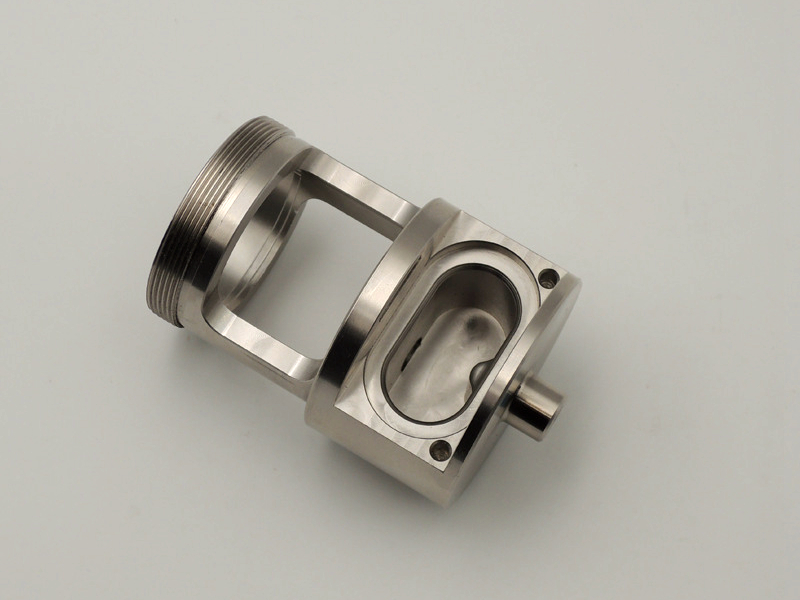
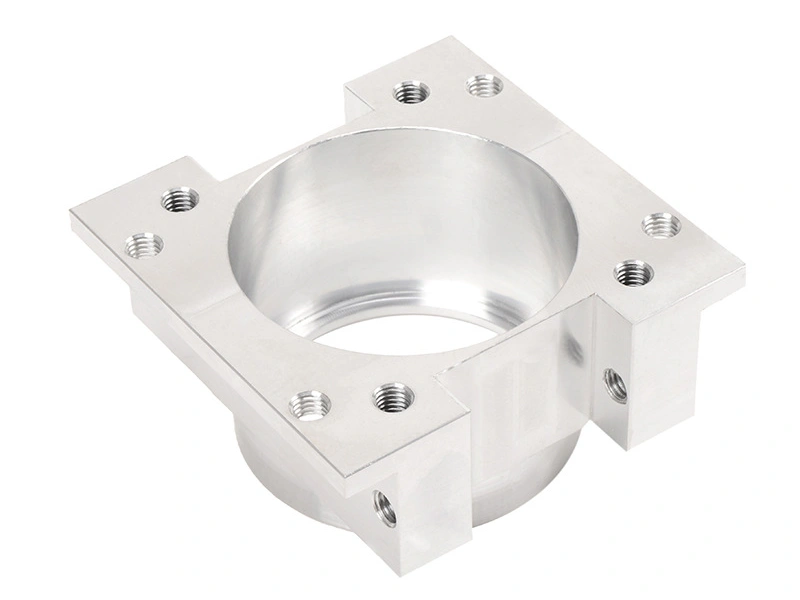
A DFM review improves manufacturability when the CNC shop links each geometry change to tool access, setup stability, inspection method, or downstream finishing risk. For complex faces, multi-axis machining may reduce re-clamping, but it does not remove the need for reachable cutters, secure workholding, and measurable datums. In CNC milling, deep narrow pockets, sharp internal corners, thin standing walls, and isolated raised pads drive long-tool and chatter risk when cutter reach exceeds the rigidity available for the cut. In CNC turning, long slender sections, interrupted cuts, undercuts, and grooves near shoulders can affect support and tool clearance. ASME Y14.5 geometric dimensioning and tolerancing (GD&T) can define datums and functional relationships on drawings that invoke the standard; it does not justify tight tolerances on every surface. A shop may suggest moving a nonfunctional radius, opening a relief groove, changing a blind pocket to a through feature, or separating cosmetic surfaces from bearing fits. The change should state the expected benefit, such as fewer setups, shorter tool reach, easier probing, controlled deburring, or lower fixture deflection. The buyer can then decide whether the benefit warrants a drawing revision, a prototype loop, or a note that preserves the original design. If the geometry still cannot be reached through the approved cutting route, the review can document when EDM machining or a secondary operation provides a more controllable alternative.
Material and Surface Treatment Recommendations
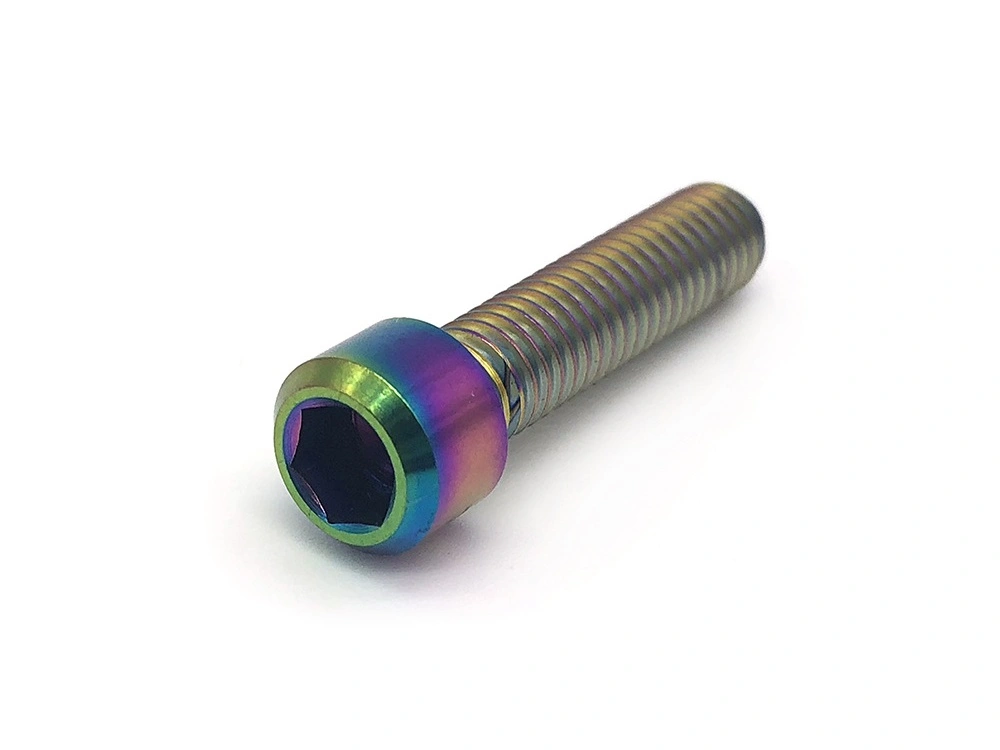
CNC shops can recommend material and surface-treatment changes, but a responsible recommendation must preserve the part's load, corrosion, temperature, wear, and regulatory requirements. Inconel 718 may be justified for high-temperature strength or severe corrosion, but the same geometry can require different tooling, heat control, and a lower-removal-rate plan than aluminum. Aluminum 6061-T6 can reduce machining effort for brackets, covers, and housings when strength, thread wear, corrosion, and service temperature allow it. SUS304 stainless steel may suit corrosion-resistant parts, yet thin walls and small tapped holes still need burr and work-hardening control. Ti-6Al-4V can support weight-sensitive designs, but the review must account for galling, cutting heat, tool access, and inspection. A material swap is defensible when the shop explains which requirement is unchanged, which requirement is relaxed, and which new risk appears. Replacing a difficult alloy with aluminum may reduce machining effort, but the buyer must recheck stiffness, thread strength, coating compatibility, and service environment. Surface choices need the same discipline. anodizing can change functional hole or slot dimensions. electropolishing removes material from exposed stainless surfaces; the required allowance depends on the process specification, starting surface, and controlled dimension. PVD and powder coating must be reviewed against threads, bores, masking zones, and mating faces before drawing release. The RFQ should state whether dimensions apply before finishing, after finishing, or after masking.
Industry-Specific Support and Quality Alignment
CNC shops help most when design changes are tied to the inspection and acceptance rules used by the buyer's industry. For aerospace and aviation parts, the review may focus on weight-reduction pockets, datum stability after roughing, heat-resistant alloys, and documented first-article inspection requirements. For automotive components, the same review may focus on fixture repeatability, gauge access, burr control, and features that remain stable across production lots. For medical devices, manufacturability comments must address edge breaks, cleanable grooves, surface roughness, material traceability, and finish compatibility when those items control intended use or the approved specification. A DFM response should separate required manufacturing changes from optional cost reductions and name the validation path for each major change. That path can include prototype machining, first-off inspection, CMM measurement, thread gauging, finish verification, or assembly testing. If the shop cannot verify a proposed change with the available drawing, the buyer should request a sample plan or hold the change for engineering approval. The buyer then approves functional changes, rejects changes that harm use, and freezes the drawing revision that controls quoting, machining, and inspection.
The CNC shop owns the manufacturing recommendation; the buyer owns product function and design approval. Each accepted change should appear in the controlled CAD or drawing revision before programming, while rejected suggestions remain documented as quote assumptions. This boundary prevents a machinability comment from becoming an unauthorized design change. Before release, confirm the approving engineer, revision identifier, validation method, affected interfaces, and whether the quoted price uses the original or revised geometry.