Can CNC Prototype Parts Be Transitioned Directly into Low-Volume Production?
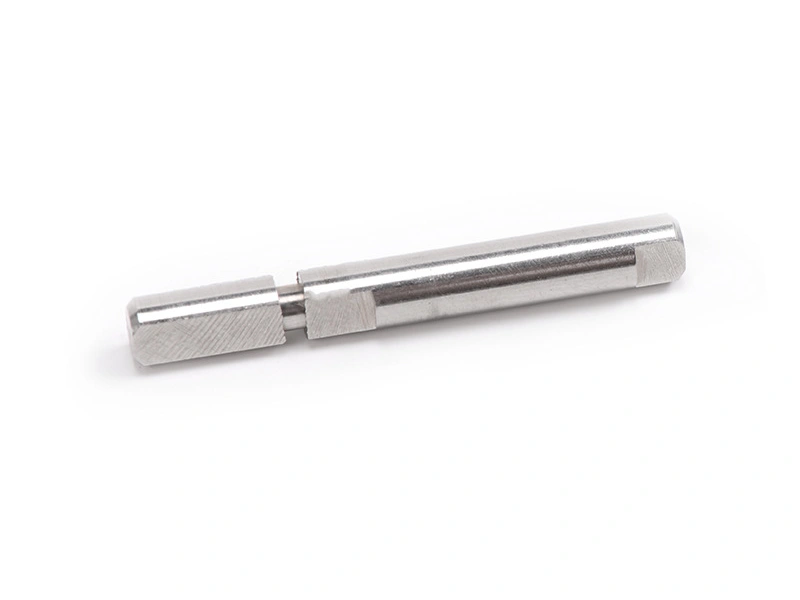
Can CNC Prototype Parts Be Transitioned Directly into Low-Volume Production?
CNC prototype parts can transition directly into low-volume production only when the released design, material state, workholding, machining route, critical features, final finish, inspection method, and deviation status represent the intended repeat process. A successful prototype proves only the questions it was built to answer. Temporary fixtures, substitute stock, hand fitting, selected parts, open concessions, or a changed outside process require a representative pilot or targeted revalidation before routine supply.
Direct transition is therefore an evidence-transfer decision, not a quantity decision. Build a matrix that compares prototype and low-volume inputs, process steps, CTQs, measurement, acceptance, and known differences. Close changes through named design and quality authority, then define first-piece, in-process, final, and lot-release evidence. If a later route changes casting, molding, automation, tooling, material form, finishing, or inspection, the low-volume result does not automatically qualify mass production.
1. The Transition Starts When the Prototype Has Proven the Design, Not Just the Shape
The transition starts when the prototype has produced traceable evidence for the named design decisions and every unresolved difference has an owner. Geometry approval may cover envelope, access, or assembly without proving material behavior, sealing, fatigue, wear, finish response, or process repeatability. Functional approval is valid only for the tested revision, material and condition, mating parts, load or media, environment, surface state, and acceptance method.
Use a validation register rather than one “prototype approved” label. For each question, record the characteristic, datum or reference, test configuration, measured result, disposition, concession, and remaining production-route gap. Consider a machined aluminum valve body approved for port location, O-ring groove geometry, and leak testing. That evidence does not establish a later cast body’s porosity, stock allowance, local properties, or distortion. Those variables remain explicit transfer gates.
Project Stage | Decision Evidence | Next Gate |
|---|---|---|
Named geometry, fit, function, material, surface, and test questions with recorded boundaries | Close design actions and list every route, process, and evidence difference | |
Prototype approved and drawing stabilized | Controlled revision, closed deviations, representative inputs, CTQ results, and authorized dispositions | Release a representative low-volume route and pilot verification plan |
Repeat lots under controlled route, material, setup, finish, inspection, and reaction rules | Approve continued supply or revalidate changes before the next scale decision |
2. Design Freeze Is the Most Important Gate Before Moving into Low-Volume Production
Design freeze is effective only when one controlled authority defines the released CAD, drawing, bill or specification set, units, material, finish, CTQs, datums, acceptance rules, and approved deviations. A file named “final” is not a release system. The supplier and buyer must be able to identify which revision governs stock purchase, programming, fixtures, machining, outside processing, inspection, shipment, and test records.
Freeze also needs a change process. Every proposed change should identify affected geometry, material, program, fixture, completed work, inspection, inventory, mating parts, and validation conclusions. Cosmetic changes may still alter coating, masking, edge treatment, or inspection. Do not carry them informally. Name who can approve design changes, manufacturing deviations, use-as-is decisions, and revalidation scope. Low-volume work should pause at the affected gate until disposition is traceable.
3. The Same Process Route Can Continue, but It Must Be Strengthened for Repeatability
The prototype route can continue when its material form, stock orientation, datum strategy, workholding, machines or equivalent process envelope, tools, sequence, deburring, heat treatment, finish, and inspection represent the released low-volume route. Continuity reduces unknowns only when those controls are documented. If the prototype relied on temporary soft jaws, manual fitting, extra inspection, selected parts, or an experienced operator’s unrecorded adjustments, the route is not yet repeatable evidence.
Strengthen the route by defining setup instructions, fixture seating checks, tool-life or wear responses, in-process measurements, burr and cleanliness boundaries, final-state inspection, nonconformance reaction, and record retention. Optimize cycle time only after identifying which operations protect CTQs. A faster toolpath or combined setup can change force, heat, distortion, datum transfer, and surface condition. Treat each material process change as an engineering change with verification proportionate to its risk.
4. Dimensional Consistency Is What Proves the Transition Is Working
Dimensional consistency supports the transition when repeated parts and lots meet the released CTQs under the same defined measurement conditions. Appearance or one accepted part is not enough. Size, position, form, profile, surface state, thread acceptance, and functional result must remain separate characteristics. Measurements also need the correct datum reference frame, free or restrained condition, final process state, and method. Machine repeatability or instrument resolution cannot substitute for finished-part evidence.
The control plan should target failure modes that can change across a lot. Fixture seating can shift a hole pattern. Tool wear can change bore size or burr formation. Thin walls can move after unclamping. Heat or stock stress can alter flatness. Coating can change a fit. For every CTQ, define setup verification, in-process or final check, reaction limit, containment action, and revalidation trigger. The buyer should approve any sampling or restraint that differs from the functional condition.
Feature Type | Transition Failure Mode and Verification |
|---|---|
Hole patterns and datums | Fixture seating or datum transfer can shift assembly relationships; verify setup references and cross-feature position |
Bores and shafts | Tool wear, heat, or finish can change size, form, and fit; inspect in final state with a suitable method |
Threads and fastening points | Wear, burrs, plating, or damage can alter engagement; control gauges, edge condition, protection, and assembly evidence |
Functional surfaces | Lay, scratches, flatness, cleanliness, coating, or handling can alter contact and sealing; link inspection to the functional test |
5. Process Stability Matters More in Low-Volume Than It Did in the First Prototype Build
Process stability matters because low-volume supply introduces repeated setups, stock lots, tool life, outside processing, operators, inspection events, and shipments. The first prototype may receive exceptional attention that is not sustainable. Transfer planning should identify every temporary control and decide whether to standardize, replace, or retain it. A process is not stable merely because all current parts passed; the controls must detect and react to the mechanisms that could move the result.
Create a reaction plan for fixture damage, tool wear, material variation, distortion, burr growth, finish deviation, measurement disagreement, and supplier or equipment change. The plan should state containment, product identification, affected quantity, disposition authority, correction, and evidence required to restart. Keep traceability between material, route, inspection, deviation, and shipment. That record allows later test results to be tied to the configuration that produced them.
6. Inspection Logic Should Also Evolve from Prototype to Low-Volume Production
Inspection should evolve from broad learning on the first prototype to risk-based control of the released low-volume route. Prototype inspection may measure many features to understand design and process behavior. Low-volume inspection must define which characteristics release setup, which are checked in process, which require final-state verification, and which support lot release. Sampling decisions need risk, process evidence, change history, and a reaction rule rather than a fixed habit.
Preserve measurement method and datum continuity when comparing prototype and production results. If equipment, fixture, algorithm, temperature condition, restraint, or surface state changes, determine whether the results remain comparable. Nonconforming results need documented review, containment, and disposition. A use-as-is prototype concession should not silently become the low-volume specification. Close it, revise the design, or define the exact authorized scope and expiration.
7. Using One Supplier for Both Stages Usually Improves Continuity
Using one supplier for CNC prototyping and low-volume production improves continuity only when the supplier retains controlled records, route knowledge, validation evidence, deviations, and change history. Supplier identity alone does not preserve the process. Personnel, machines, fixtures, material sources, outside processors, inspection methods, or software can change inside the same company. Those changes need the same review as an external transfer.
A new supplier can also transition successfully when the technical transfer package is complete and a representative build closes the knowledge gap. Provide released files, prototype reports, test boundaries, approved concessions, process-sensitive CTQs, material and finish records, fixture and datum logic, inspection methods, and known failure modes. The buyer should compare the new route with the approved route and assign verification to every difference before accepting routine supply.
Using the Same Supplier Across Stages | Evidence That Must Continue |
|---|---|
Prototype knowledge continuity | Validation questions, tested configuration, results, limits, concessions, and unresolved route gaps |
Stable process carryover | Material source and state, setup, fixture, tools, sequence, outside processes, and change records |
Faster communication | Named design, manufacturing, quality, deviation, and release authorities with traceable decisions |
Dimensional continuity | CTQ definitions, datums, measurement conditions, reports, reaction limits, and revalidation triggers |
8. Not Every Prototype Should Transition Directly, and That Distinction Matters
A prototype should not transition directly when it used substitute material, simplified geometry, temporary tolerances, hand rework, selected components, nonrepresentative workholding, omitted finishing, exceptional inspection, open concessions, or a route that will change. Each difference can invalidate a different conclusion. A fit sample may remain useful for interface review while offering no evidence for strength, sealing, finish durability, repeatability, or production cost.
Choose the next build by risk. A representative pilot may be needed when several route variables change together. Targeted revalidation may be enough when one controlled difference affects a limited set of CTQs. The transfer matrix should state the changed variable, affected requirement, failure mode, verification, acceptance rule, owner, and disposition. Do not describe an incomplete transfer as direct simply because the next order quantity is small.
9. The Transition to Low-Volume Is Often the Best Time to Prepare for Future Scaling
Low-volume production can prepare for mass production by exposing repeat setup, tooling, material, outside-process, inspection, packaging, and change-control risks before scale increases. It does not qualify a different high-volume route automatically. New tooling, automation, forming, casting, molding, material form, takt strategy, sampling, or supplier network can introduce new failure modes. Scaling decisions must compare routes and retain only evidence that remains representative.
Use low-volume records to identify stable CTQs, sensitive parameters, common nonconformances, tool-life behavior, measurement limitations, reaction effectiveness, and unresolved cost drivers. Then build a scale-transfer plan with representative trials and revalidation triggers. The objective is not to prove that one CNC lot can be copied indefinitely. It is to make every later process decision traceable to evidence and to close new risks before they affect larger quantities.
10. Summary
CNC prototype parts can transition directly into low-volume production when the controlled design, material state, route, workholding, CTQs, final finish, inspection, deviations, and change authority represent the repeat process. Prototype approval does not establish repeatability by itself. Temporary controls, substitutions, concessions, manual adjustments, selected parts, or process changes require a representative pilot or targeted revalidation.
The release package should connect prototype evidence to low-volume controls, reaction rules, traceability, and remaining gaps. Confirm route equivalence feature by feature, inspect affected CTQs in final state, and define what changes trigger revalidation. Use low-volume evidence for future mass production only where materials, processes, measurement, and failure mechanisms remain representative. The correct transition decision is the one supported by controlled evidence, not the one with the fewest formal steps.