
English
What information is needed to get a brass CNC machining quote?
Table of Contents
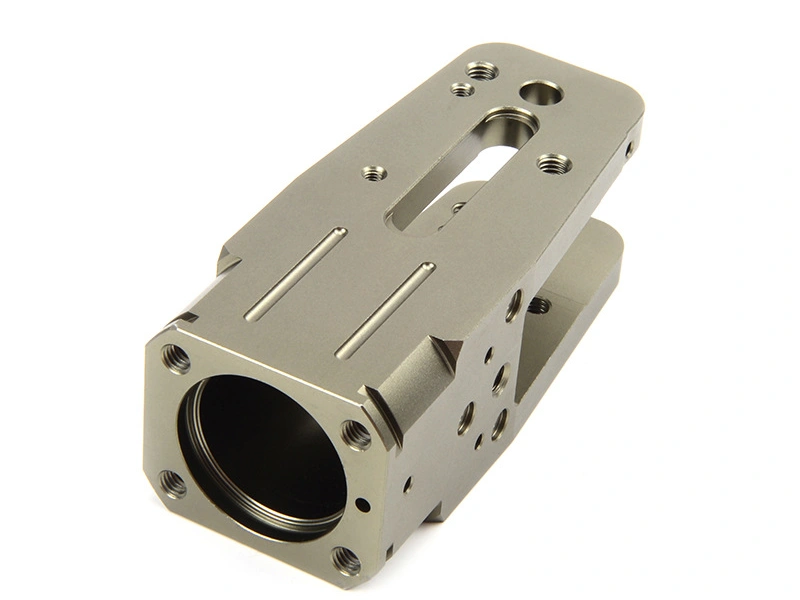
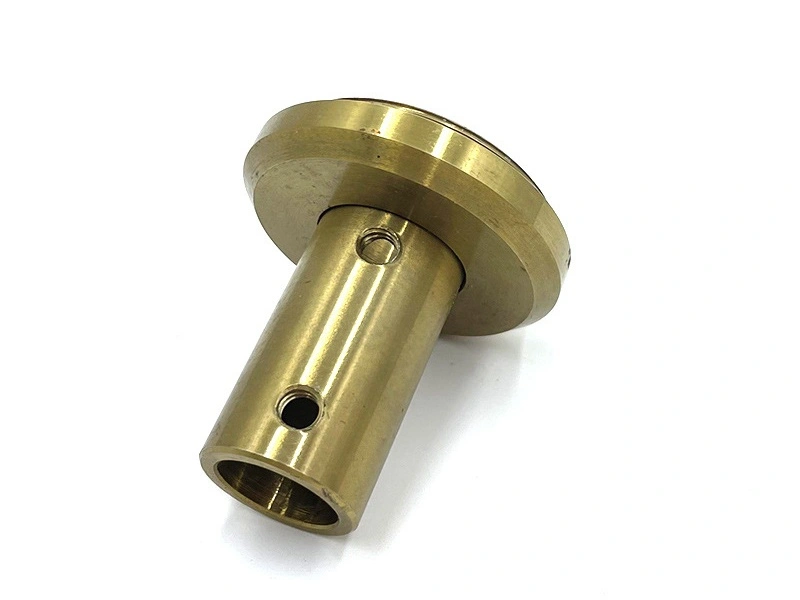
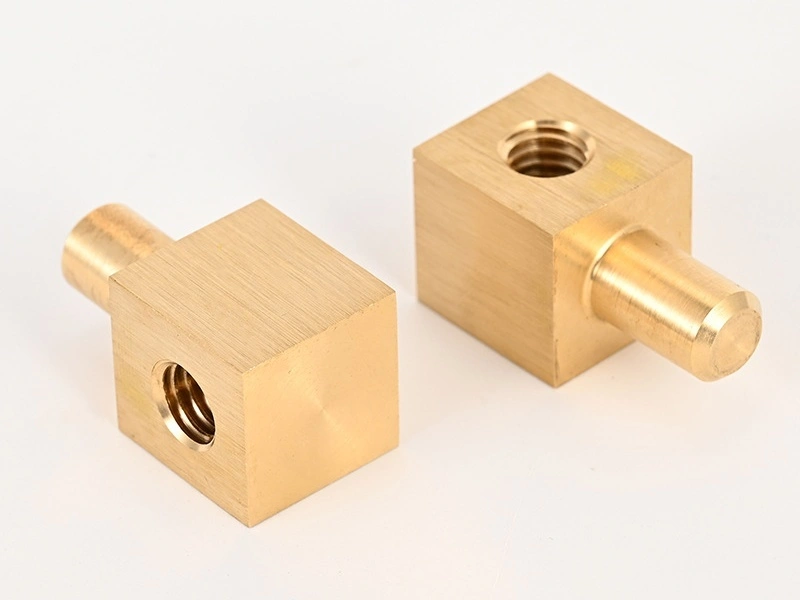
<h2 id="what-information-is-needed-to-get-a-brass-cnc-machining-quote?">What information is needed to get a brass CNC machining quote?</h2><p>An accurate <strong>brass computer numerical control (CNC) machining quote</strong> requires a revision-controlled three-dimensional computer-aided design (3D CAD) model, a governing two-dimensional (2D) drawing, the brass specification and material condition, order quantities, thread and sealing requirements, finished-state dimensions, inspection evidence, and the required delivery date. The package should identify which surfaces are functional, cosmetic, plated, or protected. These inputs let a supplier separate contractual part requirements from assumptions about stock, tooling, gauges, outside processing, and lot release. If model and drawing data conflict, the request for quotation (RFQ) must identify the governing document before pricing begins. Buyers should send these records together when requesting a <a target="_blank" href="https://www.newaymachining.com/services/brass-cnc-machining">brass CNC machining quote</a>, because an unresolved alloy, thread, coating, inspection, or delivery assumption prevents a comparable delivered-part price.</p><div data-type="row" class="row"><div class="col-12 col-md-6" data-type="col"><p><a href="https://www.newaymachining.com/services/brass-cnc-machining"><img src="https://www.newaymachining.com/storage/attachments/2026/05/10/what-information-is-needed-to-get-a-brass-cnc-machining-quote.webp" width="790" height="592" loading="lazy"></a></p></div><div class="col-12 col-md-6" data-type="col"><p><a href="https://www.newaymachining.com/services/brass-cnc-machining"><img src="https://www.newaymachining.com/storage/attachments/2026/05/10/brass-cnc-machining-quote-custom-brass-cnc-parts-quote.webp" width="800" height="600" loading="lazy"></a></p></div></div><div class="i-typography-table-responsive"><table><tbody><tr><th colspan="1" rowspan="1"><p>Request-for-quotation input to release</p></th><th colspan="1" rowspan="1"><p>Decision it must support</p></th></tr><tr><td colspan="1" rowspan="1"><p>Revision-controlled 3D CAD</p></td><td colspan="1" rowspan="1"><p>Confirms complete geometry, machinable access, stock envelope, and fixture concept</p></td></tr><tr><td colspan="1" rowspan="1"><p>Governing 2D drawing</p></td><td colspan="1" rowspan="1"><p>Controls datums, tolerances, threads, surface notes, and acceptance requirements</p></td></tr><tr><td colspan="1" rowspan="1"><p>Alloy, specification, form, and condition</p></td><td colspan="1" rowspan="1"><p>Prevents an unapproved material substitution and defines certificate expectations</p></td></tr><tr><td colspan="1" rowspan="1"><p>Prototype, lot, and annual quantities</p></td><td colspan="1" rowspan="1"><p>Supports material purchasing, setup allocation, tooling, and production planning</p></td></tr><tr><td colspan="1" rowspan="1"><p>Complete thread callouts</p></td><td colspan="1" rowspan="1"><p>Defines form, size, class, depth, mating condition, and gauge method</p></td></tr><tr><td colspan="1" rowspan="1"><p>Sealing-face definition</p></td><td colspan="1" rowspan="1"><p>Identifies finish, geometry, damage limits, and any functional test boundary</p></td></tr><tr><td colspan="1" rowspan="1"><p>Plating and cosmetic specification</p></td><td colspan="1" rowspan="1"><p>Controls masking, coating buildup, final dimensions, color, and appearance criteria</p></td></tr><tr><td colspan="1" rowspan="1"><p>Critical-to-function feature map</p></td><td colspan="1" rowspan="1"><p>Focuses process control on fit, flow, sealing, alignment, and assembly interfaces</p></td></tr><tr><td colspan="1" rowspan="1"><p>Inspection and record requirements</p></td><td colspan="1" rowspan="1"><p>Defines gauges, measurement methods, sampling, certificates, and report format</p></td></tr><tr><td colspan="1" rowspan="1"><p>Required delivery and packaging</p></td><td colspan="1" rowspan="1"><p>Sets the achievable material, finishing, inspection, protection, and shipment sequence</p></td></tr></tbody></table></div><h3 id="1.-cad-and-2d-drawing-are-both-required">1. CAD and 2D drawing are both required</h3><p>The 3D CAD model should contain complete nominal geometry in a usable solid format, while the released 2D drawing carries the contractual manufacturing requirements. The drawing needs revision identity, units, datums, general tolerances, critical dimensions, thread callouts, surface texture, edge requirements, and applicable notes. State whether model-based definition governs and identify the controlling revision. A supplier can then evaluate turning versus milling, tool access, workholding, and inspection without guessing which dimensions control acceptance. For projects involving tight fits or sealing features, define the datum system and feature relationship before reviewing <a target="_blank" href="https://www.newaymachining.com/blogs/understanding-machining-tolerances-what-buyers-must-know-before-ordering-cnc-parts">CNC machining tolerances</a>.</p><h3 id="2.-the-exact-brass-grade-should-be-specified">2. The exact brass grade should be specified</h3><p>State the alloy designation together with its governing specification, product form, and condition; the word brass alone is not sufficient. C360 bar selected for cutting behavior and C377 stock associated with forged components do not create interchangeable procurement routes. C260, C385, and other alloys also serve different forming, appearance, corrosion, or fabrication needs. The RFQ should say whether alternate material is prohibited or may be proposed for written approval. It should also identify required mill certificates, restricted-substance declarations, or lot traceability. This prevents a price based on readily available stock from being mistaken for approval of a different certified material.</p><h3 id="3.-thread-and-sealing-details-must-be-defined-clearly">3. Thread and sealing details must be defined clearly</h3><p>For fittings and valve components, give the complete thread standard and designation, internal or external form, tolerance class, effective length or depth, entry condition, and mating-part information. State the required gauge or measurement method rather than asking only for a thread inspection. Mark every sealing face on the drawing and define its datum relationship, surface texture, geometry tolerance, and permitted edge condition. If leak, pressure, or torque testing is contractually required, identify the medium, test condition, acceptance limit, sample size, and reporting need. Otherwise, the quote cannot distinguish dimensional inspection from functional assembly validation.</p><h3 id="4.-finish-and-plating-requirements-can-change-both-price-and-dimensions">4. Finish and plating requirements can change both price and dimensions</h3><p>Specify the finish process, governing specification, coating thickness range, masked areas, cosmetic class, color or gloss reference, and the party responsible for final acceptance. Dimensions affected by plating must say whether they apply before or after coating, especially on threads, bores, fits, and sealing interfaces. Define permitted contact marks and protected surfaces so handling and packaging can be planned. A supplier also needs to know whether polished appearance, corrosion performance, or electrical contact is the primary requirement. These choices should be resolved while comparing <a target="_blank" href="https://www.newaymachining.com/knowledge-hub/8-common-surface-treatments-for-cnc-machined-brass-parts">8 common surface treatments for CNC machined brass parts</a>.</p><h3 id="5.-inspection-and-delivery-requirements-improve-quote-accuracy">5. Inspection and delivery requirements improve quote accuracy</h3><p>List the evidence needed with the shipment: material certificate, first-article record, dimensional report, thread-gauge result, surface-roughness record, plating certificate, or other contract-specific documentation. For each critical feature, name the acceptance method and any required sampling plan. Quantity information should separate prototype demand, initial production lot, repeat lot, and expected annual volume, because each exposes different setup, gauge, tooling, and material commitments. Required delivery dates must allow for approved material, machining, outside finishing, reinspection, documentation, and protective packaging. This sequence makes the purchasing handoff consistent with <a target="_blank" href="https://www.newaymachining.com/blogs/from-cad-to-finished-part-the-complete-cnc-machining-order-workflow">from CAD to finished part</a>.</p><h3 id="6.-why-brass-rfqs-should-define-threads,-seals,-and-finish-up-front">6. Why brass RFQs should define threads, seals, and finish up front</h3><p>A brass RFQ is ready for pricing when every function-changing assumption has an owner and a release rule. Consider a non-customer engineering scenario for a plated valve adapter. Its quote may require certified alloy and condition, gaugeable threads after plating, an undamaged sealing cone, a controlled burr direction, coating-free protected features, and individual protection during shipment. The buyer would verify the finished thread with the specified gauge, inspect the sealing cone by the drawing method, and release appearance against an approved reference. Omitting any of those conditions can produce a low initial price that does not cover the delivered state. Buyers should close open questions in a marked drawing or quotation-exception list and require written approval before substitution or deviation. That approach connects part-specific controls with broader <a target="_blank" href="https://www.newaymachining.com/blogs/quality-control-in-cnc-machining-how-tolerances-surface-finish-and-geometry-are-verified">quality control in CNC machining</a>.</p><p>Before placing the order, release one consistent package containing the CAD model, drawing revision, material specification, quantities, threads, sealing faces, coating state, inspection records, delivery date, and packaging rules. Ask the supplier to list every pricing assumption and unresolved conflict, then close those items before purchase-order acceptance. When machining, finishing, inspection, and shipment must be coordinated under one responsibility, define the same records and acceptance gates for the selected <a target="_blank" href="https://www.newaymachining.com/services/one-stop-service">one-stop CNC machining service</a>. This gives engineering and purchasing a comparable delivered-part quote rather than prices built on different interpretations.</p>
<h2 id="what-information-is-needed-to-get-a-brass-cnc-machining-quote?">What information is needed to get a brass CNC machining quote?</h2><p>An accurate <strong>brass computer numerical control (CNC) machining quote</strong> requires a revision-controlled three-dimensional computer-aided design (3D CAD) model, a governing two-dimensional (2D) drawing, the brass specification and material condition, order quantities, thread and sealing requirements, finished-state dimensions, inspection evidence, and the required delivery date. The package should identify which surfaces are functional, cosmetic, plated, or protected. These inputs let a supplier separate contractual part requirements from assumptions about stock, tooling, gauges, outside processing, and lot release. If model and drawing data conflict, the request for quotation (RFQ) must identify the governing document before pricing begins. Buyers should send these records together when requesting a <a target="_blank" href="https://www.newaymachining.com/services/brass-cnc-machining">brass CNC machining quote</a>, because an unresolved alloy, thread, coating, inspection, or delivery assumption prevents a comparable delivered-part price.</p><div data-type="row" class="row"><div class="col-12 col-md-6" data-type="col"><p><a href="https://www.newaymachining.com/services/brass-cnc-machining"><img src="https://www.newaymachining.com/storage/attachments/2026/05/10/what-information-is-needed-to-get-a-brass-cnc-machining-quote.webp" width="790" height="592" loading="lazy"></a></p></div><div class="col-12 col-md-6" data-type="col"><p><a href="https://www.newaymachining.com/services/brass-cnc-machining"><img src="https://www.newaymachining.com/storage/attachments/2026/05/10/brass-cnc-machining-quote-custom-brass-cnc-parts-quote.webp" width="800" height="600" loading="lazy"></a></p></div></div><div class="i-typography-table-responsive"><table><tbody><tr><th colspan="1" rowspan="1"><p>Request-for-quotation input to release</p></th><th colspan="1" rowspan="1"><p>Decision it must support</p></th></tr><tr><td colspan="1" rowspan="1"><p>Revision-controlled 3D CAD</p></td><td colspan="1" rowspan="1"><p>Confirms complete geometry, machinable access, stock envelope, and fixture concept</p></td></tr><tr><td colspan="1" rowspan="1"><p>Governing 2D drawing</p></td><td colspan="1" rowspan="1"><p>Controls datums, tolerances, threads, surface notes, and acceptance requirements</p></td></tr><tr><td colspan="1" rowspan="1"><p>Alloy, specification, form, and condition</p></td><td colspan="1" rowspan="1"><p>Prevents an unapproved material substitution and defines certificate expectations</p></td></tr><tr><td colspan="1" rowspan="1"><p>Prototype, lot, and annual quantities</p></td><td colspan="1" rowspan="1"><p>Supports material purchasing, setup allocation, tooling, and production planning</p></td></tr><tr><td colspan="1" rowspan="1"><p>Complete thread callouts</p></td><td colspan="1" rowspan="1"><p>Defines form, size, class, depth, mating condition, and gauge method</p></td></tr><tr><td colspan="1" rowspan="1"><p>Sealing-face definition</p></td><td colspan="1" rowspan="1"><p>Identifies finish, geometry, damage limits, and any functional test boundary</p></td></tr><tr><td colspan="1" rowspan="1"><p>Plating and cosmetic specification</p></td><td colspan="1" rowspan="1"><p>Controls masking, coating buildup, final dimensions, color, and appearance criteria</p></td></tr><tr><td colspan="1" rowspan="1"><p>Critical-to-function feature map</p></td><td colspan="1" rowspan="1"><p>Focuses process control on fit, flow, sealing, alignment, and assembly interfaces</p></td></tr><tr><td colspan="1" rowspan="1"><p>Inspection and record requirements</p></td><td colspan="1" rowspan="1"><p>Defines gauges, measurement methods, sampling, certificates, and report format</p></td></tr><tr><td colspan="1" rowspan="1"><p>Required delivery and packaging</p></td><td colspan="1" rowspan="1"><p>Sets the achievable material, finishing, inspection, protection, and shipment sequence</p></td></tr></tbody></table></div><h3 id="1.-cad-and-2d-drawing-are-both-required">1. CAD and 2D drawing are both required</h3><p>The 3D CAD model should contain complete nominal geometry in a usable solid format, while the released 2D drawing carries the contractual manufacturing requirements. The drawing needs revision identity, units, datums, general tolerances, critical dimensions, thread callouts, surface texture, edge requirements, and applicable notes. State whether model-based definition governs and identify the controlling revision. A supplier can then evaluate turning versus milling, tool access, workholding, and inspection without guessing which dimensions control acceptance. For projects involving tight fits or sealing features, define the datum system and feature relationship before reviewing <a target="_blank" href="https://www.newaymachining.com/blogs/understanding-machining-tolerances-what-buyers-must-know-before-ordering-cnc-parts">CNC machining tolerances</a>.</p><h3 id="2.-the-exact-brass-grade-should-be-specified">2. The exact brass grade should be specified</h3><p>State the alloy designation together with its governing specification, product form, and condition; the word brass alone is not sufficient. C360 bar selected for cutting behavior and C377 stock associated with forged components do not create interchangeable procurement routes. C260, C385, and other alloys also serve different forming, appearance, corrosion, or fabrication needs. The RFQ should say whether alternate material is prohibited or may be proposed for written approval. It should also identify required mill certificates, restricted-substance declarations, or lot traceability. This prevents a price based on readily available stock from being mistaken for approval of a different certified material.</p><h3 id="3.-thread-and-sealing-details-must-be-defined-clearly">3. Thread and sealing details must be defined clearly</h3><p>For fittings and valve components, give the complete thread standard and designation, internal or external form, tolerance class, effective length or depth, entry condition, and mating-part information. State the required gauge or measurement method rather than asking only for a thread inspection. Mark every sealing face on the drawing and define its datum relationship, surface texture, geometry tolerance, and permitted edge condition. If leak, pressure, or torque testing is contractually required, identify the medium, test condition, acceptance limit, sample size, and reporting need. Otherwise, the quote cannot distinguish dimensional inspection from functional assembly validation.</p><h3 id="4.-finish-and-plating-requirements-can-change-both-price-and-dimensions">4. Finish and plating requirements can change both price and dimensions</h3><p>Specify the finish process, governing specification, coating thickness range, masked areas, cosmetic class, color or gloss reference, and the party responsible for final acceptance. Dimensions affected by plating must say whether they apply before or after coating, especially on threads, bores, fits, and sealing interfaces. Define permitted contact marks and protected surfaces so handling and packaging can be planned. A supplier also needs to know whether polished appearance, corrosion performance, or electrical contact is the primary requirement. These choices should be resolved while comparing <a target="_blank" href="https://www.newaymachining.com/knowledge-hub/8-common-surface-treatments-for-cnc-machined-brass-parts">8 common surface treatments for CNC machined brass parts</a>.</p><h3 id="5.-inspection-and-delivery-requirements-improve-quote-accuracy">5. Inspection and delivery requirements improve quote accuracy</h3><p>List the evidence needed with the shipment: material certificate, first-article record, dimensional report, thread-gauge result, surface-roughness record, plating certificate, or other contract-specific documentation. For each critical feature, name the acceptance method and any required sampling plan. Quantity information should separate prototype demand, initial production lot, repeat lot, and expected annual volume, because each exposes different setup, gauge, tooling, and material commitments. Required delivery dates must allow for approved material, machining, outside finishing, reinspection, documentation, and protective packaging. This sequence makes the purchasing handoff consistent with <a target="_blank" href="https://www.newaymachining.com/blogs/from-cad-to-finished-part-the-complete-cnc-machining-order-workflow">from CAD to finished part</a>.</p><h3 id="6.-why-brass-rfqs-should-define-threads,-seals,-and-finish-up-front">6. Why brass RFQs should define threads, seals, and finish up front</h3><p>A brass RFQ is ready for pricing when every function-changing assumption has an owner and a release rule. Consider a non-customer engineering scenario for a plated valve adapter. Its quote may require certified alloy and condition, gaugeable threads after plating, an undamaged sealing cone, a controlled burr direction, coating-free protected features, and individual protection during shipment. The buyer would verify the finished thread with the specified gauge, inspect the sealing cone by the drawing method, and release appearance against an approved reference. Omitting any of those conditions can produce a low initial price that does not cover the delivered state. Buyers should close open questions in a marked drawing or quotation-exception list and require written approval before substitution or deviation. That approach connects part-specific controls with broader <a target="_blank" href="https://www.newaymachining.com/blogs/quality-control-in-cnc-machining-how-tolerances-surface-finish-and-geometry-are-verified">quality control in CNC machining</a>.</p><p>Before placing the order, release one consistent package containing the CAD model, drawing revision, material specification, quantities, threads, sealing faces, coating state, inspection records, delivery date, and packaging rules. Ask the supplier to list every pricing assumption and unresolved conflict, then close those items before purchase-order acceptance. When machining, finishing, inspection, and shipment must be coordinated under one responsibility, define the same records and acceptance gates for the selected <a target="_blank" href="https://www.newaymachining.com/services/one-stop-service">one-stop CNC machining service</a>. This gives engineering and purchasing a comparable delivered-part quote rather than prices built on different interpretations.</p>
Related Blogs
Subscribe for expert design and manufacturing tips delivered to your inbox.
Share this Post:
Neway Precision Works Ltd.
No.3 Lefushan Industry West Road
Fenggang, Dongguan, China
ZIP 523000
Solutions
Copyright © 2026 Machining Precision Works Ltd.All Rights Reserved.