Brass CNC Machining Service: What are the Properties and Cost?
Brass CNC Machining Service: What are the Properties and Cost?
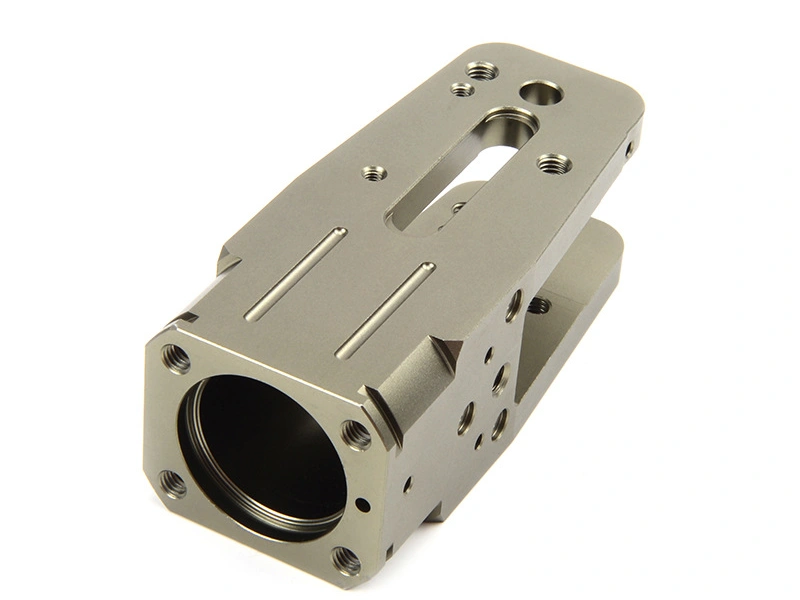
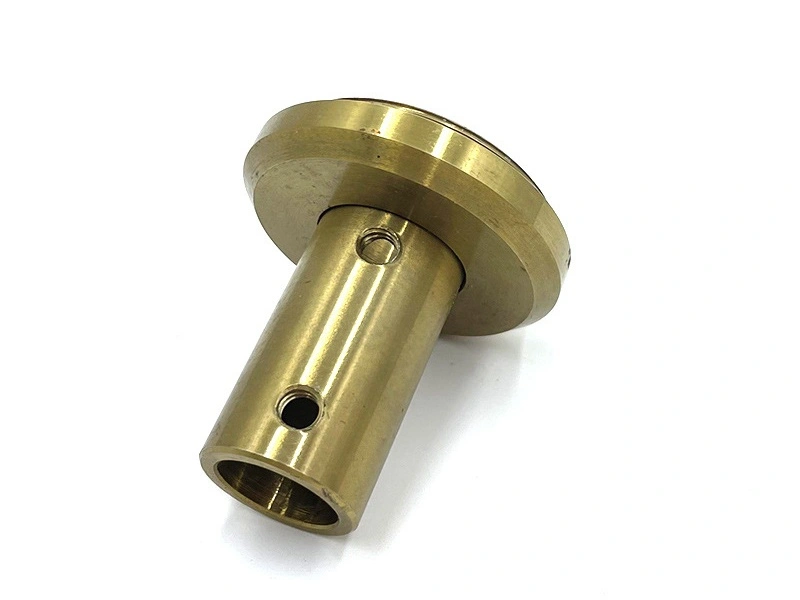
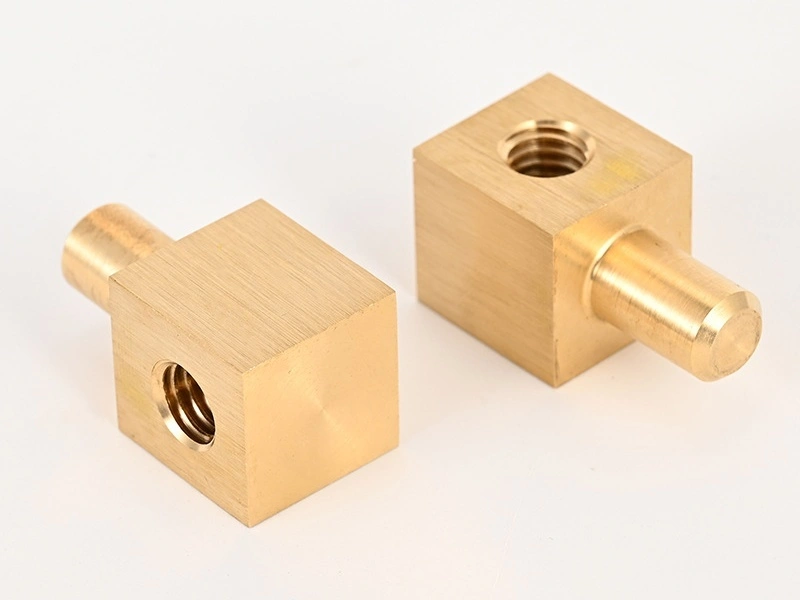
Brass is a copper-zinc alloy widely used in CNC machined parts due to its excellent machinability, corrosion resistance, and thermal conductivity. It is often selected for valves, fittings, bushings, and decorative components where precision, surface finish, and dimensional stability are critical.
1. Common Brass Alloys for CNC Machining
Alloy | Main Properties | Typical Uses |
|---|---|---|
C174 | High corrosion resistance, moderate strength, excellent thermal conductivity | Marine components, valves, fittings, instrumentation |
C210 | Excellent machinability, good corrosion resistance | Plumbing fittings, electrical components, decorative hardware |
C220 | High machinability, moderate strength | Precision fasteners, connectors, ornamental parts |
C23000 | Standard free-machining brass, good ductility | General CNC components, gears, valve bodies |
2. Machinability and Tolerances
Brass is one of the easiest metals to machine on CNC equipment. Standard tolerances can reach ±0.05 mm, and surface finishes up to Ra 0.8 µm are achievable without special tooling. For high-precision features, tight tolerances may slightly increase cost due to additional inspection and setup time.
3. Cost Factors for CNC Machined Brass Parts
Several factors affect brass CNC machining cost:
Material grade: C174 and C210 are slightly more expensive than C220 or C23000 due to alloy composition.
Part complexity: Multiple setups, intricate pockets, or thin walls increase machining time.
Tolerances: Tighter tolerances require more precise setups, increasing labor cost.
Surface finish: Polished or plated surfaces add secondary processing time and cost.
Quantity: One-off or low-volume parts have higher per-unit costs than batch production.
4. Practical Tips for Buyers
Specify the alloy and required mechanical or thermal properties.
Clearly define tolerances, surface finish, and functional requirements in your drawings.
Consider batch size to optimize per-unit cost—low-volume prototyping can use CNC machining prototyping services.
Discuss potential secondary processes like plating or polishing early to include in the quote.
5. Summary
Brass CNC machining offers excellent machinability, corrosion resistance, and thermal conductivity for a wide range of components. Costs depend on alloy selection, tolerances, part complexity, surface finish, and quantity. Early specification of material and functional requirements ensures accurate quotes and high-quality CNC machined brass parts.