
English
What aluminum grades are best for CNC machined parts?
Table of Contents
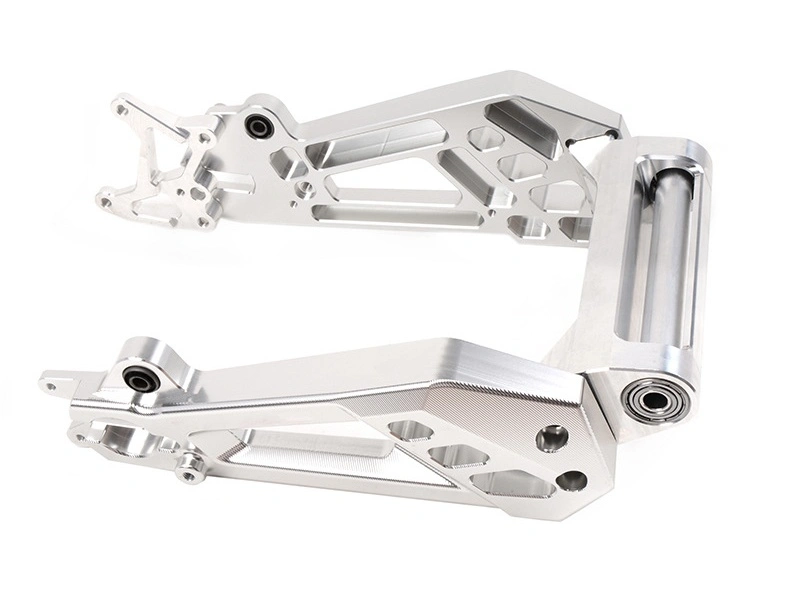
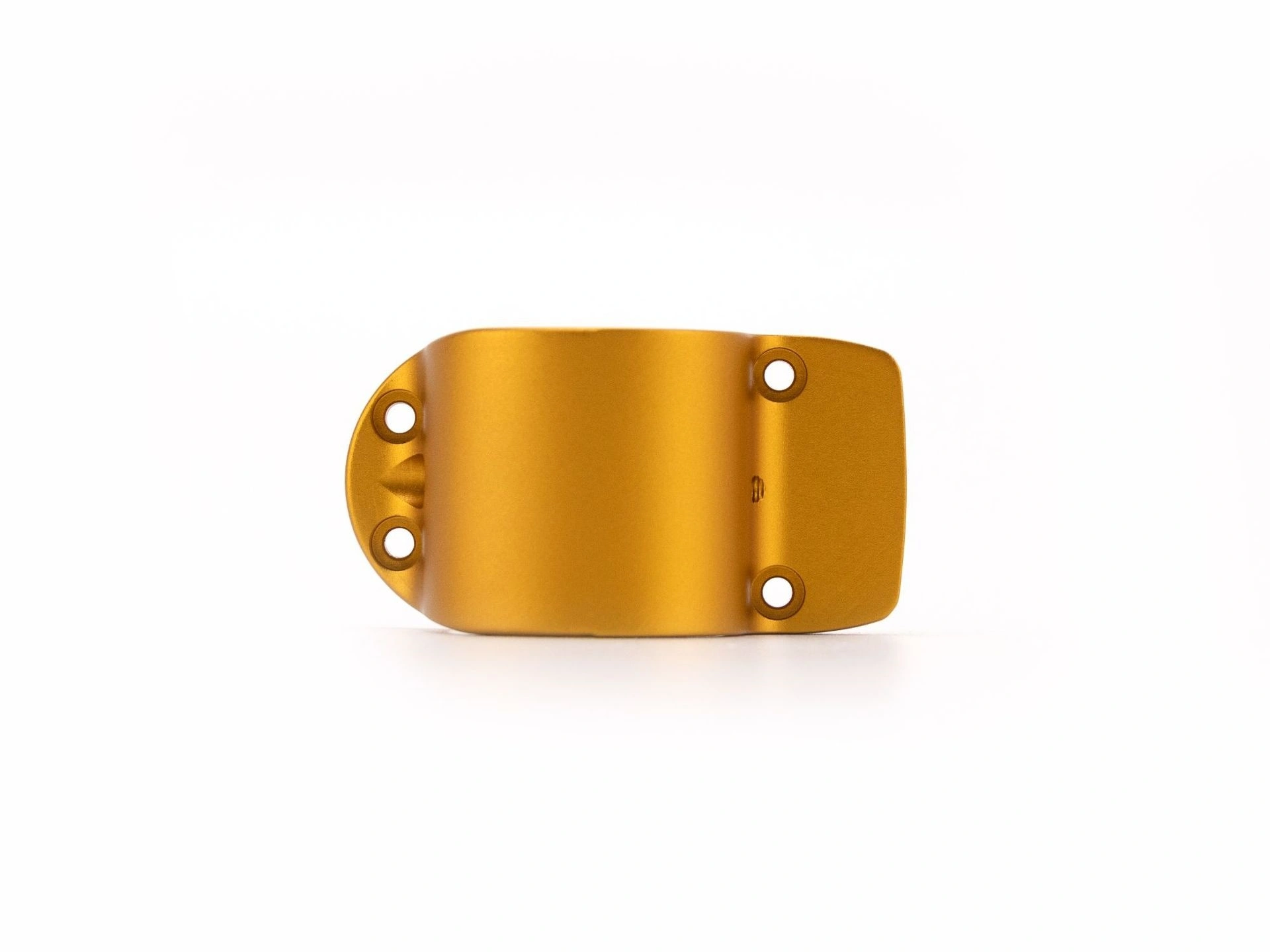
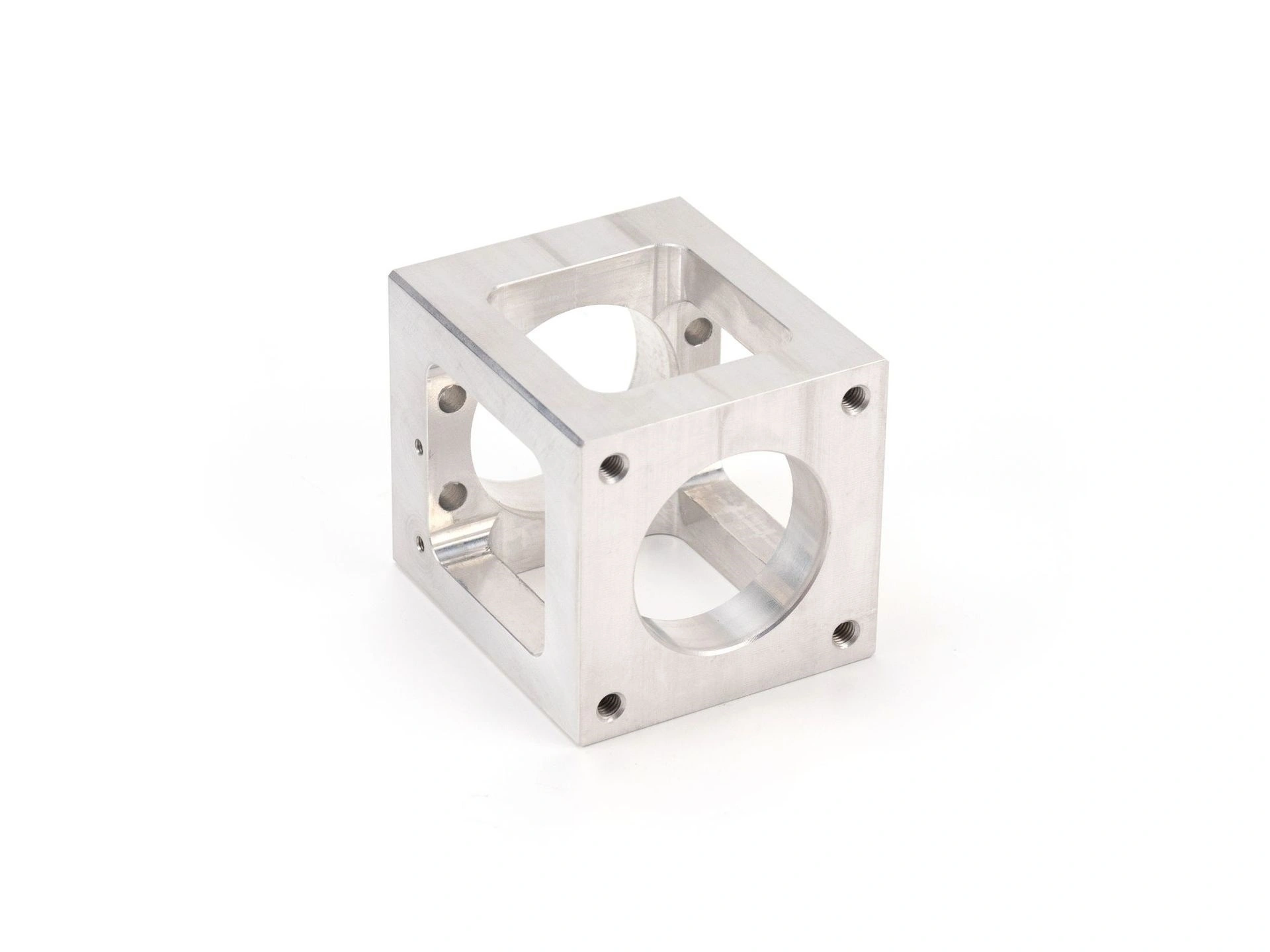
<h2 id="what-aluminum-grades-are-best-for-cnc-machined-parts?">What aluminum grades are best for CNC machined parts?</h2><p>The best <strong>aluminum grades for CNC machined parts</strong> usually start with 6061-T6 or T651 for balanced general-purpose work. Use 7075-T6 or T651 when verified loads justify higher specific strength, 6063 for extrusion-based cosmetic parts, and 2024, 5052, or 5083 for narrower structural, formed, welded, or corrosive-service routes. ADC12 and A380 belong to die-cast routes with secondary machining, not the same wrought-stock decision. These are selection routes, not universal rankings. Alloy number alone is incomplete without temper, product form, governing material specification, finish, and final acceptance condition. Use <a target="_blank" href="https://www.newaymachining.com/services/aluminum-cnc-machining/aluminum-6061">Aluminum 6061 CNC machining</a> when its documented condition meets the drawing, and use <a target="_blank" href="https://www.newaymachining.com/services/aluminum-cnc-machining/aluminum-7075">Aluminum 7075 CNC machining</a> only after corrosion, joining, and finishing limits are accepted. Before releasing <a target="_blank" href="https://www.newaymachining.com/services/aluminum-cnc-machining">aluminum CNC machining</a>, state the alloy, temper, stock form, service environment, coating, critical features, and required material evidence in the RFQ.</p><div data-type="row" class="row"><div class="col-12 col-md-6" data-type="col"><p><a href="https://www.newaymachining.com/services/aluminum-cnc-machining/aluminum-6061"><img src="https://www.newaymachining.com/storage/attachments/2026/05/10/aluminum-grades-for-cnc-machined-parts-aluminum-alloy-cnc-machining.webp" width="800" height="600" loading="lazy"></a></p></div><div class="col-12 col-md-6" data-type="col"><p><a href="https://www.newaymachining.com/services/aluminum-cnc-machining/aluminum-6061"><img src="https://www.newaymachining.com/storage/attachments/2026/05/10/what-aluminum-grades-are-best-for-cnc-machined-parts.webp" width="800" height="600" loading="lazy"></a></p></div></div><div class="i-typography-table-responsive"><table><tbody><tr><th colspan="1" rowspan="1"><p>Candidate Route</p></th><th colspan="1" rowspan="1"><p>Use When</p></th><th colspan="1" rowspan="1"><p>Main Failure Risk</p></th><th colspan="1" rowspan="1"><p>Buyer Verification</p></th></tr><tr><td colspan="1" rowspan="1"><p>6061 wrought stock</p></td><td colspan="1" rowspan="1"><p>General brackets, housings, fixtures, and plates need balanced performance</p></td><td colspan="1" rowspan="1"><p>An unspecified temper or stock form changes strength and movement</p></td><td colspan="1" rowspan="1"><p>Match certificate alloy, temper, form, and governing specification to the purchase order</p></td></tr><tr><td colspan="1" rowspan="1"><p>6061-T6 or T651</p></td><td colspan="1" rowspan="1"><p>The drawing requires a heat-treated condition; T651 may suit specified stress-relieved plate</p></td><td colspan="1" rowspan="1"><p>Temper alone does not guarantee thin-wall stability after material removal</p></td><td colspan="1" rowspan="1"><p>Inspect critical geometry after unclamping and in the drawing's required finish state</p></td></tr><tr><td colspan="1" rowspan="1"><p>7075 wrought stock</p></td><td colspan="1" rowspan="1"><p>Calculated load and mass targets rule out the 6061 route</p></td><td colspan="1" rowspan="1"><p>Corrosion, joining, and coating assumptions can invalidate the selection</p></td><td colspan="1" rowspan="1"><p>Approve environment, finish, joining method, and substitution rules before ordering stock</p></td></tr><tr><td colspan="1" rowspan="1"><p>7075-T6 or T651</p></td><td colspan="1" rowspan="1"><p>A specified high-strength temper and wrought form satisfy the design basis</p></td><td colspan="1" rowspan="1"><p>High strength does not prove fatigue life or acceptable finished-part dimensions</p></td><td colspan="1" rowspan="1"><p>Verify material records, critical-to-function dimensions, and required surface protection</p></td></tr><tr><td colspan="1" rowspan="1"><p>6063 extrusion route</p></td><td colspan="1" rowspan="1"><p>Extruded geometry and controlled cosmetic anodizing drive the decision</p></td><td colspan="1" rowspan="1"><p>Using 6063 as a strength substitute can undercut the load case</p></td><td colspan="1" rowspan="1"><p>Confirm extrusion condition, lot appearance sample, and mechanical requirements</p></td></tr><tr><td colspan="1" rowspan="1"><p>2024 wrought route</p></td><td colspan="1" rowspan="1"><p>The design authority specifies structural or fatigue-related performance</p></td><td colspan="1" rowspan="1"><p>Unresolved corrosion protection or substitution changes the service boundary</p></td><td colspan="1" rowspan="1"><p>Freeze temper, product form, protection system, and acceptance evidence</p></td></tr><tr><td colspan="1" rowspan="1"><p>5052 sheet or plate route</p></td><td colspan="1" rowspan="1"><p>Corrosion resistance and formed features matter more than high strength</p></td><td colspan="1" rowspan="1"><p>Treating formed stock like a free-machining billet raises burr and stability risk</p></td><td colspan="1" rowspan="1"><p>Review forming sequence, machined datums, edge condition, and final inspection</p></td></tr><tr><td colspan="1" rowspan="1"><p>5083 plate or welded route</p></td><td colspan="1" rowspan="1"><p>Corrosive service or a welded plate construction governs material choice</p></td><td colspan="1" rowspan="1"><p>The wrong temper, weld condition, or post-weld datum plan changes performance</p></td><td colspan="1" rowspan="1"><p>Confirm service specification, weld state, datum transfer, and corrosion acceptance</p></td></tr><tr><td colspan="1" rowspan="1"><p>ADC12 or A380 casting route</p></td><td colspan="1" rowspan="1"><p>A die casting needs machined bores, sealing faces, or mounting datums</p></td><td colspan="1" rowspan="1"><p>Porosity or cast variation can reach a machined sealing surface</p></td><td colspan="1" rowspan="1"><p>Keep designations separate; verify the cast specification and functional leak or interface test</p></td></tr></tbody></table></div><h3 id="1.-6061-is-usually-the-best-general-purpose-choice">1. Use 6061 only after temper and product form are fixed</h3><p>6061 is a sound baseline for moderate structural duty, corrosion resistance, and common finishes, but the RFQ must identify more than '6061.' T6 and T651 are different conditions, while plate, bar, and extrusion can carry different dimensional and supply assumptions. ANSI H35.1/H35.1M defines alloy and temper designation systems. ASTM B209/B209M applies only to its stated sheet-and-plate scope when a contract invokes it. For <a target="_blank" href="https://www.newaymachining.com/services/aluminum-cnc-machining/aluminum-6061">Aluminum 6061 CNC machining</a> or <a target="_blank" href="https://www.newaymachining.com/services/aluminum-cnc-machining/aluminum-6061-t6">Aluminum 6061-T6 CNC machining</a>, require the certificate to agree with the drawing and purchase order. Inspect thin walls after unclamping because a heat-treated designation does not guarantee finished-part stability.</p><h3 id="2.-7075-is-better-when-strength-matters-more-than-cost">2. Select 7075 when the load case justifies added controls</h3><p>7075 fits when a documented load case and mass target require greater specific strength than the approved 6061 route can provide. It is not automatically better where corrosion, welding, or cosmetic color consistency matters. The design authority must approve the alloy, temper, environment, protection system, and any substitution before stock release. For <a target="_blank" href="https://www.newaymachining.com/services/aluminum-cnc-machining/aluminum-7075">Aluminum 7075 CNC machining</a> or <a target="_blank" href="https://www.newaymachining.com/services/aluminum-cnc-machining/aluminum-7075-t6">Aluminum 7075-T6 CNC machining</a>, verify the certificate and critical geometry in the drawing's required finish state. If a thin bracket moves after unclamping, greater alloy strength does not fix the datum error. The process needs controlled stock condition, machining sequence, and dimensional verification.</p><h3 id="3.-6063-is-often-better-for-appearance-and-anodizing">3. Choose 6063 for extrusion-led cosmetic decisions</h3><p>6063 belongs in the shortlist when an extrusion must meet profile and anodized cosmetic requirements rather than a high-strength claim. A clean finish sample does not prove that 6063 satisfies the load case. Define the temper, extrusion profile, visible-surface class, pretreatment, color range, and lot-control method before release. Approve appearance on a representative first-off part or agreed sample from the intended finish route. Where the drawing controls final dimensions, inspect them after the specified coating.</p><h3 id="4.-2024,-5052,-and-5083-should-be-chosen-for-specific-use-cases">4. Route 2024, 5052, and 5083 by service and stock form</h3><p>2024, 5052, and 5083 solve different material-route problems, not one generic alternative. Use 2024 where the governing design calls for its structural or fatigue-related route and defines corrosion protection. Consider 5052 when formed sheet or plate and corrosion resistance control the part; machining stays secondary to the forming and datum plan. Consider 5083 when a specified plate or welded construction serves a corrosive environment, with temper and weld state inside the applicable material specification. The RFQ must identify product form, environment, joining sequence, machined datums, protection, and final inspection state. The design authority must approve any substitution against the original requirements.</p><h3 id="5.-adc12-and-a380-are-more-relevant-for-cast-parts-that-need-machining">5. Treat ADC12 and A380 as casting routes, not wrought substitutes</h3><p>ADC12 and A380 are separate die-casting designations for near-net parts with machined bores, sealing faces, threads, or mounting datums. Neither is a drop-in replacement for wrought 6061 or 7075, and the two cast designations are not automatically equivalent. Put the casting specification, chemistry designation, process, heat history, and inspection plan in the purchase package. Machining can expose internal porosity at a sealing surface even when the exterior looks acceptable. Validate the functional requirement with the specified dimensional, interface, pressure, or leak test rather than appearance alone.</p><h3 id="6.-the-best-aluminum-grade-depends-on-the-real-part-priority">6. Freeze alloy, condition, finish, and acceptance in the RFQ</h3><p>Connect the part's load, environment, geometry, joining, finish, and production route to one controlled material callout. Record alloy and temper, governing specification, product form and starting thickness, approved substitutions, critical datums, final acceptance state, cosmetic class, corrosion requirement, quantity, and material records. For <a target="_blank" href="https://www.newaymachining.com/services/aluminum-cnc-machining/aluminum-alloy">aluminum alloy CNC machining</a>, identify thin walls, deep pockets, sealing faces, threads, welds, and surfaces sensitive to coating buildup or cast porosity. Release production only after the certificate matches the order and first-off evidence covers critical drawing requirements. If the shortlist ends at 6061 and 7075, compare the same product form, temper, finish, and acceptance evidence before authorizing either route.</p>
<h2 id="what-aluminum-grades-are-best-for-cnc-machined-parts?">What aluminum grades are best for CNC machined parts?</h2><p>The best <strong>aluminum grades for CNC machined parts</strong> usually start with 6061-T6 or T651 for balanced general-purpose work. Use 7075-T6 or T651 when verified loads justify higher specific strength, 6063 for extrusion-based cosmetic parts, and 2024, 5052, or 5083 for narrower structural, formed, welded, or corrosive-service routes. ADC12 and A380 belong to die-cast routes with secondary machining, not the same wrought-stock decision. These are selection routes, not universal rankings. Alloy number alone is incomplete without temper, product form, governing material specification, finish, and final acceptance condition. Use <a target="_blank" href="https://www.newaymachining.com/services/aluminum-cnc-machining/aluminum-6061">Aluminum 6061 CNC machining</a> when its documented condition meets the drawing, and use <a target="_blank" href="https://www.newaymachining.com/services/aluminum-cnc-machining/aluminum-7075">Aluminum 7075 CNC machining</a> only after corrosion, joining, and finishing limits are accepted. Before releasing <a target="_blank" href="https://www.newaymachining.com/services/aluminum-cnc-machining">aluminum CNC machining</a>, state the alloy, temper, stock form, service environment, coating, critical features, and required material evidence in the RFQ.</p><div data-type="row" class="row"><div class="col-12 col-md-6" data-type="col"><p><a href="https://www.newaymachining.com/services/aluminum-cnc-machining/aluminum-6061"><img src="https://www.newaymachining.com/storage/attachments/2026/05/10/aluminum-grades-for-cnc-machined-parts-aluminum-alloy-cnc-machining.webp" width="800" height="600" loading="lazy"></a></p></div><div class="col-12 col-md-6" data-type="col"><p><a href="https://www.newaymachining.com/services/aluminum-cnc-machining/aluminum-6061"><img src="https://www.newaymachining.com/storage/attachments/2026/05/10/what-aluminum-grades-are-best-for-cnc-machined-parts.webp" width="800" height="600" loading="lazy"></a></p></div></div><div class="i-typography-table-responsive"><table><tbody><tr><th colspan="1" rowspan="1"><p>Candidate Route</p></th><th colspan="1" rowspan="1"><p>Use When</p></th><th colspan="1" rowspan="1"><p>Main Failure Risk</p></th><th colspan="1" rowspan="1"><p>Buyer Verification</p></th></tr><tr><td colspan="1" rowspan="1"><p>6061 wrought stock</p></td><td colspan="1" rowspan="1"><p>General brackets, housings, fixtures, and plates need balanced performance</p></td><td colspan="1" rowspan="1"><p>An unspecified temper or stock form changes strength and movement</p></td><td colspan="1" rowspan="1"><p>Match certificate alloy, temper, form, and governing specification to the purchase order</p></td></tr><tr><td colspan="1" rowspan="1"><p>6061-T6 or T651</p></td><td colspan="1" rowspan="1"><p>The drawing requires a heat-treated condition; T651 may suit specified stress-relieved plate</p></td><td colspan="1" rowspan="1"><p>Temper alone does not guarantee thin-wall stability after material removal</p></td><td colspan="1" rowspan="1"><p>Inspect critical geometry after unclamping and in the drawing's required finish state</p></td></tr><tr><td colspan="1" rowspan="1"><p>7075 wrought stock</p></td><td colspan="1" rowspan="1"><p>Calculated load and mass targets rule out the 6061 route</p></td><td colspan="1" rowspan="1"><p>Corrosion, joining, and coating assumptions can invalidate the selection</p></td><td colspan="1" rowspan="1"><p>Approve environment, finish, joining method, and substitution rules before ordering stock</p></td></tr><tr><td colspan="1" rowspan="1"><p>7075-T6 or T651</p></td><td colspan="1" rowspan="1"><p>A specified high-strength temper and wrought form satisfy the design basis</p></td><td colspan="1" rowspan="1"><p>High strength does not prove fatigue life or acceptable finished-part dimensions</p></td><td colspan="1" rowspan="1"><p>Verify material records, critical-to-function dimensions, and required surface protection</p></td></tr><tr><td colspan="1" rowspan="1"><p>6063 extrusion route</p></td><td colspan="1" rowspan="1"><p>Extruded geometry and controlled cosmetic anodizing drive the decision</p></td><td colspan="1" rowspan="1"><p>Using 6063 as a strength substitute can undercut the load case</p></td><td colspan="1" rowspan="1"><p>Confirm extrusion condition, lot appearance sample, and mechanical requirements</p></td></tr><tr><td colspan="1" rowspan="1"><p>2024 wrought route</p></td><td colspan="1" rowspan="1"><p>The design authority specifies structural or fatigue-related performance</p></td><td colspan="1" rowspan="1"><p>Unresolved corrosion protection or substitution changes the service boundary</p></td><td colspan="1" rowspan="1"><p>Freeze temper, product form, protection system, and acceptance evidence</p></td></tr><tr><td colspan="1" rowspan="1"><p>5052 sheet or plate route</p></td><td colspan="1" rowspan="1"><p>Corrosion resistance and formed features matter more than high strength</p></td><td colspan="1" rowspan="1"><p>Treating formed stock like a free-machining billet raises burr and stability risk</p></td><td colspan="1" rowspan="1"><p>Review forming sequence, machined datums, edge condition, and final inspection</p></td></tr><tr><td colspan="1" rowspan="1"><p>5083 plate or welded route</p></td><td colspan="1" rowspan="1"><p>Corrosive service or a welded plate construction governs material choice</p></td><td colspan="1" rowspan="1"><p>The wrong temper, weld condition, or post-weld datum plan changes performance</p></td><td colspan="1" rowspan="1"><p>Confirm service specification, weld state, datum transfer, and corrosion acceptance</p></td></tr><tr><td colspan="1" rowspan="1"><p>ADC12 or A380 casting route</p></td><td colspan="1" rowspan="1"><p>A die casting needs machined bores, sealing faces, or mounting datums</p></td><td colspan="1" rowspan="1"><p>Porosity or cast variation can reach a machined sealing surface</p></td><td colspan="1" rowspan="1"><p>Keep designations separate; verify the cast specification and functional leak or interface test</p></td></tr></tbody></table></div><h3 id="1.-6061-is-usually-the-best-general-purpose-choice">1. Use 6061 only after temper and product form are fixed</h3><p>6061 is a sound baseline for moderate structural duty, corrosion resistance, and common finishes, but the RFQ must identify more than '6061.' T6 and T651 are different conditions, while plate, bar, and extrusion can carry different dimensional and supply assumptions. ANSI H35.1/H35.1M defines alloy and temper designation systems. ASTM B209/B209M applies only to its stated sheet-and-plate scope when a contract invokes it. For <a target="_blank" href="https://www.newaymachining.com/services/aluminum-cnc-machining/aluminum-6061">Aluminum 6061 CNC machining</a> or <a target="_blank" href="https://www.newaymachining.com/services/aluminum-cnc-machining/aluminum-6061-t6">Aluminum 6061-T6 CNC machining</a>, require the certificate to agree with the drawing and purchase order. Inspect thin walls after unclamping because a heat-treated designation does not guarantee finished-part stability.</p><h3 id="2.-7075-is-better-when-strength-matters-more-than-cost">2. Select 7075 when the load case justifies added controls</h3><p>7075 fits when a documented load case and mass target require greater specific strength than the approved 6061 route can provide. It is not automatically better where corrosion, welding, or cosmetic color consistency matters. The design authority must approve the alloy, temper, environment, protection system, and any substitution before stock release. For <a target="_blank" href="https://www.newaymachining.com/services/aluminum-cnc-machining/aluminum-7075">Aluminum 7075 CNC machining</a> or <a target="_blank" href="https://www.newaymachining.com/services/aluminum-cnc-machining/aluminum-7075-t6">Aluminum 7075-T6 CNC machining</a>, verify the certificate and critical geometry in the drawing's required finish state. If a thin bracket moves after unclamping, greater alloy strength does not fix the datum error. The process needs controlled stock condition, machining sequence, and dimensional verification.</p><h3 id="3.-6063-is-often-better-for-appearance-and-anodizing">3. Choose 6063 for extrusion-led cosmetic decisions</h3><p>6063 belongs in the shortlist when an extrusion must meet profile and anodized cosmetic requirements rather than a high-strength claim. A clean finish sample does not prove that 6063 satisfies the load case. Define the temper, extrusion profile, visible-surface class, pretreatment, color range, and lot-control method before release. Approve appearance on a representative first-off part or agreed sample from the intended finish route. Where the drawing controls final dimensions, inspect them after the specified coating.</p><h3 id="4.-2024,-5052,-and-5083-should-be-chosen-for-specific-use-cases">4. Route 2024, 5052, and 5083 by service and stock form</h3><p>2024, 5052, and 5083 solve different material-route problems, not one generic alternative. Use 2024 where the governing design calls for its structural or fatigue-related route and defines corrosion protection. Consider 5052 when formed sheet or plate and corrosion resistance control the part; machining stays secondary to the forming and datum plan. Consider 5083 when a specified plate or welded construction serves a corrosive environment, with temper and weld state inside the applicable material specification. The RFQ must identify product form, environment, joining sequence, machined datums, protection, and final inspection state. The design authority must approve any substitution against the original requirements.</p><h3 id="5.-adc12-and-a380-are-more-relevant-for-cast-parts-that-need-machining">5. Treat ADC12 and A380 as casting routes, not wrought substitutes</h3><p>ADC12 and A380 are separate die-casting designations for near-net parts with machined bores, sealing faces, threads, or mounting datums. Neither is a drop-in replacement for wrought 6061 or 7075, and the two cast designations are not automatically equivalent. Put the casting specification, chemistry designation, process, heat history, and inspection plan in the purchase package. Machining can expose internal porosity at a sealing surface even when the exterior looks acceptable. Validate the functional requirement with the specified dimensional, interface, pressure, or leak test rather than appearance alone.</p><h3 id="6.-the-best-aluminum-grade-depends-on-the-real-part-priority">6. Freeze alloy, condition, finish, and acceptance in the RFQ</h3><p>Connect the part's load, environment, geometry, joining, finish, and production route to one controlled material callout. Record alloy and temper, governing specification, product form and starting thickness, approved substitutions, critical datums, final acceptance state, cosmetic class, corrosion requirement, quantity, and material records. For <a target="_blank" href="https://www.newaymachining.com/services/aluminum-cnc-machining/aluminum-alloy">aluminum alloy CNC machining</a>, identify thin walls, deep pockets, sealing faces, threads, welds, and surfaces sensitive to coating buildup or cast porosity. Release production only after the certificate matches the order and first-off evidence covers critical drawing requirements. If the shortlist ends at 6061 and 7075, compare the same product form, temper, finish, and acceptance evidence before authorizing either route.</p>
Related Blogs
Subscribe for expert design and manufacturing tips delivered to your inbox.
Share this Post:
Neway Precision Works Ltd.
No.3 Lefushan Industry West Road
Fenggang, Dongguan, China
ZIP 523000
Solutions
Copyright © 2026 Machining Precision Works Ltd.All Rights Reserved.