Como escolher um fornecedor de usinagem multieixo para peças CNC complexas?
Como Você Escolhe um Fornecedor de Usinagem Multieixo para Peças CNC Complexas?
Para escolher um fornecedor de usinagem multieixo, os compradores devem avaliar a capacidade de revisão de engenharia do fornecedor, o equipamento multieixo, a experiência em programação CAM, a estratégia de fixação, o conhecimento de usinagem de materiais, a capacidade de inspeção, o feedback de DFM e a capacidade de apoiar tanto protótipos quanto peças de produção.
Do ponto de vista da engenharia, selecionar um fornecedor de serviços de usinagem multieixo não deve ser baseado apenas em se o fornecedor possui máquinas avançadas. A capacidade real depende de quão bem o fornecedor pode analisar o acesso à ferramenta, o número de configurações, a estratégia de referência, o risco de colisão, a estabilidade da fixação e os requisitos de inspeção antes da produção.
1. Fatores-Chave para Avaliar um Fornecedor de Usinagem Multieixo
Item de Avaliação | Por Que é Importante |
|---|---|
Equipamento multieixo | Confirma a capacidade de processar recursos angulares, furos laterais, superfícies multifacetadas e geometrias complexas |
Capacidade de programação CAM | Controla a estratégia de trajetória da ferramenta, a orientação da ferramenta, o risco de colisão, a qualidade da superfície e a eficiência da usinagem |
Projeto de fixação e dispositivo de retenção | Determina a repetibilidade da configuração, a estabilidade da peça e a consistência da referência |
Revisão de engenharia | Identifica áreas inacessíveis, fatores de custo, riscos de tolerância e problemas de fabricabilidade |
Experiência com materiais | Ajuda a gerenciar desgaste da ferramenta, acúmulo de calor, rebarbas, deformação e acabamento superficial |
Capacidade de inspeção | Confirma relações de recursos críticos, precisão dimensional e conformidade com o desenho |
Suporte a protótipos | Ajuda a validar geometria, ajuste, acesso à ferramenta e viabilidade de tolerância antes da produção |
Repetibilidade de produção | Garante qualidade estável, controle de configuração e consistência de entrega em pedidos repetidos |
2. O Fornecedor Deve Revisar a Estratégia de Usinagem Antes de Orçar
Um fornecedor qualificado de usinagem multieixo deve revisar se a peça é melhor produzida por usinagem de 3 eixos, usinagem de 4 eixos, posicionamento 3+2 ou usinagem multieixo completa. Essa decisão deve ser baseada na geometria, tolerâncias, orientação dos recursos, material, quantidade e acesso à fixação.
Para peças CNC complexas, o fornecedor deve explicar o número esperado de configurações, quais superfícies serão usadas como referências, se os furos angulares são acessíveis e se algum bolsão profundo, paredes finas, cantos internos ou recursos laterais criam risco de usinagem.
3. Perguntas que os Compradores Devem Fazer Antes de Selecionar um Fornecedor
Pergunta | Por Que é Importante |
|---|---|
Quantas configurações são esperadas? | Mostra se o fornecedor entende a transferência de referência e o risco de posicionamento |
A peça será usinada com 3+2, 4 eixos ou multieixo completo? | Esclarece o roteiro real do processo em vez de depender apenas do nome da máquina |
Existem riscos de acesso à ferramenta ou colisão? | Ajuda a evitar problemas de programação, fixação e entrega mais tarde |
Quais superfícies serão usadas como referências? | Determina como os recursos críticos serão alinhados e inspecionados |
Os furos angulares ou recursos laterais são fabricáveis? | Confirma se é necessária orientação especial da ferramenta ou configurações extras |
Algum recurso está elevando o custo? | Ajuda a identificar oportunidades de DFM antes da produção |
Qual método de inspeção é recomendado? | Garante que as relações de recursos críticos possam ser verificadas após a usinagem |
O fornecedor pode apoiar tanto quantidades de protótipo quanto de produção? | Confirma se o processo pode ser escalonado além do primeiro lote de amostra |
4. A Programação CAM e o Acesso à Ferramenta São Críticos
Peças CNC complexas frequentemente falham devido ao mau planejamento do acesso à ferramenta, não porque a máquina não possui eixos suficientes. A programação CAM deve considerar o comprimento da ferramenta, a folga do suporte, o movimento do eixo rotativo, as transições de superfície, a sequência de usinagem e a prevenção de colisões.
Para peças com contornos complexos, faces angulares, portas laterais e superfícies de montagem em vários lados, o fornecedor deve ser capaz de explicar como a orientação da ferramenta melhorará o acesso, reduzirá as configurações e protegerá a geometria crítica.
5. A Capacidade de Inspeção Deve Corresponder à Complexidade da Peça
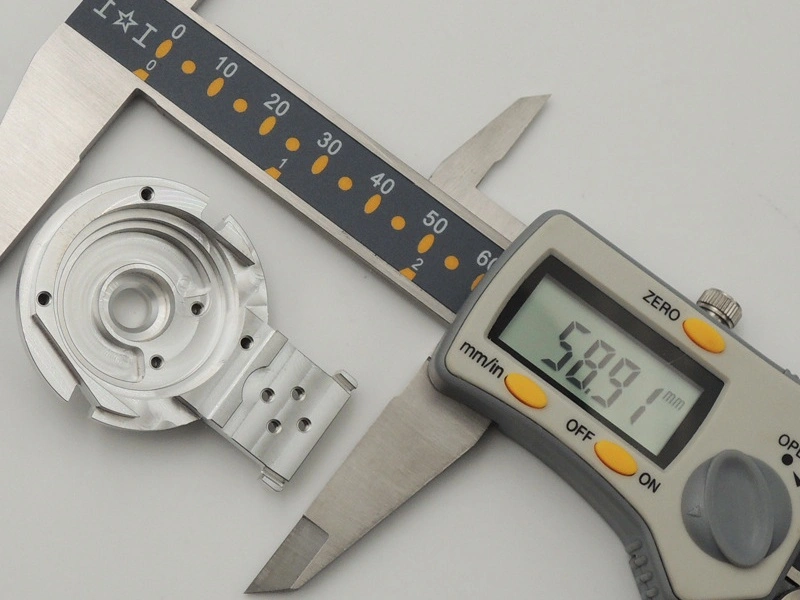
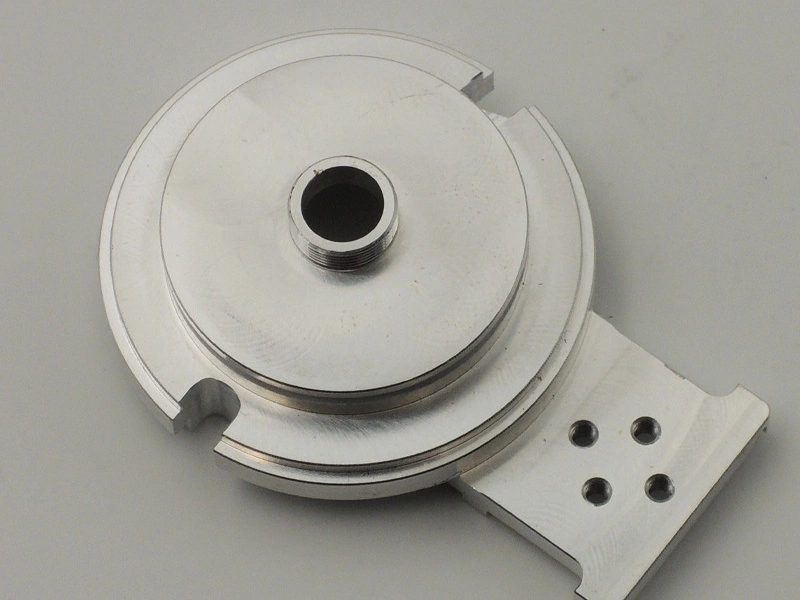
Peças usinadas multieixo complexas frequentemente incluem recursos que devem se alinhar em várias faces. Isso pode incluir furos de localização, superfícies de vedação, furos de mancal, portas angulares, faces de referência e interfaces de montagem. Um fornecedor capaz deve planejar a inspeção antes do início da usinagem.
Para peças com tolerância apertada ou controladas por referência, os serviços de usinagem de precisão apoiam o controle de dimensões críticas, requisitos de GD&T e planejamento de inspeção para conjuntos complexos.
6. Sinais de Risco ao Escolher um Fornecedor de Usinagem Multieixo
Sinal de Risco | Problema Possível |
|---|---|
Apenas diz "temos máquinas de 5 eixos" sem análise de processo | A propriedade da máquina não prova a capacidade de engenharia |
Não solicita desenhos 2D ou recursos críticos | Tolerâncias, referências, acabamento superficial e necessidades de inspeção podem ser perdidos |
Não confirma o número de configurações | A transferência de referência e os riscos de reposicionamento podem não ser controlados |
Não discute o acesso à ferramenta | Bolsões profundos, furos laterais e recursos angulares podem criar problemas de produção |
Não identifica paredes finas, cantos agudos ou ranhuras profundas como riscos | A revisão de DFM pode ser fraca ou incompleta |
Não explica o método de inspeção | As relações de recursos críticos podem não ser verificadas adequadamente |
Promete preço muito baixo e prazo de entrega extremamente curto para peças complexas | A cotação pode não refletir o trabalho real de programação, configuração, fixação e inspeção |
7. O Suporte de Protótipo à Produção é Importante
Para peças complexas, o primeiro protótipo frequentemente revela se a estratégia de referência, o acesso à ferramenta, o método de fixação e o plano de inspeção são confiáveis. Um fornecedor forte deve usar o estágio de protótipo para validar a fabricabilidade e depois estabilizar o processo para lotes repetidos.
Para projetos complexos de baixo volume, a fabricação de baixo volume ajuda a equilibrar o investimento em fixação, o planejamento de inspeção, o tempo de entrega e a repetibilidade antes de escalar para a produção.
8. Recomendação Prática de Engenharia
Para peças CNC complexas, os compradores devem trabalhar com um fornecedor que possa revisar o acesso à ferramenta, o número de configurações, a estratégia de referência, os riscos de DFM, o comportamento do material, o planejamento da fixação e os requisitos de inspeção antes de confirmar o preço e o prazo de entrega.
Para avaliar um fornecedor de usinagem multieixo, forneça arquivos STEP ou X_T, desenhos 2D, grau do material, quantidade, acabamento superficial, notas de recursos críticos, requisitos de inspeção e meta de entrega. A Neway pode revisar a geometria da peça e recomendar um roteiro prático de usinagem multieixo para protótipos, peças de baixo volume e componentes de produção.