Rene N6
Material Introduction
Rene N6 is a second-generation single-crystal nickel-based superalloy designed for the most demanding turbine hot-section environments. It is primarily used where the component must maintain creep strength, oxidation resistance, and dimensional stability under extremely high gas temperatures and sustained mechanical loading. Compared with conventional wrought nickel alloys, Rene N6 is intended for far more severe blade and vane duty.
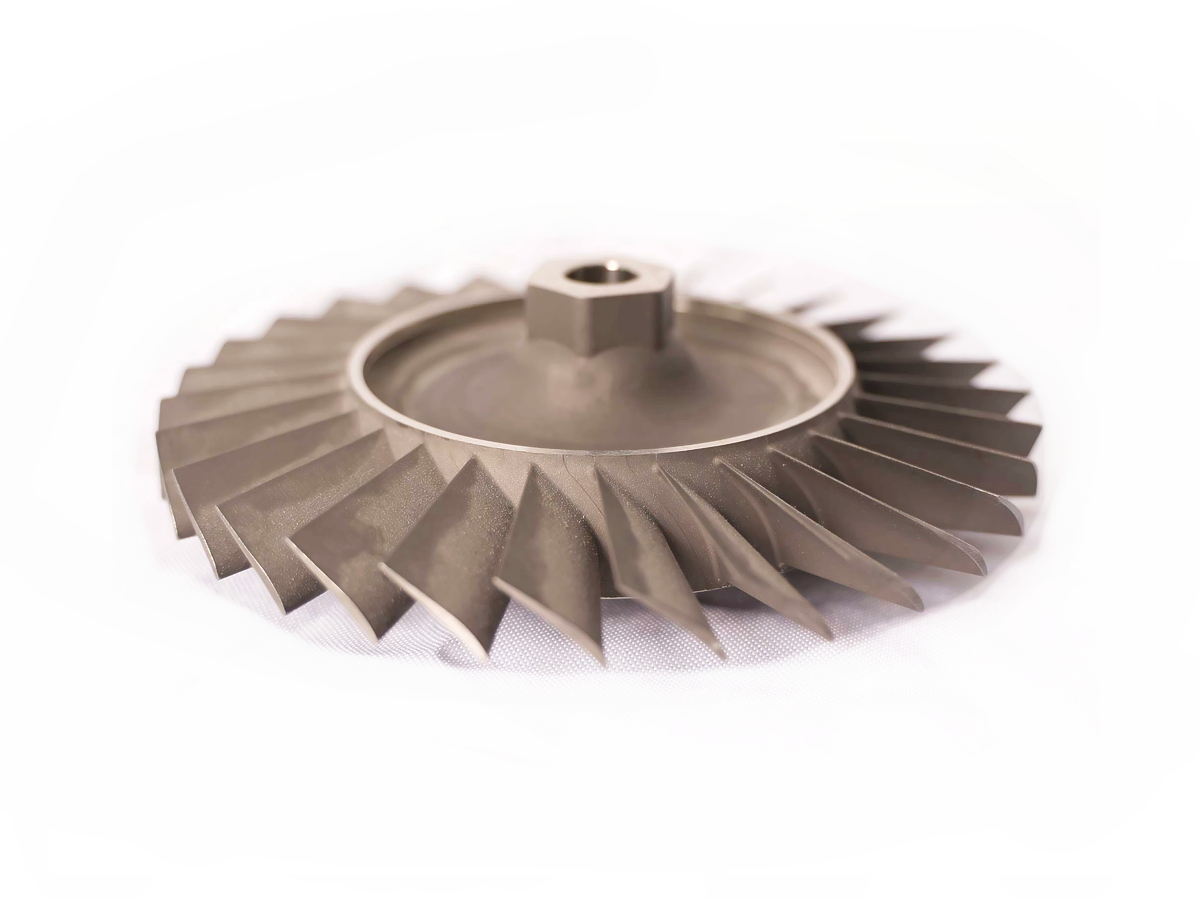
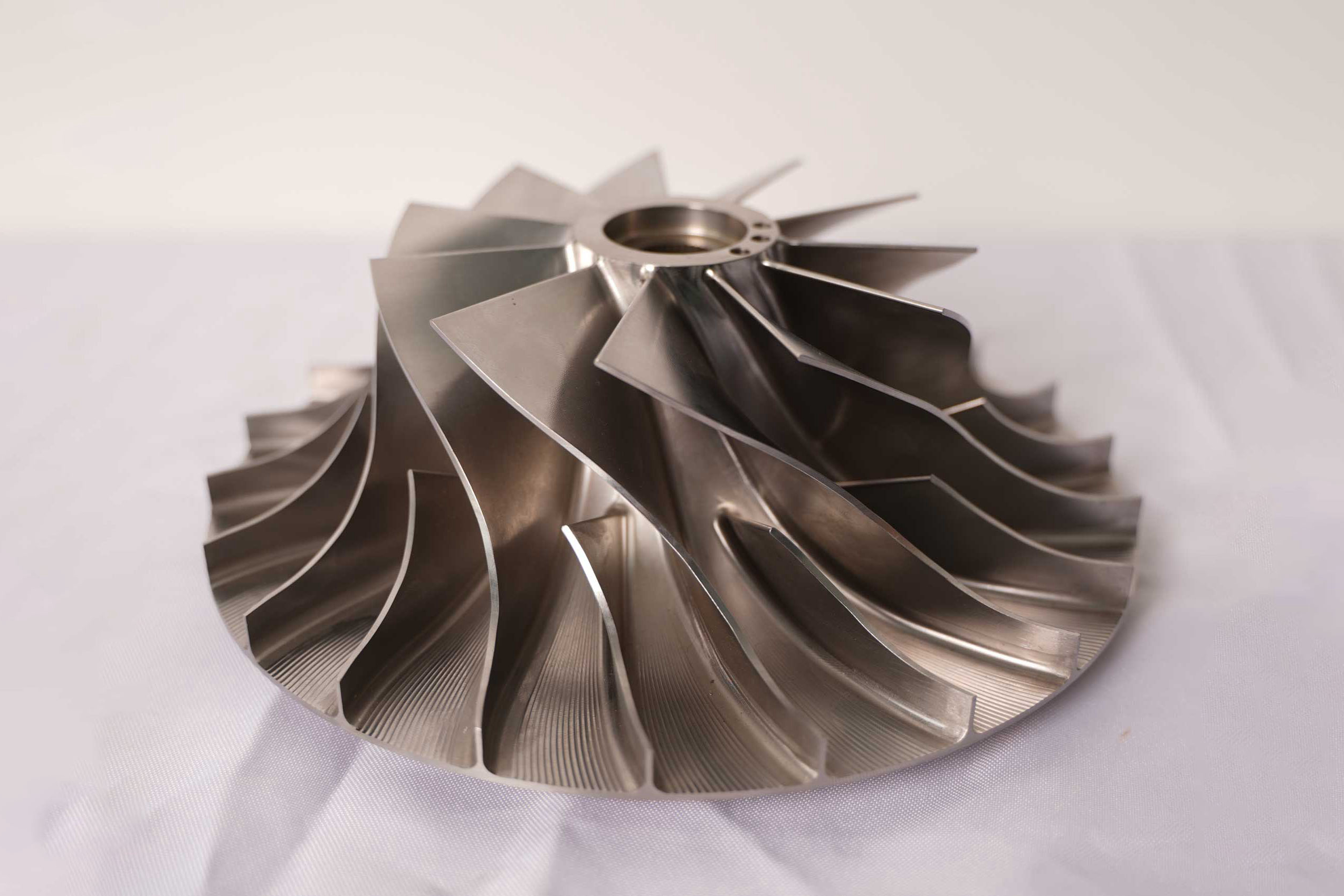
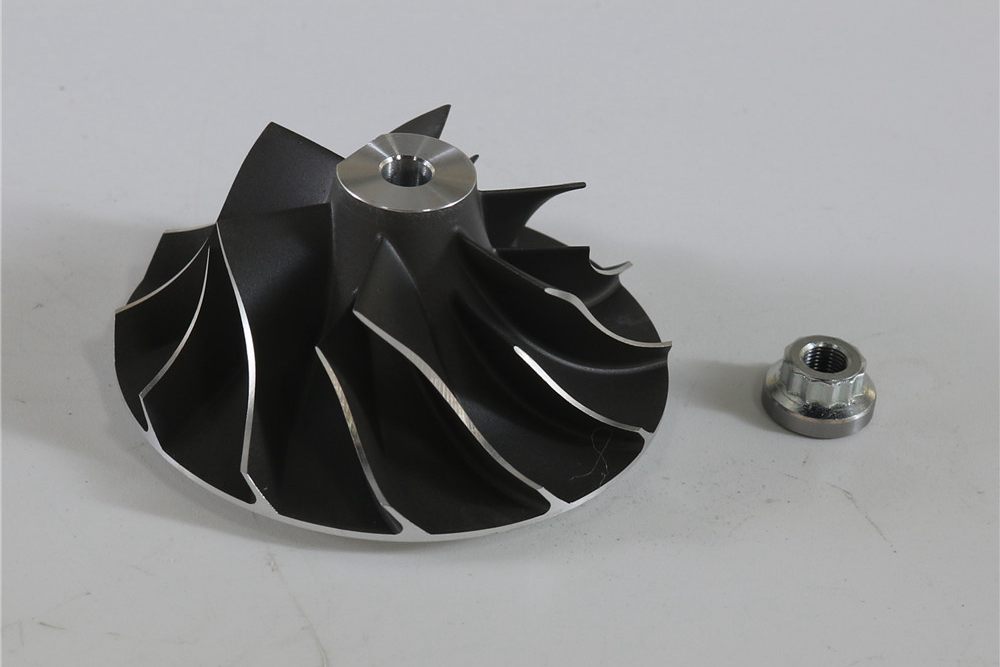
In CNC machining, Rene N6 is typically associated with advanced turbine component finishing rather than large-volume stock removal. It is commonly used for turbine blades, guide vanes, shrouds, and other hot-end parts that require precise machining of root forms, platforms, sealing regions, datum faces, and assembly-critical surfaces after casting or other near-net-shape manufacturing routes.
International Naming Table
Region / Standard | Naming / Designation |
|---|---|
Common Commercial Name | Rene N6 |
Material Family | Rene Alloy / Nickel-Based Superalloy |
Microstructure Class | Single-Crystal Superalloy |
Application Orientation | Advanced turbine hot-section components |
Typical Supply Route | Single-crystal cast preform for finish machining |
Engineering Position | High-end blade and vane alloy for extreme temperature duty |
Alternative Material Options
Rene N6 is selected when turbine performance requirements exceed the capability of many conventional nickel-based alloys. Alternative materials should therefore be considered only after evaluating turbine stage temperature, creep demand, coating system, casting route, and machining allowance.
Possible alternatives may include other Rene family grades, advanced Inconel casting alloys, or different turbine-oriented superalloys depending on whether the component prioritizes castability, oxidation resistance, repairability, or cost. For less extreme hot-section duty, wrought or cast superalloys may be sufficient. For the most severe blade service, Rene N6 is typically evaluated against other single-crystal-grade turbine alloys rather than general industrial nickel materials.
Design Intent of Rene N6
Rene N6 is designed specifically for turbine hot-section components that operate under extreme temperature and stress. Its engineering purpose is to provide outstanding creep resistance, strong hot-strength retention, and reliable oxidation behavior in blade and vane applications where even small dimensional changes or metallurgical degradation can reduce turbine performance and service life.
In machining terms, the design intent of Rene N6 is not general-purpose fabrication. Instead, it is meant for high-value turbine components that require precision finishing of aerodynamic and assembly-related features. Machining is usually focused on preserving surface integrity, maintaining tight positional accuracy, and preparing the part for coating, inspection, and final assembly into advanced turbine systems.
Physical Properties
Property | Typical Reference |
|---|---|
Material Type | Single-crystal nickel-based superalloy |
Density | High-density superalloy class, typical of turbine hot-section alloys |
Temperature Capability | Suitable for very high turbine hot-section operating environments |
Oxidation Resistance | Excellent for hot-gas exposure with coating support where required |
Thermal Stability | Strong dimensional retention in severe thermal service |
Microstructural Advantage | Single-crystal structure reduces grain-boundary-related weakness |
Mechanical Properties
Property | Engineering Relevance |
|---|---|
Creep Resistance | Critical for sustained high-temperature blade and vane service |
Fatigue Strength | Important in cyclic thermal and mechanical turbine loading |
Hot Strength | Maintains load-bearing capability at extreme temperature |
Surface Integrity Sensitivity | Machining damage must be tightly controlled on critical turbine features |
Crack Sensitivity | Requires careful finishing strategy, especially on thin and complex sections |
Machining Difficulty | High due to strength, heat concentration, and superalloy cutting behavior |
Material Characteristics
Rene N6 is characterized by its role as a premium single-crystal turbine alloy rather than a general high-temperature material. It is intended for components that must survive long-term exposure to extreme gas temperatures while maintaining structural accuracy and resistance to creep-related deformation. This makes it especially relevant in advanced turbine blade and vane applications.
It is also characterized by difficult machining behavior. Rene N6 generates high cutting temperatures, strong tool wear, and strict surface-integrity requirements. Because of this, machining is typically performed as a precision finishing process on high-value preforms rather than as aggressive bulk removal. Successful production depends on disciplined process control, rigid fixturing, and careful attention to edge condition and metallurgical protection.
Manufacturing Process Performance
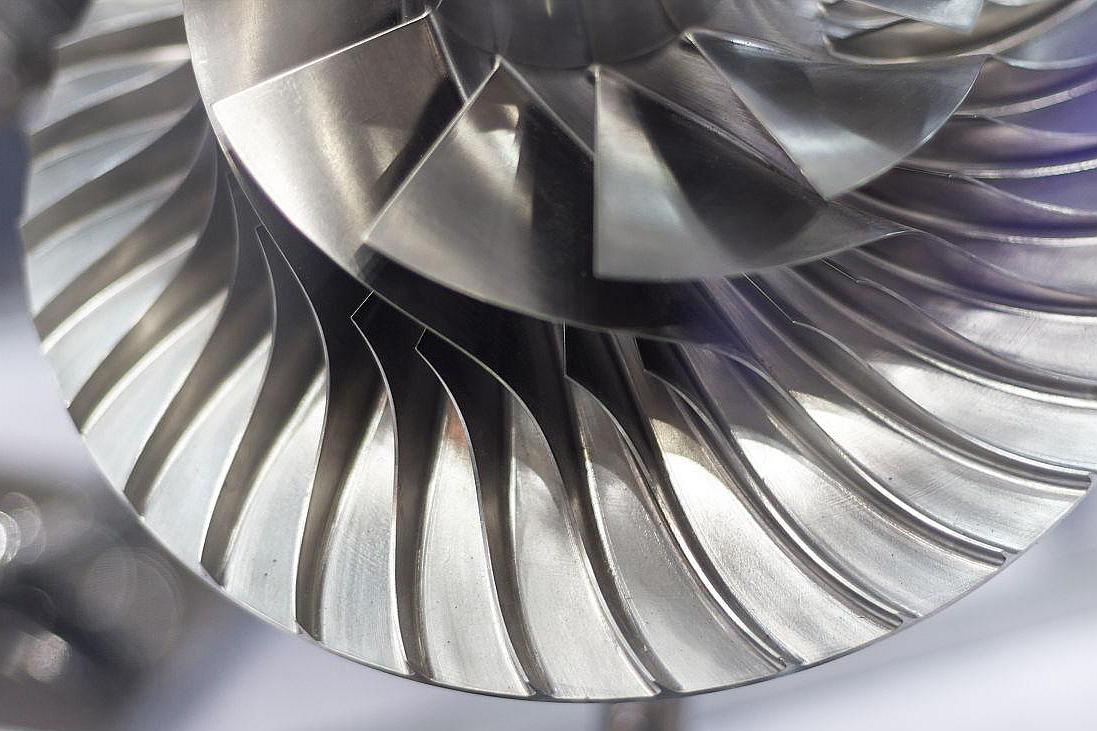
Rene N6 turbine components are commonly finished through multi-axis machining, CNC milling, precision drilling, grinding, and where necessary low-force feature generation such as EDM for localized details. In turbine-part production, machining usually targets blade roots, platform datums, seal lands, attachment regions, and selected cooling or interface features rather than removing unnecessary stock across the full part.
Compared with standard nickel alloys, Rene N6 demands tighter control of tool wear, cutting temperature, and local stress. Process planning must account for the single-crystal nature of the material, the complexity of the turbine feature set, and the need to avoid machining damage that could affect fatigue life, coating performance, or hot-section reliability.
Applicable Post-processing
Rene N6 parts may require precise deburring, surface verification, dimensional inspection, and preparation for high-temperature protective systems depending on the component design. Post-machining control is essential because the quality of the finished surface and edge condition directly affects hot-section reliability and service life.
For turbine applications, the machining route often needs to align with later thermal protection workflows. This may include preparation for coating-related processes or integration with densification and integrity-enhancement routes such as HIP-related process planning. The post-process sequence should always match the turbine design, alloy supply route, and final operating temperature.
Common Applications
Rene N6 is mainly used in advanced turbine systems across aerospace and aviation and high-performance power-generation environments. Typical applications include turbine blades, guide vanes, shrouds, and other hot-section parts where the finished geometry directly affects gas flow, assembly integrity, and service durability.
In these applications, Rene N6 is selected because the temperature and stress level are beyond the reliable operating range of many conventional superalloys. The machining process is therefore focused on preserving the high-value characteristics of the material while delivering precise, repeatable turbine-interface geometry.
When to Choose Rene N6
Choose Rene N6 when the part is a turbine hot-section component and the application requires a single-crystal superalloy with extremely strong creep resistance, hot-strength retention, and thermal reliability. Rene N6 is especially suitable for advanced blades and vanes where long-term high-temperature performance is more important than easy machining or lower raw material cost.
If the turbine duty is less extreme, other Rene grades or different cast superalloys may be sufficient. Rene N6 becomes the stronger choice when the service environment demands top-tier hot-section performance and the design justifies the tighter process control required for single-crystal alloy finishing.
Engineering Selection Note
Rene N6 should be selected according to the exact turbine service condition rather than as a general superalloy substitute. For RFQ evaluation, customers should provide the 2D drawing, 3D model, turbine component type, dimensional tolerance, operating temperature, load condition, coating requirement, supply route, and whether the part is for prototype, repair, or production use.
This allows NewayMachining to determine whether Rene N6 is the correct turbine-alloy route for the project and whether multi-axis machining, milling, drilling, grinding, or EDM is the best finishing combination for the final component.
Explore Related Blogs