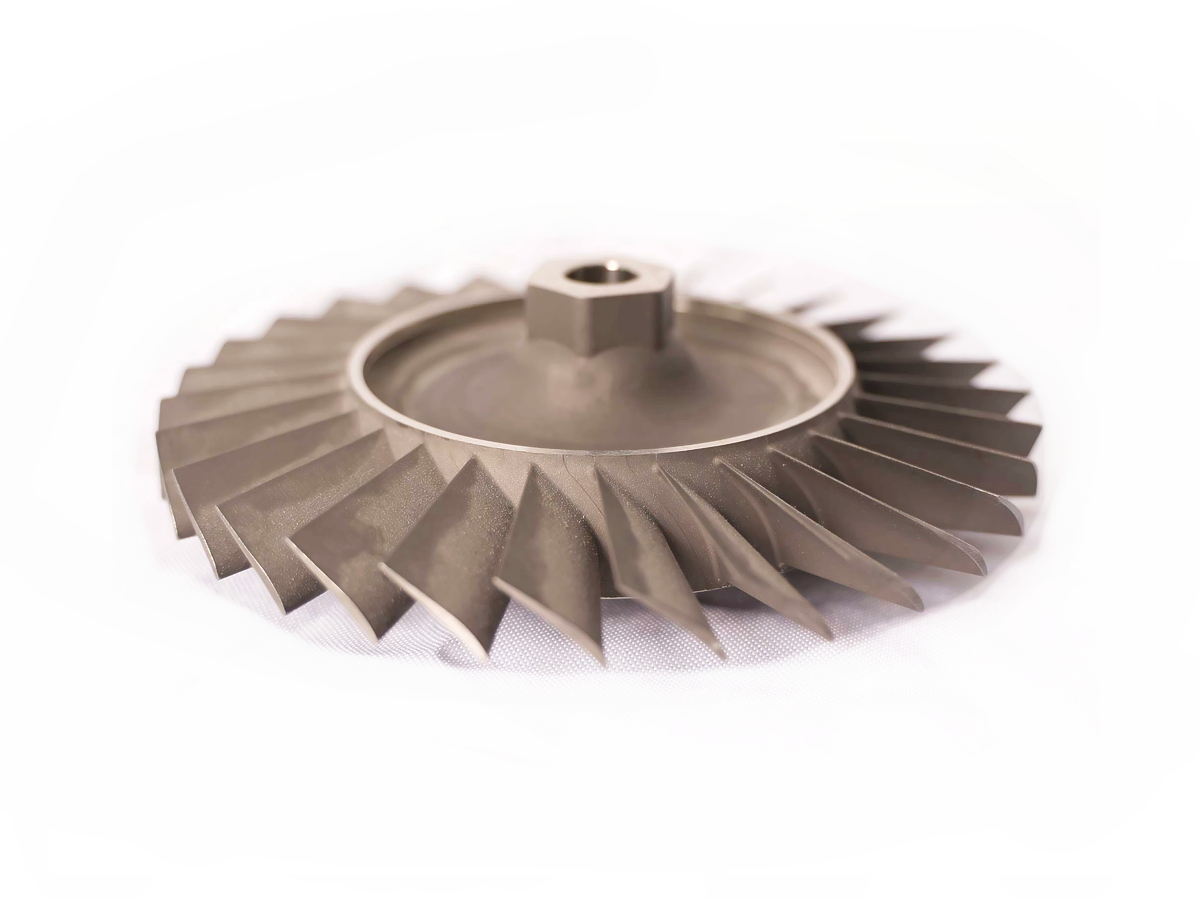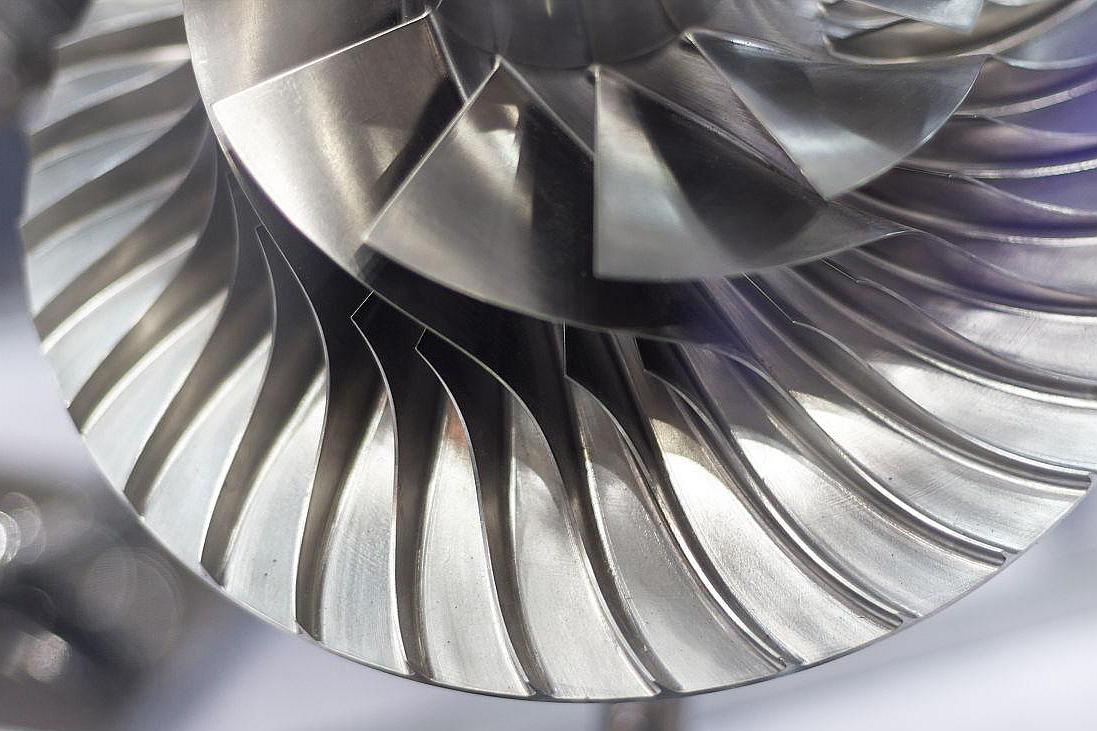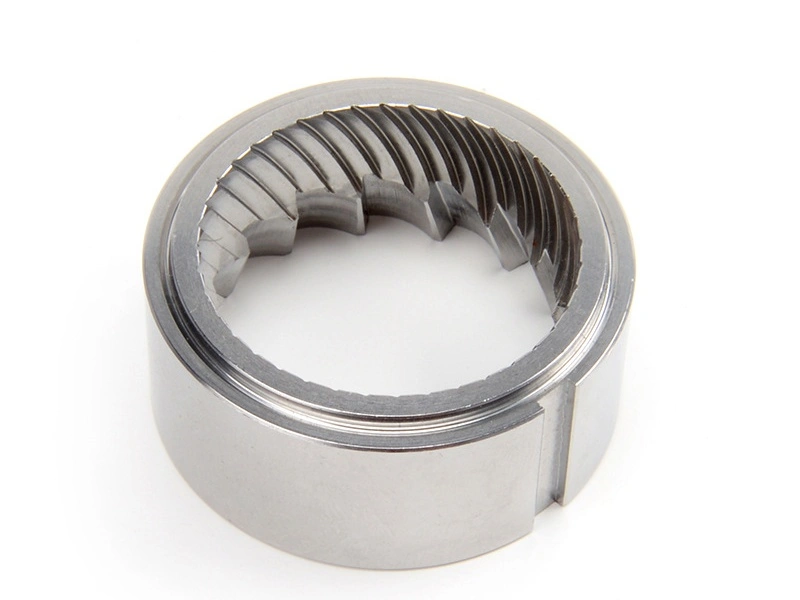
What are the most important differences when machining different grades of superalloys?
The most important differences when machining different grades of superalloys are work-hardening rate, abrasive carbide content, thermal conductivity, heat-treatment condition, hardness, and sensitivity to post-process damage. Nickel, cobalt, and iron-nickel superalloys can all be CNC machined, but each family fails in a different way when the same tool path, coolant plan, or finishing allowance is reused. A buyer should identify the exact grade, specification, heat-treatment condition, stock form, hardness range, critical surfaces, and final inspection method before quoting, because those inputs decide whether the main risk is tool notching, edge chipping, part movement, microcracking, or heat-affected surface damage.
Fundamental Differences in Material Behavior
The first material difference is how each superalloy stores strength in its microstructure and reacts when the cutting edge loads the surface. Nickel-based superalloys, including Inconel 718 and Inconel 625, usually combine high hot strength with low thermal conductivity. In age-hardened conditions, Inconel 718 also carries precipitation strengthening from gamma prime or gamma double prime phases. These conditions make heat stay close to the cutting edge and make rubbing cuts dangerous. Dwell, a light finishing pass, or a worn insert can harden the near-surface layer, so the next pass cuts a tougher skin instead of the original stock. For RFQ review, the material certificate should show whether the bar, forging, or plate is solution annealed, aged, stress relieved, or supplied to a standard such as ASTM B637 or an applicable AMS condition.
Cobalt-based superalloys, including many Stellite alloys, behave differently because the cobalt-chromium matrix often contains hard carbide phases. The main problem is not only heat or work hardening; the insert edge is also being abraded by particles that behave like a fine grinding medium. That changes the failure mode. Nickel alloys often show notch wear, built-up edge, burr growth, or rapid flank wear when the cut loses stability. Cobalt alloys more often punish the tool through edge micro-chipping, crater wear, and loss of size control on interrupted or thin edges. A machinability review should separate cast, wrought, welded, and hardfaced stock, because carbide distribution and local hardness can vary across those conditions.
Operational Impacts on Tooling and Parameters
The material family should change tool geometry, coolant delivery, cutting speed, and the planned inspection checkpoint. For nickel-based alloys, the first priority is to cut under a stable chip load without rubbing while removing heat from the shear zone. Sharp carbide tools with tough substrates and suitable PVD coatings can help preserve edge sharpness, but the coating is only part of the answer. As an early screening range, roughing some nickel superalloys may start near low surface speeds such as 20-50 SFM, with final values qualified by grade, hardness, operation, tool diameter, coolant pressure, and setup rigidity. The process plan should define when tool wear is inspected, because waiting until size drifts can leave a work-hardened layer that affects the next operation.
For cobalt-based alloys, the tooling decision leans toward abrasion resistance and edge security. A very sharp edge still matters, but an edge that is too fragile may chip quickly when hard carbides, casting skin, or interrupted surfaces enter the cut. CNC grinding may be the better finishing route for hardened bearing surfaces, sealing faces, or features where milling leaves burrs that cannot be removed without damaging geometry. The buyer decision is practical: choose milling when the geometry is accessible and allowance is adequate; consider grinding, EDM, or a combined route when final size, surface integrity, and edge condition are more important than metal removal rate.
Iron-nickel superalloys, such as A-286, often sit between the two extremes, yet they still need a grade-specific plan. Some conditions cut closer to stainless steel behavior, while aged or heavily cold-worked stock can become much less forgiving. A competent superalloy CNC machining service should not quote all superalloys with one parameter sheet. The review should ask which feature is most vulnerable: a thin wall that may spring after unclamping, a small hole that may burr, a sealing surface that may overheat, or a datum feature that must survive roughing and finishing without shift. That single choice usually decides the setup sequence and inspection priority.
Post-Processing and Metallurgical Integrity
Machining differences continue after the chip is made because each superalloy family responds differently to residual stress, surface cold work, and finishing. Nickel superalloy parts may need controlled stock removal, intermediate stress relief, or a specified heat treatment for CNC machining when the drawing requires a final aged condition or when roughing leaves stress near thin walls. Heat treatment should be tied to the material specification and dimensional sequence, not added as a generic cure. For cobalt alloys, the stronger concern may be abrasive scratches, microcracks, carbide pullout, or edge rounding after deburring. Validation can include tool-wear review, hardness confirmation, roughness measurement, burr inspection under magnification, and dye penetrant or other crack checks when the application justifies them.
A later sandblasting process for CNC components should also be matched to the grade, wall thickness, and functional surface. Thin nickel alloy walls can move or peen if blasting media, distance, or exposure time is too aggressive. A rigid cobalt alloy wear pad may tolerate the same cleaning step, but sealing faces, small bores, and threaded features may still need masking or post-blast inspection. The safest sourcing package defines the grade, condition, final hardness or heat-treatment requirement, critical dimensions, surface finish, deburring limits, and inspection method. That package lets the supplier choose machining, grinding, heat treatment, and finishing as one controlled route rather than treating every superalloy as the same difficult metal.