How does passivation protect stainless steel in hydraulic applications?
Mechanism of protection in real hydraulic environments
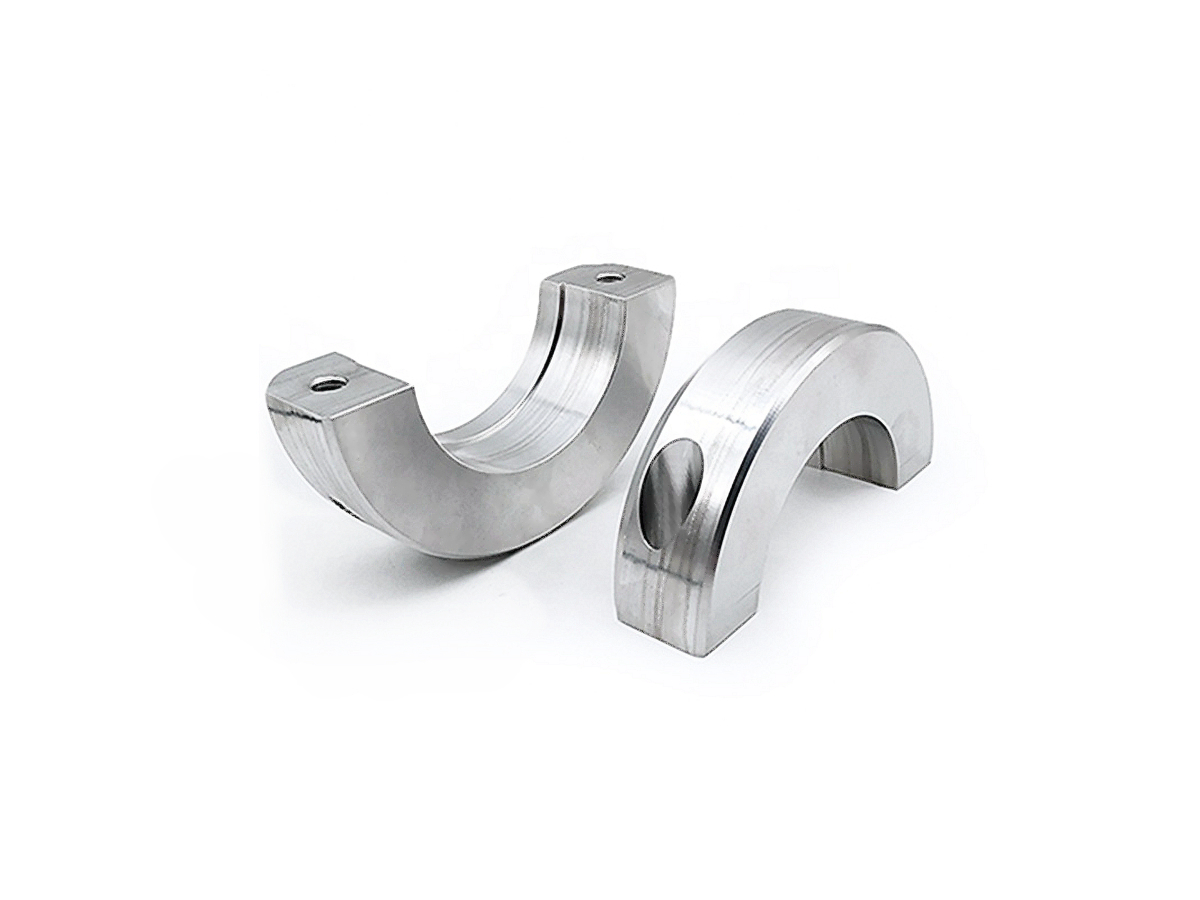
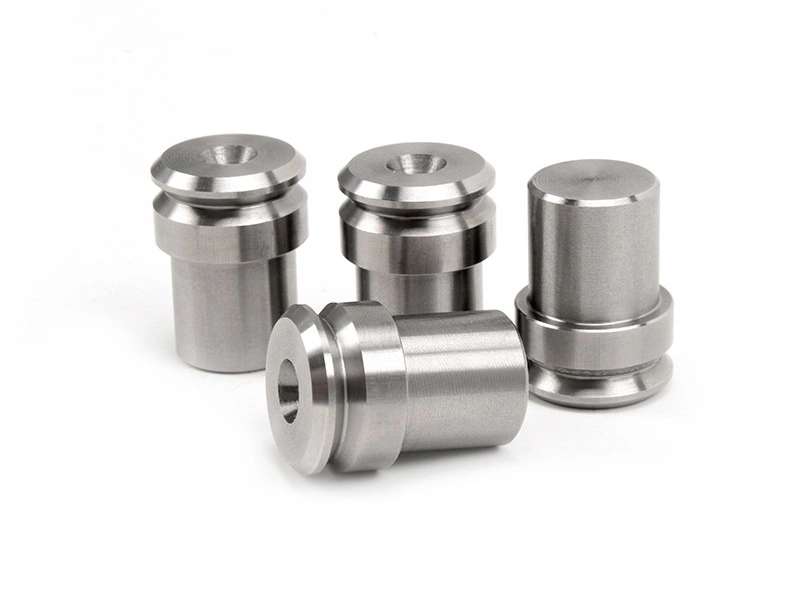
Passivation protects stainless steel in hydraulic applications by removing free iron and helping the chromium-rich passive film reform on a clean stainless surface. The protection matters most on sealing bores, threaded ports, lands, grooves, and wetted faces where machining residue can start pitting, crevice corrosion, staining, or leakage paths. Passivation is not a coating and does not add measurable thickness. It also cannot repair scratches, heat tint, embedded abrasive, deep pits, or a stainless grade that is unsuitable for the fluid, chloride level, temperature, or pressure cycle. The buyer's first decision is therefore whether the base alloy and surface condition are already compatible with the hydraulic environment.
The treatment works best when the prior CNC machining process leaves a surface that can be cleaned without trapped chips, smeared metal, or iron contamination. If built-up edge, burr rollover, or abrasive residue remains in a bore or thread root, passivation may clean exposed areas while the hidden defect still becomes a corrosion start point. Hydraulic buyers should treat passivation as the final corrosion-control step in a controlled route, not as a way to correct poor machining or missing deburring. Parts with blind holes, cross-drilled ports, or small threaded cavities need extra cleaning attention before treatment.
Integration with machining and finishing for reliable sealing
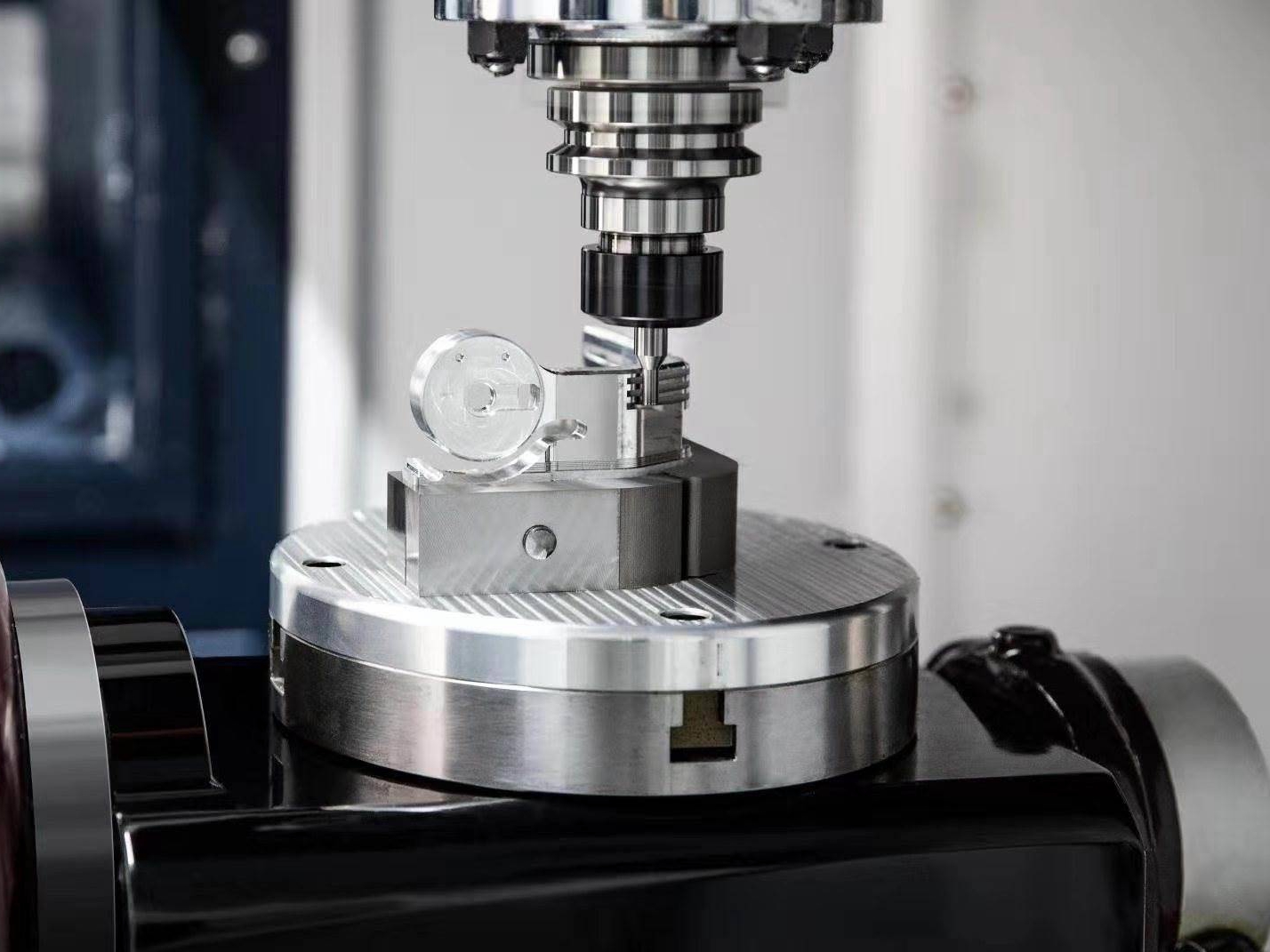
Effective passivation depends on machining, cleaning, deburring, and inspection before the chemical step. For precision hydraulic manifolds, spools, and valve bodies, critical geometry is created through precision machining services, then controlled CNC drilling and CNC boring services define straight bores, port intersections, and sealing lands. Prototype valves and custom blocks can be validated through CNC machining prototyping before production when the same part must meet both tolerance and corrosion requirements. This trial stage is useful when leakage, fluid compatibility, or post-treatment inspection is not yet frozen.
Once geometry is verified, a specified stainless steel passivation service can remove free iron and support passive-film formation. ASTM A967/A967M and AMS2700 are common references for stainless steel chemical passivation, but the drawing or RFQ should state the required method, acceptance test, cleaning condition, and any masked areas. For sliding or metering interfaces, controlled electropolishing for precision parts may reduce micro-peaks before passivation, but electropolishing can change dimensions and edge shape. Final inspection should confirm bore size, groove condition, surface roughness, and cleanliness after treatment. If sealing bores are measured before passivation only, the acceptance plan may miss residue, staining, or dimensional change created by the final process sequence.
Suitable materials and where passivation adds the most value
Passivation adds the most value when the stainless grade already matches the hydraulic fluid, chloride exposure, temperature, and cleanliness requirement. The treatment improves surface condition, but material selection still controls the corrosion margin. A quick selection rule is simple: choose the alloy for the environment first, then use passivation to protect the machined surface created for sealing and assembly.
Austenitic grades such as Stainless Steel SUS316 are useful when molybdenum-assisted pitting resistance is needed in wet or mildly chloride-bearing hydraulic environments. Duplex grades such as Stainless Steel SUS2205 add strength and chloride resistance for compact, high-pressure blocks, although welding, heat history, and machining stress still require control. More severe media may justify Inconel 625, Monel 400, or Hastelloy C-276. Those alloys are not selected because passivation makes stainless unlimited; they are selected when the service environment exceeds ordinary stainless capability. Buyers should not substitute passivation for material upgrade when the fluid chemistry already points to chloride pitting, sour service, or high-temperature corrosion risk.
These choices are especially relevant in Oil and Gas hydraulic equipment exposed to chlorides, sour service, or seawater spray, in Power Generation systems using treated water or condensate, and in Industrial Equipment where contamination, vibration, and pressure cycling expose weak surfaces. The common failure mode is not uniform rust over the whole component. Localized attack usually starts at inclusions, smeared iron, crevices, sharp burrs, thread roots, or stagnant fluid pockets near a seal. Once localized attack reaches a sealing land, the part may leak even though most of the surface still looks clean.
A strong RFQ for hydraulic passivation should list the exact alloy, heat condition, hydraulic fluid, chloride or cleaning chemical exposure, passivation standard, acceptance test, and whether dimensions are checked before or after treatment. It should also define cleaned packaging, drying requirements, protected threads, and whether residual acid, stains, or water spots are acceptable. For sealing bores and grooves, the RFQ should name the datum scheme and the dimensions that must be verified after the last surface process.
Useful validation can include visual inspection, copper sulfate or high-humidity testing where the selected standard allows it, surface cleanliness checks, and post-treatment measurement of sealing bores or grooves. If leakage, particle control, or corrosion warranty is critical, acceptance should combine material certification, process specification, final cleaning, packaging protection, and dimensional inspection. The practical goal is a corrosion-resistant stainless hydraulic part whose sealing surfaces remain clean, measurable, and compatible with the working fluid after machining, treatment, inspection, and storage.