How do I select the most suitable surface treatment for stainless steel parts?
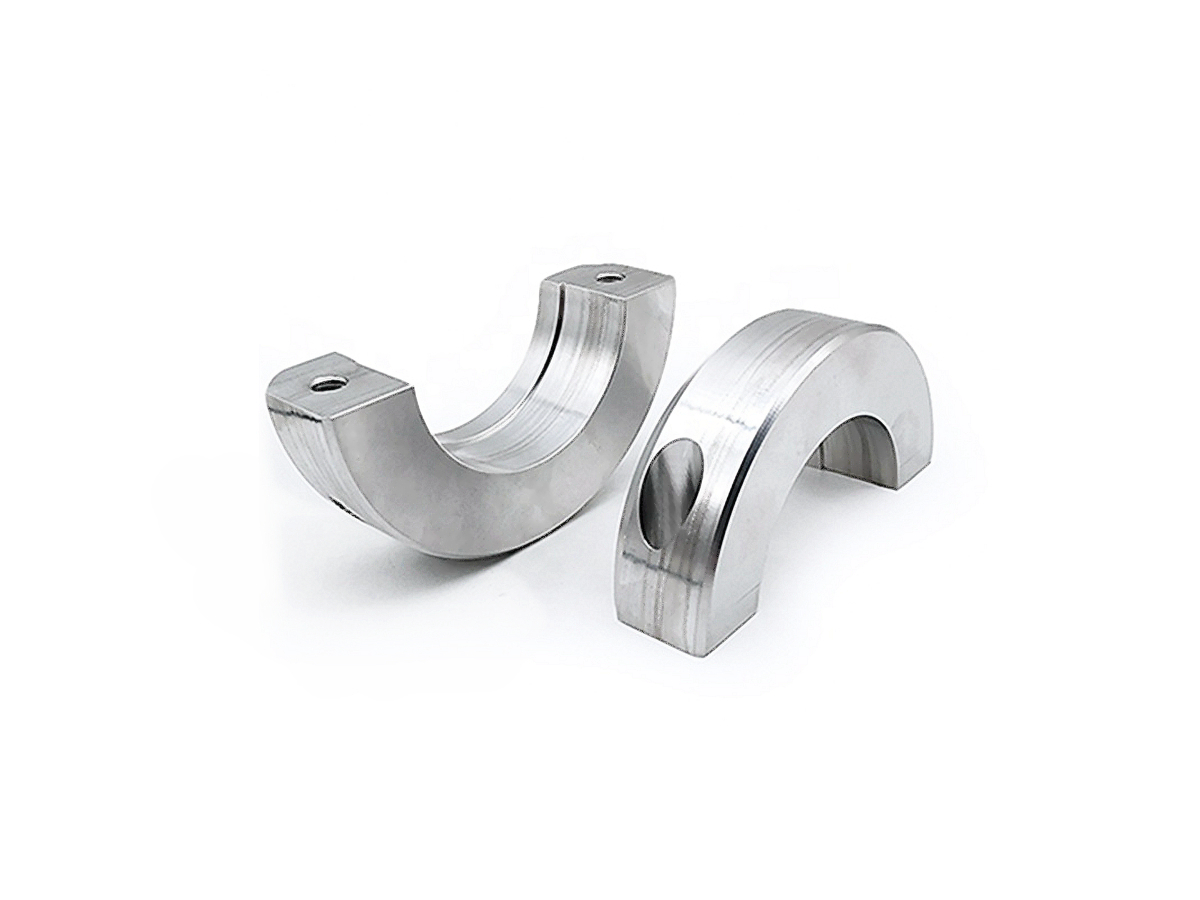
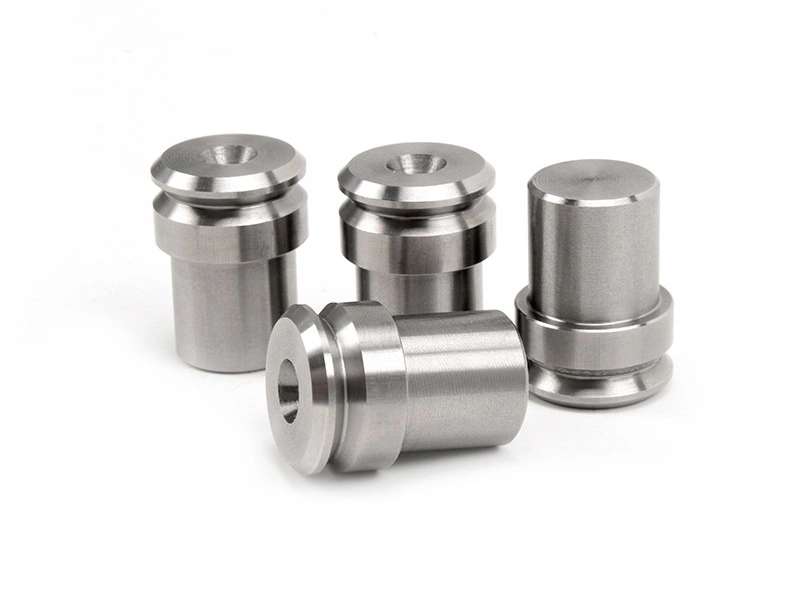
Select the most suitable surface treatment for stainless steel parts by matching the treatment to the main failure mode: corrosion, galling, wear, cleanability, appearance, dimensional sensitivity, or assembly environment. Stainless steel already forms a passive chromium oxide layer, but CNC machining can leave free iron, burrs, heat tint, tool marks, embedded abrasive, or sharp crevices that reduce surface performance. The right choice is therefore not a cosmetic decision only. A buyer should define the working medium, cleaning chemistry, contact surfaces, Ra requirement, edge-break limit, coating thickness tolerance, masking needs, and final inspection stage before selecting passivation, polishing, brushing, PVD, nitriding, blasting, plating, or blackening.
Quick Surface Treatment Selection Factors
The optimal surface treatment is dictated by answering a series of key questions about the part's operational life:
Corrosion Resistance: Identify the real exposure, such as chlorides, salt spray, acidic cleaners, moisture traps, pitting risk, or crevice corrosion around threads and pockets.
Wear and Abrasion: Confirm whether the stainless part sees sliding contact, shaft movement, valve contact, abrasive particles, repeated handling, or galling against another metal.
Aesthetics and Cleanliness: Define whether the surface needs mirror polish, satin grain, matte texture, low particle retention, or visual consistency for medical, food, or consumer-facing use.
Dimensional Stability: Check whether bores, threads, sealing faces, datum surfaces, and tight assemblies can tolerate coating buildup, polishing stock removal, blasting texture, or masking lines.
Industry Standards: Confirm whether applications in Medical Device, food, optical, or Aerospace and Aviation sectors require a named treatment, test method, certificate, or acceptance criterion.
Common Surface Treatments and Their Optimal Applications
Corrosion Control After Machining
Stainless Steel Passivation Service is often the first treatment to review when stainless parts need corrosion resistance after CNC Machining. Passivation removes free iron contamination and supports the chromium oxide surface; it is not a thick coating and should not be used to hide scratches, burrs, or poor cleaning. ASTM A967 and ASTM A380 are common references for passivation and cleaning, but the drawing must define the required method and acceptance check. Passivation is especially relevant for machined holes, slots, threads, weld-adjacent areas, and parts exposed to moisture or cleaning fluids.
Wear, Galling, and Surface Hardness
When stainless shafts, pins, valves, sliding guides, or mating surfaces fail by friction, passivation alone will not solve the wear mechanism.
PVD Coating for Precision CNC Parts: PVD can add a thin hard layer, often in the low-micron range depending on coating system, to reduce wear, galling, and friction while keeping dimensional change relatively small. It needs clean surfaces, suitable edge condition, and masking review for precision bores or sealing faces.
CNC Steel Nitriding Process: Nitriding can increase surface hardness on selected stainless grades, but grade compatibility, process temperature, distortion risk, and corrosion impact must be checked. It is not automatically suitable for every austenitic stainless part.
Cleanability, Texture, and Visual Finish
For hygiene-critical and visible parts, surface texture affects cleaning, appearance, glare, fingerprint control, and inspection consistency.
CNC Part Polishing Service: Polishing can reduce surface peaks and improve cleanability when the drawing defines Ra value, polishing direction, allowed material removal, and protected edges. It may change sharp features or small dimensions if not controlled.
CNC Surface Brushing Treatment: Brushing creates a controlled grain direction for satin or matte appearance. The buyer should define grain orientation, visual standard, handling marks, and whether brushed surfaces need later passivation.
Sandblasting Process for CNC Components: Sandblasting can create uniform texture and reduce machining marks, but media type, pressure, masking, embedded particles, and post-cleaning matter. It should be validated if the part needs tight seals, sliding contact, or hygienic cleaning.
Color, Appearance, and Special Assembly Needs
Electroplating Service for CNC Parts: Electroplating stainless steel is less common than passivation or polishing, but it may be selected for decorative metal color, contact behavior, or a specific multi-metal assembly. Adhesion, activation, thickness, hydrogen risk, masking, and galvanic compatibility should be checked.
Black Oxide Finish for CNC Steel Parts: Black oxide is common on many steels, while stainless blackening needs a compatible process and realistic corrosion expectations. It is useful when low reflection or black appearance matters, but it should be tested on the actual grade and finish.
Selection Guide Summary
Maximum Corrosion Resistance: Start with Passivation after machining, then verify cleaning, edge condition, and acceptance method.
High Wear & Galling Resistance: Review PVD Coating or compatible hardening when contact stress and dimensional limits support it.
High-End Aesthetic & Cleanability: Choose Polishing or Brushing when Ra, grain direction, and visual standards are defined.
Uniform Matte Texture: Use Sandblasting only after confirming media, masking, cleaning, and sealing-surface risks.
Decorative Black Finish: Specify a Black Oxide or stainless-compatible blackening process with corrosion and appearance samples.
Combination routes can work, such as polishing followed by passivation, brushing followed by passivation, or PVD after a controlled base finish. The safe path is to test the chosen surface treatment during the Prototyping Service phase, then confirm dimensions, appearance, corrosion response, cleanability, and assembly fit before production release.