How do I choose a one-stop custom parts manufacturer?
How do I choose a one-stop custom parts manufacturer?
Choose a one-stop custom parts manufacturer by testing whether its documented controls match your part, project phase, finish, inspection, capacity, and delivery risks. A broad capability list or low quote is not enough. Ask the supplier to show how it converts drawings into a controlled route, identifies temporary versus production-intent choices, manages external processes, verifies the final delivered condition, records changes, and releases or holds a lot. The right one-stop custom parts manufacturer is the one whose evidence supports the buyer's actual requirements; specialist or split sourcing remains valid when one supplier cannot control a critical process or capacity risk.
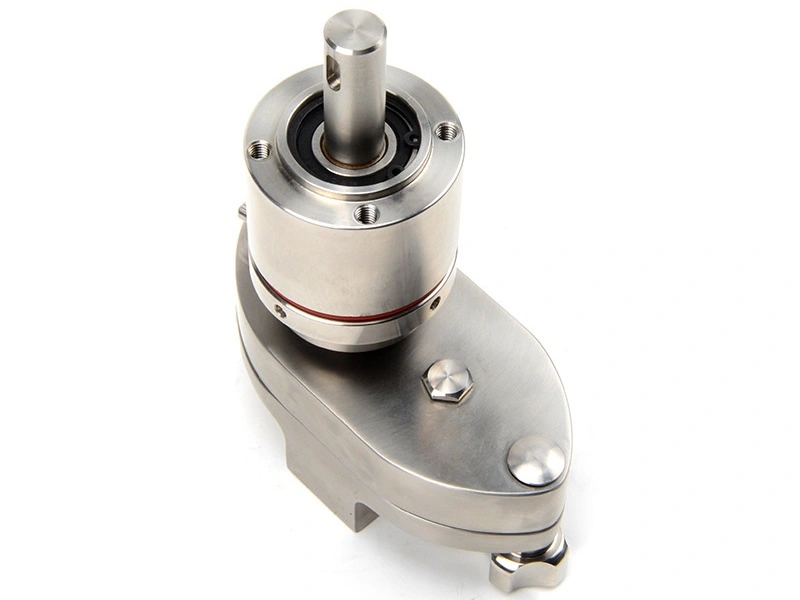
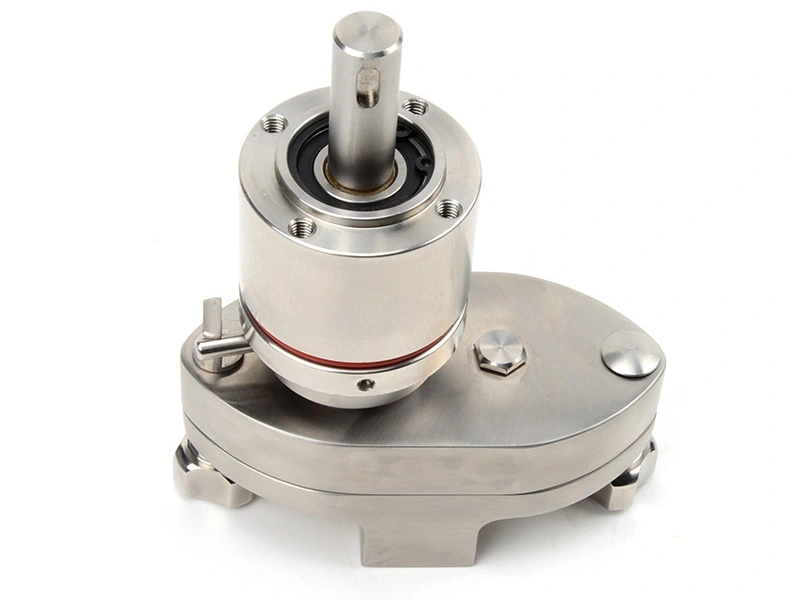
Evaluation Item | Why It Matters |
|---|---|
DFM support | Require drawing-specific risks, assumptions, alternatives, affected requirements, decisions, owners, and closure evidence |
CNC machining capability | Match part envelope, features, setups, workholding, tools, programs, materials, and control methods to the actual route |
Prototype support | Separate design-learning samples and temporary methods from evidence that can support a later production baseline |
Low-volume and mass production | Test repeatability, rate, bottlenecks, inspection throughput, change control, contingency, and phase-gate release before scaling |
Surface finishing coordination | Verify approved sources, allowances, masking, buildup or removal, cosmetic criteria, certificates, and dimensions after finishing |
Inspection capability | Confirm datum setup, method suitability, uncertainty or correlation where relevant, sampling, reporting, and disposition authority |
Material knowledge | Control specification, grade, condition, stock form, source, substitution approval, traceability, and process compatibility |
Project communication | Use revision-linked decisions, deviation approval, response ownership, change notification, escalation, and record retention |
Packaging and delivery control | Preserve final dimensions, cosmetic zones, coatings, cleanliness, lot identity, documents, and condition through receipt |
1. Evaluate the supplier's engineering output, not its promise
Ask the supplier to review a representative drawing before award and return specific risks, assumptions, questions, alternatives, and affected characteristics. Useful output connects feature geometry, datum strategy, workholding, material condition, tool access, finish allowance, measurement, cost, and schedule. It also records who decides and what evidence closes each issue. Generic advice or automatic tolerance relaxation is not sufficient. The buyer should retain control of form, fit, function, regulated requirements, and the contractual baseline. A review informed by DFM for CNC machining should expose tradeoffs before the quote is fixed, while an unapproved suggestion remains an option rather than a drawing change. Compare suppliers on the quality and traceability of these decisions.
2. Audit phase transitions and capacity separately
Prototype success does not prove low-volume repeatability or production capacity. Ask which fixtures, programs, material forms, manual operations, inspection frequencies, outside processors, and deviations are temporary. For low-volume manufacturing, require production-intent trials where practical, repeatable setup evidence, tool-life reactions, records, and a defined exit gate. Before mass production, review required rate and mix, bottlenecks, maintenance, inspection throughput, outside-process queues, staffing, contingency, and recovery assumptions. The supplier should state which evidence releases each phase and which conditions place material on hold. Awarding the entire lifecycle can preserve knowledge, but the buyer can make later volumes conditional on objective results rather than a broad capacity statement.
3. Verify the final condition after finishing
A one-stop route is useful only if responsibility remains clear through external and internal processes. Review how the supplier selects and monitors finish sources, flows down drawing and specification requirements, reserves dimensional allowance, controls masking and contact points, reconciles certificates, preserves lot identity, and handles nonconformance. Inspection must match the characteristic and the process state. A machine or CMM specification is not a finished-part tolerance guarantee, and a pre-finish report cannot prove a post-finish fit. Projects associated with precision machining still need datum setup, method suitability, calibrated equipment, acceptance criteria, and authorized disposition. The practices discussed for reliable CNC machining shops can guide questions, but the buyer should verify order-specific records and final-state evidence.
4. Check route fit and specialist boundaries
More listed processes do not automatically make a supplier a better fit. Map the actual part family by material specification and condition, feature risks, envelope, tolerance and datum scheme, heat treatment, coating, marking, assembly, cleanliness, testing, packaging, and regulated flowdowns. Ask what is performed internally, what is outsourced, who approves external sources, and who owns containment and root-cause evidence. A specialist supplier or split route may be safer when a critical finish, grinding operation, test, capacity source, or compliance requirement sits outside the one-stop supplier's controlled network. The buyer should compare interface risk against concentration risk, not insist on one route for every component. One-stop scope is justified when the supplier can demonstrate control of each relevant handoff and an approved recovery path.
5. Test revision, change, and escalation control
Communication becomes manufacturing control when every technical decision is revision-linked, assigned, approved, and retained. During evaluation, issue a drawing clarification or controlled revision and observe how the supplier prevents obsolete work, updates programs and instructions, identifies affected material, and notifies outside processors. The contract should define changes that require buyer approval, including material source, site, machine family, fixture, program, special-process source, inspection method, packaging, or production rate where risk changes. Review response ownership, escalation timing, deviation authority, containment, corrective-action evidence, and record access. A polished weekly update does not replace configuration control. A supplier that cannot reconstruct which requirement, route, lot, and disposition applied during a trial should not receive broader lifecycle responsibility.
6. Use a representative trial and weighted award decision
Normalize quotations to the same revision, delivered condition, inspection evidence, packaging, delivery terms, tooling ownership, exclusions, and volume assumptions before comparing price. Then use a representative trial to challenge the highest-risk interfaces. For example, a thin anodized aluminum cover may pass machining inspection but move after unclamping or fall outside a bore requirement after coating. The trial should test stock condition, roughing balance, fixture support, finish allowance, masking, final datum strategy, measurement timing, cosmetic protection, records, and the supplier's reaction to a detected trend. Release additional scope only after required evidence is complete; otherwise hold, correct, requalify, or use a specialist route. Weight technical fit, transition control, quality evidence, capacity resilience, communication, commercial scope, and total delivered risk rather than selecting the lowest initial price.
For the evaluation RFQ, provide revision-controlled CAD and drawings, material and condition, phase and demand scenarios, critical and cosmetic characteristics, finishing, inspection and certificate requirements, regulated flowdowns, packaging, delivery terms, and forecast assumptions. Ask the supplier to return a route map, DFM decision log, internal/external process boundary, temporary choices, phase gates, measurement plan, capacity and bottleneck evidence, change-notification rules, reaction and recovery plans, assumptions, deviations, exclusions, and release package. Confirm these items with a representative trial and referenceable order records. Choose one-stop scope only where the returned evidence demonstrates control; retain specialist or dual-source options for risks it cannot close.