Which industries benefit the most from 4 Axis CNC Milling?
Which Industries Benefit the Most from 4 Axis CNC Milling?
Industry Fit Depends on Rotary-Feature Risk
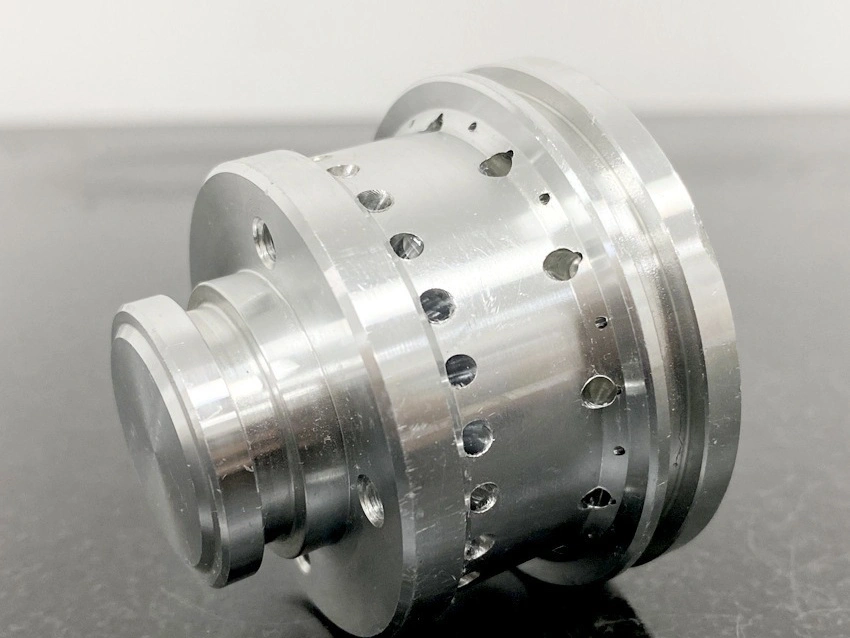
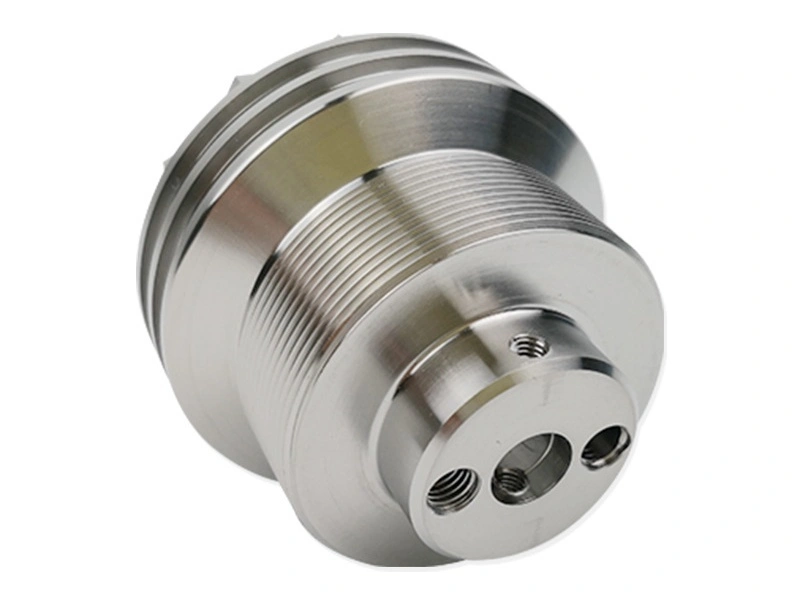
Aerospace, medical device, oil and gas, robotics, automotive, and power-generation projects benefit most from 4 Axis CNC milling when the part has radial features, multi-side geometry, repeated angular positions, or datum relationships that become risky after several 3-axis re-clamps. The industry label is not enough; the real trigger is whether rotary access reduces setup transfer while the workpiece remains rigid, measurable, and compatible with the material and finish plan. A buyer should ask for the proposed indexed or simultaneous 4-axis route, datum strategy, fixture concept, inspection state, and unresolved access risks. If the feature can be reached and verified in a simpler 3-axis setup, 4-axis machining may add cost without improving acceptance confidence.
Aerospace and Aviation Route Control
Aerospace and aviation parts often justify a 4-axis review when angular faces, ports, lightening features, or circular patterns must stay related to controlled datums after machining and finishing. Brackets, housings, rings, and rotating components can benefit if rotary indexing avoids weak re-clamping and keeps tool access repeatable. The risk is not only geometry. Difficult alloys, thin walls, residual stress, traceability, burr control, and inspection access may decide whether the route is acceptable. For aerospace RFQs, state material condition, drawing revision, datum features, critical angular relationships, surface-treatment state, and required inspection records. Ask the supplier to show where the part is supported during rotation and how final dimensions are verified after release.
Medical Device Feature Access and Material State
Medical device components benefit from 4-axis milling when curved forms, cross-holes, angled interfaces, or repeated features need controlled access without losing traceability or cleanable geometry. The linked orthopedic implants topic is useful context, but each medical project still needs its own route evidence. Materials such as SUS316L and PEEK require grade, condition, stock form, cleaning, finish, burr, and inspection states to be defined before process selection. A fourth axis can improve access, yet it cannot replace validation of surface condition, dimensional relationships, documentation, or any regulated acceptance requirement. Include prohibited sharp edges, functional faces, and final inspection state in the RFQ.
Oil and Gas Radial Ports and Sealing Features
Oil and gas parts benefit most when ports, cross-holes, grooves, flats, or pressure-related sealing features repeat around a cylindrical or manifold-like body. A 4-axis setup may keep the centerline, port spacing, and sealing references under one controlled locating plan. For radial pipe flanges, connectors, valve bodies, or downhole tool components, review material strength or softness, wall thickness, burr breakout, chip entrapment, corrosion protection, and pressure-facing surfaces. The buyer should require a deburring and inspection plan for internal intersections, not only a machining route. If ports cannot be inspected or cleaned after machining, a different sequence, split construction, or additional finishing operation may be safer.
Robotics and Automation Alignment Requirements
Robotics and automation assemblies benefit from 4-axis milling when actuator housings, sensor brackets, gear cases, gripper components, or rotary-interface parts need several sides machined in a controlled relationship. The useful advantage is consistent alignment between bearing seats, motor faces, cable passages, mounting holes, and locating surfaces. Rotary access can reduce fixture changes, but fixture stiffness and clamping marks still matter because thin ribs, light housings, and cosmetic faces can move or be damaged. Buyers should mark functional datums, bearing or bushing fits, threaded holes, cosmetic surfaces, and post-finish dimensions. Ask whether final inspection checks the assembly-critical relationships after deburring, coating, and unclamping, not only while the part is still fixed in the machine.
Automotive Repeatability and Accepted-Part Cost
Automotive projects benefit when 4-axis milling reduces repeated setups for brackets, manifolds, suspension parts, steering components, housings, or lightweight structures with rotated features. The linked engine mount brackets topic points to this type of feature relationship, but the quote should still prove the actual route. For production-intent automotive work, compare accepted-part cost rather than machine-hour price. Fixture build, tool life, burr removal, inspection throughput, coating allowance, change control, and lot repeatability can outweigh a faster cutting cycle. Buyers should require a pilot or first-article plan that uses the same revision, material source, fixture concept, and inspection rules intended for repeat production.
Power Generation Rotation, Heat, and Inspection Risk
Power-generation components benefit from 4-axis milling when rings, shafts, valve parts, turbine-related features, or long cylindrical components need angular access while maintaining concentricity, sealing geometry, and inspection traceability. For steam valve housings, bearing-related surfaces, and rotating shafts, the route must consider material condition, thermal exposure, heavy section support, tool reach, runout, burrs, and later finishing or heat treatment. A rotary axis may reduce handling, but it can also introduce support, tailstock, clearance, and measurement challenges. The RFQ should define datum references, final process state, pressure or sealing faces, sampling, records, and how angular or cylindrical relationships will be accepted.
RFQ Evidence for 4 Axis CNC Milling Across Industries
Use the linked 4 Axis CNC Milling article and industry pages for aerospace, medical, robotics, automotive, and energy as context, then judge the actual part by evidence. A strong RFQ response should name the rotary-axis mode, setup orientations, fixture contacts, datum transfers, tool-access risks, material and finish assumptions, burr-control method, inspection plan, and documentation limits. For prototyping-to-production work, require a clear handoff from prototype route to repeat production route. Approve volume only when the pilot proves the same revision, material condition, fixture strategy, finish state, inspection records, and change-control response needed for the target industry.