What makes 5 Axis CNC Milling ideal for complex part production?
What Makes 5 Axis CNC Milling Ideal for Complex Part Production?
Direct Answer: Controlled Tool Orientation and Fewer Transfers
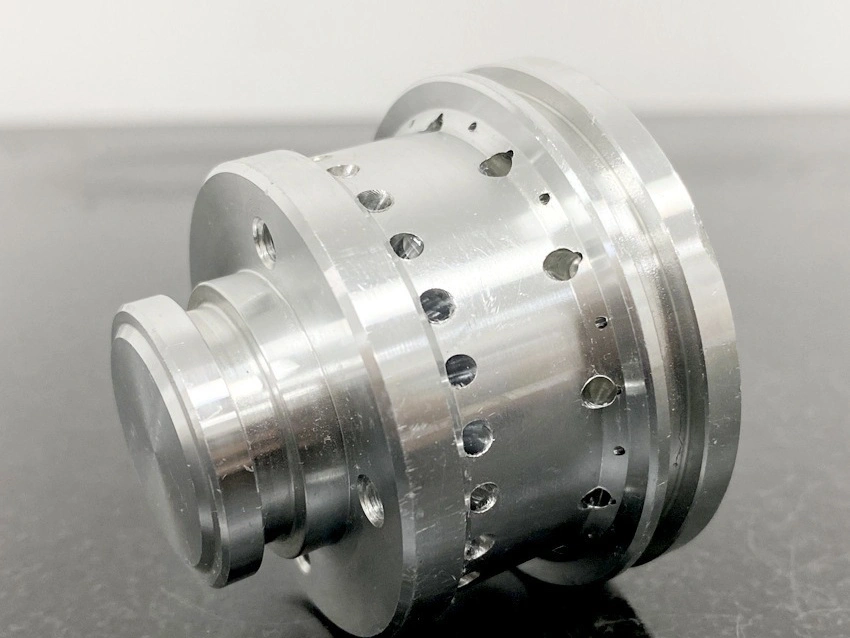
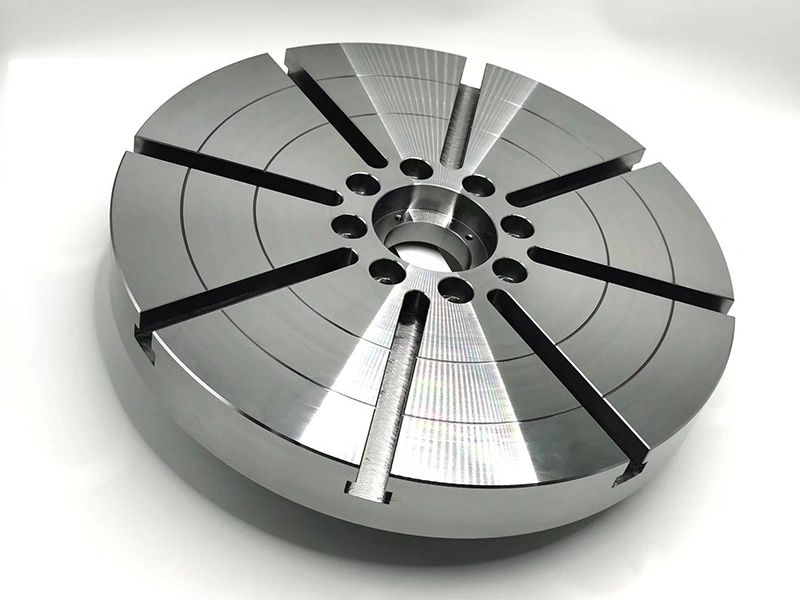
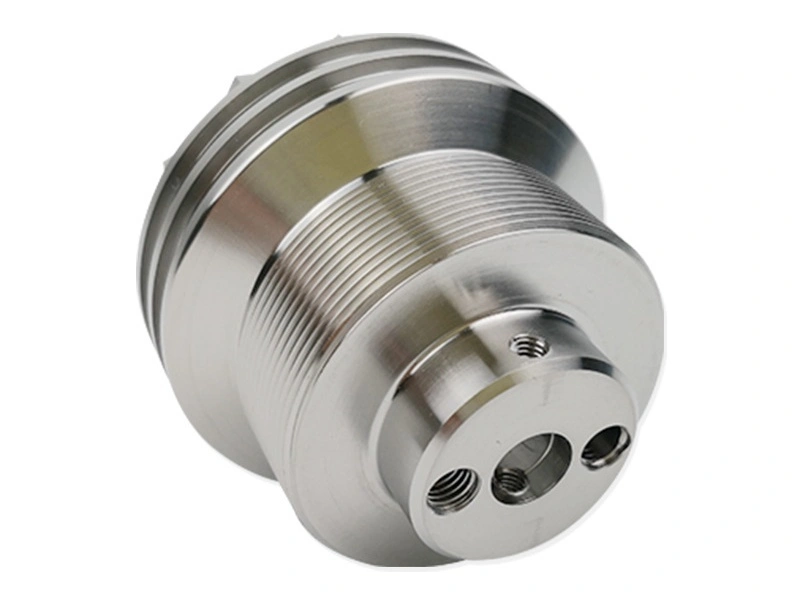
5 Axis CNC milling is ideal for complex part production when the part needs controlled tool orientation, multi-face access, compound angles, or contoured surfaces that would create risky transfers on simpler machines. The process combines X, Y, and Z linear motion with two rotary axes, so the cutter can approach the workpiece from more useful angles. The advantage is strongest when geometry, material condition, fixture stiffness, tool reach, CAM simulation, and inspection state are planned together. The central question is whether the extra motion protects the features that make the part difficult to manufacture. A clear quote should name the features that gain from 5-axis access and the features that still need separate validation. Buyers should ask whether the job needs simultaneous 5-axis motion, indexed 3+2 positioning, or another process for inaccessible or fragile features.
Production Advantages That Need Engineering Proof
1. Single-Setup Control for Multi-Face Parts
5 Axis CNC milling can reduce datum transfer error because several faces or angular features may be cut before the part is unclamped. That helps parts with undercuts, compound curves, blade forms, and internal access challenges such as turbine impellers, orthopedic implants, or aerospace brackets. Single setup does not remove every risk. Thin walls may move after roughing, chips can block seating, and final inspection may still depend on post-process finishing. The RFQ should identify critical datums, controlled profiles, burr limits, and the accepted measurement state.
2. Better Feature Relationships, Not Automatic Tolerance
Fewer setups can improve feature-to-feature consistency because the part is not repeatedly re-clamped and re-zeroed. The result still depends on machine condition, fixture rigidity, tool deflection, material movement, thermal control, and the inspection method. For aerospace and medical devices, buyers should separate machine capability from drawing acceptance. Ask which GD&T features are measured, whether first article inspection is required, and whether dimensions apply before or after coating, polishing, passivation, cleaning, or heat treatment.
3. Shorter Tools and More Stable Cutting Angles
5-axis control can keep the cutter at a better angle to the surface, which may reduce long-tool deflection, chatter, heat concentration, and uneven scallop marks. This is useful for difficult materials such as Inconel 718, Titanium TC4, or PEEK. Surface finish should not be promised from axis count alone. It must be tied to material, cutter geometry, step-over, coolant, tool wear, finishing passes, and how roughness will be measured on the real surface.
4. More Freedom for Reachable Complex Geometry
5 axis machining gives designers more options for free-form surfaces, compound angles, deep side features, and high-value lightweight geometry. The word “complex” still needs a manufacturing boundary. Some features remain unsuitable because the tool holder collides, the cutter is too long, the wall is too flexible, or the inspection probe cannot reach the controlled surface. In robotics, automation, and high-performance equipment, buyers should request a manufacturability review that marks reachable, risky, and process-change features before price approval.
5. Less Setup Time When the Route Is Valid
5 axis milling may shorten total manufacturing time by reducing fixture changes, manual orientation checks, and repeated datum setup. The saving is not guaranteed, because CAM prove-out, slower finishing moves, tool wear, deburring, and inspection can offset cutting-time gains. A multi-angled medical implant is a good review case: the buyer should compare total route time, surface acceptance, cleaning state, and inspection method, not only the number of machine axes.
Typical Application Checks for 5 Axis CNC Milling
Aerospace: Turbine blades, brackets, housing parts, and lightweight structures need review of material condition, datum control, tool access, burr limits, and final inspection records.
Medical: Bone plates, dental abutments, surgical tools, and implant-related parts need edge condition, cleaning, traceability, surface finish, and measurement state defined before quoting.
Oil & Gas: Valve bodies, impellers, and pump housings need corrosion exposure, sealing surfaces, pressure-related geometry, port burrs, and material certification reviewed with the machining route.
Robotics: Multi-surface actuator housings need bearing bores, dowel holes, cable paths, mounting faces, and coating thickness controlled as one assembly-fit problem.
Power Generation: Steam turbine components need material state, thermal exposure, blade or flow features, balance-related surfaces, and inspection access checked before choosing the 5-axis route.
RFQ Review for 5 Axis CNC Milling of Complex Parts
Use 5 Axis CNC Milling for complex parts only after the supplier explains the machine route, fixture concept, tool-access limits, CAM collision review, material risks, deburring method, surface-finish sequence, and final inspection plan. For aerospace, medical, automation, and power generation parts, send the drawing revision, 3D model, material specification, critical datums, controlled surfaces, finish requirements, quantity stage, and required inspection records. If the supplier cannot state those limits before quoting, the buyer should request clarification before treating 5-axis milling as the selected production route. Release the route when 5-axis access improves the controlled features without creating new fixture, burr, heat, finishing, or measurement risks.