What makes 4 Axis CNC Milling ideal for complex part manufacturing?
What Makes 4 Axis CNC Milling Ideal for Complex Part Manufacturing?
Quick Fit Check for 4 Axis CNC Milling
4 Axis CNC milling is ideal for complex part manufacturing when a rotary axis lets critical features be reached with fewer datum transfers while the workpiece remains supported and measurable. It is best for indexed side features, radial hole patterns, slots, contours, and cylindrical layouts whose rotary centerline can be located, clamped, programmed, and inspected reliably. It is not automatically more accurate than 3-axis machining; quality depends on fixture stiffness, rotary-axis condition, tool access, material state, CAM proof, datum strategy, and final inspection. Buyers should send the released drawing, model, material condition, critical datums, finish state, quantity, and required inspection evidence, then ask whether the quoted route is indexed 4-axis, simultaneous 4-axis, or a different process.
Where 4 Axis Milling Helps Complex Parts
1. Multi-Side Machining With Fewer Re-Clamps
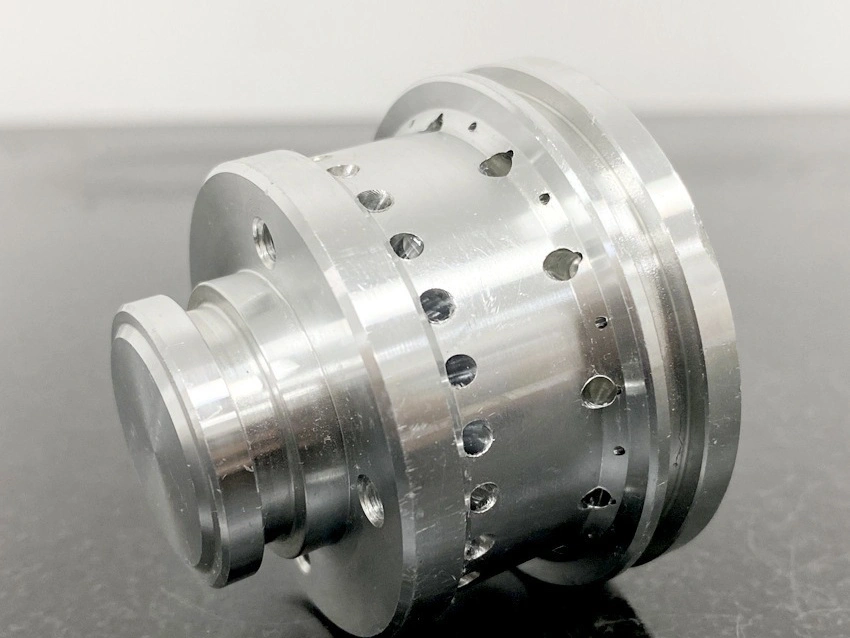
Indexed 4-axis machining can rotate a qualified setup to expose another face without fully removing and resetting the part. The real value is lower datum-transfer risk, not the mere presence of a fourth axis. Features on aluminum sensor housings or turbine rings may benefit when side holes, slots, sealing faces, or bolt patterns must remain related to the same locating scheme. Confirm how the part is supported during rotation, which datum features remain active, where clamps and jaws touch, and which characteristics are measured before and after unclamping. If a second fixture is still needed for hidden faces, the quote should name that transfer risk rather than selling the job as a one-setup operation.
2. Controlled Rotary Access for Cylindrical Features
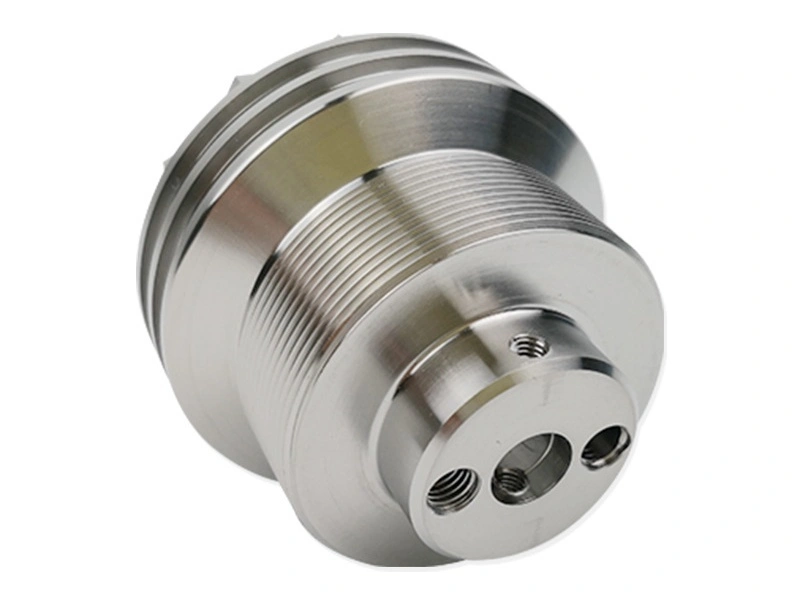
Rotary positioning helps when holes, flats, ports, grooves, or milled profiles repeat around a shaft, ring, manifold, flange, or connector. The benefit appears only when the intended rotary centerline matches the functional datum or can be transformed into the drawing datum system without unacceptable uncertainty. The supplier should state whether the feature is cut by indexing and locking the axis, by coordinated rotary motion, or by another operation after milling. Ask how runout, part length, tailstock or support contact, tool clearance, and chip evacuation are controlled. A cylindrical outside shape alone does not justify 4-axis milling if the critical surfaces can be reached and verified more safely in a simple 3-axis setup.
3. Datum Consistency Instead of Automatic Accuracy
Reducing setup changes can reduce one source of variation, but 4-axis machining does not guarantee a numeric tolerance by itself. Rotary positioning, fixture stiffness, stock condition, cutting force, thermal change, tool wear, probing method, and inspection alignment all affect the finished relationship between features. A responsible quote separates machine verification from part verification. It should identify critical characteristics, the datum reference frame, the inspection state, and whether first-article, in-process, final, or capability evidence is required. If the tolerance depends on features machined at different angular positions, require a measurement plan that checks the relationship after release from the fixture.
4. Tool Access, Cycle Time, and Cutting Stability
4-axis CAM can shorten a route when rotation places the cutter at a better approach angle, reduces long-reach tooling, or combines several side operations under one clamping plan. The same change can add programming, collision review, rotary clearance, fixture, and inspection work, so cycle time should be compared at the accepted-part level. For automotive and robotics parts, higher volume or repeated revisions make route stability especially important. Ask the supplier to show which operations are removed, which new risks are added, how tool overhang and chip flow are controlled, and whether the cycle-time saving survives finishing, inspection, and rework allowance.
5. Design Flexibility With Clear Boundaries
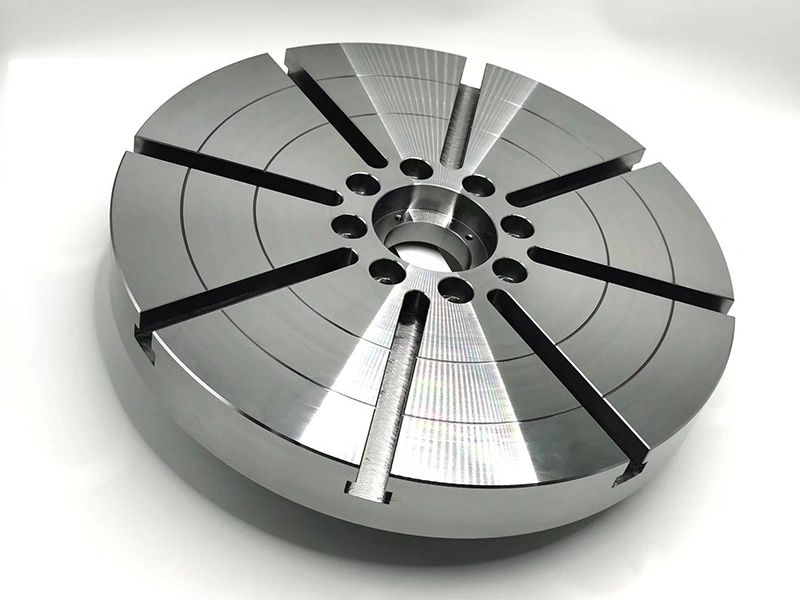
A fourth axis can make angled surfaces, rotated hole patterns, partial wraparound features, and multi-face pockets more practical, but it does not remove all access limits. Holder interference, blind undercuts, weak workholding, thin-wall movement, burr access, surface-treatment allowance, and inspection reach may still drive the design. Teams designing medical devices or automation components should define functional faces, cleanability or cosmetic zones, edge requirements, and controlled datums before release. If a feature needs continuous tool tilt, another rotary axis, EDM, grinding, split construction, or a design change may be more reliable than forcing a 4-axis route.
Application Patterns That Need a 4 Axis Review
Aerospace: Titanium turbine disks and contoured brackets need a route review when angular features, difficult alloys, traceability, and inspection access interact.
Oil & Gas: Radially drilled copper connectors can justify rotary indexing when port spacing, sealing faces, burr removal, and pressure-related inspection are controlled from the same datum logic.
Medical: Curved orthopedic implants require extra caution because material condition, finish state, cleaning, traceability, and regulatory documentation may matter as much as cutter access.
Robotics: Multi-surface actuator housings fit 4-axis review when side holes, bearing seats, cable passages, and mounting faces must stay aligned after unclamping and finishing.
Consumer Products: Rounded casings and enclosures may use 4-axis machining for appearance or access, but cosmetic zones, wall movement, burr limits, and surface-treatment build should be accepted with samples and measured fits.
RFQ Review for 4 Axis CNC Milling from Prototype to Production
Use the linked 4 Axis CNC Milling page as process context, then require project-specific evidence before award. A supplier reviewing complex part design should return proposed setup orientations, rotary-axis mode, datum transfer plan, fixture concept, tool-access risks, collision-control method, deburring approach, inspection plan, and unresolved assumptions. For prototyping and low-to-high volume production, ask whether the same material source, fixture, program, critical tools, finish source, and acceptance criteria will carry forward or require revalidation. Treat surface treatments, heat treatment, masking, and coating buildup as separate controlled steps. Release volume only after the pilot or first article proves the route, inspection records, finish state, and change-control response for the current revision.