How Should a Pilot Lot Become a Repeat Low-Volume Route?
How Should a Pilot Lot Become a Repeat Low-Volume Route?
A pilot lot becomes a repeat low-volume route only when its learning is converted into controlled operations, measurable acceptance rules, and a clear change boundary. The pilot should answer whether the drawing, material condition, fixture, program, inspection method, and assembly or functional check work together. It should not be treated as proof that every future lot will behave identically. The buyer should define the quantity window, the characteristics that must be reconfirmed, and the evidence required before another lot is released.
Define the Pilot Question
Write the question before cutting the first unit. It may concern datum transfer after reorientation, relaxation of a thin wall, thread cleanliness after washing, or whether a mating feature remains accessible to the proposed tool. Each question needs an owner, a measurement state, a record, and a decision rule. A pilot that measures every easy dimension but leaves the high-risk interface undefined produces volume without useful evidence. Keep design-learning notes separate from the controlled acceptance requirements so temporary assumptions do not become permanent tolerances.
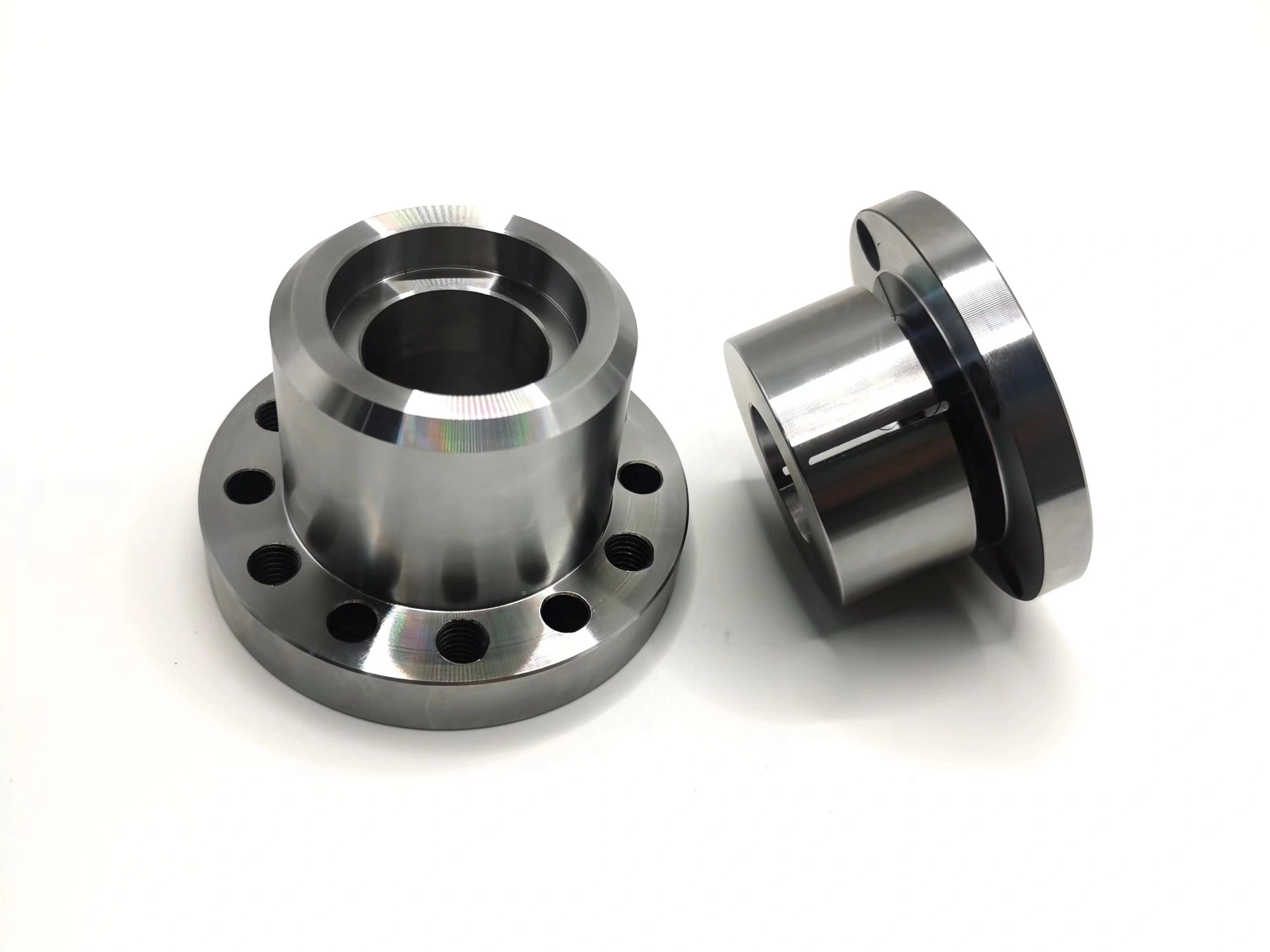
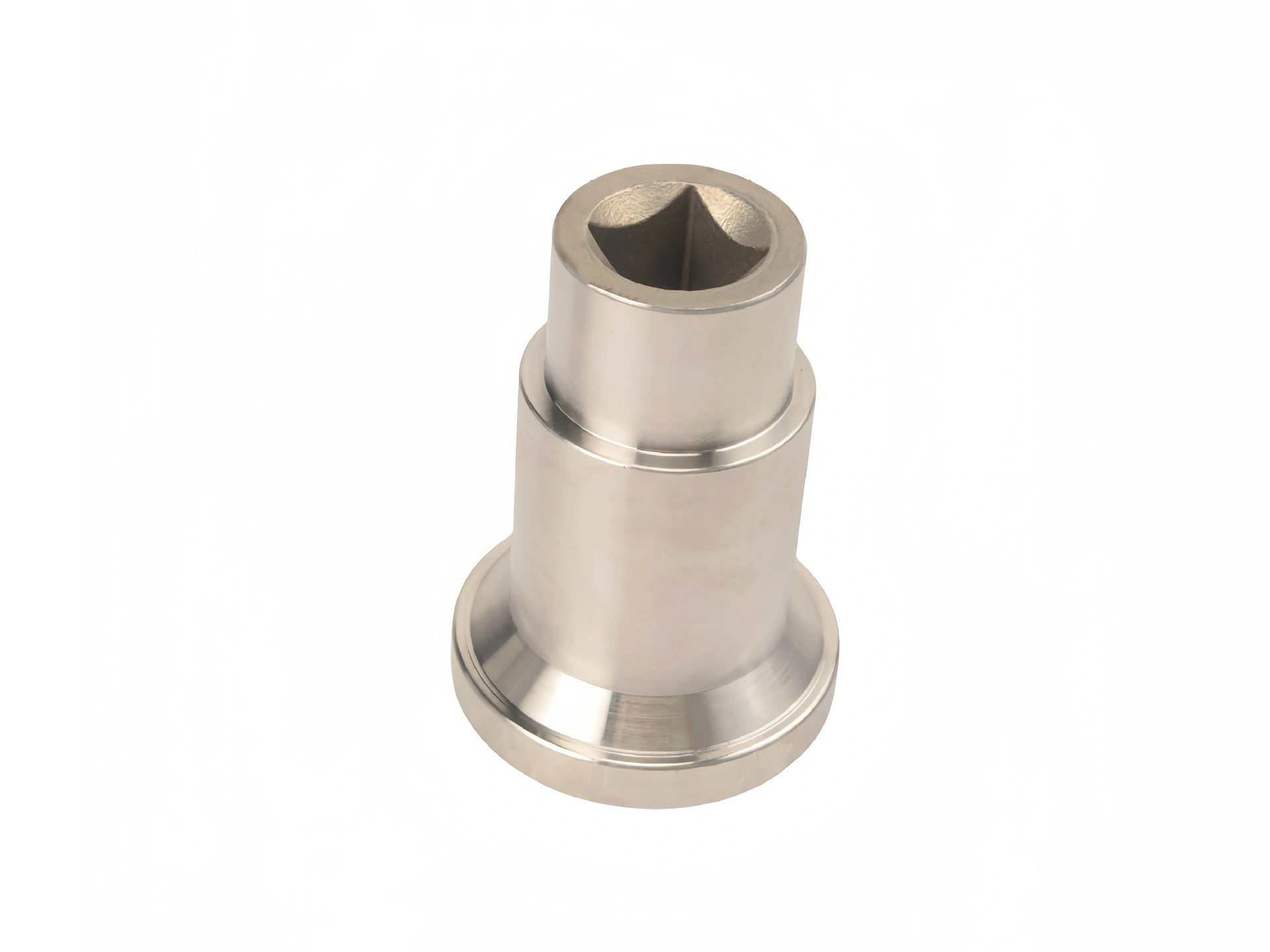
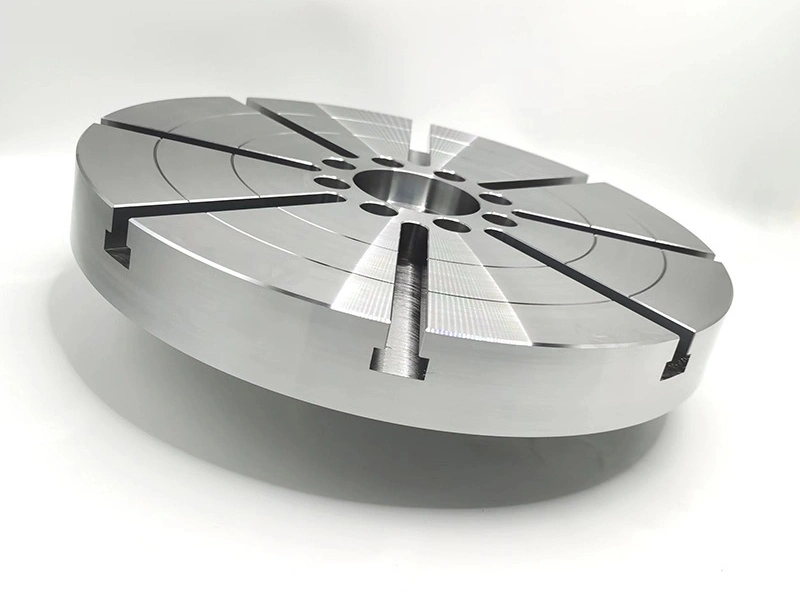
For a compact clamp-like assembly, the pilot might determine whether the base and upright plate seat consistently, whether the raised pad is measured supported or free, and whether side hardware changes the locating condition. The photographs show geometry only; they do not establish material, load, or tolerance. Put the functional interpretation, mating hardware, and assembly state in the drawing or RFQ rather than deriving them from the image.
Lock Revision and Material Before First Piece
Use one revision identifier across the controlled drawing, model, setup sheet, inspection template, program reference, material record, and package label. Confirm the material designation and condition before stock is cut. A material certificate supports identity within its stated scope, but it cannot prove finished dimensions, flatness, roughness, hardness after processing, or assembly fit. If an alternate condition is considered, record the approval path and the CTQs that must be rechecked.
Before the first piece, verify fixture configuration, locator cleanliness, tool list, offset convention, and measurement temperature or support state when relevant. Record any adjustment and identify whether it changes a documented offset or changes the process definition. Keep the pre-adjustment result when it explains the learning. This prevents a later reviewer from mistaking an undocumented correction for a stable route.
Convert Learning Into Repeat Controls
At pilot close, classify every observation as a controlled requirement, a process control, a monitoring item, or a discarded assumption. A datum-transfer finding may become a setup check; a burr observation may become an edge-treatment requirement; a coating change may become a before-and-after inspection field. Do not promote a temporary prototype dimension to a production requirement without drawing approval. The repeat route should show which checks are 100% and which are sampled, with a reaction rule for drift.
Tool life and fixture maintenance need measurable triggers. Use count, observed edge condition, drift, or a documented preventive interval rather than an unsupported universal life claim. When a tool, locator, or clamp direction changes, identify affected CTQs and perform the required recheck. A repeat lot is stable only when the same evidence remains available after these ordinary events.
Separate Pilot Evidence From Repeat Evidence
| Stage | Primary question | Evidence to retain |
|---|---|---|
| Pilot | Can the approved route make and measure the CTQs? | First-piece results, setup review, learning actions |
| First repeat | Do controls survive a new lot and material replenishment? | Lot-linked CTQ report and change review |
| Ongoing small lots | Do sampling and reactions detect drift? | Sampling plan, tool/fixture events, dispositions |
The table is a decision aid, not a statistical capability claim. Define when a failed sample contains the lot, when inspection expands, and who can approve a deviation. A dimensional report does not silently prove a functional check; a fit check does not prove every positional or form characteristic. Keep evidence types distinct and state how they combine for release.
Write the Transition Into the RFQ
Attach the controlled drawing and model, quantity window, forecast, material and condition, stock limits, datums, CTQs, surface and edge requirements, outside processing, packaging, sampling, records, and milestone dates. Ask for separate pilot and repeat pricing, setup count, fixture assumptions, inspection method, and events that reopen qualification. Require notification before changes to material, fixture, program, tool, route, processor, inspection method, packaging, or ownership.
Ask the supplier to state the point at which a different fixture or automation strategy becomes economical. A low-volume manufacturing scope should make one-time qualification visible without hiding recurring inspection or packaging. If the route later approaches higher demand, compare it with a mass-production planning reference rather than assuming that scale is automatic.
Buyer Action
Approve the pilot question, revision, material state, fixture configuration, CTQ evidence, and reaction plan before cutting. At close, sign which learning becomes controlled and which remains an open action. Release the first repeat lot only when its records match the approved revision and the required rechecks are complete. This creates a repeatable low-volume route without claiming more certainty than the evidence supports.