
English
Which Types of Components Are Best Suited for High Volume Production Machining?
Table of Contents
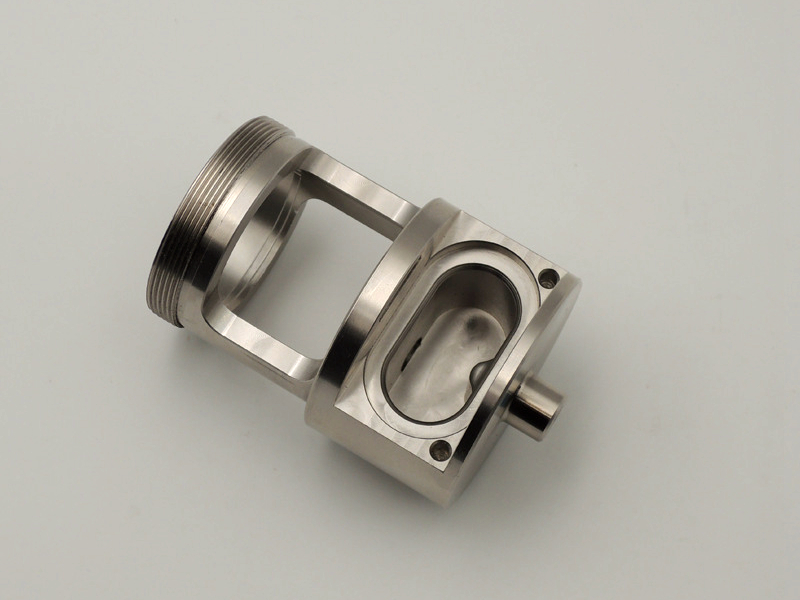
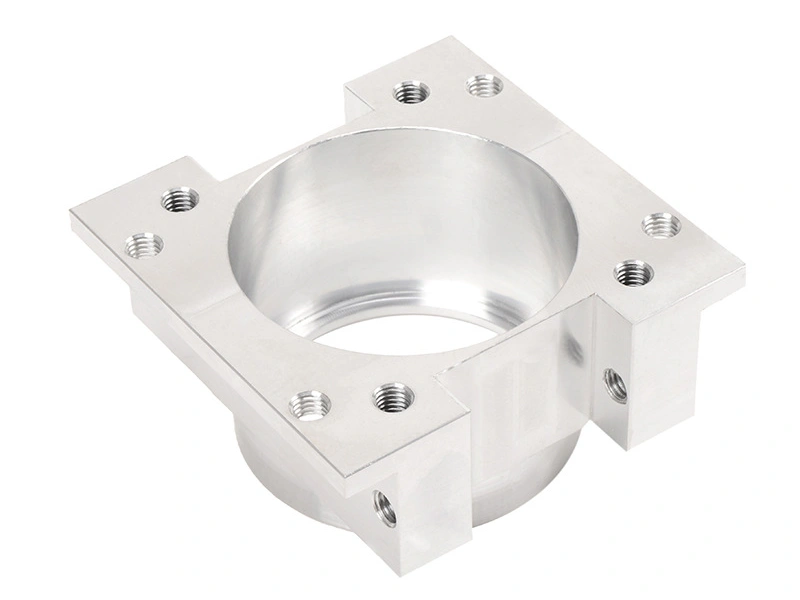
<h2 id="vhoy75"><a target="_blank" href="https://www.newaymachining.com/services/cnc-machining/faq-which-types-of-components-are-best-suited-for-high-volume-production-machining"><img src="https://www.newaymachining.com/storage/attachments/2026/04/24/Which Types of Components Are Best Suited for High Volume Production Machining.webp" alt="Components suited to high-volume production machining" width="800" height="600" loading="lazy"></a></h2><h2 id="which-types-of-components-are-best-suited-for-high-volume-production-machining?">Which Types of Components Are Best Suited for High Volume Production Machining?</h2><p>The components best suited for <a target="_blank" href="https://www.newaymachining.com/services/mass-production">high volume production machining</a> combine repeat demand with bores, threads, sealing faces, datum relationships, or finished surfaces that CNC can produce and verify efficiently. Typical candidates include shafts, valve bodies, manifolds, connector bodies, mounting blocks, and precision housings used in <a target="_blank" href="https://www.newaymachining.com/solutions/automotive">automotive</a>, <a target="_blank" href="https://www.newaymachining.com/solutions/consumer-products">consumer products</a>, and industrial assemblies. The released geometry must also support stable workholding, controlled tool access, and practical inspection.</p><p>Part names and annual quantity do not settle the process choice. Buyers should compare demand stability, material form, stock removal, CTQ content, design-change exposure, tooling investment, secondary operations, yield, and inspection burden. Thin shells or near-net shapes may favor casting, forging, molding, or stamping followed by selective machining.</p><h3 id="1.-what-makes-a-part-a-good-candidate-for-high-volume-production-machining?">1. What Makes a Part a Good Candidate for High Volume Production Machining?</h3><p>A good candidate has valuable machined features, repeatable datums, accessible cutting paths, and demand sufficient to justify dedicated process engineering. The route should hold the released feature relationships without relying on manual fitting, unrestricted offset changes, or final sorting.</p><p>Evaluate the complete part state, not only the cutting operation. Raw-material variation, heat treatment, deburring, coating, cleaning, and inspection can change functional dimensions or lot yield. A component remains suitable only when those steps can be controlled and traced through release.</p><div class="i-typography-table-responsive"><table><tbody><tr><th colspan="1" rowspan="1"><p>Good CNC Mass Production Characteristic</p></th><th colspan="1" rowspan="1"><p>Why It Fits High-Volume Machining</p></th></tr><tr><td colspan="1" rowspan="1"><p>CTQ bores, threads, or sealing faces</p></td><td colspan="1" rowspan="1"><p>CNC preserves defined feature relationships when measurement and reaction methods suit the specification</p></td></tr><tr><td colspan="1" rowspan="1"><p>Stable locating and clamping surfaces</p></td><td colspan="1" rowspan="1"><p>Fixtures can reproduce the released datums without unacceptable distortion or seating variation</p></td></tr><tr><td colspan="1" rowspan="1"><p>Reasonable stock-to-finished geometry</p></td><td colspan="1" rowspan="1"><p>Material removal, chip control, cycle exposure, and yield remain competitive with a near-net route</p></td></tr><tr><td colspan="1" rowspan="1"><p>Committed demand with controlled revisions</p></td><td colspan="1" rowspan="1"><p>Dedicated fixtures, tools, probing, and inspection planning can be justified without trapping an unstable design</p></td></tr></tbody></table></div><h3 id="2.-automotive-components-are-one-of-the-strongest-fits-for-high-volume-cnc-production">2. Automotive Components Are One of the Strongest Fits for High-Volume CNC Production</h3><p>In <a target="_blank" href="https://www.newaymachining.com/solutions/automotive">automotive</a> applications, machined shafts, fluid connectors, sensor housings, brackets, and actuator bodies can fit high-volume CNC when their CTQs remain measurable through the specified final state. Suitability depends on the drawing, material route, traceability, change control, and product-specific approval requirements.</p><p>A forging or casting may create the bulk shape, while CNC finishes bearing seats, sealing diameters, threads, and mounting datums. This hybrid route is often more relevant than choosing between machining and forming as mutually exclusive options. Buyers should compare total accepted-part cost and validation scope.</p><h3 id="3.-consumer-product-components-fit-high-volume-machining-when-appearance-and-precision-both-matter">3. Consumer Product Components Fit High-Volume Machining When Appearance and Precision Both Matter</h3><p>For <a target="_blank" href="https://www.newaymachining.com/solutions/consumer-products">consumer products</a>, aluminum frames, heat sinks, control bodies, camera mounts, and premium enclosures can suit high-volume machining when appearance and assembly interfaces share the same geometry. Cosmetic acceptance must be defined separately from dimensional and functional acceptance.</p><p>Anodizing, blasting, polishing, or coating may expose tool marks, round edges, change thread fit, or reduce bore size. The production decision should therefore include finish-lot control, protected datums, handling criteria, and inspection after the operation that creates the accepted condition.</p><h3 id="4.-industrial-components-are-well-suited-when-function-and-service-reliability-are-more-important-than-simple-shape-cost">4. Industrial Components Are Well Suited When Function and Service Reliability Are More Important Than Simple Shape Cost</h3><p>Valve bodies, manifolds, pump blocks, bushings, shafts, and mounting interfaces are suitable when machined passages, sealing features, alignment, or service replacement justify repeat precision. External shape simplicity does not remove the need to control cross-holes, burrs, threads, bore relationships, or sealing surfaces.</p><p>Material condition and downstream cleaning can decide whether the route works. A conforming dimension does not release a fluid component if an intersecting passage retains a burr or contamination. Inspection and cleanliness evidence must match the functional risk and purchase specification.</p><div class="i-typography-table-responsive"><table><tbody><tr><th colspan="1" rowspan="1"><p>Industry</p></th><th colspan="1" rowspan="1"><p>Typical High-Volume CNC Components</p></th><th colspan="1" rowspan="1"><p>Main Production Priority</p></th></tr><tr><td colspan="1" rowspan="1"><p><a target="_blank" href="https://www.newaymachining.com/solutions/automotive">Automotive</a></p></td><td colspan="1" rowspan="1"><p>Shafts, fluid connectors, actuator bodies, and machined interfaces</p></td><td colspan="1" rowspan="1"><p>Released CTQs, material trace, change control, and applicable product approval evidence</p></td></tr><tr><td colspan="1" rowspan="1"><p><a target="_blank" href="https://www.newaymachining.com/solutions/consumer-products">Consumer Products</a></p></td><td colspan="1" rowspan="1"><p>Frames, heat sinks, enclosures, and visible structural bodies</p></td><td colspan="1" rowspan="1"><p>Separate cosmetic criteria, assembly interfaces, finish effects, and handling controls</p></td></tr><tr><td colspan="1" rowspan="1"><p>Industrial Components</p></td><td colspan="1" rowspan="1"><p>Valve bodies, manifolds, bushings, shafts, and mounting blocks</p></td><td colspan="1" rowspan="1"><p>Sealing, passage condition, alignment, cleanliness, and service requirements</p></td></tr></tbody></table></div><h3 id="5.-which-structural-features-make-a-part-more-suitable-for-continuous-cnc-mass-production?">5. Which Structural Features Make a Part More Suitable for Continuous CNC Mass Production?</h3><p>Parts suit continuous CNC production when the released datums can be located without unstable restraint and the required features remain reachable, supported, and measurable. Moderate depth-to-diameter features, controlled walls, chip-clearance paths, and consistent stock normally reduce process sensitivity.</p><p>Deep intersecting holes, slender walls, interrupted cuts, inaccessible burrs, and large stock removal do not automatically disqualify a part. They increase fixture, tool-life, evacuation, distortion, and verification demands. A representative pilot should confirm the planned material condition, route, final finish, and measurement setup.</p><h3 id="6.-parts-that-still-need-machined-critical-features-often-remain-good-cnc-candidates-even-at-high-volume">6. Parts That Still Need Machined Critical Features Often Remain Good CNC Candidates Even at High Volume</h3><p>High demand does not eliminate CNC when the accepted part still depends on machined CTQs. Near-net blanks can reduce material and cycle exposure, while machining retains control of interfaces that casting, forging, molding, or stamping cannot deliver in the required state.</p><p>Compare a pure bar-stock route with credible hybrid alternatives using the same drawing revision and acceptance basis. Record tooling, blank variation, machining allowance, secondary operations, inspection, launch risk, yield disposition, and design-change cost. A quoted unit price without these boundaries can favor the wrong route.</p><h3 id="7.-when-is-a-part-better-suited-to-switch-from-cnc-to-a-tooling-based-process?">7. When Is a Part Better Suited to Switch from CNC to a Tooling-Based Process?</h3><p>A part should switch when committed demand and design stability justify tooling, the near-net process can control its assigned features, and selective machining can finish the remaining CTQs at lower total accepted-part cost. The decision needs pilot evidence; theoretical material savings alone are insufficient.</p><p>Consider a brass valve body with threads, a sealing cone, and intersecting passages. Compare bar-stock CNC with forged-blank machining for blank variation, machining allowance, flash location, datum strategy, burr access, leak-path inspection, tool investment, yield, and revision exposure. Approve the route that validates the released interfaces and lot controls.</p><div class="i-typography-table-responsive"><table><tbody><tr><th colspan="1" rowspan="1"><p>Condition</p></th><th colspan="1" rowspan="1"><p>Better Long-Term Direction</p></th><th colspan="1" rowspan="1"><p>Main Reason</p></th></tr><tr><td colspan="1" rowspan="1"><p>Machined CTQs dominate risk and value</p></td><td colspan="1" rowspan="1"><p><a target="_blank" href="https://www.newaymachining.com/services/mass-production">High-volume CNC machining</a></p></td><td colspan="1" rowspan="1"><p>Retain flexible control while proving fixture, tool-life, measurement, and yield evidence</p></td></tr><tr><td colspan="1" rowspan="1"><p>Stable demand and geometry suit a near-net blank</p></td><td colspan="1" rowspan="1"><p>Tooling-based primary process plus selective CNC</p></td><td colspan="1" rowspan="1"><p>Reduce stock removal after blank capability and secondary CTQs are validated</p></td></tr><tr><td colspan="1" rowspan="1"><p>Revision, demand, or acceptance remains unsettled</p></td><td colspan="1" rowspan="1"><p>Keep the current flexible route</p></td><td colspan="1" rowspan="1"><p>Avoid tooling lock-in until authority, volume, and acceptance evidence are released</p></td></tr></tbody></table></div><h3 id="8.-the-best-candidates-for-high-volume-cnc-machining-usually-balance-demand-with-precision-need">8. The Best Candidates for High-Volume CNC Machining Usually Balance Demand with Precision Need</h3><p>The strongest candidates balance demand, feature value, route stability, and accepted-part economics. High utilization cannot rescue a route burdened by excessive scrap, unstable blanks, manual rework, inaccessible inspection, or frequent revisions.</p><p>An RFQ should state forecast ranges and commitment, drawing revision, material grade and condition, CTQs, datum scheme, finish state, cosmetic zones, cleanliness, inspection and record requirements, lot definition, packaging, and approved changes. Ask suppliers to identify alternative blank routes, assumptions, validation gates, and cost breakpoints.</p><h3 id="9.-summary">9. Summary</h3><p>The best components for <a target="_blank" href="https://www.newaymachining.com/services/mass-production">high volume production machining</a> have repeat demand, valuable machined interfaces, stable datums, accessible features, and a controllable final-state inspection route. Examples include <a target="_blank" href="https://www.newaymachining.com/solutions/automotive">automotive</a> shafts and connectors, <a target="_blank" href="https://www.newaymachining.com/solutions/consumer-products">consumer product</a> frames and enclosures, and industrial valve or manifold bodies.</p><p>The buyer's decision is a route comparison, not a category label. Retain pure CNC when flexibility and machined CTQs dominate; validate a hybrid or tooling-based route when stable demand and near-net geometry reduce total accepted-part cost. Release production only after representative parts prove the final interfaces, yield boundaries, inspection method, and reaction plan.</p>
<h2 id="vhoy75"><a target="_blank" href="https://www.newaymachining.com/services/cnc-machining/faq-which-types-of-components-are-best-suited-for-high-volume-production-machining"><img src="https://www.newaymachining.com/storage/attachments/2026/04/24/Which Types of Components Are Best Suited for High Volume Production Machining.webp" alt="Components suited to high-volume production machining" width="800" height="600" loading="lazy"></a></h2><h2 id="which-types-of-components-are-best-suited-for-high-volume-production-machining?">Which Types of Components Are Best Suited for High Volume Production Machining?</h2><p>The components best suited for <a target="_blank" href="https://www.newaymachining.com/services/mass-production">high volume production machining</a> combine repeat demand with bores, threads, sealing faces, datum relationships, or finished surfaces that CNC can produce and verify efficiently. Typical candidates include shafts, valve bodies, manifolds, connector bodies, mounting blocks, and precision housings used in <a target="_blank" href="https://www.newaymachining.com/solutions/automotive">automotive</a>, <a target="_blank" href="https://www.newaymachining.com/solutions/consumer-products">consumer products</a>, and industrial assemblies. The released geometry must also support stable workholding, controlled tool access, and practical inspection.</p><p>Part names and annual quantity do not settle the process choice. Buyers should compare demand stability, material form, stock removal, CTQ content, design-change exposure, tooling investment, secondary operations, yield, and inspection burden. Thin shells or near-net shapes may favor casting, forging, molding, or stamping followed by selective machining.</p><h3 id="1.-what-makes-a-part-a-good-candidate-for-high-volume-production-machining?">1. What Makes a Part a Good Candidate for High Volume Production Machining?</h3><p>A good candidate has valuable machined features, repeatable datums, accessible cutting paths, and demand sufficient to justify dedicated process engineering. The route should hold the released feature relationships without relying on manual fitting, unrestricted offset changes, or final sorting.</p><p>Evaluate the complete part state, not only the cutting operation. Raw-material variation, heat treatment, deburring, coating, cleaning, and inspection can change functional dimensions or lot yield. A component remains suitable only when those steps can be controlled and traced through release.</p><div class="i-typography-table-responsive"><table><tbody><tr><th colspan="1" rowspan="1"><p>Good CNC Mass Production Characteristic</p></th><th colspan="1" rowspan="1"><p>Why It Fits High-Volume Machining</p></th></tr><tr><td colspan="1" rowspan="1"><p>CTQ bores, threads, or sealing faces</p></td><td colspan="1" rowspan="1"><p>CNC preserves defined feature relationships when measurement and reaction methods suit the specification</p></td></tr><tr><td colspan="1" rowspan="1"><p>Stable locating and clamping surfaces</p></td><td colspan="1" rowspan="1"><p>Fixtures can reproduce the released datums without unacceptable distortion or seating variation</p></td></tr><tr><td colspan="1" rowspan="1"><p>Reasonable stock-to-finished geometry</p></td><td colspan="1" rowspan="1"><p>Material removal, chip control, cycle exposure, and yield remain competitive with a near-net route</p></td></tr><tr><td colspan="1" rowspan="1"><p>Committed demand with controlled revisions</p></td><td colspan="1" rowspan="1"><p>Dedicated fixtures, tools, probing, and inspection planning can be justified without trapping an unstable design</p></td></tr></tbody></table></div><h3 id="2.-automotive-components-are-one-of-the-strongest-fits-for-high-volume-cnc-production">2. Automotive Components Are One of the Strongest Fits for High-Volume CNC Production</h3><p>In <a target="_blank" href="https://www.newaymachining.com/solutions/automotive">automotive</a> applications, machined shafts, fluid connectors, sensor housings, brackets, and actuator bodies can fit high-volume CNC when their CTQs remain measurable through the specified final state. Suitability depends on the drawing, material route, traceability, change control, and product-specific approval requirements.</p><p>A forging or casting may create the bulk shape, while CNC finishes bearing seats, sealing diameters, threads, and mounting datums. This hybrid route is often more relevant than choosing between machining and forming as mutually exclusive options. Buyers should compare total accepted-part cost and validation scope.</p><h3 id="3.-consumer-product-components-fit-high-volume-machining-when-appearance-and-precision-both-matter">3. Consumer Product Components Fit High-Volume Machining When Appearance and Precision Both Matter</h3><p>For <a target="_blank" href="https://www.newaymachining.com/solutions/consumer-products">consumer products</a>, aluminum frames, heat sinks, control bodies, camera mounts, and premium enclosures can suit high-volume machining when appearance and assembly interfaces share the same geometry. Cosmetic acceptance must be defined separately from dimensional and functional acceptance.</p><p>Anodizing, blasting, polishing, or coating may expose tool marks, round edges, change thread fit, or reduce bore size. The production decision should therefore include finish-lot control, protected datums, handling criteria, and inspection after the operation that creates the accepted condition.</p><h3 id="4.-industrial-components-are-well-suited-when-function-and-service-reliability-are-more-important-than-simple-shape-cost">4. Industrial Components Are Well Suited When Function and Service Reliability Are More Important Than Simple Shape Cost</h3><p>Valve bodies, manifolds, pump blocks, bushings, shafts, and mounting interfaces are suitable when machined passages, sealing features, alignment, or service replacement justify repeat precision. External shape simplicity does not remove the need to control cross-holes, burrs, threads, bore relationships, or sealing surfaces.</p><p>Material condition and downstream cleaning can decide whether the route works. A conforming dimension does not release a fluid component if an intersecting passage retains a burr or contamination. Inspection and cleanliness evidence must match the functional risk and purchase specification.</p><div class="i-typography-table-responsive"><table><tbody><tr><th colspan="1" rowspan="1"><p>Industry</p></th><th colspan="1" rowspan="1"><p>Typical High-Volume CNC Components</p></th><th colspan="1" rowspan="1"><p>Main Production Priority</p></th></tr><tr><td colspan="1" rowspan="1"><p><a target="_blank" href="https://www.newaymachining.com/solutions/automotive">Automotive</a></p></td><td colspan="1" rowspan="1"><p>Shafts, fluid connectors, actuator bodies, and machined interfaces</p></td><td colspan="1" rowspan="1"><p>Released CTQs, material trace, change control, and applicable product approval evidence</p></td></tr><tr><td colspan="1" rowspan="1"><p><a target="_blank" href="https://www.newaymachining.com/solutions/consumer-products">Consumer Products</a></p></td><td colspan="1" rowspan="1"><p>Frames, heat sinks, enclosures, and visible structural bodies</p></td><td colspan="1" rowspan="1"><p>Separate cosmetic criteria, assembly interfaces, finish effects, and handling controls</p></td></tr><tr><td colspan="1" rowspan="1"><p>Industrial Components</p></td><td colspan="1" rowspan="1"><p>Valve bodies, manifolds, bushings, shafts, and mounting blocks</p></td><td colspan="1" rowspan="1"><p>Sealing, passage condition, alignment, cleanliness, and service requirements</p></td></tr></tbody></table></div><h3 id="5.-which-structural-features-make-a-part-more-suitable-for-continuous-cnc-mass-production?">5. Which Structural Features Make a Part More Suitable for Continuous CNC Mass Production?</h3><p>Parts suit continuous CNC production when the released datums can be located without unstable restraint and the required features remain reachable, supported, and measurable. Moderate depth-to-diameter features, controlled walls, chip-clearance paths, and consistent stock normally reduce process sensitivity.</p><p>Deep intersecting holes, slender walls, interrupted cuts, inaccessible burrs, and large stock removal do not automatically disqualify a part. They increase fixture, tool-life, evacuation, distortion, and verification demands. A representative pilot should confirm the planned material condition, route, final finish, and measurement setup.</p><h3 id="6.-parts-that-still-need-machined-critical-features-often-remain-good-cnc-candidates-even-at-high-volume">6. Parts That Still Need Machined Critical Features Often Remain Good CNC Candidates Even at High Volume</h3><p>High demand does not eliminate CNC when the accepted part still depends on machined CTQs. Near-net blanks can reduce material and cycle exposure, while machining retains control of interfaces that casting, forging, molding, or stamping cannot deliver in the required state.</p><p>Compare a pure bar-stock route with credible hybrid alternatives using the same drawing revision and acceptance basis. Record tooling, blank variation, machining allowance, secondary operations, inspection, launch risk, yield disposition, and design-change cost. A quoted unit price without these boundaries can favor the wrong route.</p><h3 id="7.-when-is-a-part-better-suited-to-switch-from-cnc-to-a-tooling-based-process?">7. When Is a Part Better Suited to Switch from CNC to a Tooling-Based Process?</h3><p>A part should switch when committed demand and design stability justify tooling, the near-net process can control its assigned features, and selective machining can finish the remaining CTQs at lower total accepted-part cost. The decision needs pilot evidence; theoretical material savings alone are insufficient.</p><p>Consider a brass valve body with threads, a sealing cone, and intersecting passages. Compare bar-stock CNC with forged-blank machining for blank variation, machining allowance, flash location, datum strategy, burr access, leak-path inspection, tool investment, yield, and revision exposure. Approve the route that validates the released interfaces and lot controls.</p><div class="i-typography-table-responsive"><table><tbody><tr><th colspan="1" rowspan="1"><p>Condition</p></th><th colspan="1" rowspan="1"><p>Better Long-Term Direction</p></th><th colspan="1" rowspan="1"><p>Main Reason</p></th></tr><tr><td colspan="1" rowspan="1"><p>Machined CTQs dominate risk and value</p></td><td colspan="1" rowspan="1"><p><a target="_blank" href="https://www.newaymachining.com/services/mass-production">High-volume CNC machining</a></p></td><td colspan="1" rowspan="1"><p>Retain flexible control while proving fixture, tool-life, measurement, and yield evidence</p></td></tr><tr><td colspan="1" rowspan="1"><p>Stable demand and geometry suit a near-net blank</p></td><td colspan="1" rowspan="1"><p>Tooling-based primary process plus selective CNC</p></td><td colspan="1" rowspan="1"><p>Reduce stock removal after blank capability and secondary CTQs are validated</p></td></tr><tr><td colspan="1" rowspan="1"><p>Revision, demand, or acceptance remains unsettled</p></td><td colspan="1" rowspan="1"><p>Keep the current flexible route</p></td><td colspan="1" rowspan="1"><p>Avoid tooling lock-in until authority, volume, and acceptance evidence are released</p></td></tr></tbody></table></div><h3 id="8.-the-best-candidates-for-high-volume-cnc-machining-usually-balance-demand-with-precision-need">8. The Best Candidates for High-Volume CNC Machining Usually Balance Demand with Precision Need</h3><p>The strongest candidates balance demand, feature value, route stability, and accepted-part economics. High utilization cannot rescue a route burdened by excessive scrap, unstable blanks, manual rework, inaccessible inspection, or frequent revisions.</p><p>An RFQ should state forecast ranges and commitment, drawing revision, material grade and condition, CTQs, datum scheme, finish state, cosmetic zones, cleanliness, inspection and record requirements, lot definition, packaging, and approved changes. Ask suppliers to identify alternative blank routes, assumptions, validation gates, and cost breakpoints.</p><h3 id="9.-summary">9. Summary</h3><p>The best components for <a target="_blank" href="https://www.newaymachining.com/services/mass-production">high volume production machining</a> have repeat demand, valuable machined interfaces, stable datums, accessible features, and a controllable final-state inspection route. Examples include <a target="_blank" href="https://www.newaymachining.com/solutions/automotive">automotive</a> shafts and connectors, <a target="_blank" href="https://www.newaymachining.com/solutions/consumer-products">consumer product</a> frames and enclosures, and industrial valve or manifold bodies.</p><p>The buyer's decision is a route comparison, not a category label. Retain pure CNC when flexibility and machined CTQs dominate; validate a hybrid or tooling-based route when stable demand and near-net geometry reduce total accepted-part cost. Release production only after representative parts prove the final interfaces, yield boundaries, inspection method, and reaction plan.</p>
Related Blogs
Subscribe for expert design and manufacturing tips delivered to your inbox.
Share this Post:
Neway Precision Works Ltd.
No.3 Lefushan Industry West Road
Fenggang, Dongguan, China
ZIP 523000
Solutions
Copyright © 2026 Machining Precision Works Ltd.All Rights Reserved.