Which Material and Stock Details Belong in a Precision-Parts RFQ?
Which Material and Stock Details Belong in a Precision-Parts RFQ?
A precision-parts RFQ should state material designation, condition, stock form, certificate expectations, heat or lot identity, finish state, critical features, and the changes that require approval. Material and stock details affect cutting force, distortion, burrs, tool life, inspection stability, and cost. A photograph cannot prove an alloy or temper, and a generic material name is not enough for a comparable quote. The buyer should provide the controlled drawing and identify which material conclusions are essential to fit, strength, corrosion, or processing.
Name the Material Precisely
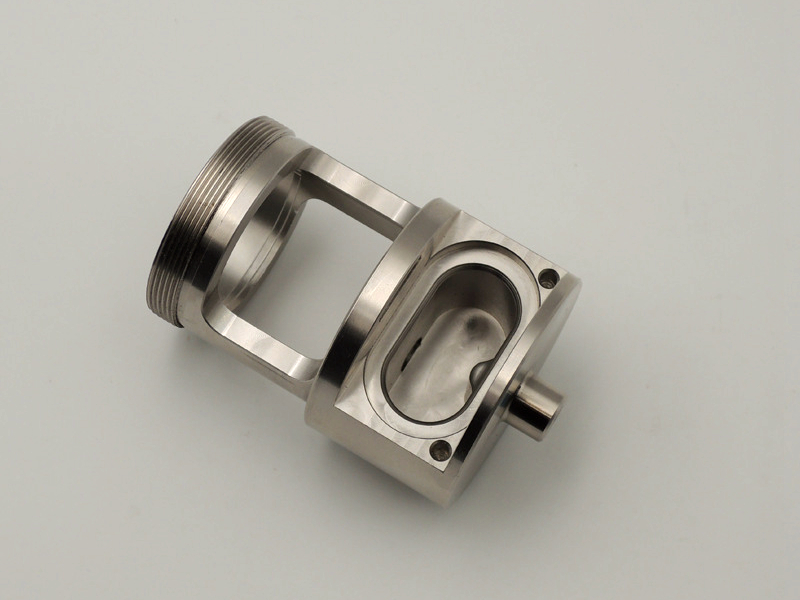
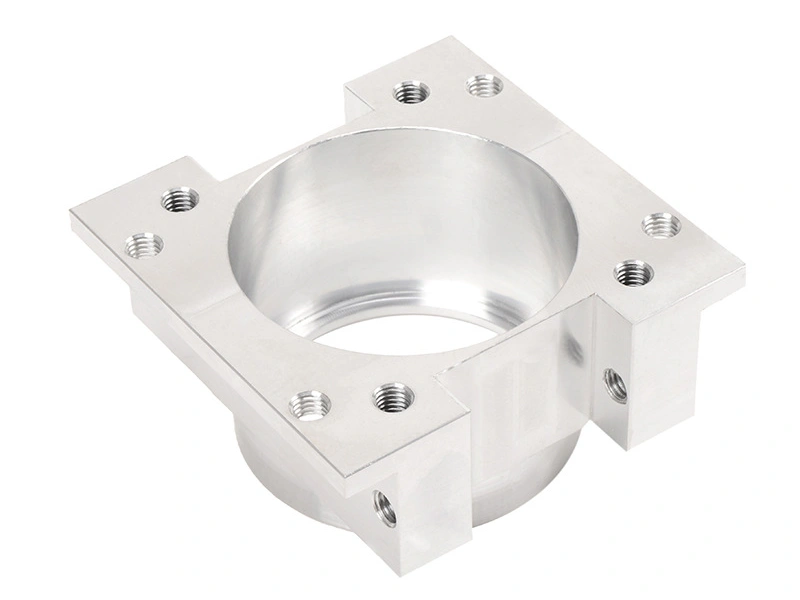
Use the designation and applicable condition shown on the drawing or specification. State temper, hardness range, heat treatment, stress relief, aging, coating, or passivation when those states influence the part. If an equivalent grade is acceptable, define the evidence and approval needed before substitution. A supplier should not infer alloy, hardness, or performance from the silver appearance of the bent bracket in the paired images.
Identify the certificate or traceability record required for each lot. State whether the certificate must show heat number, chemistry, mechanical condition, processor, or only identity. The record should connect to the units or sub-lot used for machining. If material is split between lots, preserve the split in the traveler and inspection report so results are not averaged across unlike states.
Describe Stock Form and Allowance
Specify plate, bar, tube, forging, casting, or remnant form and the starting dimensions where they affect access or stability. State required cleanup allowance, flatness, straightness, surface scale, and edge condition. A long bracket base and upright wall can move when stock stress is released, while insufficient stock can leave a damaged or coated layer. The supplier should identify how the proposed stock supports the datum and critical features.
Ask whether the quote assumes a full bar or plate purchase, a remnant, or a standard size. Material utilization affects cost and may change grain direction or the amount of support. A lower material charge is not evidence that the resulting state is equivalent. Mark any remnant or substitute as a controlled deviation with a defined inspection or approval action.
Connect Condition to the Process
Material condition influences tool selection, feed and speed, burr formation, heat, distortion, and achievable surface. The RFQ should ask the supplier to state assumptions about tool projection, coolant, support, roughing allowance, stress relief, and intermediate inspection without turning a process proposal into a capability guarantee. If heat treatment follows machining, define whether critical geometry is accepted before, after, or in both states.
For a bracket with holes and an upright wall, record whether the stock is pre-stabilized and whether the wall will be supported during finishing. A changed temper or heat-treatment cycle can move the wall-to-base relationship even when the toolpath is unchanged. The buyer should decide which dimensions and functional checks repeat after the state change.
State Surface and Finish Requirements
Separate machined texture, roughness, edge break, burr, marking, corrosion protection, paint, coating, and delivered cleanliness. State where a surface is functional and where it is cosmetic. If a coating or finish follows machining, identify specification, thickness or acceptance method when applicable, masking, processor, batch, and before-and-after checks. A visual match to the image cannot prove roughness or coating thickness.
Define cleaning and packaging because residue or contact can affect a precision feature. Specify whether the part is measured dry, oiled, coated, or assembled. Record separators, labels, corrosion protection, and receiving inspection. A quote that omits delivered state may look comparable while placing different risk on the buyer.
Link Material to Critical Features
List the features whose behavior depends on material or stock: thin walls, holes, threads, press fits, spring elements, sealing faces, datum surfaces, and machined profiles. For each, state the failure risk and evidence. A position result can be valid while a material substitution changes stiffness; a smooth surface can be visible while hardness remains unknown. Keep material evidence and geometric evidence connected but not interchangeable.
When a feature is difficult to inspect, define the alternate method and boundary. A CMM report proves geometry within its datum and method; a certificate proves material identity within its scope. Neither proves the other.
Control Substitutions and Changes
Require notification before changing material grade, condition, stock source, stock form, heat treatment, coating, cleaning, or packaging. The change record should identify affected units, operation, fixture, program, inspection, outside processor, cost, schedule, approver, and evidence needed. A documentation-only decision is appropriate only when the physical state and acceptance evidence are unchanged. Otherwise, use remeasure, fit check, process trial, or broader requalification.
Segregate original, substituted, reworked, and replacement units. Keep the original inspection and material record beside the new result. If identity is lost, hold the affected range and expand inspection or replace it. Do not erase a failed value because a substitute later passed a different check.
Request a Comparable RFQ Response
Provide the controlled drawing and model, material designation and condition, stock form, certificate requirement, quantity, critical features, finish, inspection, outside processing, packaging, milestones, and change authority. Ask suppliers to state material lead time, minimum buy assumptions, remnant use, process-state changes, and evidence delivered with the lot. Request a redacted material trace and inspection format rather than an unsupported “equivalent” statement.
Ask which conclusions transfer if the requested material is unavailable. A supplier may propose a trial on an alternate condition, but the buyer should approve the purpose and acceptance boundary before cutting. Keep price and delivery scenarios tied to the same material and stock assumptions so a quote comparison remains meaningful.
Approve Material Scope Before Cutting
Approve the RFQ when designation, condition, stock form, traceability, critical-feature risks, finish state, inspection, packaging, and change authority are explicit. Hold it when a generic alloy name hides temper, a remnant assumption is unstated, certificates are disconnected from units, or a photograph is used as material proof. The bracket images show visible geometry from two views only. The buyer's next action is to sign the material and stock definition before production.