What’s the best finish for high-temperature CNC-machined parts?
Understanding Thermal Stress in High-Temperature Applications
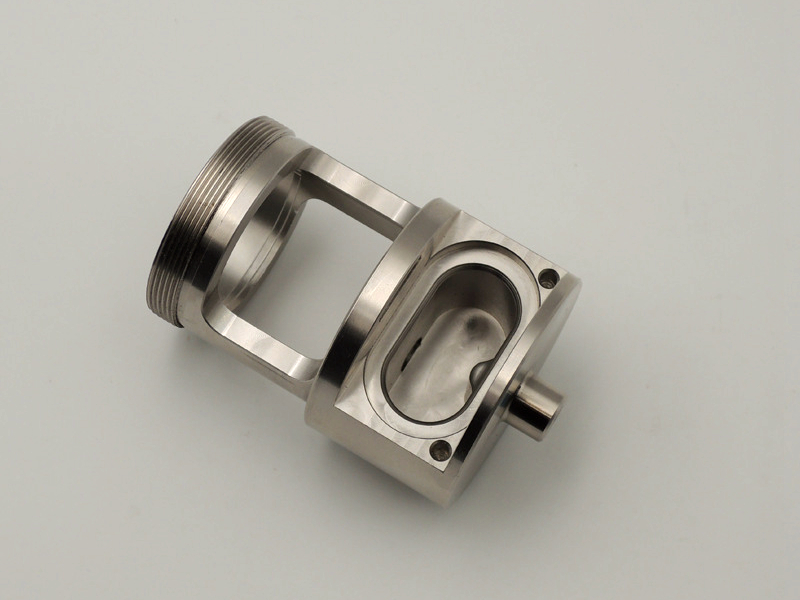
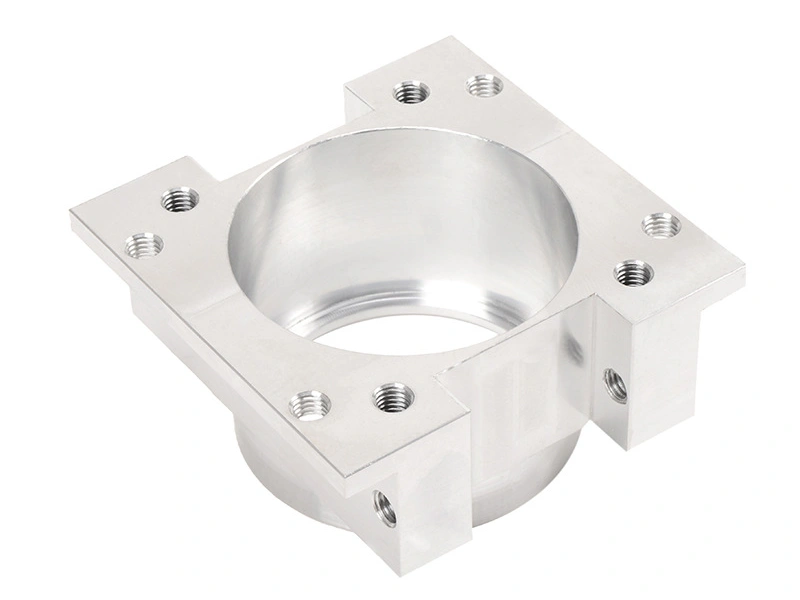
For high-temperature CNC parts, use a qualified ceramic thermal-barrier system when heat flux and oxidation control the risk, nitriding for wear on compatible steels, and alloy-specific diffusion or metallic coatings for oxidation or hot corrosion. No finish is best across every alloy, atmosphere, and duty cycle. Parts used in aerospace and aviation, power generation, and oil and gas can face different combinations of gas temperature, substrate temperature, oxidation, scaling, corrosive deposits, erosion, galling, vibration, and thermal cycling. A coating that survives steady heat can crack or spall during rapid starts and stops if its thermal expansion does not match the substrate. Controlled CNC grinding or precision machining may be required for sealing faces, coating allowance, and final fit. The RFQ should state peak and continuous substrate temperature, cycle profile, atmosphere, heat flux when known, contact wear, allowable coating thickness, and post-heat acceptance method.
Thermal Coating Solutions for Extreme Environments
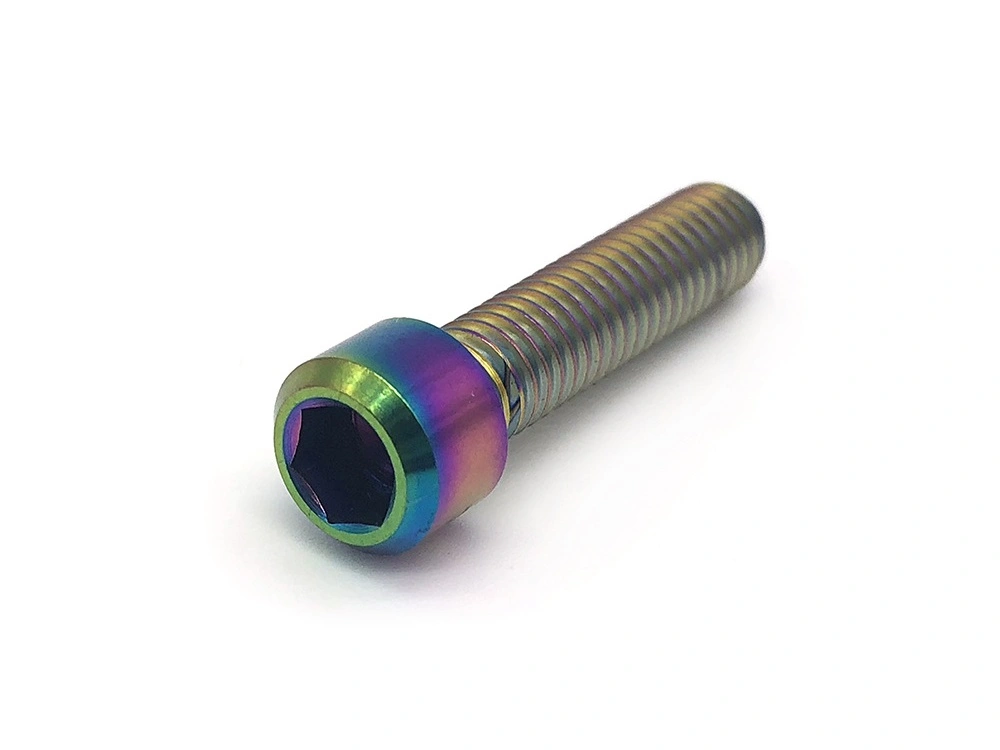
thermal coating services for CNC parts are appropriate only after the controlling failure mode and substrate limit are identified. Ceramic, oxide, carbide, nitride, diffusion, overlay, and metallic bond-coat systems perform different jobs. thermal barrier coatings (TBC) can reduce heat transfer to selected hot-section substrates, but the top coat, bond coat, thermally grown oxide, porosity, thickness, edge geometry, and thermal-expansion mismatch determine durability. Gas temperature alone does not establish a coating rating because cooling, dwell time, cycling, and substrate temperature change the load. ASTM C633 provides a tensile test for adhesion or cohesion strength of thermal-spray coatings; it does not reproduce thermal cycling, erosion, or the exact service atmosphere. Application qualification should therefore pair coating-characterization evidence with representative heat exposure. nitriding can improve surface hardness and wear resistance on suitable steels when composition, prior heat treatment, case requirement, distortion, and compound-layer condition are controlled. It is not a universal thermal or oxidation barrier. phosphating is normally selected for paint adhesion, lubricity, or corrosion control on compatible metals, not as the primary finish for severe hot-section exposure.
Material-Specific Finishing Recommendations
Base-alloy capability and heat-treatment condition usually set the safe operating boundary before a finish is considered. Nickel alloys such as Inconel 718 and Hastelloy C-276 may use diffusion, ceramic, oxide, or metallic systems when oxidation, hot corrosion, or erosion exceeds the uncoated surface requirement. The two alloys are not interchangeable: the drawing must identify the exact grade, condition, atmosphere, and mechanical duty. Cobalt alloys such as Stellite 6 and Stellite 31 are often chosen for hot hardness and wear. Polishing, hardfacing, or coating decisions should preserve the contact geometry and inspect dilution, porosity, cracks, and final hardness when relevant. Titanium parts such as Ti-6Al-4V, can gall and oxidize while substrate strength changes with temperature. Teflon coatings may support release or friction requirements within a supplier-qualified temperature range, but a polymer coating is not a substitute for a high-temperature ceramic, diffusion, or metallic system. Stainless steels such as SUS310 and SUS321 may support oxidation-resistant service under suitable conditions. Weld condition, sensitization, scale growth, atmosphere, thermal expansion, and finished dimensions still require review.
Integration with Machining and Surface Preparation
High-temperature finishing must be integrated with machining, heat treatment, cleaning, masking, coating, and finished-state inspection. Complex superalloy features may use electrical discharge machining (EDM) for slots or cooling details, followed by CNC boring or grinding for alignment and sealing geometry. The process route must address EDM recast layer, microcracks, abrasive contamination, sharp edges, and residual stress before coating. Post-coat polishing or tumbling is not an automatic finishing step because it can thin edge coverage, alter roughness, expose a bond coat, or remove a protective layer. Drawings should mark cooling holes, threads, seal lands, datums, electrical contacts, and areas where coating is prohibited. Finished-state validation can include thickness, hardness, microstructure, adhesion or cohesion, surface condition, dimensions, and functional assembly. Thermal-cycle coupons should use the specified alloy and condition, production-intent surface preparation, and the same coating route. After heat exposure, inspect for oxidation, cracking, spallation, distortion, blocked holes, and loss of seal or fit.
Industry Applications
Industry examples are useful only when they identify the actual thermal and chemical load. In aerospace, nozzle-adjacent housings or hot-section hardware may require oxidation-resistant or thermal-barrier systems under drawing-controlled material and coating specifications. In power generation, combustion, steam, valve, and service-fixture parts face different combinations of scaling, erosion, wear, and cycling. oil and gas valve seats and seals may combine heat with pressure, friction, sour-service restrictions, or corrosive fluids. Consider a validation scenario for a nickel-alloy exhaust flange with a coated gas face, uncoated bolt holes, and a precision seal land. Overspray or excessive bond-coat buildup can protect the hot face yet prevent assembly or sealing. The qualification plan should verify mask boundaries, finished flatness, coating thickness, thermal-cycle condition, spallation, and leak performance before production release.
Conclusion
The best high-temperature finish protects the named failure mode without reducing substrate strength, fit, sealing, or inspectability. A qualified TBC may suit heat flux and oxidation, nitriding may suit wear on selected steels, and diffusion, overlay, or metallic systems may suit oxidation and hot corrosion on compatible alloys. Polymer finishes have narrower temperature boundaries and must follow supplier-qualified conditions. A complete RFQ identifies material and heat treatment, peak and continuous substrate temperature, atmosphere, thermal-cycle profile, pressure or contact load, wear and erosion, coating thickness allowance, masked areas, and acceptance tests. Use a production-intent coupon or first article when the coating system, geometry, or duty cycle is new. Release the finish only after coating evidence and the heated functional part both meet the drawing, assembly, and service requirements.