What Records Support a Repeat Small-Batch CNC Order?
What Records Support a Repeat Small-Batch CNC Order?
A repeat small-batch CNC order is supported by records that connect the approved revision, material state, setup, inspection, outside processing, packaging, cost assumptions, and unit disposition. The goal is not to copy every note from an earlier run. It is to preserve the evidence that lets a buyer decide whether the next lot is the same state, a controlled change, or a new trial. A repeat order should therefore start with a record review, not with a promise that the previous result automatically transfers.
Build a Clear Baseline
Identify the part number, drawing and model revisions, quantity, material designation and condition, stock form, finish, critical features, tests, packaging, and delivery condition from the accepted lot. Give the baseline a lot identifier and connect it to the purchase order, program version, setup sheet, inspection plan, certificates, and release decision. Keep superseded files visible as historical references so a later operator cannot mistake them for the active definition.
Record why the earlier lot was accepted and what it did not prove. A small run may demonstrate fit and geometry while leaving long-term demand, material durability, or a new coating unresolved. Those boundaries belong in the repeat-order review. A clean shipment count alone is not evidence that every process state was stable.
Preserve Material and State Traceability
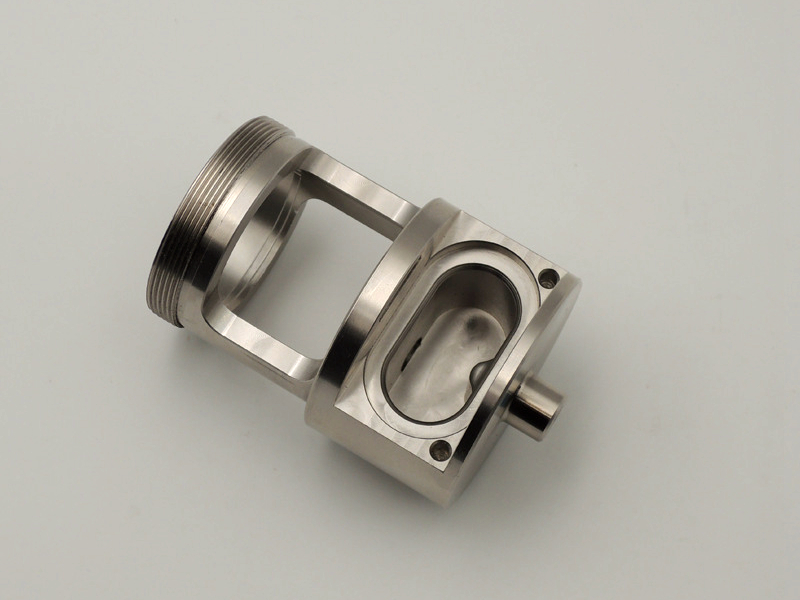
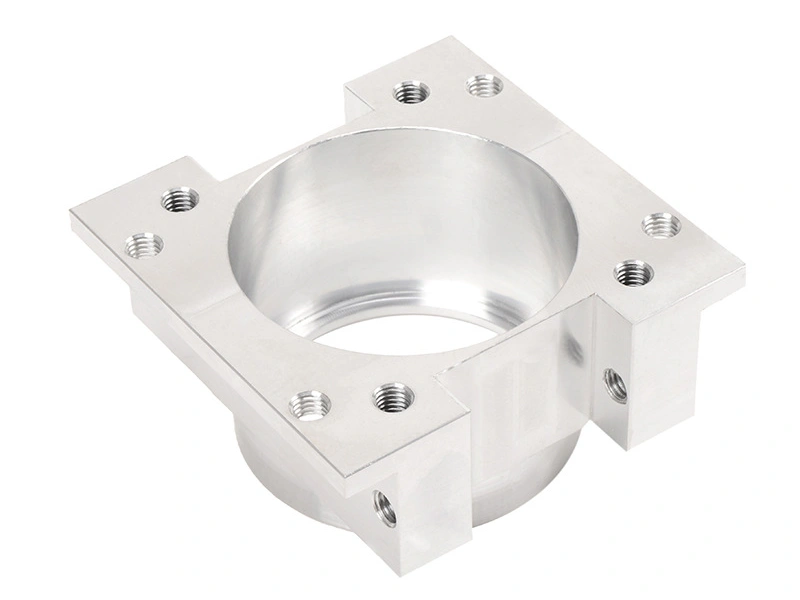
Link each lot to material heat or batch identity, certificate reference, temper or hardness condition, stock source, and any heat treatment or stress relief. Record substitutes and identify which conclusions transfer if a condition changes. The paired images show a small round insert with an opening and stepped circular features from different angles, but cannot establish alloy, hardness, size, or application. Use certificates and controlled records for those claims.
Carry state records through cleaning, coating, packaging, and storage. Note processor, specification, batch, before-and-after checks, and delivered condition. Preserve the relationship between as-machined, post-process, and received records.
Show Setup Continuity or Change
Keep the fixture or jaw identifier, locator surfaces, clamp sequence, support, orientation, machine or program version, tool state, offsets, and setup date. A photograph can show orientation but cannot prove contact or force. Retain the locating logic and identify any shim, manual offset, or temporary support used earlier.
Define the boundary for a setup change. A new machine, jaw set, tool, program origin, reversal, or support may create a new state even when the drawing is unchanged. State which characteristics need first-piece confirmation after the change. If the prior setup cannot be reconstructed, do not claim continuity; classify the next lot as a new learning event and plan evidence accordingly.
Retain Inspection History
Keep unit-linked readings, datum and alignment, instrument identity, calibration status, operator, temperature, cleaning state, timing, sample rule, and reaction to failures. Preserve original values for reworked or replaced units and add the new values beside them. A summary pass/fail sheet is useful for release, but raw values reveal drift, clustering near a limit, or a change after a setup move.
Compare the next lot to the baseline only when revision, material, setup, method, and delivered state are equivalent. If any of these changes, split the comparison by state. A small sample can show a failure mode or shift, but it does not prove long-term capability. State the sample basis and trend limits.
Use a Repeat-Lot First-Piece Gate
Before releasing the repeat lot, inspect a first piece or defined initial sample against the active revision and acceptance plan. Confirm critical size, form, location, opening or thread fit, edge condition, and post-process requirements. Record the release owner and covered units. A passing first piece does not release later units if a tool, fixture, material, or outside-process state changes.
Define reactions before a failure occurs. A burr may allow controlled deburring and reinspection, while a wrong datum relationship may require containment and a new setup review. Identify who can authorize rework, which measurements repeat, and whether neighboring units need expanded inspection. Preserve the failed value and affected range so the cost and yield record remains honest.
Carry Cost and Demand Assumptions
Keep the earlier split of programming, fixture or jaw work, material, cutting, recurring setup, inspection, outside processing, packaging, freight, and engineering changes. Mark which activities were caused by learning and which recur in a repeat lot. If quantity, inspection coverage, material buy, or fixture changes, show a new scenario.
Store demand assumptions separately from manufacturing evidence. Record expected quantity, timing, customer configuration, purchase commitment, actual order, delays, and reason for change. A repeat order is stronger demand evidence than a sample request, but it still does not prove that an unchanged process was used.
Document Every Approved Change
A repeat order may include a new hole, finish, packaging method, material condition, inspection instrument, or delivery requirement. Use a change record that states the trigger, affected units, operation, fixture, program, inspection, outside processor, cost, schedule, approver, and evidence required. Segregate original, changed, reworked, and replacement units. Do not merge a changed lot with the baseline merely because the parts look similar.
Classify the change as documentation-only, remeasure, fit check, process trial, or broader requalification. A documentation-only classification requires evidence that the physical part and acceptance state are unchanged. A process trial is appropriate when access, stock, datum, deformation, or tool conditions move. Retain the original conclusion and state exactly which part of it remains valid.
Request the Record Set in the RFQ
Ask for a redacted repeat-lot packet with revision labels, material trace, setup identifier, first-piece result, unit-linked inspection, outside-process certificates, packaging state, deviation and rework history, cost assumptions, and change authority.
Provide the controlled drawing and model, quantity, critical features, functional tests, sample rule, delivery condition, and target decision date. Ask the supplier to identify missing evidence.
Release the Next Lot With Boundaries
Release when the active definition, material and setup state, first-piece gate, inspection history, outside-process records, packaging, cost scope, and approvals agree. Hold when identity is mixed, a critical feature lacks evidence, a change was not approved, or a rework record replaced the original result. The next buyer action is to sign the baseline, change triggers, evidence list, and owner matrix before authorizing the repeat batch.