What is the average lead time for low-volume versus mass production CNC orders?
What Is the Average Lead Time for Low-Volume Versus Mass Production CNC Orders?
Direct Answer: There Is No Reliable Universal Average
There is no defensible average lead time for low-volume CNC orders versus mass-production CNC orders without a defined part, quantity, release pattern, supplier load, and acceptance scope. A first production release can take longer than a small batch because fixtures, process controls, and approvals are being established. A validated repeat production order can move faster than a difficult prototype when material, programs, tooling, and inspection are ready. Buyers should compare dated milestone schedules built from the same RFQ rather than apply a generic day range or assume that more pieces always mean a later delivery.
How Lead-Time Logic Changes by Order Type
Order Type | Volume Range | Average Lead Time | Influencing Factors |
|---|---|---|---|
Prototype | Defined by the development objective, not a universal piece count. | Quote from drawing release through approved sample; route discovery can outweigh quantity. | Design maturity, stock, programming, temporary workholding, feature risk, finish, measurement, and buyer feedback. |
Low Volume | Defined by release pattern, process economics, and demand risk. | Quote first release and repeat release separately because setup readiness changes the path. | Fixture reuse, material lot, tool readiness, sampling, outside-process queue, and engineering changes. |
Mass Production | Defined by sustained demand and a controlled production route. | Separate industrialization time from recurring batch time and shipment cadence. | Capacity reservation, tooling, process approval, yield, inspection plan, packaging, supply continuity, and release schedule. |
Key Factors That Impact CNC Lead Time
1. Material Availability
Availability must be checked for the specified grade, condition, product form, section size, quantity, certificate, and delivery region. Aluminum 6061, Carbon Steel 1045, and Brass C360 are not automatically in stock in every required form. Likewise, Titanium TC4 or Inconel 718 should not receive a generic procurement allowance. Ask for the quoted source, stock status, mill or distributor date, incoming evidence, minimum purchase, and substitution rule. Mark estimated dates separately from confirmed commitments.
2. Part Complexity
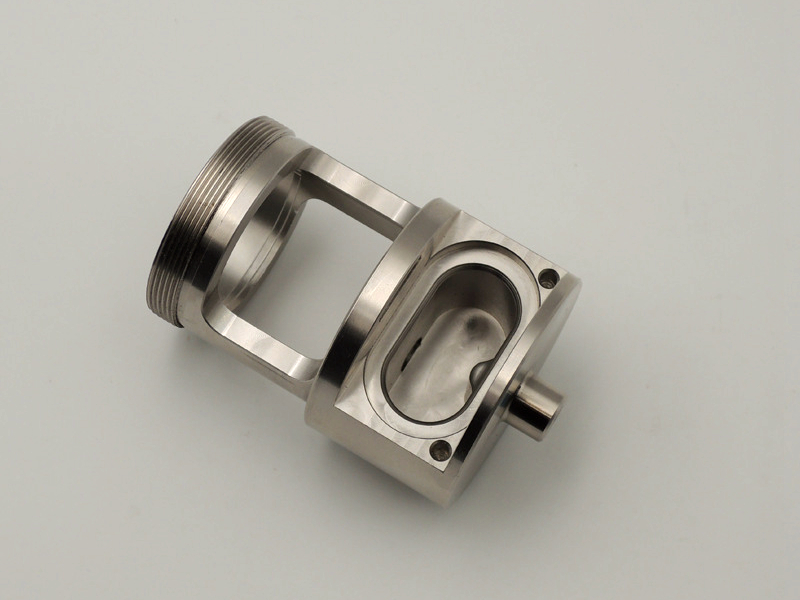
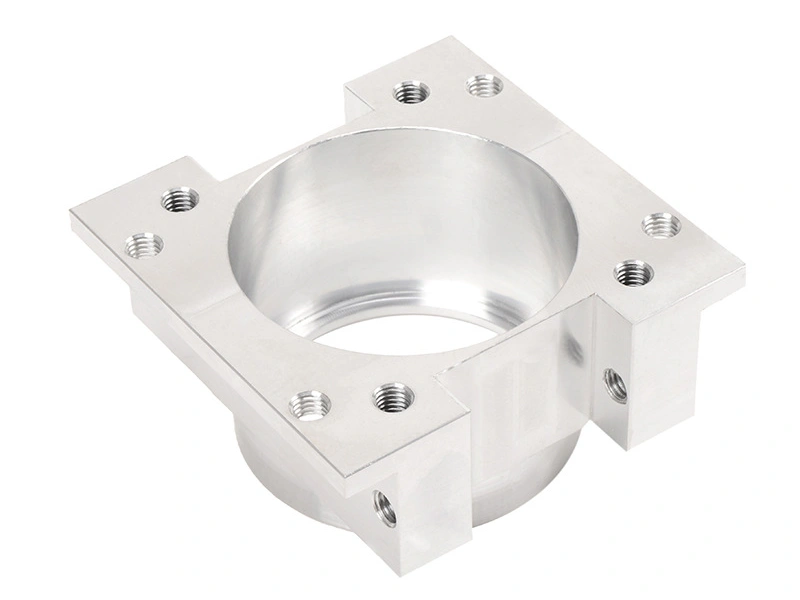
Features requiring 4 Axis or 5 Axis CNC Milling affect schedule through programming, fixture access, simulation, prove-out, and verification, but axis count alone does not predict duration. A simple indexed route may be quick; a thin part with hidden burrs can need several approval loops. Ask the supplier to identify the feature on the critical path, planned setup count, first-piece gate, and recovery plan if that feature fails. This makes a schedule technically reviewable instead of merely optimistic.
3. Post-Processing Requirements
Adding surface finishing creates a separate route for cleaning, masking, racking, processing, curing where applicable, inspection, and return logistics. Its duration depends on finish specification, batch minimum, color, thickness, masking, supplier queue, test requirements, and rejection handling. Obtain a current outside-process commitment for the specified lot instead of adding a standard number of days. Define shipment and measurement gates around finishing, and identify who owns rework if a coating changes fit or appearance.
4. Inspection and Quality Control
Requirements for CMM inspection, First Article Inspection (FAI), or a PPAP submission affect lead time only when they are actually specified and the supplier has confirmed the deliverable. For PPAP, identify the governing manual and revision, submission level, required elements, customer-specific requirements, and authorized approval contact. Build the schedule from inspection planning, fixture or program preparation, measurement, report review, correction, and buyer approval. State the required characteristics, sampling, form, language, and approval owner. Do not infer a documentation package from an industry name or count the physical part as complete while required evidence remains under review.
5. Tooling and Fixturing for Mass Production
A first production release may involve:
Fixture concept, manufacture, access review, validation, and first-off approval before recurring cycle time is meaningful.
A capability or stability study only where the buyer specifies characteristics, method, sample basis, and acceptance criteria.
A release and traceability plan that aligns material, revision, programs, inspection records, labels, packaging, and shipment cadence.
RFQ Checklist for Comparing CNC Lead Times
For Prototyping, Low-Volume Manufacturing, or Mass Production CNC Machining, request separate dates for RFQ assumptions, material readiness, fixture release, first-piece submission, buyer approval, remaining machining, surface treatment, records, packing, and shipment. Add project-specific controls for aerospace, medical, and industrial parts rather than generic delays. Compare first and repeat releases separately, identify unconfirmed dates and buyer approval time, and ask which tasks can run in parallel without putting material identity, process validation, or acceptance evidence at risk.