How Should Supplier Changes Be Controlled During Outsourced Machining?
How Should Supplier Changes Be Controlled During Outsourced Machining?
Supplier changes during outsourced machining should be controlled by identifying the trigger, freezing the active revision, segregating affected units, assessing technical and commercial impact, and releasing only evidence that matches the approved state. Changes to material, fixture, tool, program, inspection, outside processing, finish, or packaging can invalidate earlier learning. The buyer should define who can approve each change and what evidence closes it. Product images show geometry only and cannot authorize a process or material change.
Define Change Triggers
List geometric triggers such as a new hole, shoulder, radius, opening, datum, or profile. List state triggers such as material condition, stock form, heat treatment, coating, cleaning, inspection method, packaging, machine, fixture, tool, or program. Administrative updates may still affect release records. Classify each trigger before deciding whether a document update, remeasure, fit check, process trial, or requalification is required.
Record the active part number, drawing and model revisions, quantity, material, acceptance plan, and delivery state. Retain superseded files as history but mark them inactive. An unmarked model, chat message, or supplier assumption should not become the effective requirement.
Review Technical Impact
Map the change to datum contacts, tool access, stock allowance, clamp force, program origin, inspection frame, outside processor, packaging, cost, and schedule. A changed opening can affect fit and tool reach; a changed datum can invalidate position results; a coating can alter an interface. The review should identify affected characteristics and the evidence required, not merely assign a risk label.
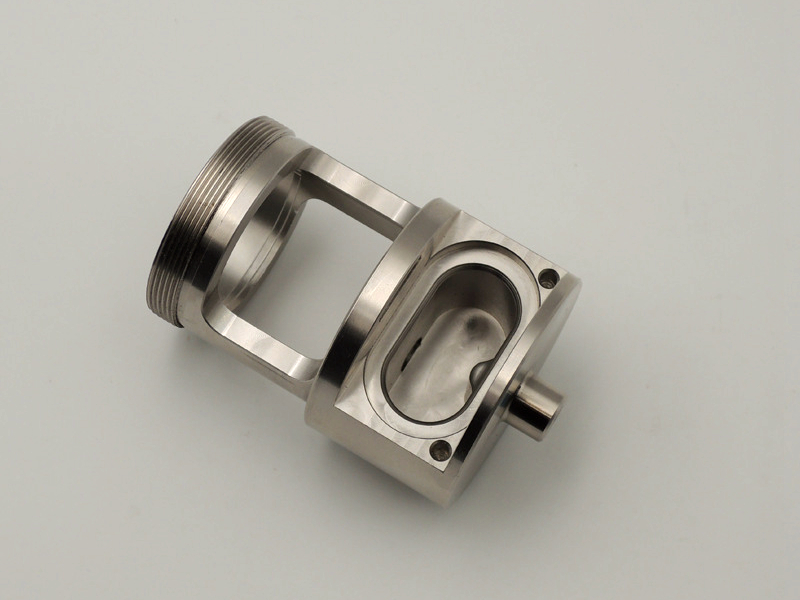
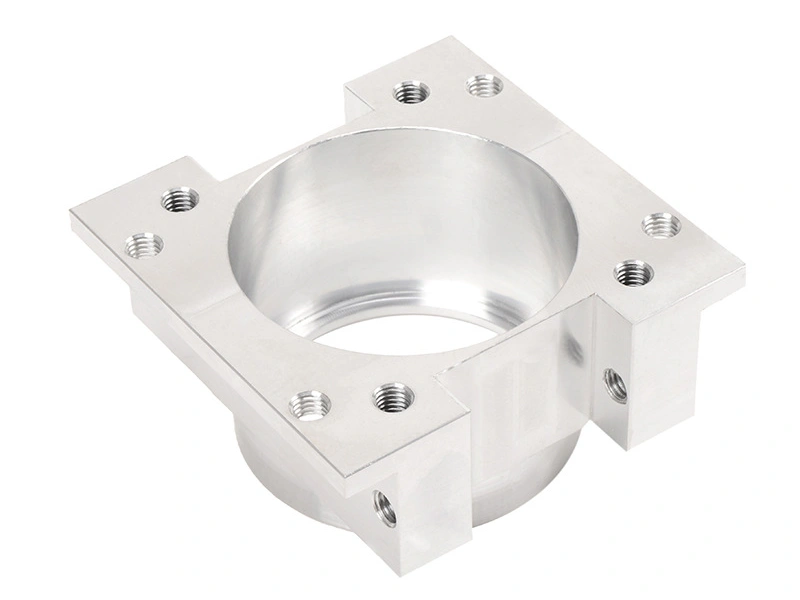
For the small latch block, consider contact profile, opening, narrow end, edge break, and movement. The paired images show a curved section and flat faces from two angles but cannot establish load, spring force, tolerance, or material. Use the drawing and records to decide impact.
Segregate Units and States
Give each unit or sub-lot a revision, material, setup, and disposition identity. Physically separate original, changed, reworked, and replacement units through machining, outside processing, cleaning, packaging, and shipment. A tray position or memory is not traceability. If identity is lost, hold the range and expand inspection or replace it.
A reworked unit needs its original result, action, new result, and approver. Do not overwrite a failure or merge the unit into the changed state without a record. This preserves yield and effort information and prevents a clean shipment count from hiding a process signal.
Control Setup and Program Changes
Review locator surfaces, clamp sequence, support, orientation, tool projection, offsets, program origin, and coolant when the supplier changes setup or program. A new file name is not proof that the correct datum was used. Require an independent check of affected operations and hold a first piece. If the machine, fixture, and drawing all change, keep their effects separate.
Mark temporary methods such as shims, manual offsets, extra deburring, or alternate tools. They may contain a lot but are not automatically transferable to a repeat order. Define start and end units and whether a permanent process update is needed. The setup record should be recoverable without an undocumented workaround.
Update Inspection With the State
Change the inspection plan when the datum, characteristic, method, instrument, sample rule, or functional test changes. Keep prior results under the prior plan. For a new opening or profile, repeat size, form, position, and fit as appropriate. For a new finish, repeat before-and-after interface checks. Preserve raw values and instrument identity.
If a feature is inaccessible after the change, state the boundary and alternate evidence. A functional check can show combined behavior but cannot prove unmeasured geometry or material. Missing evidence remains an open item until the owner closes it.
Record Cost and Schedule Impact
Ask the supplier to state new programming, fixture, material, inspection, outside-process, packaging, rework, and freight charges. Identify affected quantity and timing. A change that appears small may require a new material buy or fixture. Keep the original and revised scenarios separate so the buyer can see the decision cost.
Assign Change Authority
Name who can approve drawing, material, process, inspection, outside-process, packaging, and deviation changes. Require supplier notification before implementation and identify the evidence expected. A customer waiver can authorize shipment for a defined lot, but it does not prove the original process requirement was met.
Specify Change Control in the RFQ
Provide revisions, critical features, material, setup expectations, inspection, records, delivery state, and change authority. Ask for a redacted change form with trigger, affected units, operation, fixture, program, inspection, cost, schedule, approver, and closure evidence. Request notification before any substitution or unmarked file is used.
Release or Hold the Changed Lot
Release when active definition, segregated units, setup and program state, inspection evidence, outside-process records, packaging, cost, schedule, and approvals agree. Hold when units are mixed, a datum effect is unresolved, a temporary method is undocumented, or a rework result replaced the original. The buyer's next action is to approve the change matrix before the supplier implements the change.