How Should Machined-Part Outsourcing Scope Be Separated?
How Should Machined-Part Outsourcing Scope Be Separated?
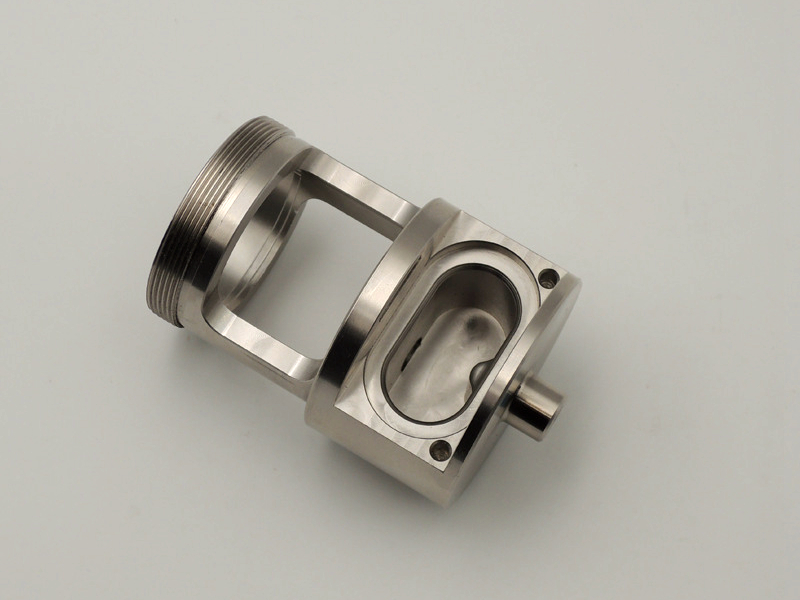
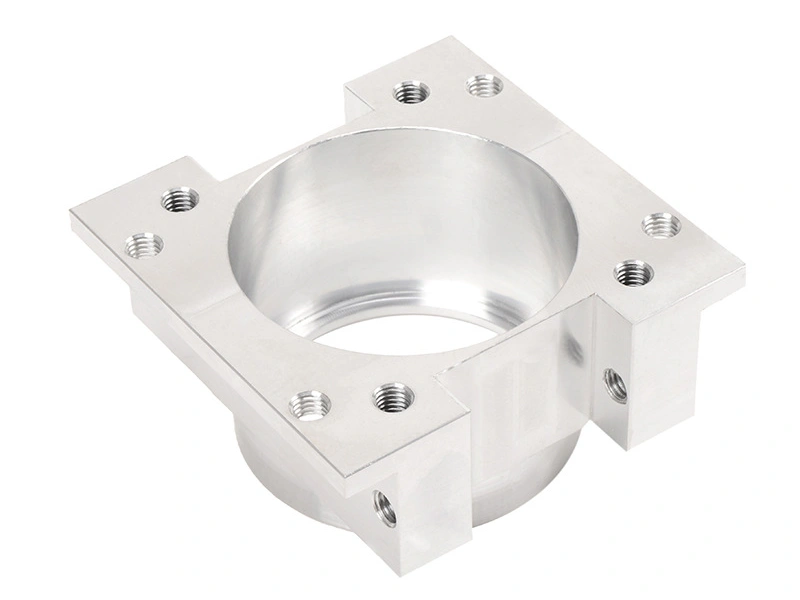
Machined-part outsourcing scope should be separated into design input, material, process, inspection, outside processing, packaging, delivery, and change responsibilities. The split should state what the supplier must provide, what the buyer supplies, what evidence is required, and which activities are priced once or per lot. A unit price without that boundary is not comparable. The pictured latch block supplies only visible geometry; the controlled drawing, material condition, acceptance plan, and delivery state define the actual scope.
Freeze the Design Input
List part number, drawing revision, model revision, quantity, material and condition, stock form, critical features, surface and edge requirements, tests, packaging, delivery point, and decision date. Identify the files that are released and retain superseded versions as history. If a note is ambiguous, record a controlled clarification before quoting. An unmarked model or informal email should not become the effective requirement.
Separate functional requirements from process preferences. The buyer may require a hole position, contact profile, edge break, or movement check while allowing the supplier to propose orientation and tooling. Mark which items are mandatory and which are proposed. This prevents a supplier's standard route from being mistaken for the acceptance definition.
Define Material and Stock Ownership
State who buys material, the designation and condition, certificate or traceability requirements, stock form, and minimum purchase assumptions. If customer-supplied stock is used, identify inspection on receipt and responsibility for damage or shortages. A full bar, plate, forging, casting, or remnant can change support, grain direction, cost, and distortion. Keep the stock scenario visible in the quote.
Require notification before a substitution, heat-treatment change, coating, or stress-relief change. Record affected units and the evidence needed to decide whether results transfer. The silver color in the latch images cannot prove alloy or hardness. Use certificates and controlled records for material claims.
State the Machining Boundary
Specify whether the supplier provides programming, fixture or jaw work, roughing, finishing, drilling, tapping, deburring, cleaning, and first-piece approval. Identify the expected setup count and reversal. A curved latch can be easy to cut but difficult to support or measure without distortion. Ask for datum contacts, support, tool access, and the check that validates a second setup.
Separate cutting time from engineering and schedule time. Programming revisions, material staging, inspection availability, outside processing, and buyer approvals can control elapsed delivery. Ask which timing is estimated and which depends on another party. A nominal cycle time is not a delivery guarantee.
Define Acceptance Evidence
List critical-to-quality features and their methods, sample size, datum frame, instrument, unit identity, and reaction. A latch block may need contact width, profile, opening, edge break, and free movement. A caliper check cannot prove profile or functional force. If the lot is exploratory, state that the evidence is for learning; if it is a released shipment, state the acceptance owner.
Include raw readings, reports, photographs, certificates, or functional notes only where they support a decision. State delivered-state checks after coating, cleaning, or assembly. A certificate proves material or processor information within scope; it does not replace final geometry inspection. If a feature is inaccessible, record the boundary and alternate method.
Control Outside Process Handoffs
Identify heat treatment, coating, passivation, cleaning, assembly, and packaging providers, specifications, batch identity, masking, before-and-after checks, and handoff ownership. Keep parts segregated through the transfer and link processor records to unit or sub-lot identity. A damaged or mixed lot can fail at receiving even when machining was acceptable.
State whether the supplier or buyer orders outside processing and who resolves a certificate mismatch. Require a receiving-state inspection when the process can move a dimension, edge, surface, or fit. Do not present an as-machined report as proof of delivered condition without a boundary.
Separate Commercial Lines
Ask for separate lines for programming, fixture, material, cutting, recurring setup, inspection, outside processing, cleaning, packaging, freight, and engineering changes. State quantity breaks and the conditions behind them. A discount may assume reduced inspection, a different fixture, or a larger material buy. Compare scenarios with the same drawing and acceptance plan.
When a line cannot be estimated, require a trigger and owner rather than a vague allowance. Inspection time may depend on datum access, and outside processing may depend on a batch minimum. Mark the item pending and identify the confirmation needed before release. A transparent unknown is safer than a precise number with no evidence.
Use a Responsibility Matrix
For each deliverable, name owner, reviewer, timing, and acceptance. Include design interpretation, material certificate, fixture, first piece, inspection, deviation, outside processor, packaging, freight, and receiving. A project management page can organize milestones, but the matrix must remain part-specific. Update it when the revision or delivery state changes.
Put the Scope in the RFQ
Attach controlled design files and state quantity, material, stock, datums, critical features, finishes, inspection, records, packaging, milestones, and change authority. Ask suppliers to identify inclusions, exclusions, assumptions, and evidence. Request a redacted setup and first-piece format. The buyer should not have to reverse-engineer scope from a single total.
Approve a Bounded Scope
Approve when design, material, machining, inspection, outside process, packaging, delivery, responsibilities, and commercial lines are explicit. Hold when a critical feature lacks a method, a substitute is unstated, a handoff owner is missing, or a unit price hides setup and inspection. The latch images show geometry and angle only. The next buyer action is to sign the scope and acceptance boundary before authorizing outsourcing.