How does Neway verify long-term reliability of lighting thermal solutions?
Neway verifies long-term reliability of lighting thermal solutions through project-specific thermal cycling, continuous operation testing, lumen-maintenance checks, assembly robustness tests, environmental exposure, and failure analysis when those checks are required by the application. The purpose is to confirm that junction temperature, heatsink contact, surface protection, mechanical joints, and light output remain stable under the specified environment. Buyers should define lifetime target, ambient range, power profile, mounting condition, and required test evidence before the validation plan is finalized.
Accelerated Life Testing (ALT) and Thermal Cycling
Accelerated life testing exposes weak thermal interfaces faster than normal operation. The exact temperature range, dwell time, ramp rate, humidity condition, and cycle count should match the luminaire's risk profile. A -40°C to +120°C cycle can be useful for some electronics, but it should not be copied into every lighting project without checking LED package limits, plastics, seals, coatings, and driver electronics. Thermal cycling is most useful when it is paired with inspection before, during, and after exposure. It can reveal:
Solder Joint Fatigue: Repeated expansion and contraction can crack solder joints, LED board connections, or driver connections. The risk increases when package, board, heatsink, and housing materials have different coefficients of thermal expansion.
Thermal Interface Material (TIM) Degradation: TIM can pump out, dry, crack, compress unevenly, or lose contact pressure after cycling. Verification should check bond-line thickness, contact area, assembly torque, and thermal resistance change, not only visual condition.
Mechanical Stress on Components: PCBs, lenses, seals, housings, screws, and heatsink joints can crack, loosen, or delaminate when temperature, vibration, and humidity interact. Inspection should focus on the component that controls the heat path.
Continuous Operation and Lumen Maintenance Testing
Continuous operation testing checks whether the luminaire can hold temperature and optical performance during long duty cycles. The test should run at rated power, intended orientation, and worst-case ambient temperature. If the product will be enclosed, installed upside down, exposed to dust, or operated near a ceiling, the test setup should reflect that condition. Useful logged data includes:
LED Junction Temperature (Tj): Junction temperature can be estimated through LED electrical parameters, thermal transient testing, case temperature correlation, or manufacturer guidance. The chosen method should be stated. The result should stay below the design target, not merely below an absolute maximum value.
Light Output (Luminous Flux): Lumen output and color shift should be monitored with temperature because LED aging accelerates when thermal margin is poor. LM-80 and TM-21 data may support lifetime projection when the LED package, current, temperature, and application assumptions match the supplier's data scope.
Robustness Validation of the Thermal Assembly
The thermal design also depends on mechanical stability. A low initial temperature is not enough if vibration, shock, screw relaxation, or handling changes board contact after installation.
Vibration and Shock Testing: For Automotive and Industrial Equipment applications, vibration can loosen fasteners, shift the LED board, fatigue solder joints, and reduce heatsink contact pressure. A useful test checks thermal performance after vibration, not only mechanical damage.
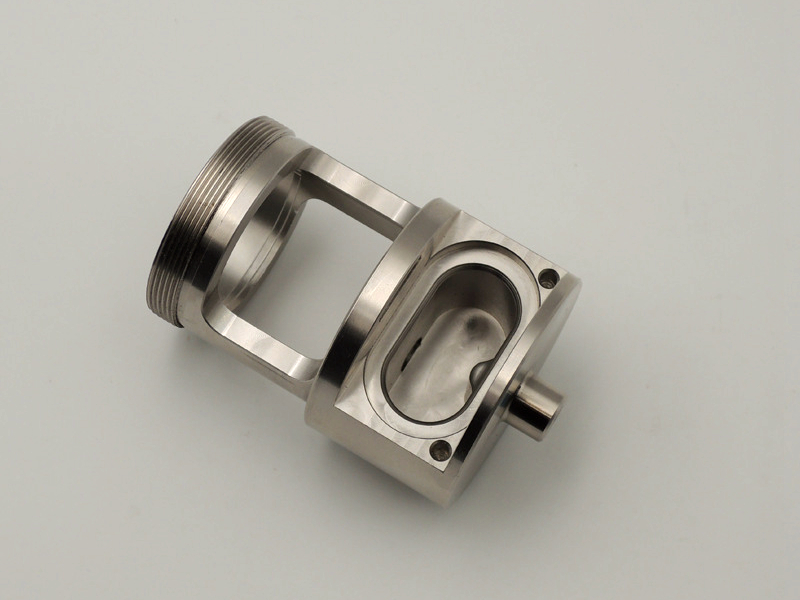
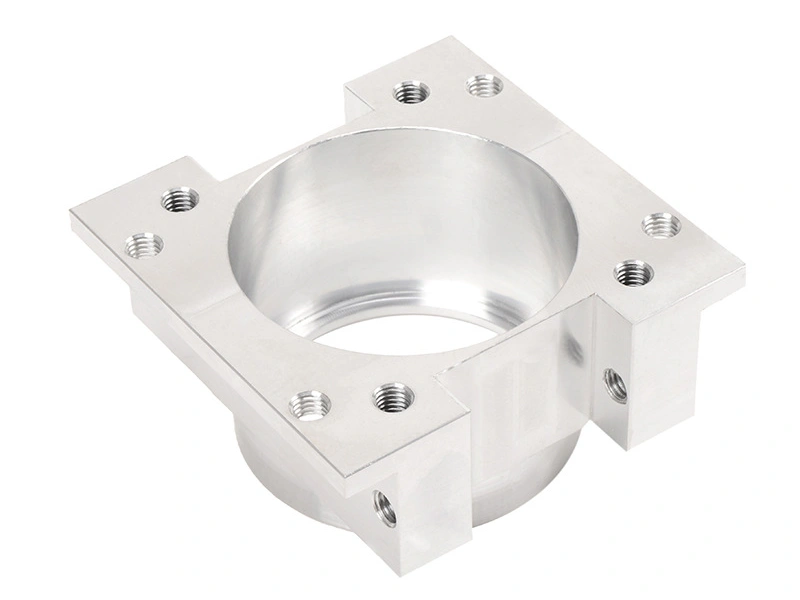
Finite Element Analysis (FEA) Correlation: Simulation should be correlated with physical prototype data instead of treated as final evidence. Samples made through CNC Machining Prototyping can confirm heatsink flatness, board contact, airflow path, and measured temperatures. When simulation and test results diverge, the model assumptions should be revised before production release.
Environmental and Material Degradation Testing
Long-term reliability also depends on corrosion, UV exposure, humidity, cleaning chemicals, dust, and coating durability. Environmental tests should match where the lighting system will operate.
Corrosion Resistance: For aluminum heatsinks, CNC Aluminum Anodizing may support corrosion protection and emissivity. Salt spray testing such as ASTM B117 can be used as a comparative coating screen when specified, but it does not alone predict every real outdoor environment. Final evaluation should include coating thickness, adhesion, exposed edges, and thermal contact areas.
UV and Moisture Resistance: Plastics, lenses, seals, paints, and Powder Coating can degrade under UV, humidity, and heat. The validation plan should check cracking, chalking, adhesion loss, color change, water ingress, and whether coating failure increases thermal resistance or contaminates the light engine.
Failure Analysis and Iterative Design
When testing shows a hot spot, lumen loss, coating failure, fan issue, or mechanical looseness, the result should feed back into design and manufacturing controls. Root-cause work may include cross-sectioning, microscopy, torque checks, thermal imaging, surface inspection, and comparison with simulation. The findings can change CNC Machining flatness requirements, material choice from Aluminum CNC Machining, or stress-relief decisions related to Heat Treatment knowledge.
A reliable verification package should show the test condition, sample build, measurement points, acceptance limits, failure findings, and corrective actions. For consumer lighting, the focus may be lumen maintenance, surface temperature, and color shift. For mission-critical Aerospace and Aviation lighting, the package may also need vibration, thermal cycling, lot traceability, material certificates, and stricter change control. The buyer should request evidence that matches the actual risk of the lighting system, not a generic statement that reliability was checked.