How Can Revision Changes Be Controlled During a Small Batch?
How Can Revision Changes Be Controlled During a Small Batch?
Revision changes during a small CNC batch should be controlled by freezing the build definition, identifying the affected units, reviewing the change against the functional decision, and releasing only the state that has been inspected. A new hole, datum, material condition, finish, or inspection method can make earlier learning incomparable even when the part still looks similar. The buyer should keep each revision and its evidence separate, then state which conclusion transfers. An informal message or an unmarked model is not an effective specification.
Freeze the Build Definition
Before cutting, list the part number, drawing and model revisions, quantity, material and condition, stock form, critical features, finish, tests, packaging, and approval owner. Assign the definition a build identifier and connect it to the purchase order, program, setup record, inspection plan, and traveler. If a file is replaced, retain the superseded reference and record the date and reason. This prevents a later reader from mistaking a current file for the one used on the machine.
Define what counts as a revision trigger. Geometric changes include moving a hole, changing a shoulder, altering a thread, or changing a datum. State changes include a different temper, heat treatment, coating, cleaning method, or packaging condition. Administrative changes such as a report format may not affect geometry, but they can affect release evidence. Classify the trigger before deciding whether a new cut or only a document update is needed.
Screen the Impact Before Authorizing Work
Ask which functional relationship, process step, or acceptance rule the change touches. A relocated opening can alter fit and tool access; a new coating can alter dimensions and masking; a changed datum can invalidate position results even if measured sizes remain unchanged. Map the affected features to operations, fixtures, programs, inspection methods, outside processors, and packaging. The purpose is to expose the evidence that must be regenerated, not to assign a risk label without a basis.
Use a decision such as documentation-only, remeasure, fit check, process trial, or full requalification. Documentation-only is appropriate only when the physical part and acceptance evidence are unchanged. A process trial is needed when stock, access, clamping, chip evacuation, or deformation changes. Record the approving owner and required evidence.
Segregate Units and States
Give each unit or sub-lot an identity that carries the build revision, material lot, setup, and disposition. Physically separate parts made before and after a change, including reworked or replacement units. Do not rely on a tray position or memory. Labels, travelers, and digital records should agree on the same identifier. If identity is lost, hold the affected range and choose expanded inspection or replacement rather than silently merging the pieces.
Control Setup and Program Effects
When a revision changes a datum, stock boundary, or feature location, review locating contacts, clamp sequence, tool projection, offsets, and program origin. A program file with a new name is not proof that the correct datum was applied. Require a controlled version, an independent check of the affected block or feature, and a first-piece hold. If the machine or fixture changes as well, treat that as a separate state so the result cannot be attributed to the drawing revision alone.
Record any temporary method used to make the change, such as an added shim, manual offset, extra deburring, or alternate tool. Temporary methods can be valid containment, but they are not automatically transferable to a repeat order. Mark their start and end units and define whether a permanent process update is required. A later operator should be able to reconstruct the condition without relying on an undocumented workaround.
Update Inspection Without Losing Comparability
Revise the inspection plan when the change affects a characteristic, datum frame, instrument, sampling rule, or functional test. Keep prior results under the prior plan and do not recalculate them with the new frame unless the record clearly labels the transformation. For a changed opening, measure size, form, lead-in, and mating fit as separate evidence. For a changed surface state, record before-and-after dimensions and the process batch. A visual similarity is not a substitute for the changed acceptance requirement.
When results are near a limit, review alignment, temperature, support, calibration, and repeatability before declaring success. Preserve raw readings and instrument identity. If a feature cannot be accessed, state the boundary and keep the missing measurement visible.
Keep Demand Learning Separate
A revised part can pass a fit check while the demand hypothesis remains untested. Record which result belongs to engineering acceptance and which belongs to customer or market feedback. A quantity increase, timing change, or customer option may require a new commercial decision even when the process is unchanged. Conversely, a process improvement may reduce effort without proving that the forecast is accurate. Keep those conclusions in separate fields and do not let one stand in for the other.
State Change Authority in the RFQ
The RFQ should identify who may approve a revision, what evidence is required, how units are segregated, and whether a quote remains valid after a change. Ask the supplier to identify the affected operation, fixture, program, inspection, outside process, packaging, cost, and schedule. Require notification before using an unmarked model or substituting material. A redacted change record is more useful than a promise that changes will be “handled.”
Include drawing and model files with revision labels, critical-to-quality features, material condition, acceptance tests, record format, and the response deadline. State whether the buyer wants a trial quantity or a released lot. This lets the supplier price the actual change path instead of embedding an unknown allowance in every piece.
Release or Hold With a Traceable Decision
Release a changed batch when the active definition, affected units, setup and program state, inspection evidence, outside-process records, packaging, and approvals agree. Hold it when units are mixed, a datum effect is unresolved, the new condition cannot be measured, or a rework result replaced the original without trace. The hold reason should name the missing evidence and the owner who can close it.
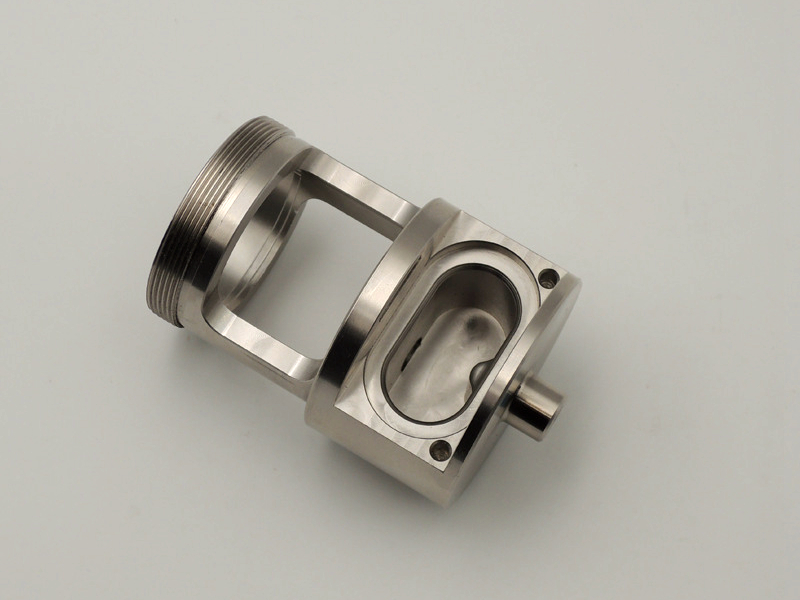
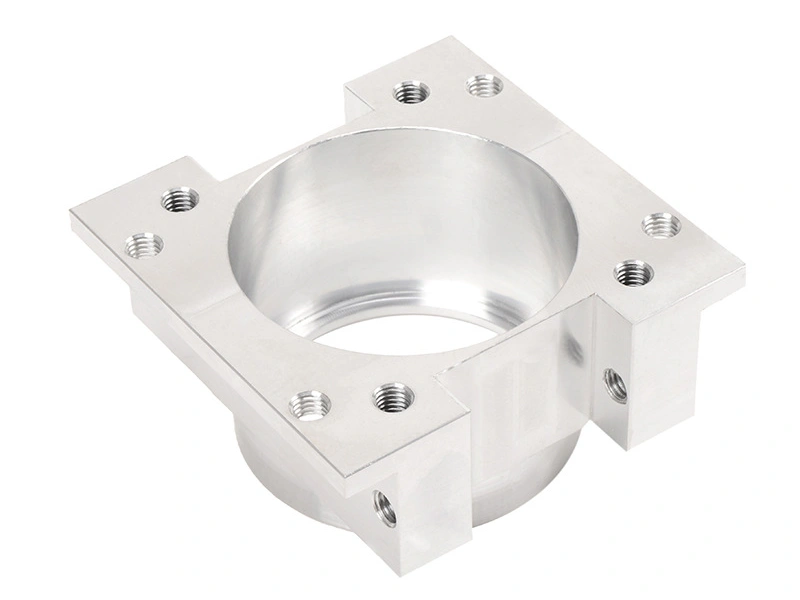
For the pictured small round insert, the images show a central opening and stepped circular surfaces from two angles, but they cannot establish material, tolerance, or revision. Use the controlled drawing and unit-linked records to decide whether a change is acceptable. The buyer's next action is to approve a build identifier, change matrix, segregation method, and evidence list before authorizing the cut.